
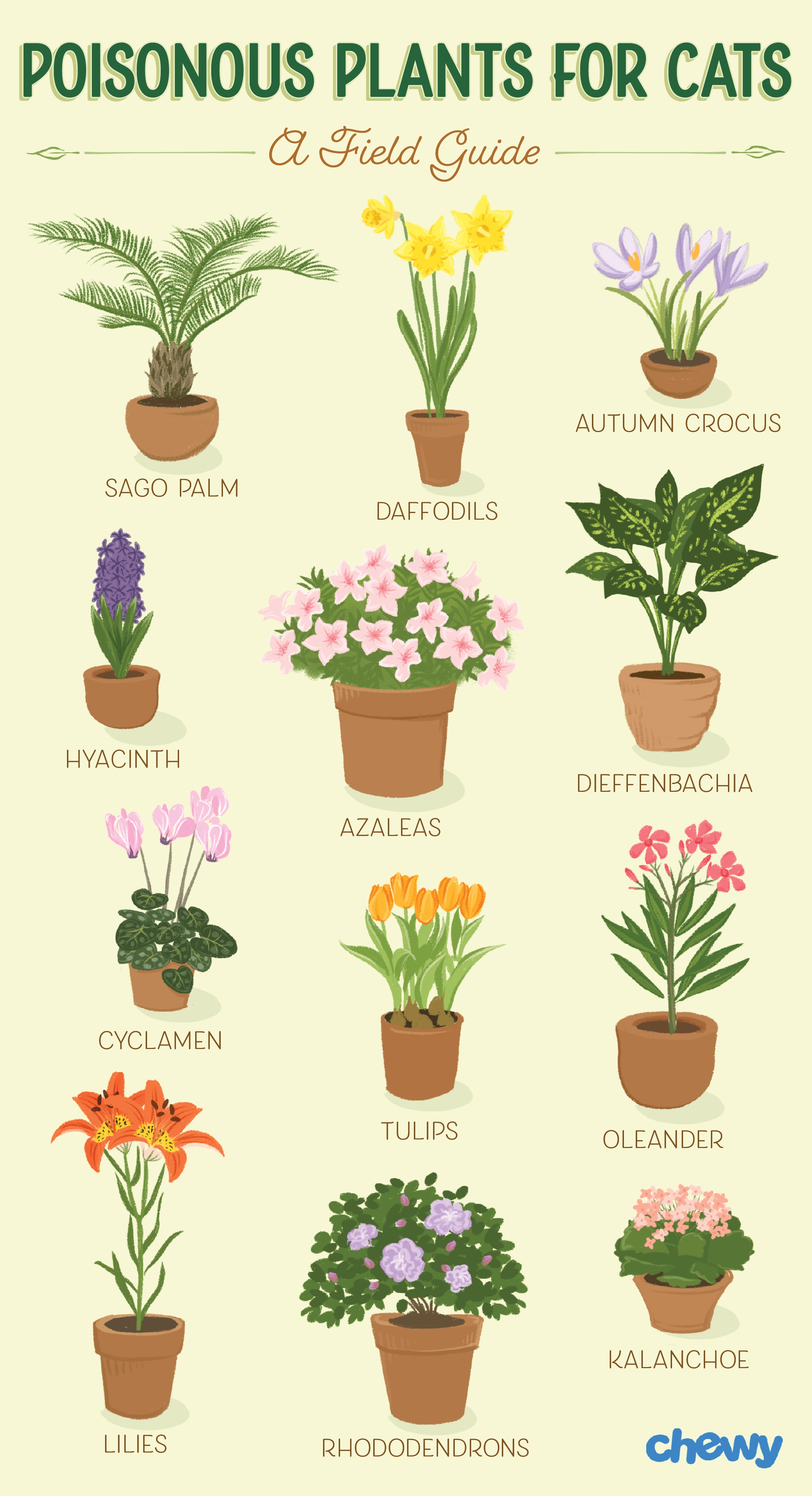
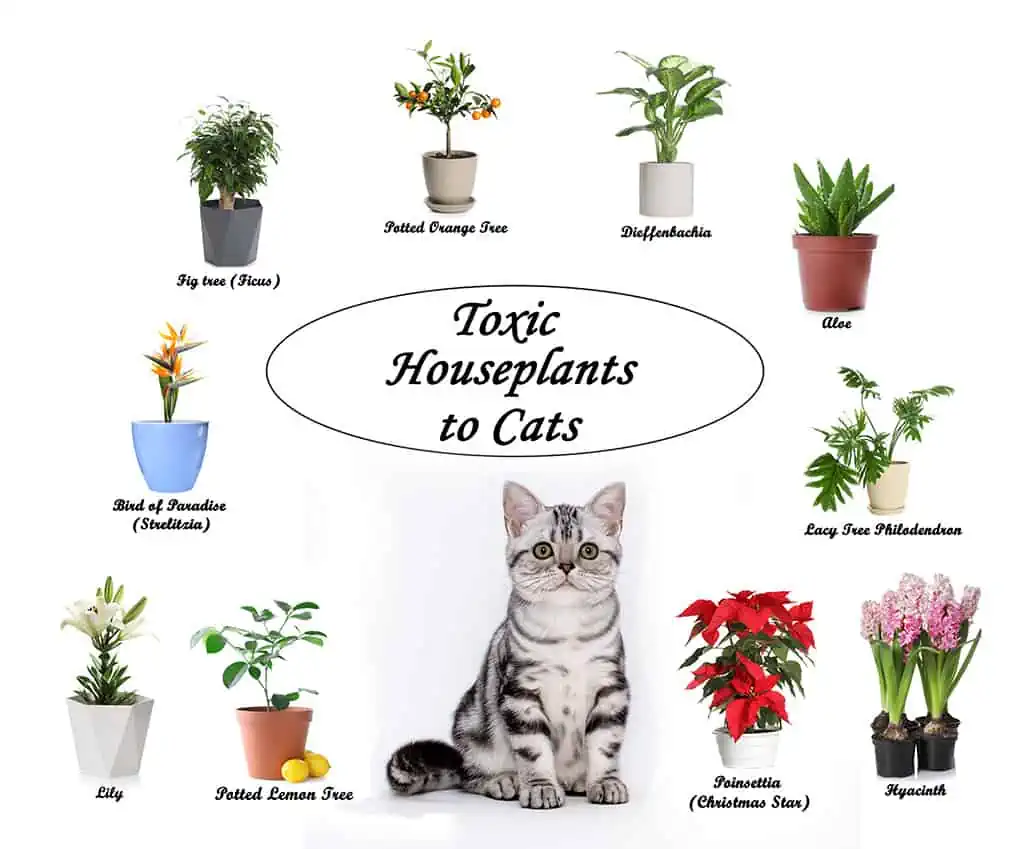
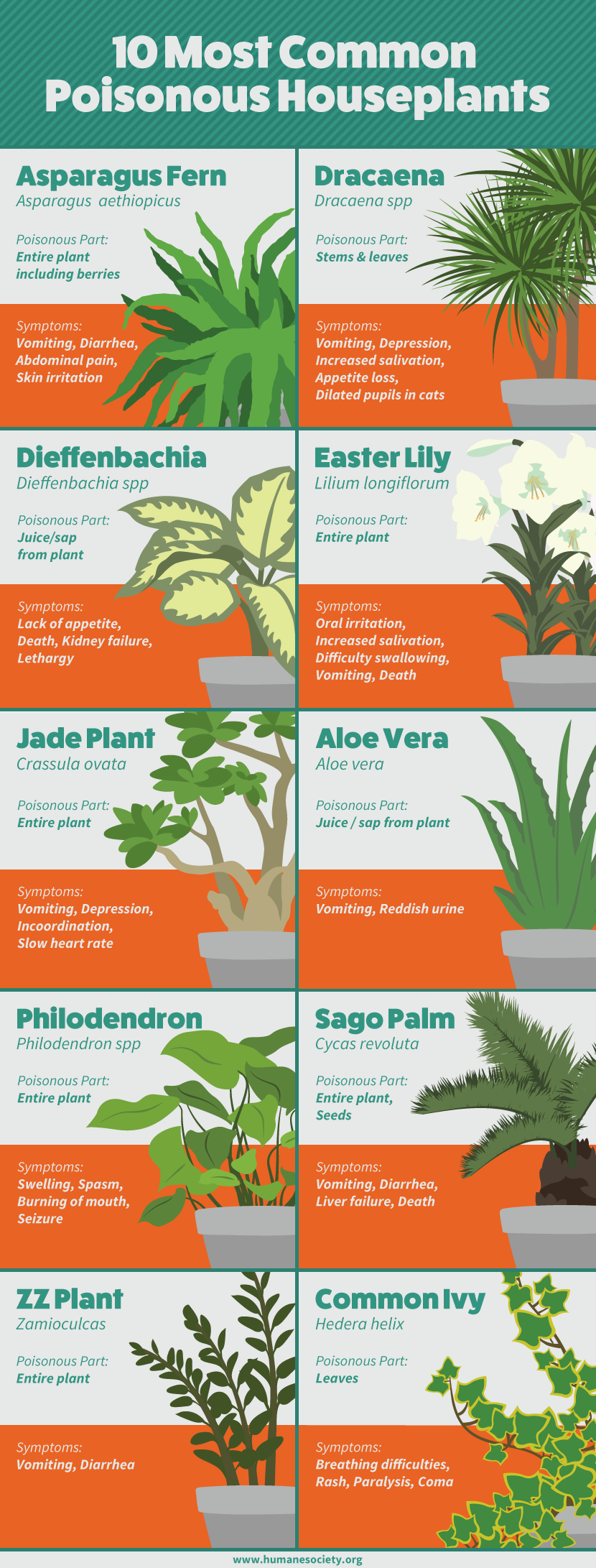
The allure of bringing nature indoors with houseplants is undeniable, enriching living spaces with vibrant greenery and a touch of the outdoors. However, for feline companions, this verdant landscape can sometimes conceal hidden dangers. Many common houseplants, while beautiful to human eyes, contain compounds toxic to cats, leading to symptoms ranging from mild gastrointestinal upset to severe organ damage and even fatalities. Identifying and managing these risks is paramount for responsible pet ownership. In an increasingly connected world, technology offers a robust suite of tools and solutions to help cat owners navigate the complexities of identifying toxic flora, monitoring pet interactions, and ultimately fostering a safer home environment.
Digital Tools for Plant Identification and Toxicity Databases
The first line of defense against pet poisoning lies in accurate information and swift identification. Modern technology has revolutionized how pet owners can access crucial data about plant toxicity.
Smartphone Apps for Instant Plant Recognition
Gone are the days of leafing through bulky botanical guides. Today, a plethora of smartphone applications leverage advanced image recognition technology and vast databases to identify plants within seconds. Users simply snap a photo of a plant, and the app cross-references it with its extensive library, often providing not only the plant’s name but also detailed care instructions and, critically, its toxicity status for pets.
Apps like “PictureThis,” “PlantNet,” or “Seek by iNaturalist” have become indispensable for this purpose. Many now integrate specific features for pet safety, flagging plants known to be harmful to cats. These tools empower owners to quickly assess new plant purchases, identify existing greenery, or even determine the potential threat of plants encountered during outdoor excursions. The immediacy and accessibility of these apps mean that informed decisions can be made on the spot, preventing accidental exposure before it happens. Some advanced versions even allow users to filter searches specifically for “pet-safe” plants, simplifying the shopping experience for new additions to the indoor jungle.
Online Databases and Veterinary Resources
Beyond instant identification, comprehensive online databases serve as invaluable repositories of information regarding plant toxicity. Organizations such as the ASPCA (American Society for the Prevention of Cruelty to Animals) and the Pet Poison Helpline maintain extensive, searchable online lists detailing plants toxic to cats, their specific harmful compounds, symptoms of poisoning, and recommended first aid steps.
These digital resources are meticulously curated by veterinary toxicologists and botanists, providing a scientific and reliable source of truth. They are continuously updated, ensuring that users have access to the latest information as new research emerges. Pet owners can use these platforms to research plants proactively before bringing them home, or reactively if they suspect their cat has ingested a problematic plant. Many veterinary clinics also integrate these databases into their digital patient management systems, allowing for quick reference during consultations. Furthermore, specialized forums and community platforms offer spaces for owners to share experiences and receive peer support, often moderated by experts who can direct users to official toxicological resources.
Smart Home Devices for Pet Monitoring and Environmental Control
Technology extends beyond mere identification, offering proactive solutions for monitoring pets and managing their environment, particularly when owners are away.
Pet Cameras with AI Detection
The evolution of smart pet cameras has brought unprecedented peace of mind to cat owners. Modern pet cameras, often equipped with high-definition video, two-way audio, and remote pan-and-tilt capabilities, allow owners to observe their cats from anywhere via a smartphone app. Critically, many now integrate artificial intelligence (AI) and machine learning algorithms for enhanced functionality.
These AI-powered cameras can learn a cat’s typical behaviors and differentiate between normal activity and potentially concerning actions. Some advanced models can detect specific behaviors like vomiting, excessive scratching, or even prolonged interest in a particular plant. Certain systems are programmed to recognize specific objects or zones, allowing owners to set “no-go” areas around potentially toxic plants. If a cat enters a designated sensitive zone or exhibits suspicious behavior near a plant, the system can send instant alerts to the owner’s phone, complete with video clips. This proactive alerting system empowers owners to intervene remotely—perhaps by using the two-way audio to redirect their cat, or by dispatching a family member or pet sitter if an emergency is suspected. The data collected by these cameras over time can also offer insights into a cat’s habits, helping owners to better understand and manage their home environment.
Smart Sensors for Plant Health & Pet Proximity
Innovation in the smart home arena is also leading to the development of more specialized sensors that can contribute to a pet-safe environment. While not yet ubiquitous, concepts and early products are emerging that could directly address plant-pet interactions. Imagine small, unobtrusive sensors embedded near potted plants. These sensors could go beyond basic soil moisture or light levels, incorporating proximity detection technologies like passive infrared (PIR) or even tiny lidar systems to detect when a pet is lingering too close to a particular plant.
When a cat approaches a plant identified as toxic, the sensor could trigger a subtle deterrent, such as a gentle sound wave (inaudible or unpleasant to cats but not humans) or a visual cue. Alternatively, it could simply send an alert to the owner’s smart home hub or smartphone. Further advancements could see these sensors integrated with existing smart home ecosystems, allowing for automated responses like activating an indoor pet gate or adjusting lighting to make an area less appealing to a curious cat. While these applications are still evolving, the underlying technology for localized sensing and automated responses is already present in various smart home devices, indicating a clear path for future development in pet safety.
AI and Machine Learning in Preventing Pet Poisoning
Artificial intelligence and machine learning are poised to revolutionize pet safety by moving beyond mere detection to predictive analysis and personalized prevention strategies.
Predictive Analytics for Household Risks
The power of AI lies in its ability to process vast amounts of data and identify patterns that humans might miss. In the context of pet safety, this translates to predictive analytics for household risks. By aggregating data from various sources—such as pet owner reports, veterinary clinic records, plant toxicity databases, and even geographical data on common flora—AI algorithms can begin to predict which houseplants pose the highest risk to cats in specific regions or household types.
For example, an AI system could analyze a user’s geographical location, the common houseplants available at local nurseries, and general feline behavior patterns to generate a personalized risk assessment for their home. It could proactively suggest which plants to avoid, recommend safer alternatives, or even flag seasonal risks (e.g., holiday plants like poinsettias or lilies). Furthermore, by tracking reported incidents of poisoning and correlating them with specific plant types and environmental factors, AI can refine its predictions, making recommendations more accurate and timely. This goes beyond simply identifying a toxic plant; it aims to prevent the interaction entirely by providing proactive, context-aware advice.
Personalized Pet Care Platforms
The convergence of AI, mobile technology, and wearable devices is leading to the emergence of personalized pet care platforms. These platforms leverage machine learning to create tailored safety plans for individual cats, considering their breed, age, health history, and documented behaviors. If a cat has a history of chewing on leaves, the platform might prioritize recommendations for plant barriers or deterrents. If another cat is known to be particularly curious and adventurous, the system might suggest more rigorous monitoring solutions.
These platforms can integrate data from various smart devices—from pet cameras to activity trackers worn by the cat—to build a holistic profile. They can then offer personalized advice on plant selection, safe placement, and even training techniques. Some platforms might use AI to analyze a cat’s facial expressions or body language captured by smart cameras, interpreting subtle signs of distress or curiosity near a plant and triggering an alert. This level of personalization moves pet safety from a generic checklist to a dynamic, adaptive strategy that evolves with the cat’s life and environment, constantly learning and refining its protective measures.
Building a Tech-Enhanced, Cat-Safe Indoor Ecosystem
The ultimate goal of integrating technology into pet safety is to create a seamless, comprehensive indoor ecosystem where risks are minimized and well-being is maximized.
Integrating Solutions for Comprehensive Protection
The true strength of technological solutions lies not in individual gadgets but in their ability to integrate and communicate with each other. A truly cat-safe home leverages a combination of digital identification tools, smart monitoring devices, and AI-driven insights to create a layered defense. Imagine a scenario where a pet owner uses a plant identification app to confirm a new plant is pet-safe before purchase. Once home, smart sensors near existing plants monitor for pet proximity, triggering alerts if a curious cat gets too close to a known toxic specimen. Simultaneously, AI-powered pet cameras provide continuous surveillance, learning the cat’s habits and flagging any unusual interactions with greenery.
All these systems feed data into a central smart home hub or a dedicated pet care platform, which then analyzes the combined information to provide a comprehensive overview of the home’s safety status. This integrated approach minimizes the chances of oversight and provides real-time protection, offering owners unparalleled peace of mind. The data collected can also be shared securely with veterinary professionals, aiding in diagnostics and treatment if an incident does occur.
Digital Education and Community Support
Technology also plays a crucial role in empowering pet owners through education and community building. Online courses, interactive webinars, and virtual workshops provide accessible learning opportunities on topics like plant toxicity, pet first aid, and creating safe home environments. Many of these resources are developed by veterinary experts and pet safety organizations, ensuring accurate and up-to-date information.
Furthermore, online communities, social media groups, and specialized forums connect cat owners globally. These digital spaces serve as invaluable platforms for sharing knowledge, asking questions, and receiving support from both peers and experts. Owners can quickly crowdsource information on specific plants, share experiences with different tech solutions, and collectively advocate for better pet safety standards. This collective intelligence, facilitated by digital platforms, reinforces the individual efforts of pet owners, creating a stronger, more informed community dedicated to protecting feline companions from the hidden dangers of toxic houseplants. By embracing and integrating these technological advancements, cat owners can transform their homes into truly safe and stimulating environments for their beloved pets.
aViewFromTheCave is a participant in the Amazon Services LLC Associates Program, an affiliate advertising program designed to provide a means for sites to earn advertising fees by advertising and linking to Amazon.com. Amazon, the Amazon logo, AmazonSupply, and the AmazonSupply logo are trademarks of Amazon.com, Inc. or its affiliates. As an Amazon Associate we earn affiliate commissions from qualifying purchases.