
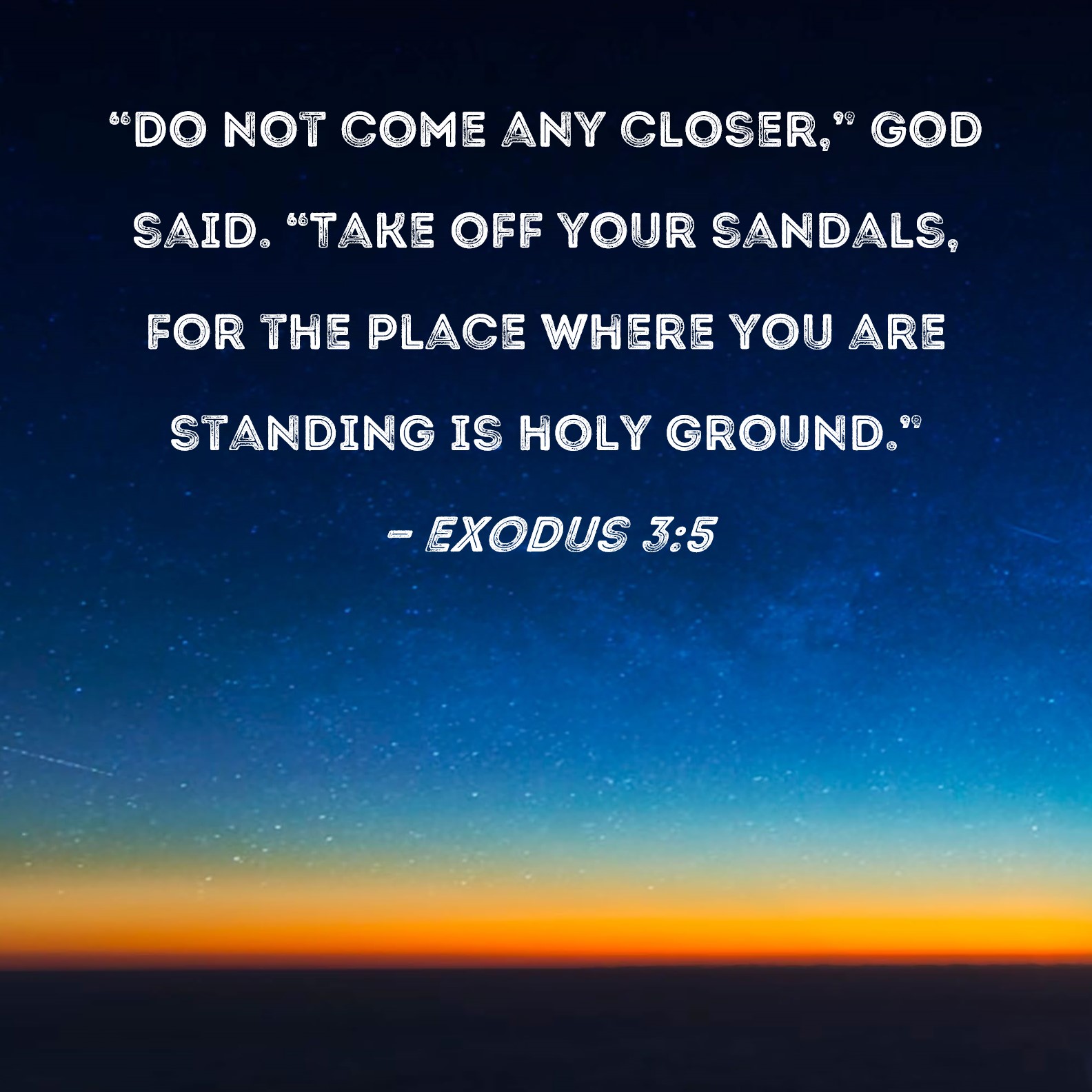
The timeless narrative of Moses at the burning bush offers more than just a foundational religious account; it provides profound insights into the essence of leadership, identity, and the strategic imperative of transformation. When God commanded Moses to “take off your sandals, for the place where you are standing is holy ground,” this seemingly simple instruction was a potent act of strategic re-orientation, a foundational lesson in branding and personal leadership development that resonates through millennia. It wasn’t merely about footwear; it was about shedding an old identity, embracing a new mandate, and preparing for a monumental shift in purpose.

The Strategic Imperative of Shedding: Re-branding for a New Era
Before the burning bush, Moses existed in a dual identity: first as an Egyptian prince, then as a humble shepherd in Midian. Each role came with its own set of expectations, skills, and self-perceptions. The divine encounter marked an inflection point, demanding a radical re-evaluation of his personal brand. The command to “take off” was a symbolic stripping away of all previous identities, all accumulated assumptions, and all the mental baggage that might impede the reception of a new, higher calling.
In the realm of modern branding, both personal and corporate, this concept of strategic shedding is critical. Companies often find themselves needing to “take off” outdated brand perceptions, obsolete product lines, or ineffective marketing strategies to remain relevant and competitive. This isn’t about discarding history, but about consciously choosing which elements to carry forward and which to release to make space for evolution. A re-branding initiative, much like Moses’s transformative moment, requires an honest assessment of what no longer serves the core mission and what must be left behind to step onto “holy ground” – a new, sacred space of opportunity and purpose.
For individuals in leadership, this translates to self-awareness and the courage to evolve. A leader might need to “take off” a rigid management style that no longer fosters innovation, or shed an outdated communication approach that alienates stakeholders. The act of shedding is a deliberate, strategic choice to align one’s outward persona and internal operations with an emerging vision, ensuring authenticity and readiness for profound impact. It’s about recognizing when the “ground” has become holy – when the stakes are high, the mission is paramount, and the old ways simply won’t suffice.
Strategic Humility: The Foundation of Authentic Authority
The instruction to remove sandals explicitly referenced the sacredness of the ground. This wasn’t a whimsical request but a directive to acknowledge and respect the gravity of the moment and the source of the impending mission. Taking off one’s shoes in many cultures signifies humility, reverence, and a willingness to be vulnerable. For Moses, it was an act of submitting to a higher authority and acknowledging that his previous experiences, while valuable, were insufficient for the task ahead.
This principle of strategic humility is invaluable for building a resilient and respected brand. Brands that approach their market with arrogance or a sense of inherent superiority often struggle to connect authentically. Instead, those that demonstrate humility – by actively listening to customers, admitting mistakes, and showing respect for their community and competitors – build trust and loyalty. This isn’t about weakness; it’s about acknowledging the dynamic nature of the environment and the constant need to learn and adapt.
- Respecting the “Holy Ground” of the Market: Entering a new market or launching an innovative product requires an understanding of the existing landscape, consumer behaviors, and cultural nuances. A brand that rushes in without this reverence often faces resistance. Strategic humility means doing the research, engaging with the audience, and adapting the message to resonate with their values, rather than imposing a pre-conceived notion.
- Personal Branding and Grounded Leadership: For leaders, humility grounds their authority in service and empathy rather than pure power. Leaders who are humble enough to admit they don’t have all the answers, who are willing to learn from their teams, and who prioritize the collective good over personal ego, inspire deeper commitment and drive. This creates a “holy ground” within their organizations, fostering an environment where innovation thrives and trust is paramount. The act of “taking off” signifies a willingness to be bare, to show up authentically, and to let the mission itself be the primary focus.
Stripping Down to Core Values: Authenticity in Message and Mission
By commanding Moses to remove his sandals, God was asking him to strip away the physical and symbolic barriers between himself and the sacred ground. This act exposed Moses directly to the divine presence, preparing him to receive a mission that would redefine his life and the destiny of a nation. It emphasized the need for authenticity, for shedding pretense and connecting with a deeper, more fundamental truth.
In brand strategy, stripping down to core values is essential for creating an authentic and compelling message. Many brands get caught up in superficial trends or attempt to be everything to everyone, diluting their essence. The “taking off” principle suggests a deliberate process of self-examination:
- Identifying the Non-Negotiables: What are the fundamental beliefs, principles, and purposes that define your brand? These are the elements that, when revealed, resonate most deeply with your target audience. Just as Moses had to face God directly, brands must confront their true identity.
- Communicating with Clarity and Conviction: Once core values are identified, they must be communicated with unwavering clarity. This authenticity builds trust and distinguishes a brand in a crowded marketplace. Consumers increasingly seek brands that stand for something genuine, not just products or services. The story of Moses’s encounter becomes the ultimate origin story, foundational to the brand of leadership he would embody.
- Aligning Actions with Values: Authenticity isn’t just about words; it’s about deeds. A brand’s actions must consistently reflect its stated values, creating a coherent and trustworthy narrative. This consistency, born from a deep understanding of what was “taken off” and what remains, strengthens its identity and reinforces its mission.

The Preparation for a Grand Narrative: Crafting a Brand Story
The act of “taking off” was not an end in itself; it was a critical preparation for receiving a grand narrative and embarking on a monumental journey. After this foundational moment of humility and re-orientation, God revealed Moses’s true mission: to lead the Israelites out of bondage. This was the inception of one of history’s most enduring brand stories, forged in an act of profound personal transformation.
Every successful brand, personal or corporate, has a compelling story rooted in its foundational moments and guiding principles. The “taking off” moment for Moses illustrates how pivotal a leader’s initial alignment with their purpose can be in shaping that narrative:
- Defining the Origin Story: Just as the burning bush became central to Moses’s legend, a brand’s origin story, especially one involving a deliberate “shedding” or pivot, can be incredibly powerful. It explains “why” the brand exists and what fundamental truth it embodies.
- Anchoring the Mission: The act of taking off his sandals anchored Moses firmly in the divine mandate. For brands, this means ensuring that every initiative, every product, and every communication piece is rooted in the core mission established during these foundational moments of strategic clarity. This prevents drift and ensures consistency across all brand touchpoints.
- Inspiring Future Generations: A grand narrative, powerfully articulated and consistently lived, has the power to inspire and endure. Moses’s story, initiated by that simple yet profound command, continues to influence countless generations. Similarly, brands that master their narrative, grounded in authentic values and a clear sense of purpose, can build legacies that transcend market cycles and cultural shifts.
In essence, what God told Moses to take off was not just his sandals, but his old self, his ingrained perceptions, and any impediment to fully embracing a new, divinely-mandated identity and mission. It was a masterclass in strategic shedding, humble receptivity, and authentic alignment—principles that remain as vital for building compelling brands and effective leadership today as they were on the holy ground of Mount Horeb.
aViewFromTheCave is a participant in the Amazon Services LLC Associates Program, an affiliate advertising program designed to provide a means for sites to earn advertising fees by advertising and linking to Amazon.com. Amazon, the Amazon logo, AmazonSupply, and the AmazonSupply logo are trademarks of Amazon.com, Inc. or its affiliates. As an Amazon Associate we earn affiliate commissions from qualifying purchases.