
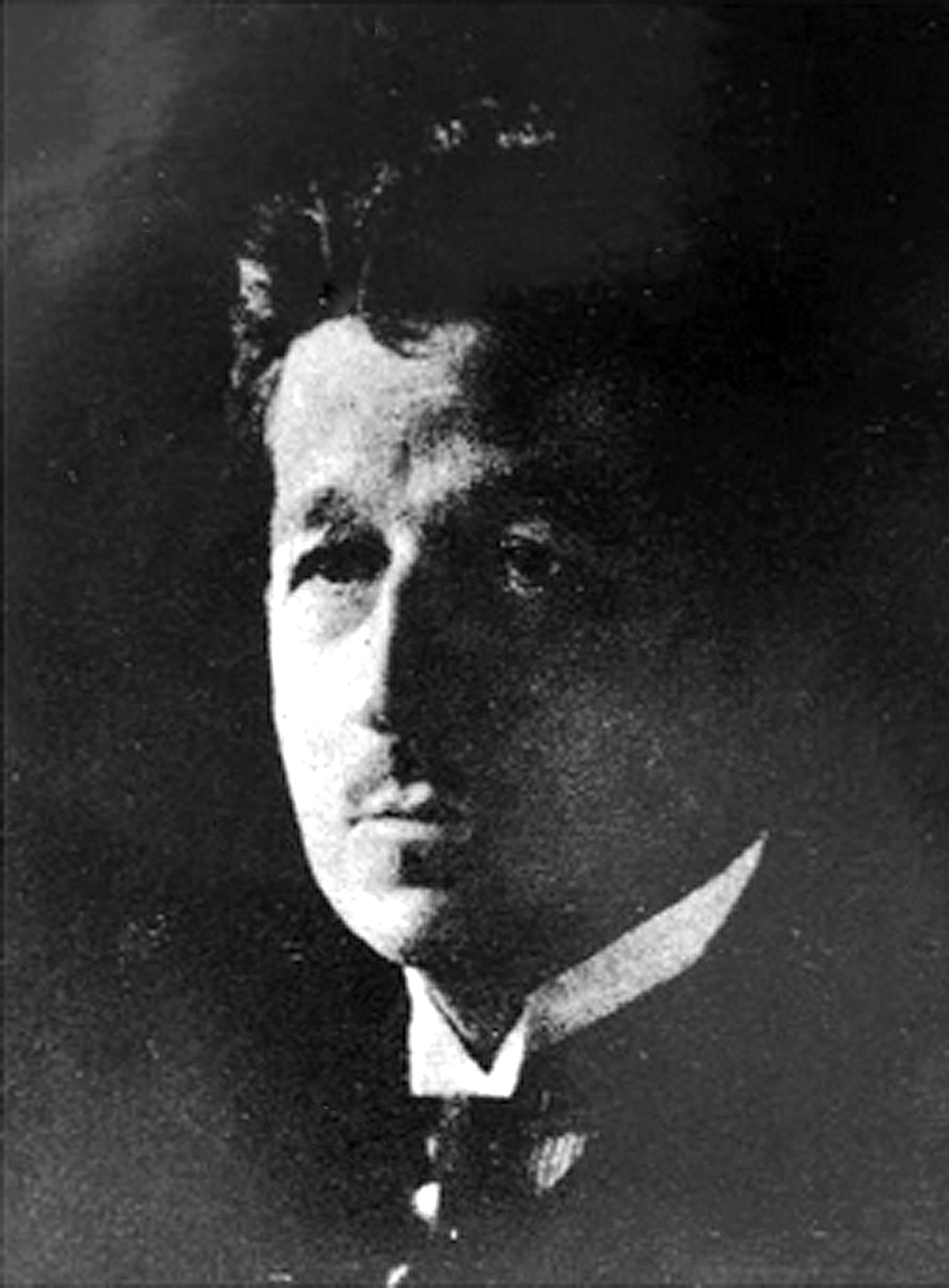
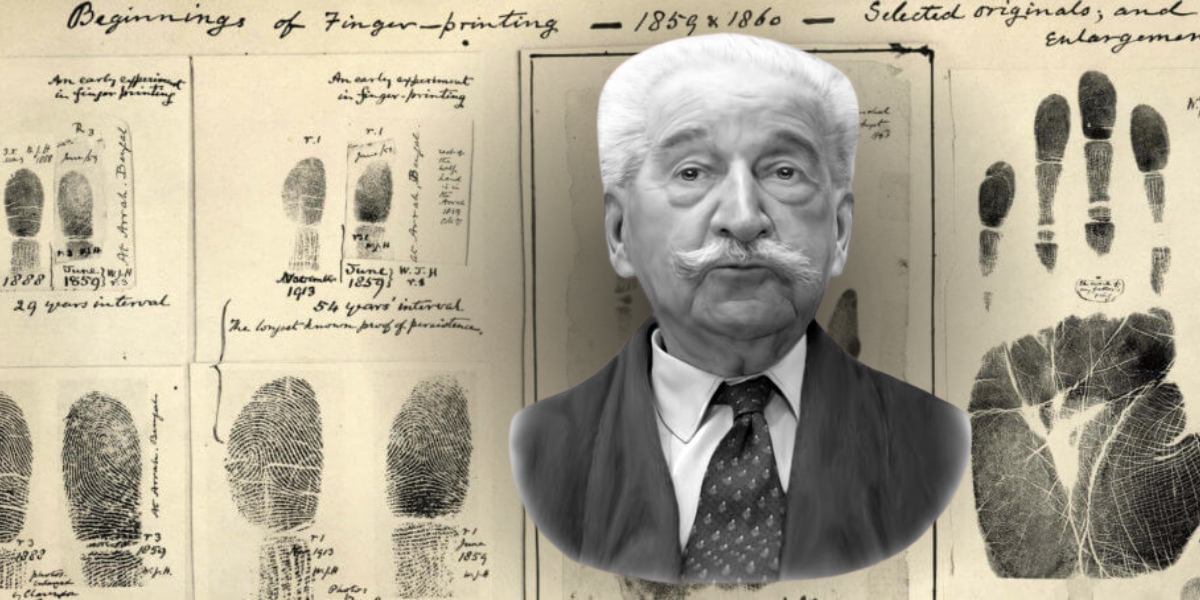
Edmond Locard, often hailed as the “Sherlock Holmes of France” and a pioneer in forensic science, laid conceptual groundwork that continues to be fundamental to investigations today. While his initial work predated the digital age and the sophisticated technologies we now take for granted, his core contributions provided the theoretical framework that necessitated and guided the development of numerous forensic technologies, software tools, and digital security practices. His most famous tenet, the “Exchange Principle,” profoundly reshaped how evidence is understood and sought, thereby driving technological innovation in criminalistics.
The Foundational Principle: Every Contact Leaves a Trace
Locard’s Exchange Principle states that whenever two objects come into contact, there is a transfer of material from one to the other. In the context of criminal investigations, this means a perpetrator will invariably leave something behind at the crime scene and take something away, even if infinitesimally small. This simple yet profound idea transformed the landscape of forensic investigation, moving it beyond mere observation to a systematic search for microscopic evidence.
From Theory to Technological Imperative
The practical application of the Exchange Principle immediately highlighted the limitations of human senses and basic tools. If “every contact leaves a trace,” then investigators needed methods and devices capable of detecting, collecting, and analyzing these often invisible or microscopic transfers. This theoretical demand spurred the development of technologies crucial for forensic science. Early advancements included improved microscopy, specialized chemical reagents for detecting blood or other fluids, and refined techniques for fingerprint collection. Over time, as Locard’s principle gained traction, the need for more sensitive, accurate, and non-destructive analytical tools became paramount, directly influencing the trajectory of forensic technology research and development.
The Digital Echoes of Contact
In the contemporary digital landscape, Locard’s principle finds a profound and often literal interpretation. Every interaction within the digital realm – sending an email, visiting a website, downloading a file, or even just powering on a device – leaves a digital “trace.” This could manifest as IP addresses, metadata, browser history, cached data, deleted file fragments, system logs, or network traffic data. The principles of digital forensics are fundamentally rooted in the concept that digital “contact” creates quantifiable and recoverable “traces.” This perspective underpins the entire field of digital security and incident response, where the objective is to either minimize unwanted traces (for privacy/security) or meticulously collect and analyze useful ones (for investigation).
Driving Forensic Technology Development
Locard’s insistence on the pervasive nature of evidence transfer catalyzed the ongoing pursuit of more sophisticated technological solutions for evidence analysis. His work provided the intellectual scaffolding upon which modern forensic laboratories are built, facilities teeming with advanced analytical instruments and specialized software.
Evolution of Physical Trace Analysis Tools
The pursuit of “traces” has pushed the boundaries of analytical chemistry and physics, leading to the development of highly sensitive instruments. Gas Chromatography-Mass Spectrometry (GC-MS), for instance, allows for the precise identification of chemical compounds from minute samples, crucial for analyzing drug residues, accelerants in arson cases, or trace chemicals on clothing. Scanning Electron Microscopy (SEM) with Energy Dispersive X-ray Spectroscopy (EDX) enables ultra-high magnification imaging and elemental analysis of trace particles like gunshot residue, paint chips, or fibers, far beyond what Locard could have imagined. DNA sequencing technology, while not directly envisioned by Locard, is the ultimate expression of his principle, allowing for individual identification from minuscule biological samples, making “leaving a trace” incredibly personal. These tools are direct technological responses to the scientific challenge posed by Locard’s concept of omnipresent evidence.
Software and AI for Pattern Recognition
The sheer volume and complexity of trace evidence generated by modern interactions, particularly digital ones, necessitate advanced computational tools. Locard’s principle implies a vast network of connections and patterns between individuals, objects, and locations. Forensic software has evolved to process and identify these patterns. Automated Fingerprint Identification Systems (AFIS) use sophisticated algorithms to compare latent prints against vast databases. Ballistic identification systems (like NIBIN) leverage digital imaging and pattern matching to link firearms to spent casings.
Furthermore, artificial intelligence (AI) is now being integrated into forensic workflows, enhancing the ability to uncover hidden connections as predicted by Locard. AI algorithms can analyze complex datasets from crime scenes, reconstruct events from fragmented evidence, and even perform predictive analysis based on patterns of criminal activity. Machine learning models are being developed to interpret handwriting, analyze voice patterns, and even sift through vast amounts of social media data to identify relevant “traces” of contact or communication. These AI tools are designed to extend human capabilities in detecting and interpreting the “transfers” Locard described.
Digital Forensics Suites and Data Recovery
The proliferation of digital devices has created a new frontier for Locard’s principle, where digital contact leaves an abundance of electronic traces. This led to the emergence of specialized digital forensics software suites (e.g., FTK, EnCase, Axiom). These powerful applications are designed to extract, analyze, and preserve digital evidence from computers, smartphones, tablets, and cloud services. They can recover deleted files, reconstruct timelines of digital activity, analyze network logs, and unearth hidden data, all based on the premise that digital interactions leave recoverable fragments—digital traces. The development of these tools is a direct technological manifestation of Locard’s concept applied to the virtual world, ensuring that even invisible digital “contact” can be made visible for investigative purposes.
Impact on Digital Security and Evidence Management
Locard’s insights also inadvertently influence how we approach digital security, not just investigations. The understanding that “every contact leaves a trace” informs the design of secure systems, audit trails, and data handling protocols.
Securing Digital Footprints
The awareness that digital actions leave persistent traces has profoundly impacted digital security practices. For individuals and organizations, minimizing their digital footprint, understanding privacy settings, and employing secure deletion methods are all attempts to control the “traces” they leave online. Conversely, cybersecurity professionals design systems with robust logging and monitoring capabilities – essentially, creating intentional and verifiable “traces” of system interactions – to detect breaches, understand attack vectors, and reconstruct security incidents. This dual perspective – preventing unwanted traces while preserving useful ones – is a direct outgrowth of the comprehensive view of evidence transfer first articulated by Locard.
Blockchain and Immutable Trace Records
Emerging technologies like blockchain offer novel ways to manage and secure evidence, aligning with the need for immutable “traces.” Blockchain’s distributed ledger technology can provide an unalterable record of evidence handling, from collection at a crime scene (physical or digital) through analysis and presentation in court. Each step can be recorded as a transaction on the blockchain, creating a verifiable chain of custody that is resistant to tampering. This ensures the integrity of the “traces” throughout the investigative process, preventing alterations and enhancing trust in the evidence. Such applications represent a cutting-edge technological response to the foundational challenge of maintaining the purity and verifiability of evidence as it moves through the forensic lifecycle.
Locard’s Legacy in Modern Forensic Science and Innovation
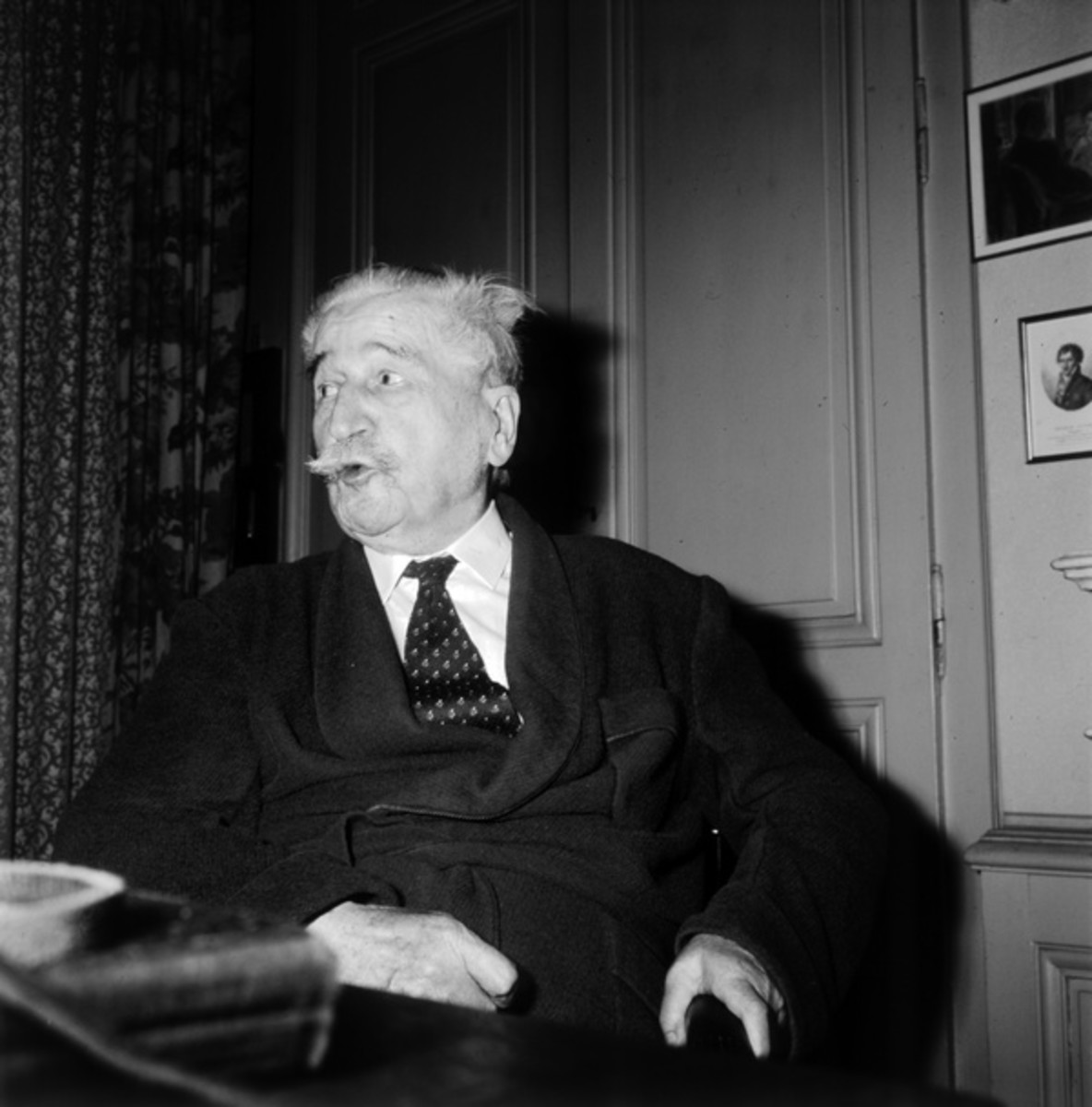
Edmond Locard’s work, though born in an era of rudimentary technology, provided a timeless conceptual framework. His principle continues to be the guiding philosophy behind modern forensic science, inspiring new technological advancements and methodologies to uncover, interpret, and manage the ubiquitous “traces” of human activity.
AI-Powered Predictive Forensics
The future of forensics, deeply rooted in Locard’s thinking, increasingly involves AI not just for analysis but for predictive capabilities. By analyzing vast datasets of crime scene characteristics, modus operandi, and trace evidence patterns, AI models can begin to predict likely offenders, hot spots for criminal activity, or even the type of “traces” that might be present in specific scenarios. This moves beyond simply finding evidence to proactively understanding its implications, extending Locard’s insight into predictive analytics driven by sophisticated computing.
Miniaturization and Portability in Evidence Collection
The drive to detect even the most minute traces has also fueled innovation in creating portable, miniaturized forensic gadgets and apps. Field-ready DNA analysis kits, handheld spectroscopic devices, and mobile forensic apps for on-scene data extraction allow investigators to apply Locard’s principle more immediately and effectively at the point of contact. These technological advances bring sophisticated analytical power to the crime scene, ensuring that fleeting or fragile traces are captured before they are lost or degraded, embodying the spirit of Locard’s urgent message about the persistence of evidence.
In essence, Edmond Locard’s contributions transcend their historical context. His foundational principle didn’t just explain how evidence works; it created an enduring imperative for technology to catch up, leading to the development of increasingly sophisticated tools, software, and digital security measures that define modern forensic science.
aViewFromTheCave is a participant in the Amazon Services LLC Associates Program, an affiliate advertising program designed to provide a means for sites to earn advertising fees by advertising and linking to Amazon.com. Amazon, the Amazon logo, AmazonSupply, and the AmazonSupply logo are trademarks of Amazon.com, Inc. or its affiliates. As an Amazon Associate we earn affiliate commissions from qualifying purchases.