
In the fiercely competitive landscape of modern business, a brand’s most invaluable asset is its reputation. From nascent startups to multinational conglomerates, an unblemished public image underpins market trust, customer loyalty, and long-term financial viability. However, in an age of instantaneous digital communication and pervasive social media, reputation is also incredibly vulnerable. False statements, malicious rumors, and unsubstantiated accusations can spread globally in moments, posing existential threats to carefully cultivated brands and personal identities. Understanding “what constitutes defamation of character” is no longer just a legal academic exercise; it’s a fundamental pillar of brand strategy and risk management. For any entity, from a Fortune 500 company to an individual building a personal brand, discerning the line between legitimate criticism and actionable defamation is crucial for both protection and responsible communication.
The Imperative of Brand Reputation in the Digital Age
The digital revolution has amplified the significance and fragility of brand reputation. Gone are the days when a negative news report might be confined to a regional newspaper. Today, a single tweet or an unfounded blog post can spiral into a global crisis, impacting stock prices, consumer confidence, and employee morale.
Defining Reputation in a Brand Context
For a brand, reputation is the collective perception held by its stakeholders—customers, employees, investors, partners, and the general public. It’s built on trust, quality, reliability, ethical conduct, and perceived value. A strong brand reputation can command premium pricing, attract top talent, and weather market fluctuations. Conversely, a damaged reputation can lead to boycotts, sales declines, investor flight, and insurmountable public relations challenges. Personal branding, equally vital, mirrors this dynamic for individuals, affecting career opportunities, professional credibility, and earning potential.
The Velocity of Information and Reputational Risk
The internet’s architecture, characterized by its speed, reach, and permanence, means that reputational threats can emerge from anywhere and persist indefinitely. User-generated content, online reviews, social media discussions, and citizen journalism have democratized publishing, blurring the lines between verified news and speculative commentary. While this offers unprecedented opportunities for authentic engagement, it also creates fertile ground for misinformation and outright defamation, making reputation management a perpetual, proactive endeavor. Brands must be constantly vigilant, monitoring online sentiment and prepared to act swiftly when their character or integrity is unjustly attacked.
Understanding Defamation of Character: A Brand Perspective
From a brand strategy standpoint, defamation of character refers to false statements that harm the reputation of a brand, a company’s leadership, or individuals associated with it. While often perceived as a personal injury, the legal principles extend directly to corporate entities and their public image.
Key Elements of Defamation
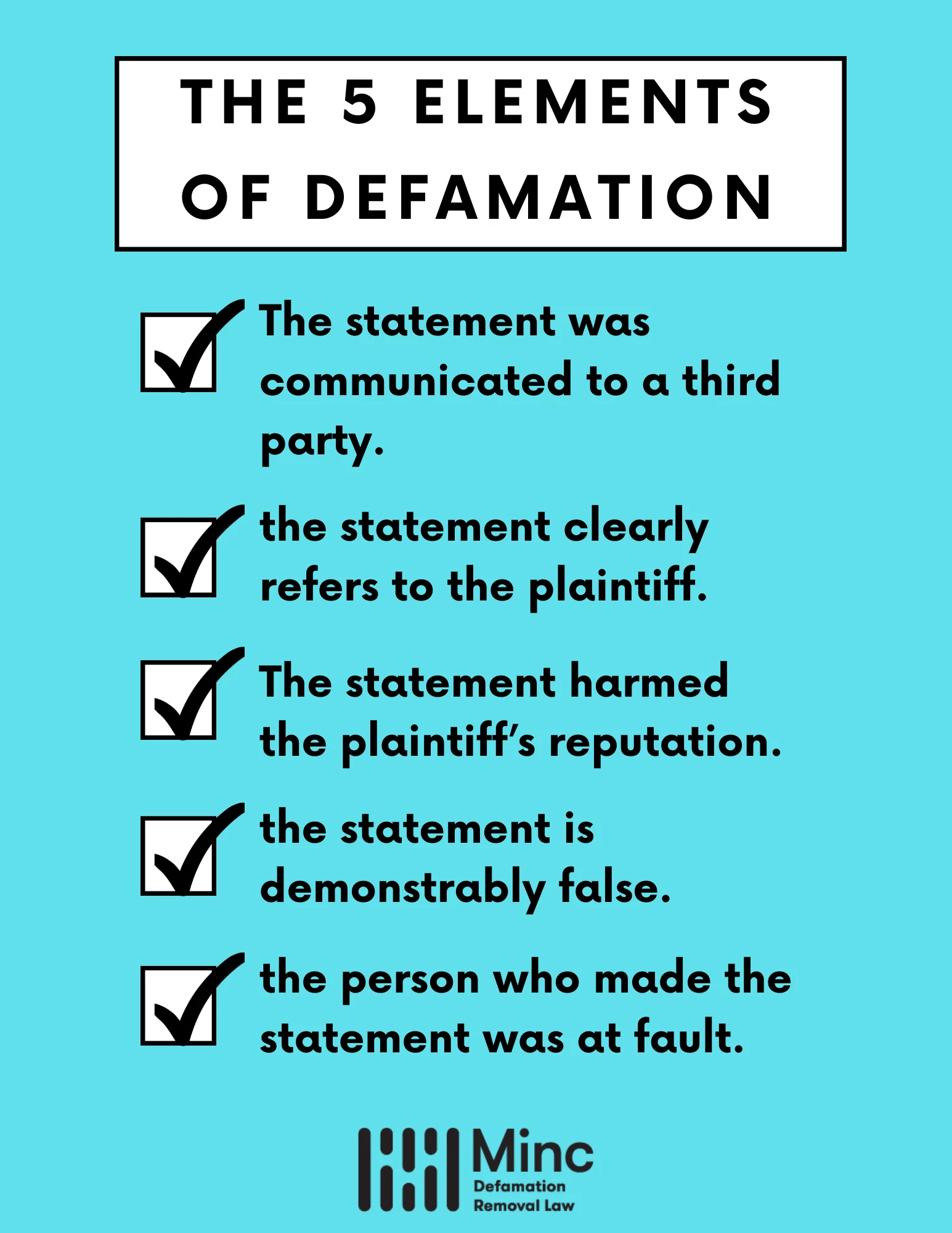
To legally prove defamation, several core elements typically must be established, regardless of whether the subject is a person or a brand:
- A False Statement of Fact: The statement must be presented as a fact, not merely an opinion, and it must be untrue. For example, stating “Brand X’s product is poorly designed” is an opinion. Stating “Brand X’s product contains lead after official tests proved otherwise” is a statement of fact that, if false, could be defamatory. The falsity is paramount; truthful but damaging statements are not defamatory.
- Publication: The false statement must have been communicated to a third party. This is easily met in the digital age, where a single post can reach millions. Whether it’s spoken (slander) or written (libel), the act of sharing with others is key.
- Identification: The statement must clearly identify or be “of and concerning” the specific brand, company, or individual. If a statement about “a well-known tech company” is too vague, it may not meet this criterion. However, if context makes the identity clear (e.g., “the company known for its electric vehicles”), it could suffice.
- Harm to Reputation: The statement must cause actual harm to the brand’s reputation. This can manifest as lost sales, decreased market share, damage to goodwill, or negative perceptions among consumers and investors. Quantifying this damage is often a critical part of a defamation claim.
- Fault: The person making the statement must have acted with a certain level of fault. For private figures or brands, this typically means negligence (they should have known the statement was false). For public figures (e.g., a CEO widely known) or public brands, the standard is higher: “actual malice,” meaning the speaker knew the statement was false or acted with reckless disregard for the truth.
Slander vs. Libel: Distinguishing the Forms
Defamation is broadly categorized into two forms:
- Slander: Spoken defamation. This includes verbal accusations made in person, during broadcasts (though broadcast defamation is often treated as libel due to its reach and prepared nature), or in unrecorded speeches. Slander is generally harder to prove due to its ephemeral nature and the difficulty in documenting exact words and their dissemination.
- Libel: Written or published defamation. This includes statements made in print (newspapers, magazines), online (websites, blogs, social media posts, emails, online reviews), images, or any other fixed medium. Libel is generally considered more damaging because of its permanence and wider reach, making it easier to prove. Most modern brand defamation cases fall under libel.
The “Of and Concerning” Requirement for Brands

When dealing with brand defamation, the “of and concerning” requirement is crucial. A statement might target a company’s product (“Brand X’s new widget is faulty”), its business practices (“Brand Y engages in unethical sourcing”), or its leadership (“CEO Z is corrupt”). Each of these, if false and damaging, can be defamatory to the brand itself. Sometimes, the defamation might target an individual employee, but the context implies broader criticism of the brand’s culture or operations, thus bringing the brand into the scope of the defamatory claim.
Defending Your Brand Against Defamation
Proactive measures and swift, strategic responses are vital for any brand facing defamatory attacks. Effective defense requires a multi-pronged approach combining legal understanding with robust communication and public relations strategies.
Proactive Reputation Management
Prevention is always better than cure. Brands should invest in:
- Social Listening and Monitoring: Tools and teams dedicated to tracking online mentions, sentiment, and potential threats across social media, news sites, forums, and review platforms. Early detection allows for rapid response.
- Strong Brand Guidelines and Messaging: Clearly articulated values and consistent brand messaging help build a resilient reputation that is harder to undermine with isolated false claims.
- Engaged Community Management: Building a loyal community around a brand can create a powerful defense mechanism, as advocates often step forward to counter misinformation.
- Transparency and Authenticity: A brand that is open, honest, and accountable in its dealings builds trust, which acts as a buffer against baseless attacks.
Legal Avenues for Redress
When a defamatory statement is identified, legal action can be a necessary, albeit often a last resort, step.
- Cease and Desist Letters: A formal letter from legal counsel demanding the immediate removal of the defamatory content and a cessation of further false statements. This often resolves minor issues without litigation.
- Takedown Requests: For online content, brands can request platforms (e.g., social media sites, search engines) to remove defamatory material, though legal grounds or court orders may be required.
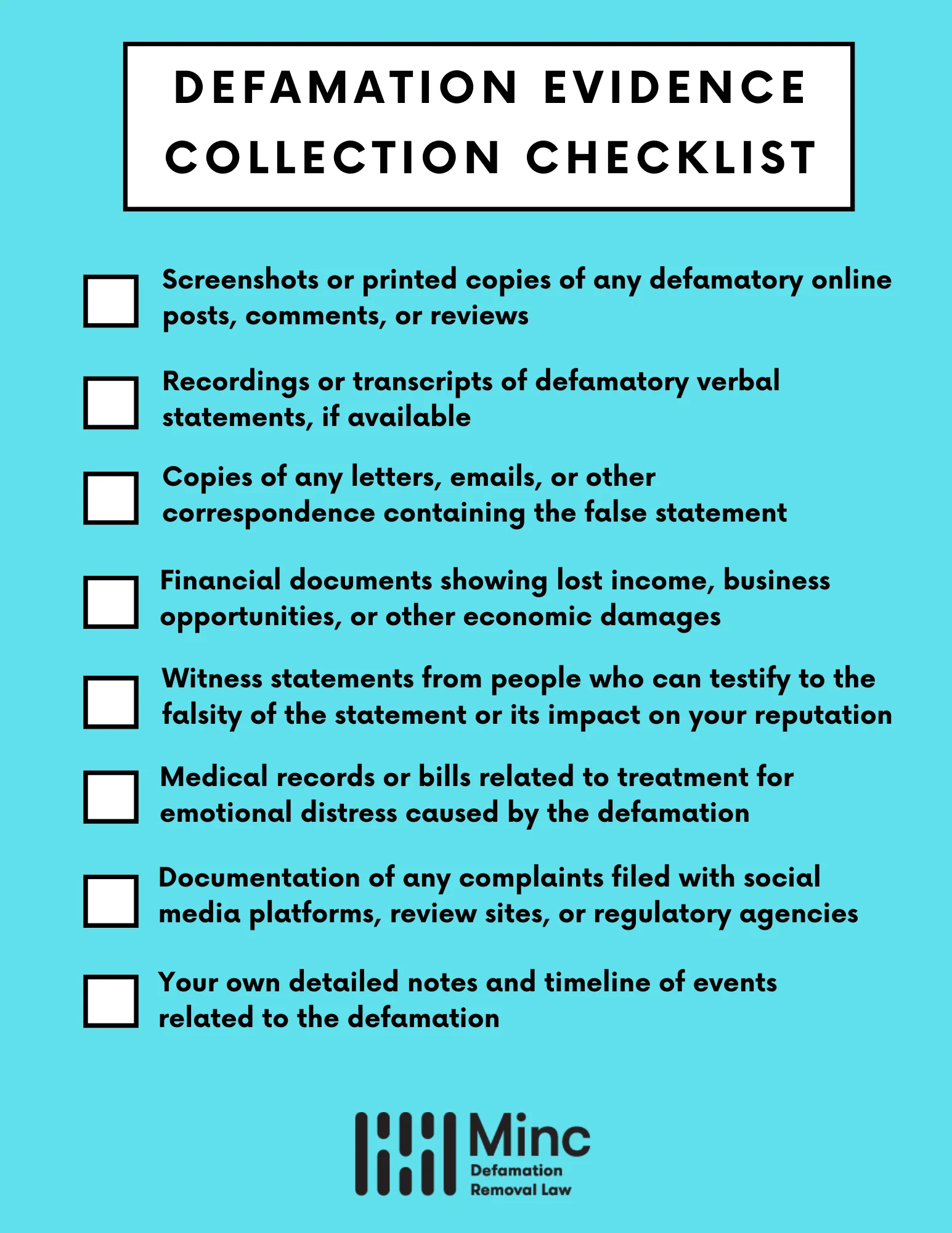
- Defamation Lawsuits: If the harm is significant and other measures fail, a brand may file a lawsuit seeking damages for reputational harm, lost profits, and legal costs. The goal is not only monetary compensation but also often a court order to permanently remove the content and prevent its re-publication.
- Strategic Lawsuits Against Public Participation (SLAPP) Laws: It’s important to be aware of anti-SLAPP laws in many jurisdictions, which protect free speech by allowing defendants to quickly dismiss lawsuits brought to silence criticism. This means brands must ensure their defamation claims are legitimate and not merely an attempt to suppress negative (but truthful) commentary.
The Role of Public Relations and Crisis Communication
Legal action alone is often insufficient. A robust PR and crisis communication strategy is paramount:
- Swift and Decisive Response: Acknowledging the issue internally and externally (if appropriate) with clear, factual information can prevent speculation and further damage.
- Controlled Messaging: Centralizing communication to ensure a consistent, on-brand message across all channels.
- Demonstrating Integrity: Actions speak louder than words. If a brand is accused of wrongdoing, demonstrating corrective action or an investigation can mitigate reputational harm.
- Leveraging Positive Content: Proactively promoting positive stories, achievements, and customer testimonials can help dilute the impact of negative narratives.
Navigating the Ethical Line: Avoiding Defamation in Brand Communications
While protecting one’s own brand from defamation, it’s equally crucial for brands to ensure their own marketing, advertising, and public communications do not inadvertently defame competitors or individuals. Aggressive marketing tactics can sometimes cross into legally perilous territory.
Fact-Checking and Verification
Every claim made about competitors, industry practices, or even one’s own products should be rigorously fact-checked and substantiated. Marketers must ensure that comparative advertising is truthful and can be backed by verifiable data. Making unsubstantiated negative claims about a rival’s product or service can quickly lead to a defamation lawsuit.
The Importance of Context and Intent
Consider the potential interpretations of your brand’s messaging. While humor or satire might be intended, if it can reasonably be perceived as a false statement of fact that harms another’s reputation, it could lead to legal challenges. Brands must foster a culture of ethical communication, prioritizing truth and accuracy in all public statements to build trust and avoid becoming embroiled in legal battles that can themselves damage reputation. The ultimate goal is to foster a competitive yet fair market where brands thrive on merit, not on the destruction of another’s character.
aViewFromTheCave is a participant in the Amazon Services LLC Associates Program, an affiliate advertising program designed to provide a means for sites to earn advertising fees by advertising and linking to Amazon.com. Amazon, the Amazon logo, AmazonSupply, and the AmazonSupply logo are trademarks of Amazon.com, Inc. or its affiliates. As an Amazon Associate we earn affiliate commissions from qualifying purchases.