
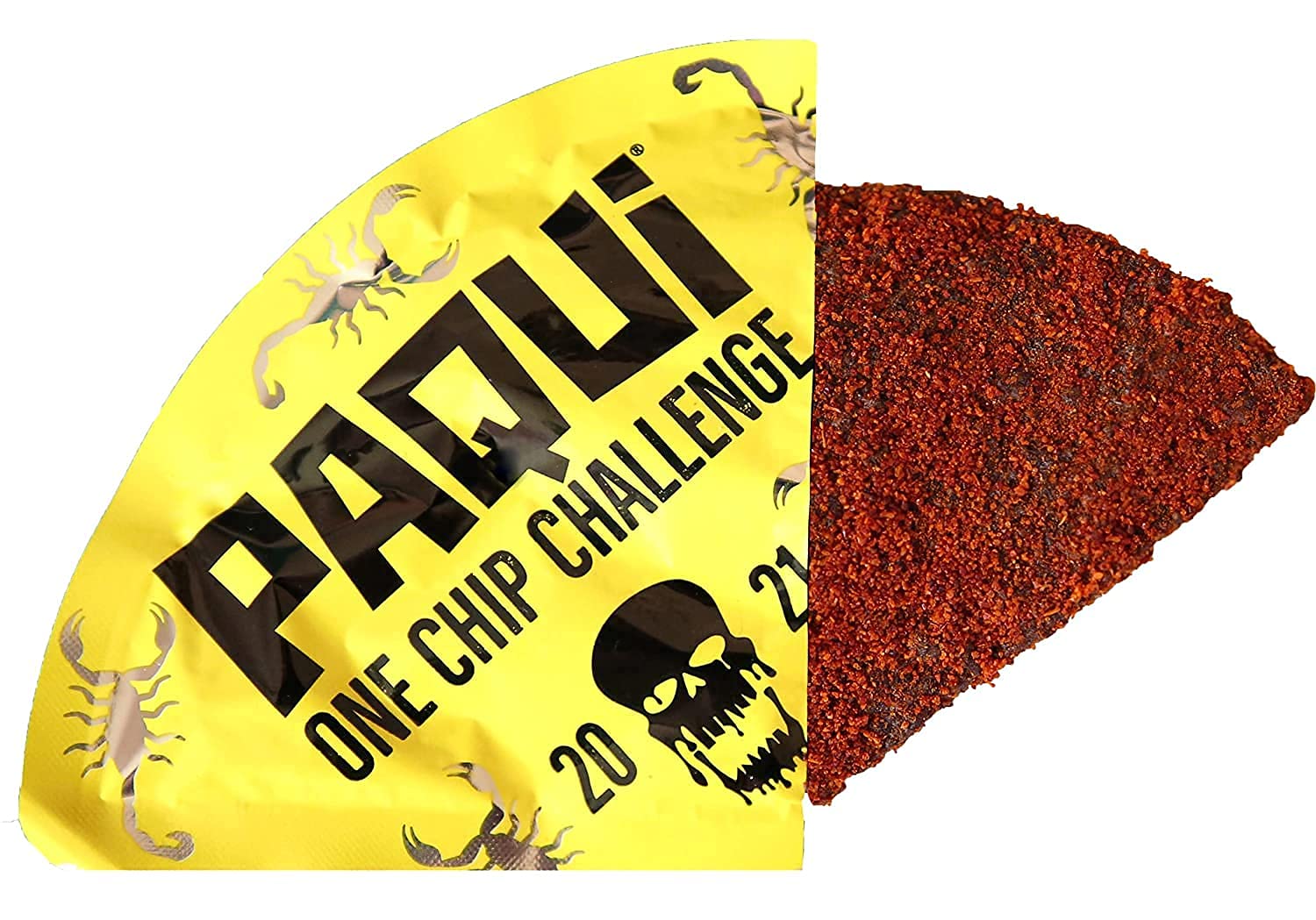
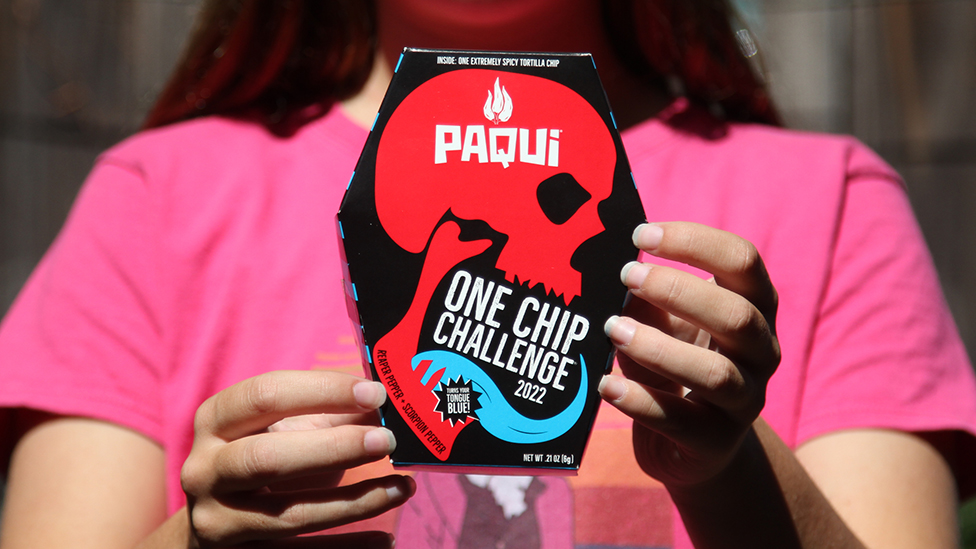
The “One Chip Challenge” has become a cultural touchstone, a viral internet sensation that transcends mere snack food to become a masterclass in modern brand strategy. At its core, the product behind this phenomenon is the Paqui Carolina Reaper chip, a singular, intensely hot tortilla chip packaged in an eye-catching, coffin-shaped box. But to simply identify the chip is to miss the profound branding and marketing brilliance that transformed a spicy snack into a global challenge, a litmus test of endurance, and a powerful case study in leveraging consumer behavior for unparalleled brand visibility.
The Anatomy of a Viral Brand Phenomenon
The Paqui One Chip Challenge is far more than an edible item; it is a meticulously engineered brand experience. Understanding its identity requires dissecting the strategic choices that propelled it from a niche product to a household name, synonymous with extreme heat and social media virality.
Identifying the Brand: Paqui’s Bold Proposition
Paqui, a brand owned by Amplify Snack Brands (a subsidiary of The Hershey Company), specializes in crafting unique and bold tortilla chips. While their broader product line includes a range of spicy and flavorful options, the One Chip Challenge stands alone as their flagship experiential offering. The brand’s identity for this particular product hinges on an extreme proposition: can you withstand the heat of the world’s hottest peppers concentrated into a single chip? This audacious question forms the very foundation of its branding, positioning Paqui not just as a chip maker, but as an arbiter of culinary courage. The packaging itself, a striking black coffin with vibrant, menacing graphics, communicates the product’s intensity and the “danger” inherent in the challenge, reinforcing a clear, uncompromising brand message.
More Than a Snack: Crafting an Experience
What Paqui ingeniously realized is that in today’s experience economy, consumers often seek more than just a product; they desire an immersive, memorable event. The One Chip Challenge transforms the simple act of eating a chip into a high-stakes performance. It comes with rules, implicit and explicit: eat the chip, record your reaction, and try to last as long as possible without relief. This structured experience elevates the chip from a mere food item to a prop in a personal drama. This experiential branding is critical because it moves beyond taste or texture and taps directly into primal human emotions: fear, bravado, competition, and the desire for social recognition. By providing the framework for an “event,” Paqui cemented the chip’s status as a brand that delivers not just heat, but an unforgettable, shareable narrative.
Marketing Genius: Leveraging Scarcity and Social Proof
The success of the Paqui One Chip Challenge is a testament to exceptionally shrewd marketing strategies that tapped into contemporary digital culture and consumer psychology. Its meteoric rise was not accidental but the result of carefully orchestrated brand mechanics.
The Limited Edition Strategy: Driving Urgency
A key element of Paqui’s marketing for the One Chip Challenge is its annual, limited-edition release. This deliberate scarcity creates immense demand and a sense of urgency among consumers. Unlike permanently available products, the One Chip Challenge’s finite window of availability transforms it into a coveted item, fueling anticipation and ensuring rapid sell-through. This strategy is a classic marketing tactic, but it’s particularly potent in the age of social media where “fear of missing out” (FOMO) is a powerful motivator. Consumers feel compelled to participate before the opportunity vanishes, creating a cycle of hype and demand that traditional, mass-produced items rarely achieve. It makes each purchase feel like access to an exclusive club, enhancing the perceived value of the product and the brand.
User-Generated Content: The Engine of Virality
Perhaps the most brilliant aspect of the One Chip Challenge’s marketing is its reliance on user-generated content (UGC). The very nature of the challenge encourages individuals to record their reactions and share them across platforms like YouTube, TikTok, and Instagram. These unscripted, often dramatic, and highly entertaining videos serve as organic, authentic endorsements that are far more persuasive than traditional advertisements. Each video acts as free marketing, expanding the challenge’s reach exponentially without direct advertising spend. This strategy harnesses the power of social proof; seeing countless others undertake and react to the challenge incentivizes new participants to join, creating a self-sustaining viral loop. It democratizes marketing, turning every consumer into a potential brand ambassador.
Harnessing Fear and Exclusivity
The brand taps into primal emotions. The challenge is inherently intimidating, invoking a sense of fear and apprehension. Yet, it simultaneously offers an exclusive badge of honor to those who complete it. This duality—fear combined with the allure of exclusivity—is a powerful psychological driver. Successfully enduring the One Chip Challenge becomes a form of social currency, allowing individuals to demonstrate their resilience, bravado, or even just their willingness to participate in a cultural phenomenon. This positioning as an exclusive, high-stakes endeavor resonates particularly well with younger, digitally native audiences who are constantly seeking unique experiences to share and differentiate themselves.
Brand Impact and Public Perception
The Paqui One Chip Challenge has undeniably left a significant mark on both the brand landscape and public consciousness, offering valuable insights into the opportunities and challenges of extreme experiential branding.
Building Brand Awareness Through High-Stakes Engagement
The sheer virality of the One Chip Challenge has catapulted Paqui into a level of brand awareness that would be prohibitively expensive to achieve through conventional advertising alone. The brand is now inextricably linked with extreme heat and bold innovation, qualities that resonate throughout its broader product portfolio. By creating a product that is inherently shareable and discussion-worthy, Paqui has ensured its brand name is constantly circulating in digital and real-world conversations. This high-stakes engagement strategy fosters deep brand recall and a distinct brand personality, setting it apart in a crowded snack market. The consistent annual renewal of the challenge reinforces this identity, solidifying Paqui’s position as a brand that dares to push boundaries.
Navigating Controversy and Brand Responsibility
The immense popularity of the One Chip Challenge has not been without its challenges. The extreme heat of the chip has, on occasion, led to reports of adverse reactions, prompting discussions around product safety and brand responsibility. This highlights a critical tightrope walk for brands that dabble in extreme experiences: how to maintain the edgy, thrilling aspects of their identity while ensuring consumer safety and managing public perception. Paqui and retailers have responded by implementing stronger disclaimers and age restrictions, demonstrating a reactive approach to mitigate potential harm and protect their brand image. These incidents serve as crucial case studies in how brands must balance marketing innovation with ethical considerations, especially when a product’s core appeal lies in its intensity.
The Ephemeral Nature of Trend-Driven Branding
While incredibly successful, the One Chip Challenge also illustrates the inherently ephemeral nature of trend-driven branding. Its reliance on viral cycles and social media trends means its peak popularity is tied to fleeting internet culture. Brands that leverage such strategies must continuously innovate and adapt to maintain relevance. For Paqui, this means evolving the challenge each year, often introducing new, even hotter pepper combinations to keep the novelty alive. This constant reinvention is essential to prevent brand fatigue and ensure that the “challenge” remains challenging and engaging for a new generation of consumers, recognizing that yesterday’s viral sensation can quickly become today’s forgotten fad.
Lessons for Modern Brand Strategy
The Paqui One Chip Challenge offers invaluable takeaways for contemporary brand strategists looking to cut through the noise and create memorable, impactful connections with consumers.
Authenticity and Novelty as Cornerstones
The success of the One Chip Challenge underscores the power of authenticity and novelty in brand building. Consumers are increasingly drawn to brands that offer genuine, unique experiences rather than generic products. Paqui’s commitment to creating the “hottest chip” and packaging it as a daring challenge felt authentic to its “bold” brand identity. The novelty of a single, intensely hot chip, rather than a bagful, immediately differentiates it. Brands seeking to capture attention should prioritize innovation that creates genuinely new experiences or perspectives, rather than simply iterating on existing concepts. This commitment to distinctiveness is a powerful driver of consumer interest and brand loyalty.
The Power of Community and Shared Experience
The One Chip Challenge brilliantly leveraged the human desire for community and shared experience. By creating a challenge that naturally lends itself to social sharing and collective participation, Paqui fostered a de facto community around its product. This community, fueled by peer-to-peer engagement and user-generated content, became a powerful engine for brand advocacy. Modern brands must recognize that facilitating community and shared experiences around their products can create far more enduring connections than traditional advertising alone. Enabling consumers to be part of something larger than themselves, to participate in a shared narrative, transforms passive consumption into active engagement.

Adapting to Evolving Consumer Behavior
Finally, the One Chip Challenge is a masterclass in adapting to evolving consumer behavior, particularly the rise of digital natives who prioritize experiences, social sharing, and authenticity. Paqui didn’t just sell a chip; it sold a moment, a challenge, a piece of content. Brands must deeply understand how their target audience interacts with the world, consumes media, and forms opinions. By designing products and campaigns that intrinsically align with these behaviors—such as the inherent shareability and meme-worthiness of the challenge—brands can achieve unparalleled resonance and virality in an increasingly fragmented media landscape. The lesson is clear: meet consumers where they are, on their terms, and offer them more than just a product – offer them an experience worth talking about.
aViewFromTheCave is a participant in the Amazon Services LLC Associates Program, an affiliate advertising program designed to provide a means for sites to earn advertising fees by advertising and linking to Amazon.com. Amazon, the Amazon logo, AmazonSupply, and the AmazonSupply logo are trademarks of Amazon.com, Inc. or its affiliates. As an Amazon Associate we earn affiliate commissions from qualifying purchases.