
The journey of an immigrant to the United States is often fraught with a complex array of obstacles, many of which are fundamentally economic and financial in nature. While cultural adaptation, language barriers, and legal complexities are significant, the ability to secure financial stability and integrate into the U.S. economic system often underpins an immigrant’s overall success and well-being. From the moment they arrive, immigrants confront a new financial landscape that demands rapid understanding and adaptation, often without the foundational support systems available to native-born citizens.
Economic Integration and Employment Barriers
One of the most immediate and pervasive financial challenges for immigrants is securing stable, well-paying employment that matches their skills and experience. The U.S. labor market, while dynamic, presents unique hurdles that can impede rapid economic integration.
Navigating a New Job Market
Immigrants often arrive with diverse professional backgrounds, educational qualifications, and work experiences. However, these credentials may not be immediately recognized or valued in the U.S. context. For instance, foreign degrees may require costly and time-consuming evaluation and equivalency processes. Professional licenses from other countries often do not transfer, necessitating re-certification or re-training, which can be expensive and delay entry into higher-paying professions. Network building, a critical component of job searching in the U.S., is also a significant hurdle; new arrivals lack established professional connections, placing them at a disadvantage. Many also face the challenge of understanding U.S. resume formats, interview etiquette, and job search platforms, which differ from those in their home countries. This can lead to prolonged periods of unemployment or underemployment.
Wage Disparities and Underemployment
Even when immigrants secure employment, they frequently face wage disparities and underemployment. Many highly skilled immigrants are forced to take jobs below their skill level or educational attainment to make ends meet, a phenomenon often referred to as “brain waste.” This can be due to a lack of recognized U.S. work experience, language proficiency issues, or outright discrimination. These lower-wage jobs often come with fewer benefits, such as health insurance or retirement plans, further exacerbating financial vulnerability. This underemployment not only impacts their immediate earning potential but also hinders their ability to build wealth, save for the future, or move into more financially rewarding careers over time. The economic impact of lost potential wages for both the individual and the broader economy is substantial.
Financial System Accessibility and Management
The U.S. financial system, with its complex web of banking, credit, and investment opportunities, can be daunting for newcomers. Establishing a financial footprint is critical for everyday living and long-term financial health, yet it presents numerous obstacles.
Establishing Credit and Banking Relationships
A foundational challenge is the lack of a credit history in the U.S. Without a credit score, immigrants find it difficult to rent apartments, secure loans for education or entrepreneurship, finance vehicles, or even obtain basic services. Building credit from scratch is a slow process, often requiring them to rely on secured credit cards, co-signers, or informal lending networks that may have higher interest rates. Opening bank accounts can also be challenging without recognized forms of identification or a stable address, forcing some to rely on cash or expensive check-cashing services. This exclusion from mainstream financial institutions limits their ability to manage money efficiently, save securely, and access financial products designed to build wealth.
Remittances and International Money Transfers
Many immigrants have strong financial ties to their home countries, often sending remittances to support family members. While essential for global development and poverty reduction in origin countries, the process of sending money internationally can be costly. High transfer fees, unfavorable exchange rates, and a lack of transparency in some services can erode a significant portion of the funds intended for their families. While digital remittance services have emerged, not all immigrants have access to or trust in these platforms, especially those from communities with limited digital literacy or access to technology. Navigating these systems efficiently without incurring excessive costs is a persistent financial challenge.
Vulnerability to Predatory Financial Services
Due to difficulties accessing mainstream financial services, some immigrants become vulnerable to predatory lenders and alternative financial services. These can include high-interest payday loans, title loans, and pawn shops, which offer quick access to cash but trap borrowers in cycles of debt due to exorbitant fees and interest rates. Unregulated money transfer services or informal lenders can also exploit the lack of financial literacy or trust in formal institutions. The absence of consumer protections and the fear of reporting issues due to immigration status can further exacerbate this vulnerability, leading to significant financial losses and hardship.

Cost of Living and Housing Affordability
The cost of living in the United States, particularly in urban centers where many immigrants settle, poses a substantial financial burden, with housing being a primary concern.
High Urban Costs and Rental Hurdles
Immigrants often gravitate towards cities and metropolitan areas due to better job prospects and existing community networks. However, these areas typically have the highest rents and overall living expenses. Securing housing is a significant challenge, not only due to high costs but also because of the aforementioned lack of credit history, absence of a U.S. rental history, and sometimes a lack of a social security number or stable employment proof. Landlords may require larger security deposits, multiple months’ rent upfront, or a co-signer, placing an immense financial strain on new arrivals. Overcrowding in housing becomes a common coping mechanism, leading to less than ideal living conditions but helping to pool resources to meet high rental demands.
Impact on Savings and Long-term Stability
The high cost of living, coupled with often lower initial wages, makes saving money incredibly difficult for immigrants. After covering basic necessities like rent, food, and transportation, little may remain for emergency funds, retirement planning, or investment in their children’s education. This lack of savings can perpetuate financial precarity, leaving them vulnerable to unexpected expenses, job loss, or medical emergencies. Without a financial buffer, upward mobility is stunted, and achieving long-term financial stability and wealth accumulation becomes a distant goal, impacting generational wealth building and economic resilience.
Entrepreneurship and Business Finance Hurdles
Many immigrants are highly entrepreneurial, viewing business ownership as a pathway to economic independence and self-sufficiency. However, starting and growing a business in the U.S. presents its own set of financial challenges.
Access to Capital and Business Loans
Securing capital is a universal hurdle for new businesses, but it is particularly acute for immigrants. Traditional banks often require extensive credit history, collateral, and established business plans with demonstrable cash flow, which new immigrant entrepreneurs may lack. This forces many to rely on personal savings, loans from family and friends, or higher-interest alternative lenders. Microfinance institutions and community development financial institutions (CDFIs) play a crucial role in filling this gap, but their reach is not universal. The inability to access affordable credit limits their ability to scale operations, invest in equipment, or expand their workforce, thereby constraining their economic contribution.
Understanding U.S. Tax and Regulatory Systems
The U.S. tax system and business regulatory environment are complex, and navigating them can be a significant financial challenge for immigrant entrepreneurs. Misunderstandings about income tax, sales tax, payroll taxes, and various licensing and permit requirements can lead to penalties, fines, and even business failure. The cost of professional accounting and legal advice can be prohibitive for small, nascent businesses. Without proper guidance, businesses may inadvertently fall out of compliance, incurring unexpected financial burdens and diverting resources from growth and operational stability.
Healthcare Costs and Financial Strain
While often viewed as a health challenge, the financial implications of healthcare in the U.S. are profound and represent a major source of economic insecurity for many immigrants.

Navigating Insurance and Medical Expenses
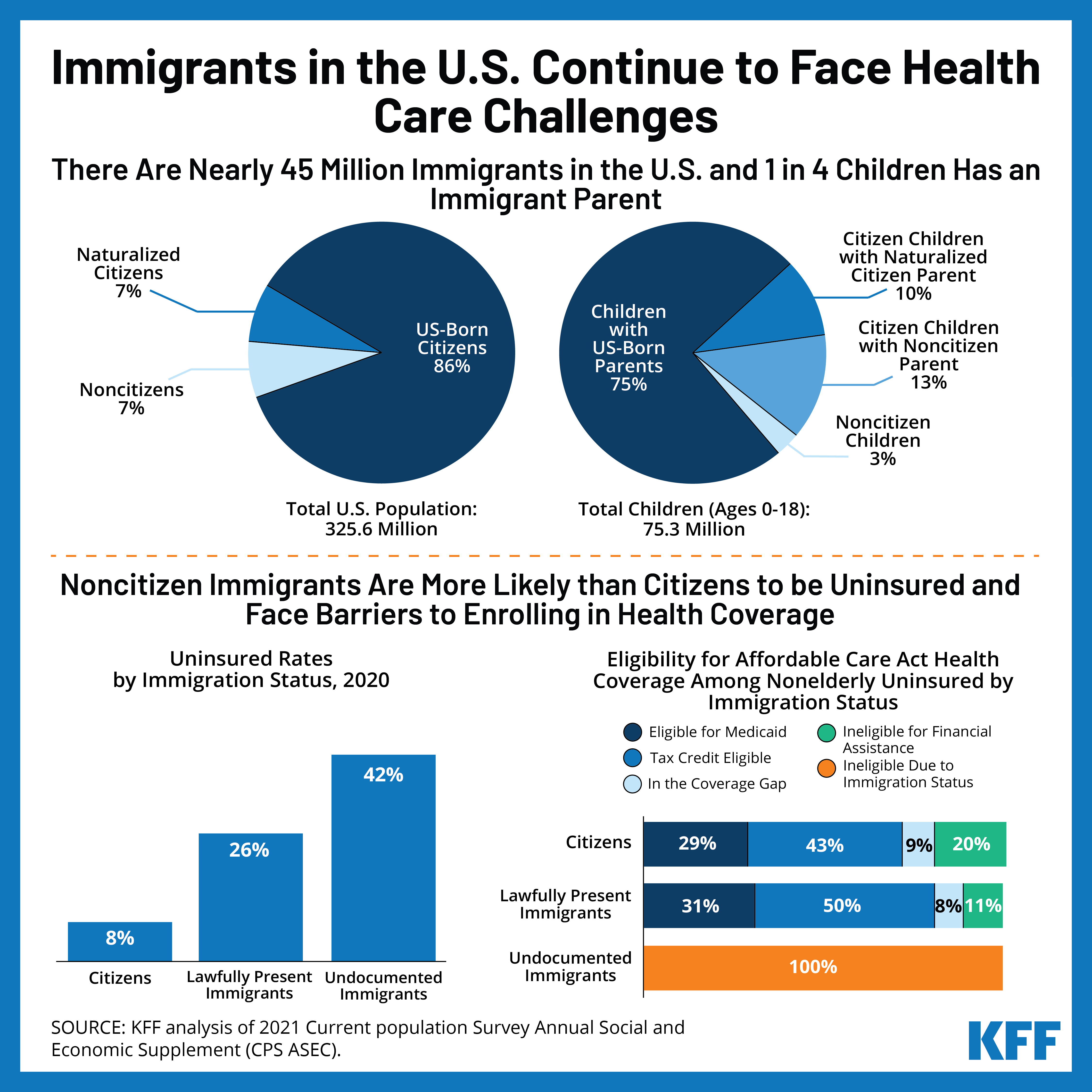
The U.S. healthcare system is notoriously expensive, and access to affordable health insurance is a significant barrier. Many immigrants, particularly those in low-wage jobs, may not receive employer-sponsored health insurance. Eligibility for government-subsidized programs like Medicaid or ACA marketplace subsidies can be complex and dependent on immigration status and length of residency. Without insurance, routine medical care, prescription drugs, and especially emergency services can lead to catastrophic medical debt, wiping out savings and plunging families into poverty. Fear of medical debt can deter immigrants from seeking necessary care, leading to worse health outcomes and potentially higher costs down the line. The financial burden of managing chronic conditions or unexpected illnesses can be insurmountable, impacting their ability to work and further contributing to economic instability.
In conclusion, the financial challenges confronting immigrants in the United States are multifaceted and deeply interconnected. Addressing these issues requires a comprehensive approach that recognizes the unique circumstances of immigrant populations, fostering their integration into the U.S. financial system, and providing pathways to economic stability and prosperity. Only by overcoming these significant financial hurdles can immigrants fully realize their potential and contribute to the nation’s economic fabric.
aViewFromTheCave is a participant in the Amazon Services LLC Associates Program, an affiliate advertising program designed to provide a means for sites to earn advertising fees by advertising and linking to Amazon.com. Amazon, the Amazon logo, AmazonSupply, and the AmazonSupply logo are trademarks of Amazon.com, Inc. or its affiliates. As an Amazon Associate we earn affiliate commissions from qualifying purchases.