
The story of Chris McCandless, widely known through Jon Krakauer’s “Into the Wild,” is often interpreted through lenses of adventure, rebellion, and philosophical pursuit. Yet, beneath the surface of his journey lies a fascinating, albeit unconventional, financial narrative, particularly concerning his most significant material possession: his car. The vehicle in question was a yellow 1982 Datsun B210, a seemingly unremarkable sedan that became a pivotal financial asset—and ultimately, a calculated financial forfeiture—in his odyssey towards self-sufficiency and detachment from consumerism. Examining McCandless’s Datsun through a financial lens offers unique insights into asset management, the true cost of ownership, and the profound implications of intentional divestment.
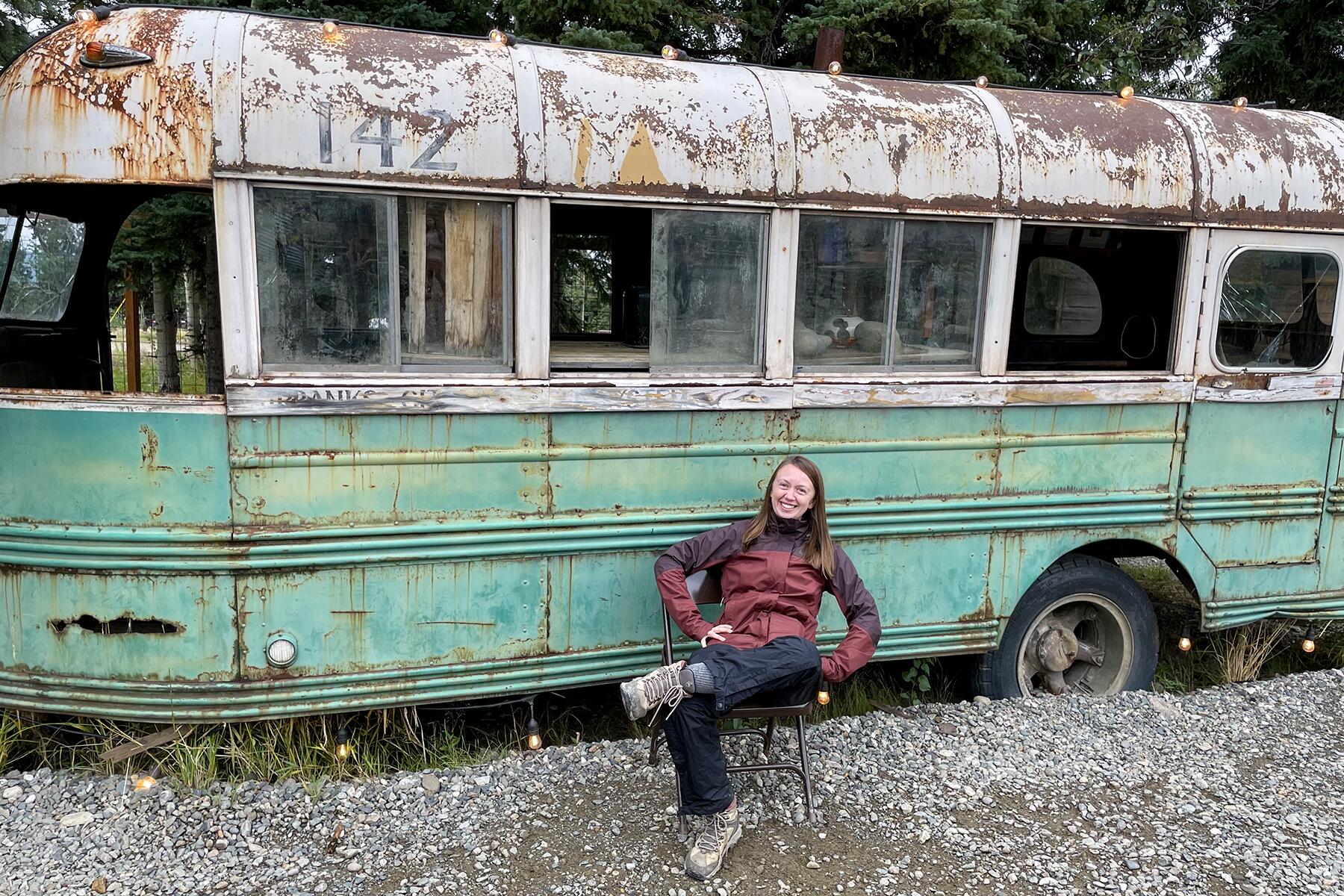
The Datsun B210: An Asset’s Brief Financial Journey
For many, a car represents a significant investment, a tool for mobility, and a symbol of status. For McCandless, the Datsun B210 began as a practical necessity, acquired presumably with a minimal financial outlay, aligning with his burgeoning desire to shed material burdens. This humble vehicle, an older model at the time of his purchase, epitomized a low-cost entry into independent travel, a critical component of his planned Alaskan adventure.
Acquisition and the Value Proposition of a Used Vehicle
McCandless purchased the Datsun B210 sometime before his journey began in 1990. Given its age, it was undoubtedly an inexpensive acquisition, likely secured with cash from his modest savings, possibly residual funds from his college trust fund which he later donated. From a personal finance perspective, choosing a depreciated asset like a used Datsun B210 was a shrewd decision for someone aiming for financial independence with limited resources. It avoided the significant upfront cost and rapid depreciation associated with new vehicles, minimizing his capital expenditure. The initial financial outlay for such a car in 1990 would have been relatively small, perhaps a few thousand dollars, allowing him to allocate the bulk of his available funds to travel expenses, food, and gear. This choice demonstrated a pragmatic understanding of asset utility versus perceived value, prioritizing function over flash, a common strategy for budget-conscious individuals and minimalist proponents.
Operating Expenses: The True Cost of Ownership Ignored
Beyond the initial purchase, the financial implications of vehicle ownership extend to ongoing operating expenses: fuel, insurance, maintenance, and potential repairs. For McCandless, his approach to these costs diverged sharply from conventional financial planning. He carried minimal, if any, insurance, foregoing a significant recurring expense but exposing himself to considerable financial risk in case of an accident or liability. His maintenance philosophy was equally unconventional, often performing basic repairs himself with limited tools and knowledge, or simply neglecting them altogether. This approach, while saving immediate cash, introduced a latent financial vulnerability: the potential for breakdown and costly, unexpected repairs that could derail his plans or deplete his slender resources. The Datsun was, by many accounts, not in peak condition, indicative of a financial strategy that prioritized immediate savings over long-term asset preservation. In a traditional financial sense, this was a high-risk, high-reward strategy: save money now, but gamble on the vehicle’s reliability and the absence of unforeseen major expenses.
The Financial Act of Abandonment: A Radical Divestment
The pivotal moment in the Datsun’s financial journey, and indeed McCandless’s evolving relationship with material possessions, occurred in July 1990. While driving near Lake Mead, Nevada, the vehicle was caught in a flash flood. Rather than attempt to salvage or repair it, McCandless made a conscious decision to abandon the Datsun B210. This was not merely an accident; it was a profound act of financial divestment, transforming a physical asset into a symbol of his liberation from material attachments.
The Flash Flood and Asset Forfeiture
When the Datsun’s engine got wet and rendered it inoperable, McCandless found himself at a crossroads. A conventional individual might have sought assistance, arranged for towing, or considered selling the vehicle for scrap value. However, McCandless saw the incident as an opportunity to shed a burden. He removed its license plates, buried his Arizona registration, and hiked away, leaving the car behind in the scorching desert. From a purely financial standpoint, this was an act of asset forfeiture. He willingly walked away from the remaining monetary value of the car—whatever small resale or salvage value it still held. This decision represents a stark contrast to typical financial advice, which would advocate for recouping as much value as possible from a damaged asset. His choice, however, was driven by a financial philosophy that valued freedom and a lack of encumbrance above the preservation of depreciating material wealth.
Assessing the Loss: Material vs. Experiential Returns
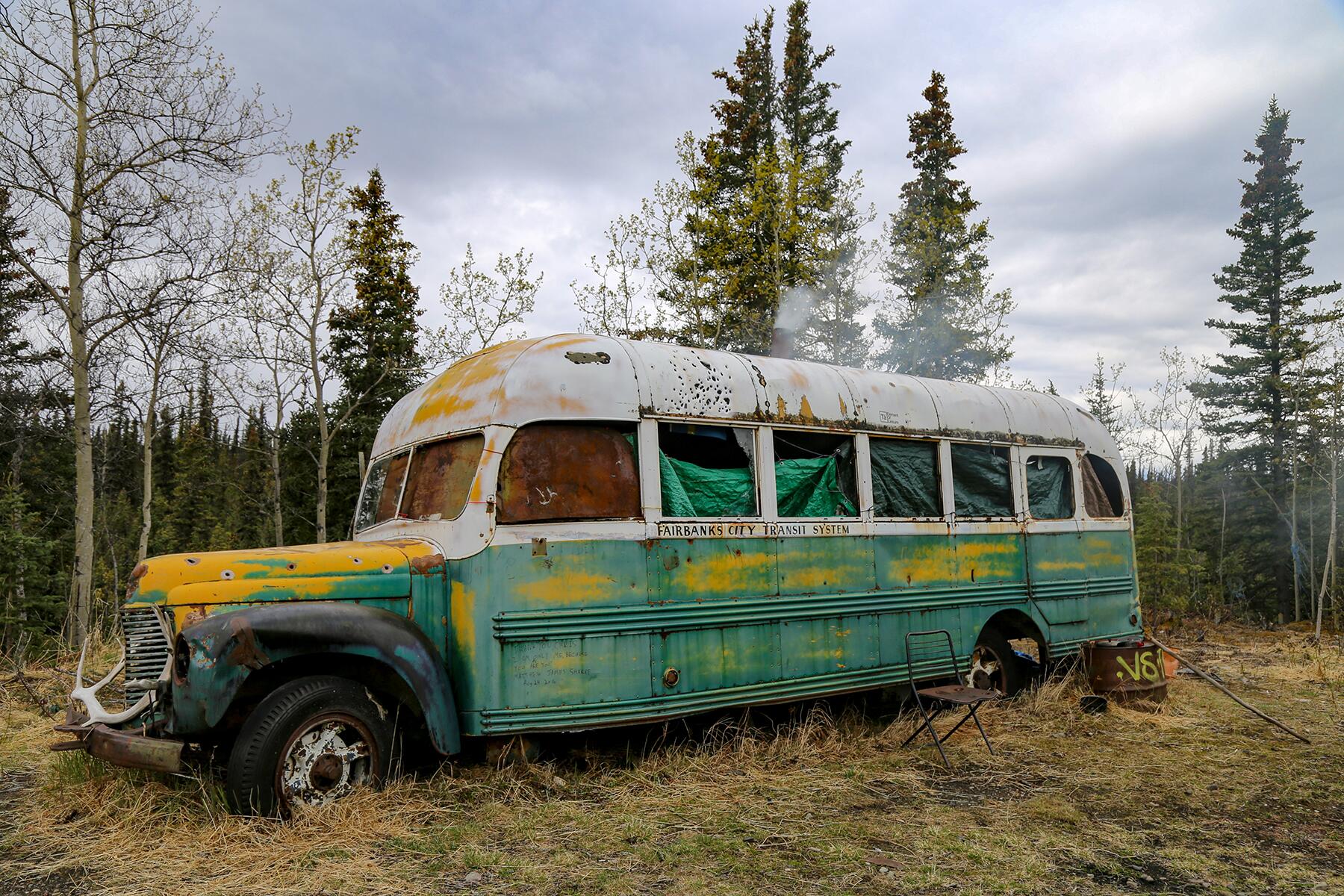
The immediate material loss from abandoning the Datsun B210 was quantifiable: the market value of a non-functional 1982 sedan. However, McCandless’s financial calculus extended beyond conventional metrics. For him, the “return on investment” was not monetary but experiential. By abandoning the car, he gained immediate freedom from the financial and logistical burdens of vehicle ownership. He avoided repair costs, future insurance premiums, and the mental overhead of maintaining a physical asset. This enabled him to transition fully to a nomadic, minimalist lifestyle, trading the security of possessions for the perceived richness of unencumbered experience. This perspective highlights a fundamental divergence in personal finance goals: for some, the greatest financial return is found in the liberation from material ties, allowing for the pursuit of non-monetary objectives. His “loss” of the car was, in his eyes, a “gain” in autonomy and adherence to his chosen path.
A Philosophy of Fiscal Minimalism: McCandless’s Financial Blueprint
McCandless’s relationship with his Datsun B210—its acquisition, maintenance, and ultimate abandonment—serves as a compelling case study in radical fiscal minimalism. His financial blueprint was not about accumulating wealth but about minimizing its influence and shedding its perceived encumbrances.
Rejecting the Asset-Heavy Lifestyle
McCandless consistently demonstrated a rejection of the asset-heavy lifestyle promoted by consumerist societies. His initial decision to donate his substantial college fund, followed by his abandonment of the Datsun, clearly signaled his intent to divest from traditional wealth accumulation. For McCandless, the value of an asset was not in its market price or its potential for appreciation, but in its utility for his immediate goals, and even then, its eventual expendability. This is a crucial distinction for anyone considering a minimalist financial strategy: assessing whether an asset truly serves a core purpose or merely adds to the burden of ownership. His financial strategy was about achieving a state of “net zero” material possessions, allowing him maximum liquidity in terms of physical freedom.
Valuing Liquidity and Freedom Over Possessions
The core of McCandless’s financial philosophy revolved around valuing liquidity and personal freedom above the security or prestige offered by material possessions. His Datsun B210, while a means to an end, eventually became an obstacle to that ultimate freedom. By walking away from it, he affirmed his commitment to a highly liquid personal economy, where physical assets could be shed without remorse if they hindered his progress or weighed him down. This concept of valuing “freedom capital” over financial capital is a powerful, if extreme, lesson in personal finance. It prompts individuals to evaluate what truly constitutes wealth and security in their own lives, and whether their possessions serve them or vice versa. For McCandless, the financial independence he sought was not measured by bank balances or property deeds, but by the ability to move freely and unburdened through the world.
Enduring Financial Lessons from a Wanderer’s Wheels
The story of Chris McCandless’s Datsun B210, while unusual, offers several profound, albeit often counter-intuitive, lessons in personal finance that extend beyond the realm of extreme asceticism.
The True Cost of “Stuff”
McCandless’s journey vividly illustrates that the true cost of “stuff” extends far beyond its purchase price. It encompasses ongoing maintenance, insurance, depreciation, and the often-overlooked psychological burden of ownership. His decision to abandon the Datsun highlighted his awareness that retaining an asset, even a relatively inexpensive one, demanded a continuous investment of time, money, and mental energy that he was unwilling to provide. This serves as a stark reminder for contemporary consumers to critically evaluate the total cost of ownership for every possession, from vehicles to gadgets, and to consider whether the utility and enjoyment outweigh the continuous financial and psychological drain.
Strategic Disinvestment: A Path to Personal Goals
While not a conventional financial strategy, McCandless’s act of abandonment can be viewed as a form of strategic disinvestment. He willingly liquidated an asset (albeit without monetary return) to reallocate his resources—his time, energy, and focus—towards his ultimate personal goals. This radical approach encourages a deeper consideration of what assets truly serve our objectives and when the act of letting go, even without financial compensation, can be the most fiscally sound decision for personal well-being and the pursuit of individual purpose. For those seeking financial independence or a minimalist lifestyle, understanding when to disinvest from burdensome assets can be as crucial as knowing when and how to invest. The Datsun B210 stands as a silent testament to a life lived by an unconventional financial creed, where true wealth was measured not in accumulation, but in the profound freedom of having nothing left to lose.
aViewFromTheCave is a participant in the Amazon Services LLC Associates Program, an affiliate advertising program designed to provide a means for sites to earn advertising fees by advertising and linking to Amazon.com. Amazon, the Amazon logo, AmazonSupply, and the AmazonSupply logo are trademarks of Amazon.com, Inc. or its affiliates. As an Amazon Associate we earn affiliate commissions from qualifying purchases.