
In an increasingly digitized world, the quest for meaningful engagement with foundational texts, including the Bible, has transformed. No longer confined to physical pages or static study guides, the question “what Bible chapter should I read?” can now be answered through an array of sophisticated technological tools. From AI-driven recommendation engines to feature-rich mobile applications and secure digital libraries, technology offers unprecedented avenues for personalized scripture discovery, deeper study, and reflective engagement, all while ensuring convenience and accessibility.
The Digital Transformation of Scripture Access
The journey of sacred texts into the digital realm marks a profound shift in how individuals interact with religious content. What began as simple digital text files has evolved into a complex ecosystem of applications and platforms designed to cater to diverse reading styles and study needs. This transformation is not merely about convenience; it’s about fundamentally reshaping the discovery process.
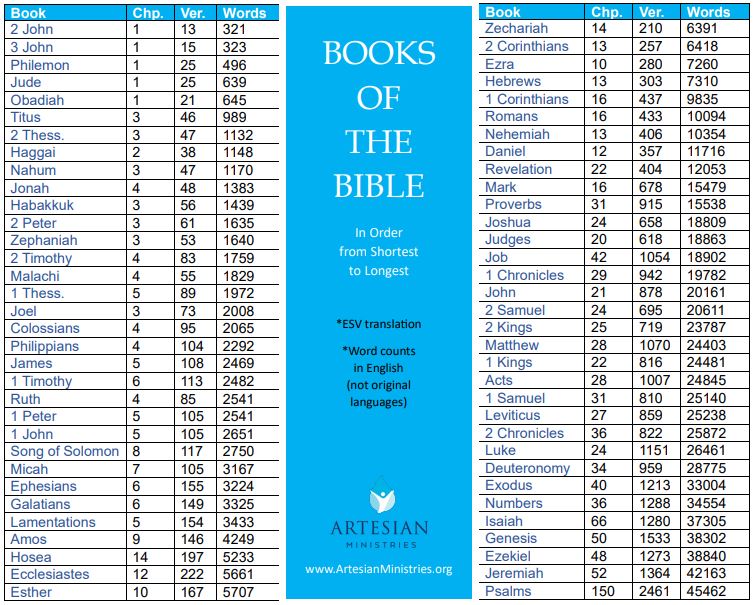
From Print to Pixels: The Early Days of Digital Bibles
The initial foray into digital scripture primarily involved replicating printed Bibles in electronic formats. Early desktop software provided searchable text, offering a rudimentary but revolutionary departure from cumbersome concordances and physical indexes. These early tools allowed users to quickly find specific verses or keywords, significantly reducing the time spent on manual lookup. While basic, they laid the groundwork for the interactive and personalized experiences we see today, establishing the principle that technology could enhance accessibility and efficiency in scripture study. This initial phase focused on utility, converting static information into a dynamic, searchable database, and thus making the entire corpus of the Bible more navigable than ever before.
Accessibility and Convenience in the Modern Era
Today’s digital Bible landscape is characterized by its ubiquitous accessibility. Mobile applications, web platforms, and e-readers have made scripture available literally at one’s fingertips, anytime, anywhere. This pervasive availability means that a spontaneous desire to read a particular chapter, or to seek guidance from scripture, can be immediately satisfied. Modern digital platforms offer multiple translations, parallel views, audio Bibles, and offline access, catering to diverse preferences and situations. The convenience extends beyond mere access; it encompasses a seamless integration into daily life, allowing for moments of reflection during commutes, breaks, or quiet evenings. This constant availability has democratized access to scripture, breaking down barriers of cost and physical availability that once limited engagement for many.
AI and Algorithmic Guidance for Reading Selections
One of the most exciting frontiers in digital scripture engagement is the application of artificial intelligence and advanced algorithms to personalize the reading experience. Moving beyond simple keyword searches, AI-driven tools can offer tailored recommendations, guiding users to chapters most relevant to their current needs, moods, or specific areas of interest.
Predictive Analytics for Spiritual Themes
AI systems leverage natural language processing (NLP) and machine learning to analyze the vast content of the Bible. These systems can identify overarching themes, sentiments, and contextual nuances within chapters and verses. By understanding a user’s declared interests—whether it’s “comfort during hardship,” “guidance for decision-making,” “inspiration for leadership,” or “understanding forgiveness”—the AI can cross-reference these against its thematic analysis of the biblical text. For instance, if a user expresses a need for “peace,” the AI can intelligently suggest chapters from Psalms, the Gospels, or prophetic books known for conveying messages of tranquility and divine assurance, rather than merely searching for the word “peace.” This predictive capability moves beyond superficial matching, aiming to align the user’s emotional or spiritual state with deeply relevant scriptural passages.
Personalized Reading Paths with Machine Learning
Further extending this capability, machine learning algorithms can learn from a user’s past interactions. If a user consistently bookmarks passages related to strength or perseverance, the system can adapt its recommendations to prioritize chapters and books that explore these virtues. This creates a dynamic, evolving reading path that grows with the individual user. Advanced platforms might even consider metadata such as the time of day a user typically reads, their reading speed, or their engagement with particular commentaries, to refine suggestions. This iterative learning process ensures that the “what Bible chapter should I read?” question receives an increasingly refined and personalized answer over time, making the digital scripture experience deeply individual and responsive to spiritual growth. The goal is to provide intelligent curation, akin to a wise mentor offering tailored advice, but delivered through an adaptive technological interface.
Comprehensive Bible Apps: Beyond Basic Text
Modern Bible applications have evolved into sophisticated digital study environments, offering a rich array of features that go far beyond simple text display. These apps transform the reading experience into a dynamic, interactive, and community-driven journey, providing tools that cater to both casual readers and dedicated scholars.
Integrated Study Tools and Commentaries
Contemporary Bible apps are powerhouses of integrated study resources. They typically offer multiple translations, allowing users to compare different renderings of the same verse side-by-side, which can provide deeper insight into meaning. Beyond mere translation comparison, these apps often embed extensive scholarly commentaries, theological dictionaries, Greek and Hebrew lexicons, and cross-reference systems directly within the reading interface. This means that as a user reads a specific chapter, they can tap on a verse or word to instantly access explanations from respected theologians or linguists, without having to consult separate physical books or even switch applications. This immediate access to comprehensive study aids significantly enhances understanding and facilitates in-depth textual analysis. Users can explore historical context, grammatical nuances, and various interpretations with unparalleled ease, enriching their response to the question, “what Bible chapter should I read?” by providing tools to fully grasp its depth.

Interactive Features: Highlighting, Notes, and Community Sharing
To foster active engagement, modern Bible apps are equipped with a suite of interactive features. Users can highlight passages in various colors, add personal notes or reflections directly alongside the text, and bookmark favorite chapters for quick retrieval. These features transform the digital Bible from a static document into a personalized journal, capturing individual insights and spiritual growth over time. Furthermore, many apps integrate social sharing functionalities, allowing users to share verses, notes, or reading plans with friends, family, or online communities. This fosters a sense of collective study and discussion, enabling users to glean perspectives from others, participate in group studies, and even create shared devotional experiences. This communal aspect broadens the scope of digital scripture engagement, turning it into a shared journey.
Structured Reading Plans for Specific Goals
Addressing the common dilemma of “where to start?” or “what to read next?”, Bible apps offer an extensive library of structured reading plans. These plans are curated around specific themes (e.g., “Strength for Hard Times,” “Financial Wisdom,” “Understanding Love”), books of the Bible, or daily devotionals designed to guide users through scripture systematically. Whether a user wants to read the entire Bible in a year, focus on the teachings of Jesus, or explore passages related to a specific life challenge, there is likely a plan available. These plans break down scripture into manageable daily readings, often accompanied by short reflections or prompts, providing a consistent and guided approach to engagement. They act as a digital roadmap, alleviating the burden of deciding “what Bible chapter should I read?” by offering expert-curated pathways for spiritual exploration and development.
Leveraging Digital Security and Privacy in Bible Study
As personal engagement with digital scripture deepens, the importance of digital security and user privacy becomes paramount. The notes, highlights, and personalized reading plans stored within Bible apps can contain deeply personal reflections and data, necessitating robust protective measures.
Protecting Personal Insights and Data
The personal notes, highlights, and journaling entries made within Bible apps are often intimate reflections of a user’s spiritual journey. Therefore, the platforms hosting this content must employ strong data encryption and secure server infrastructures to protect this sensitive information from unauthorized access. Users should be assured that their private thoughts and scriptural interactions remain confidential. Best-practice apps typically implement end-to-end encryption for user data, secure authentication methods (like two-factor authentication), and strict access controls. Developers must adhere to global data privacy regulations (e.g., GDPR, CCPA) to ensure that user information is handled with the utmost care and transparency. This emphasis on data integrity ensures that the digital space for spiritual reflection remains a safe and trusted environment.
Secure Platforms for Spiritual Engagement
Beyond protecting individual data, the overall platform must be secure to prevent vulnerabilities that could compromise user accounts or the integrity of the content itself. This includes regular security audits, prompt patching of discovered vulnerabilities, and secure coding practices. When choosing a digital Bible platform, users should consider the provider’s reputation for security and their transparent privacy policies. A secure platform fosters trust, encouraging users to fully engage with its features, including making personal notes and participating in community discussions, without fear of data breaches or misuse. The assurance of a secure environment allows individuals to freely explore “what Bible chapter should I read” and process their insights within a private and protected digital space.
Optimizing Your Digital Bible Journey for Deeper Engagement
Maximizing the benefits of digital Bible tools requires a thoughtful approach to their integration into one’s personal and spiritual routine. The wealth of available technology should serve to deepen understanding and engagement, not to overwhelm.
Customizing Your Reading Environment
Modern Bible apps offer extensive customization options, allowing users to tailor their reading environment to their preferences. This includes adjusting font sizes, background colors, line spacing, and even choosing different visual themes. Creating a comfortable and distraction-free digital space is crucial for focused reading and reflection. Additionally, personalizing notification settings to receive daily verse reminders or prompts for reading plans can help maintain consistency without being intrusive. Optimizing these settings enhances the user experience, making the digital interaction as seamless and conducive to contemplation as possible. By controlling elements like screen brightness and ‘do not disturb’ modes, users can intentionally carve out sacred digital space for their scripture engagement.
Integrating Digital Tools for Holistic Study
The true power of digital scripture study lies in the ability to integrate various tools for a holistic approach. This might involve using a Bible app alongside a digital journaling application to record reflections, or linking a specific chapter to a prayer tracking app. Some advanced platforms integrate directly with note-taking software or cloud storage services, allowing for a more interconnected study ecosystem. For those interested in historical context, integrating with digital encyclopedias or academic databases can provide additional layers of understanding. By thoughtfully combining different digital resources, users can move beyond simply reading a chapter to truly studying, meditating upon, and applying its teachings. This integrated approach enriches the answer to “what Bible chapter should I read?” by providing a comprehensive toolkit for in-depth spiritual exploration.

Future Trends in Digital Scripture Interaction
The evolution of digital scripture engagement continues to accelerate. Future trends may include more sophisticated AI-driven personal tutors that not only recommend chapters but also provide interactive Q&A sessions, explain complex theological concepts, or even facilitate guided meditation based on scripture. Augmented reality (AR) and virtual reality (VR) technologies could offer immersive biblical experiences, allowing users to “walk through” ancient Jerusalem or visualize biblical events in 3D. The integration of biometric data could allow apps to suggest readings based on stress levels or emotional states, offering real-time spiritual support. As technology advances, the possibilities for enhancing personalized scripture discovery and deeper spiritual engagement are boundless, promising an even more dynamic and insightful answer to the perennial question, “what Bible chapter should I read?”
aViewFromTheCave is a participant in the Amazon Services LLC Associates Program, an affiliate advertising program designed to provide a means for sites to earn advertising fees by advertising and linking to Amazon.com. Amazon, the Amazon logo, AmazonSupply, and the AmazonSupply logo are trademarks of Amazon.com, Inc. or its affiliates. As an Amazon Associate we earn affiliate commissions from qualifying purchases.