
Beyond Ancient Philosophy: Confucian Ethics as a Brand Blueprint
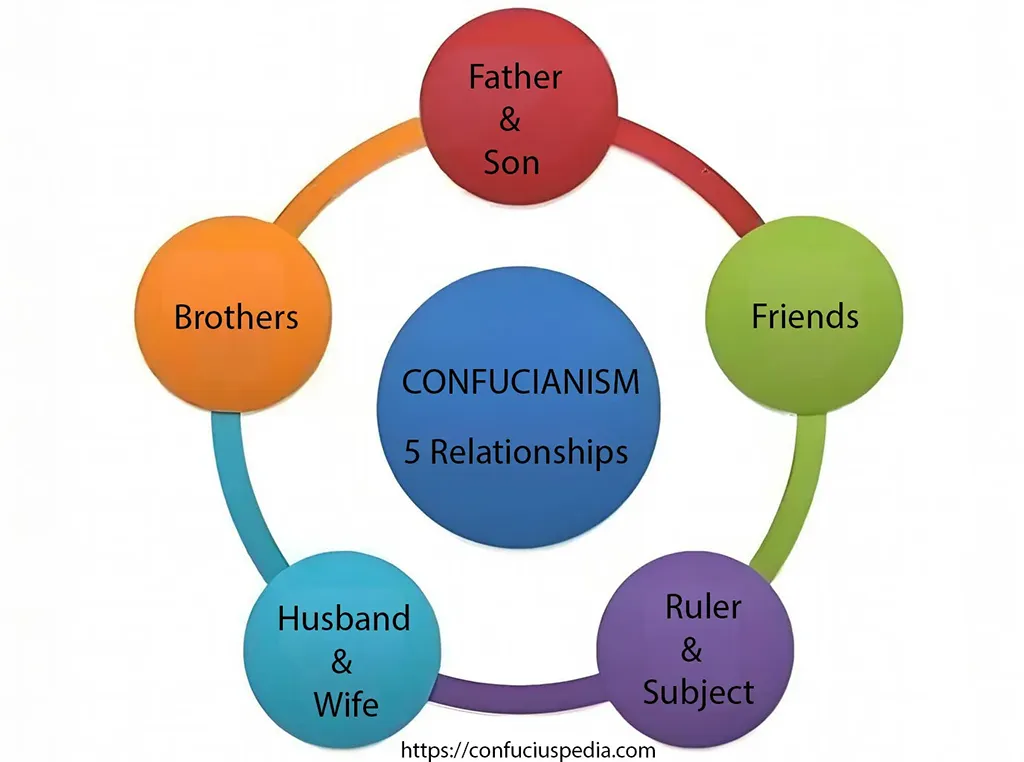
Confucianism, an ethical and philosophical system developed by Confucius in ancient China, is perhaps best known for its emphasis on social harmony through well-defined relationships. At its core are the “Wulun” or Five Relationships, which dictate the proper conduct and duties between individuals in society. While originating millennia ago, these principles – focusing on hierarchy, respect, reciprocity, and ethical interaction – offer a surprisingly potent and insightful framework for understanding and building robust, ethical, and enduring brands in today’s dynamic market landscape.
Branding, at its essence, is about relationships. It’s the intricate web of connections a company forges with its customers, employees, partners, and the broader market. A brand is not merely a logo or a product; it’s a promise, an experience, and a trust-based interaction. By dissecting the Confucian Five Relationships through a modern branding lens, we can uncover timeless strategies for fostering loyalty, shaping corporate culture, and establishing an authoritative yet benevolent market presence. These ancient guidelines provide a structured way to consider the multifaceted interactions that define a brand’s identity and its journey towards sustainable success.
The Five Relationships Reimagined for Brand Strategy
The Wulun outlines five fundamental human relationships, each with prescribed roles and responsibilities designed to maintain societal order and individual flourishing. When recontextualized for branding, these offer powerful archetypes for how brands can engage their various stakeholders.
1. Ruler and Subject: Establishing Vision, Leadership, and Brand Authority
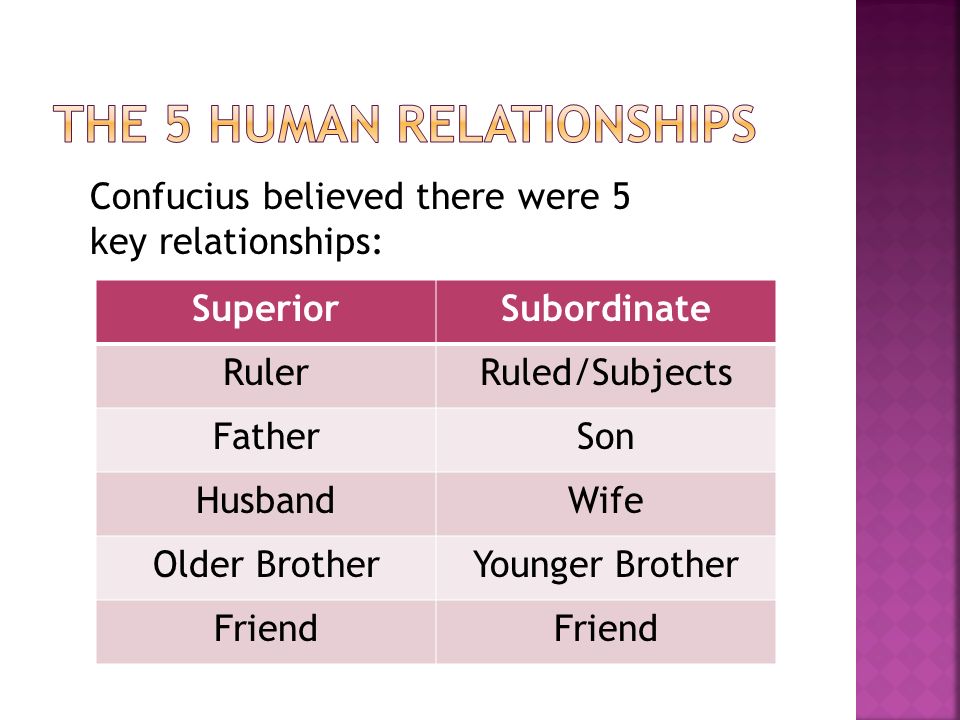
In the Confucian paradigm, the relationship between ruler and subject is hierarchical, with the ruler expected to provide just governance, welfare, and moral leadership, while the subject offers loyalty, obedience, and service. This relationship is foundational for social stability and prosperity.
For a brand, this dynamic translates into establishing clear vision, decisive leadership, and undeniable market authority. The “Ruler” can be seen as the brand’s leadership (CEO, executive team), responsible for defining the company’s mission, values, and strategic direction. They inspire and guide employees, who are the “subjects” in this context, empowering them to execute the brand’s promise.
Beyond internal leadership, the brand itself can act as the “Ruler” in its market niche. A dominant brand sets industry standards, dictates trends, and guides consumer choices through its innovative products, compelling value propositions, and strong brand identity. Customers, then, become “subjects” in a benevolent sense, willingly following the brand’s lead because of the value, quality, and trust it consistently provides. Think of brands that become synonymous with a product category or those that command fierce loyalty due to their ethical practices and clear market leadership. The key takeaway is that a brand with clear, ethical leadership fosters trust, respect, and loyalty, creating a stable and thriving ecosystem.
2. Father and Son: Nurturing Culture, Legacy, and Succession
This relationship, deeply ingrained in filial piety, emphasizes the father’s role in providing care, guidance, and education, while the son demonstrates respect, obedience, and dedication to continuing the family legacy. It speaks to stewardship, mentorship, and the passing down of values.
In branding, the “Father” represents the brand’s founders, its originating principles, and its core heritage. These are the elements that provide the initial care, vision, and moral guidance for the brand’s development. The “Son” embodies the employees, the next generation of leadership, and even the evolving products or services that carry forward the brand’s essence.
This relationship highlights the critical importance of a nurturing internal culture. How a brand invests in its people through mentorship programs, career development, and a supportive work environment mirrors the father’s care. It’s about building a “family-like” atmosphere where values are instilled, skills are developed, and loyalty is cultivated. Furthermore, this dynamic underscores the power of brand storytelling – passing down the brand’s unique history, purpose, and values through generations of offerings and marketing narratives. Ensuring that the brand’s core mission and values endure beyond its original leaders, through careful succession planning and cultural reinforcement, is vital for long-term viability. Brands that thrive demonstrate a profound commitment to nurturing their internal “family” and carrying forward a meaningful legacy.
3. Husband and Wife: Fostering Partnership, Collaboration, and Complementary Strengths
The husband and wife relationship, in Confucian thought, is characterized by complementary roles, mutual respect, and harmony within the household. While traditionally hierarchical, the emphasis is on the symbiotic nature of their relationship and their combined effort to maintain order and prosperity.
Translating this to brand strategy, it illuminates the value of strategic partnerships, collaborations, and the symbiotic relationship between a brand and its stakeholders. The “Husband” and “Wife” can represent two brands forming an alliance, each bringing complementary strengths, resources, and market reach to achieve a shared goal. Think of co-branding initiatives or strategic mergers that create enhanced value through synergy.
Internally, this relationship applies to cross-functional teams and departments working in harmony. Different teams (e.g., marketing, product development, sales) possess distinct capabilities but must operate with mutual respect and a shared purpose to deliver a cohesive brand experience. Externally, it describes the give-and-take between a brand and its most loyal customers. The brand understands and adapts to customer needs, offering tailored solutions and experiences, while customers, in turn, provide valuable feedback, advocacy, and sustained patronage. This mutual support and adaptation are crucial for growth. Strong brands understand the power of balanced relationships, where mutual contribution and respect lead to greater collective success.
4. Elder and Younger: Valuing Experience, Mentorship, and Innovation within Tradition
This relationship emphasizes respect for age and experience, with the elder providing wisdom and guidance, and the younger demonstrating deference and a willingness to learn. It’s about the transmission of knowledge and the evolution of society.
In the brand context, the “Elder” embodies the brand’s accumulated experience, its history, established expertise, and enduring traditions. This can be manifested through senior leadership, tenured employees, or the foundational principles that have guided the brand over time. The “Younger” represents new talent, innovative ideas, emerging technologies, and evolving market segments.
This dynamic underscores the importance of mentorship within an organization, where experienced professionals guide newer ones, preserving institutional knowledge while fostering fresh perspectives and talent. It also highlights how brands navigate evolution: respecting their history and core identity (the elder’s wisdom) while embracing innovation and adapting to new market realities (the younger’s dynamism). A brand that effectively balances its heritage with forward-thinking strategies ensures longevity. Moreover, established brands often act as “Elders” in their industry, providing thought leadership and setting standards for newer entrants. Brands achieve sustainable longevity by blending wisdom with youthful dynamism, honoring their past while innovatively building for the future.
5. Friends: Building Trust, Community, and Reciprocal Loyalty
Distinct from the hierarchical nature of the other four, the relationship between friends in Confucianism is based on equality, mutual trust, loyalty, and reciprocal support. It’s about voluntary association and genuine affection.
This is arguably the most direct and impactful relationship for modern branding. It speaks to the essence of customer community building and authentic brand loyalty. Brands that successfully cultivate a “Friends” relationship with their audience foster a sense of belonging and shared values. This is evident in thriving brand communities, online forums, and social media engagement where customers feel connected not just to the product, but to the brand’s ethos and to each other.
Reciprocity is key here. Brands reward loyal customers through special programs, exclusive content, or personalized experiences, and customers reciprocate with continued business, positive word-of-mouth, and active advocacy. This relationship also extends internally to employee camaraderie, fostering a supportive and trusting environment among colleagues. When employees feel like “friends” within the organization, productivity and morale soar. Authentic, reciprocal “friendships” are the bedrock of enduring brand loyalty, advocacy, and a resilient brand community.

Implementing Confucian Principles for Sustainable Brand Growth
The wisdom embedded in Confucianism’s Five Relationships offers a powerful, albeit unconventional, lens through which to examine and refine modern brand strategy. These principles are not merely abstract philosophical ideas but actionable frameworks that can guide leaders in building stronger internal cultures, developing more authentic customer relationships, crafting compelling brand narratives, and ensuring ethical decision-making.
By intentionally applying these relationships, brands can cultivate a deeper sense of purpose, foster greater trust among all stakeholders, and establish a reputation for integrity and longevity. A brand that understands its role as a “Ruler” (leader), a “Father” (nurturer of legacy), a “Husband” (collaborator), an “Elder” (source of wisdom), and a “Friend” (community builder) is poised not just for transient market success, but for truly sustainable and meaningful growth that resonates across generations. Ultimately, this ancient philosophy reminds us that enduring value in branding, much like in society, stems from cultivating respectful, reciprocal, and ethical relationships.
aViewFromTheCave is a participant in the Amazon Services LLC Associates Program, an affiliate advertising program designed to provide a means for sites to earn advertising fees by advertising and linking to Amazon.com. Amazon, the Amazon logo, AmazonSupply, and the AmazonSupply logo are trademarks of Amazon.com, Inc. or its affiliates. As an Amazon Associate we earn affiliate commissions from qualifying purchases.