
In the intricate world of home textiles, where every thread and fold contributes to a room’s overall aesthetic, the humble sham often plays a starring, yet sometimes overlooked, role. Far from being a mere accessory, shams are critical components in defining the brand identity of a bedding collection and, by extension, the curated experience of a bedroom space. Understanding “what shams are” goes beyond a simple definition; it delves into their strategic placement as design elements that articulate a brand’s vision, quality, and aesthetic philosophy.
Defining the Sham: A Pillar of Design Cohesion
At its core, a sham is a decorative pillow covering designed to coordinate with a duvet cover, comforter, or quilt, often sold as part of a bedding set. While functionally similar to a pillowcase in that it encases a pillow, its purpose is fundamentally different. A standard pillowcase prioritizes utility and comfort, often featuring a simple open end or an envelope closure for easy removal and washing. Shams, however, are primarily aesthetic. They are constructed with a focus on visual appeal, often featuring elaborate detailing, flanges, borders, embroidery, quilting, or unique fabrications that elevate the look of the bed.
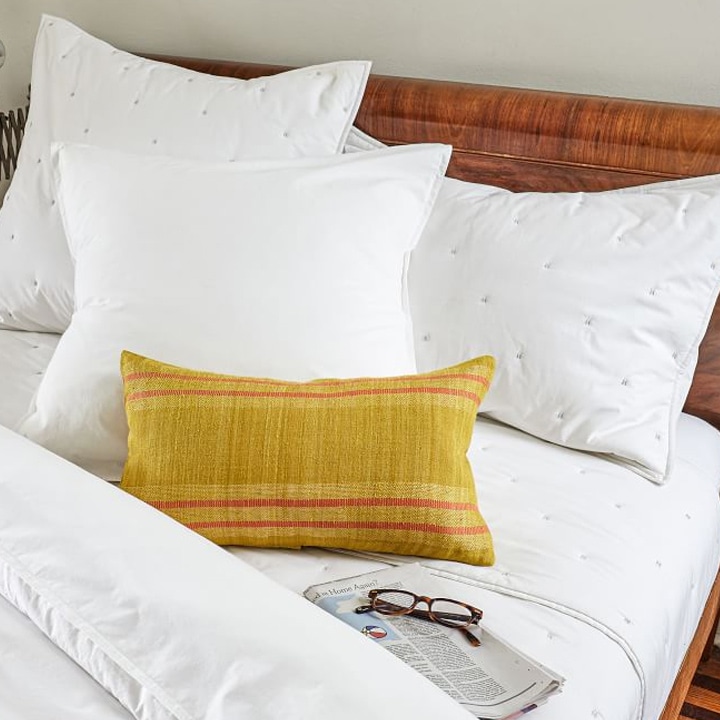
The distinction is crucial for brand strategists and designers. A pillowcase is functional; a sham is a statement. Its presence transforms an ordinary sleeping pillow into a decorative accent, contributing significantly to the bed’s finished appearance. This decorative emphasis makes the sham a powerful tool for brands to convey a sense of luxury, style, or a specific design theme within their bedding lines. The reverse side of a sham typically includes an envelope closure, sometimes with button or zipper detailing, ensuring that the pillow insert is neatly concealed, maintaining the seamless visual integrity of the design.
The Sham as a Core Design Element in Bedding Collections
For any brand in the home decor industry, establishing a clear and appealing aesthetic is paramount. Shams serve as a linchpin in this endeavor, acting as a visual anchor that ties together the various components of a bedding ensemble. They are rarely designed in isolation; instead, they are meticulously crafted to complement and enhance the primary bedding piece, such as a duvet cover or comforter.
Integrating with Brand Story
Each bedding collection tells a story—be it one of serene minimalism, opulent grandeur, bohemian whimsy, or classic sophistication. Shams are instrumental in articulating this narrative. A brand aiming for a luxurious, high-end identity might feature shams with intricate embroidery, crisp knife edges, or generous flanges, all made from premium materials like silk, high-thread-count cotton sateen, or linen. Conversely, a brand focusing on a relaxed, natural aesthetic might opt for shams with a simpler construction, perhaps in organic cotton or washed linen, featuring subtle texture or understated patterns. The choice of sham design directly reflects and reinforces the overarching brand story, creating a cohesive visual language that resonates with the target consumer.
A Differentiator in a Competitive Market
In a crowded marketplace, differentiation is key to brand success. Shams provide an opportunity for bedding brands to showcase their unique design capabilities and attention to detail. Beyond color and pattern matching, the specific construction of a sham—the width of its flange, the type of trim, the style of quilting—can become a signature element. For instance, a brand known for its tailored, crisp designs might consistently feature shams with impeccable, mitered corners and a clean knife-edge finish. Another brand might distinguish itself with oversized, plush shams that exude comfort and casual elegance. These subtle yet significant design choices become part of the brand’s corporate identity, making their products recognizable and desirable.
Crafting Brand Aesthetic: Materials, Textures, and Finishes
The tactile and visual qualities of shams are vital in shaping a brand’s aesthetic. Designers leverage a wide array of materials, textures, and finishes to communicate quality, comfort, and style, all of which are pillars of a strong brand identity.
Material Selection and Perceived Value
The choice of fabric for shams directly impacts the perceived value and luxury of a bedding collection. High-quality materials like Egyptian cotton, supima cotton, linen, silk, or even cashmere blends immediately elevate a brand’s offering. These materials not only feel luxurious but also present beautifully, holding dyes and intricate details with superior clarity. A brand positioning itself at the premium end of the market will invest in these materials, knowing that the shams, as visible design elements, will effectively communicate this commitment to quality. Conversely, brands targeting a more accessible market might opt for durable cotton-polyester blends or brushed microfiber, focusing on ease of care and vibrant prints, aligning with a brand identity centered on practicality and trend-consciousness.
Texture and Visual Interest
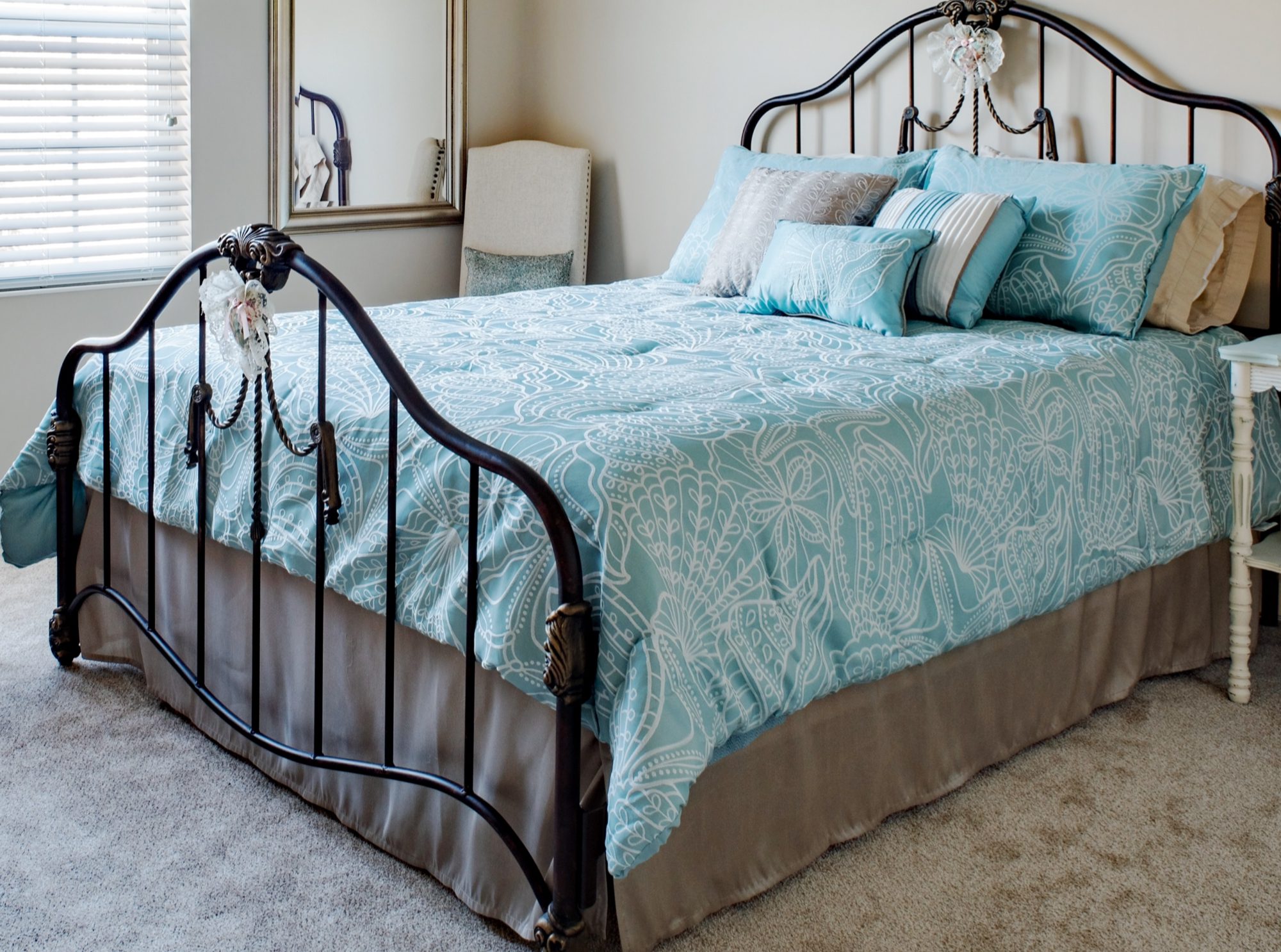
Texture adds depth and dimension to a bedding ensemble, preventing it from appearing flat or uninspired. Shams are often the vehicle for introducing rich textures through techniques like matelassé, jacquard weaving, ruching, or embroidery. A quilted sham, for example, adds a layer of sophistication and visual interest that a flat sham cannot. Brands use these textural elements to reinforce their design themes: a brand specializing in rustic or farmhouse aesthetics might incorporate shams with natural slubs or subtle woven patterns, while a brand known for contemporary luxury might feature shams with sleek, embossed patterns or high-contrast piping.
Finishes and Embellishments
The finishing touches on a sham are where a brand’s attention to detail truly shines. Flanges, piping, embroidery, ruffles, pleats, and appliques are all decorative elements that transform a simple pillow cover into a statement piece.
- Flanges: A common finish, a flange is an extra border of fabric extending beyond the sewn edge, often adding a soft, decorative frame around the pillow. The width and crispness of the flange can significantly alter the look.
- Piping: A corded trim sewn into the seams, piping provides a tailored, defined edge, often used by brands aiming for a classic or sophisticated aesthetic.
- Embroidery and Appliques: These intricate details allow for custom patterns, monograms, or motifs that personalize the sham and reinforce a brand’s unique design language. A brand might feature a recurring logo, a stylized botanical pattern, or geometric designs that become synonymous with its identity.
- Ruffles and Pleats: These add softness, volume, and a romantic or whimsical touch, often favored by brands with a more traditional or shabby-chic aesthetic.
Each of these finishes is a deliberate design choice that contributes to the overall brand perception, signifying craftsmanship, style, and a commitment to aesthetic excellence.
The Strategic Role of Shams in Curating a Branded Bedroom Experience
Beyond their individual design merits, shams play a strategic role in transforming a bed from a functional item into the focal point of a branded bedroom experience. They contribute significantly to the overall “personal brand” of a living space.
Layering and Dimension
A beautifully made bed is a layered bed, and shams are essential for creating this sense of depth and luxury. Typically, a standard bed will feature two standard shams, often placed in front of sleeping pillows. Larger beds may include king-sized shams or Euro shams (square shams, usually 26×26 inches) that stand upright against the headboard, providing a substantial backdrop for other pillows. This layering technique adds visual weight and plushness, signalling comfort and thoughtful design—qualities that consumers associate with premium brands. The strategic arrangement of shams allows for a dynamic interplay of textures and patterns, inviting the eye to explore the nuances of the collection.
Completing the Visual Narrative
A bedding collection without shams often looks incomplete or unfinished, akin to a meticulously designed suit missing its tie. Shams provide that crucial finishing touch, ensuring visual coherence. They bridge the gap between the functional sleeping pillows and the decorative elements of the comforter or duvet, creating a seamless transition. For brands, this means that shams are not an optional add-on but an integral part of the product offering, essential for showcasing the full potential and intended aesthetic of their collections. They complete the “story” the brand is trying to tell about relaxation, luxury, or style.
Enhancing Perceived Value and Luxury
The inclusion of well-designed shams immediately elevates the perceived value of a bedding set. Consumers often equate attention to detail and a complete, coordinated look with higher quality and luxury. Brands leverage shams to communicate this premium status. By investing in sophisticated sham designs, quality materials, and impeccable finishes, bedding companies reinforce their corporate identity as providers of high-end, thoughtfully crafted products. This strategic use of shams fosters customer loyalty and strengthens brand equity, making a collection more desirable and memorable.
Evolution and Innovation: Shams as a Reflection of Design Trends
The world of interior design is constantly evolving, and shams, as versatile design elements, reflect these shifts. Brands that stay abreast of design trends often introduce innovative sham designs that speak to contemporary tastes, further solidifying their position as trendsetters or adaptable industry players.
Adapting to Modern Lifestyles
Contemporary design trends often favor simplicity, functionality, and sustainability. Brands might respond by offering shams with minimalist designs, focusing on high-quality, eco-friendly materials, and sophisticated neutral palettes. The rise of hybrid living spaces and the desire for adaptable decor have also led to shams that are more versatile, easily transitioning from decorative to functional sleeping pillows. This responsiveness to evolving consumer needs is a hallmark of strong brand strategy.

Experimentation with Form and Function
Innovation in sham design can manifest in new shapes (e.g., bolster shams, unique lumbar pillow shams), convertible features, or smart fabric technologies. For instance, some brands might experiment with shams that incorporate cooling fabrics or antimicrobial properties, aligning with a brand identity focused on health and wellness. Others might introduce shams with unique closures or modular designs that allow for greater customization. These innovations not only offer practical benefits but also serve as powerful marketing tools, demonstrating a brand’s commitment to cutting-edge design and consumer-centric solutions.
In conclusion, “what are shams in bedding” is a question that reveals layers of design intention and brand strategy. Far from being mere decorative covers, shams are integral components that define the aesthetic, communicate the quality, and complete the narrative of a bedding collection. For brands, they are a powerful vehicle for expressing corporate identity, differentiating offerings, and curating a branded bedroom experience that resonates deeply with consumers. Their thoughtful design, material selection, and finishing details are strategic decisions that underscore a brand’s commitment to excellence and elevate the perceived value of its products in a competitive market.
aViewFromTheCave is a participant in the Amazon Services LLC Associates Program, an affiliate advertising program designed to provide a means for sites to earn advertising fees by advertising and linking to Amazon.com. Amazon, the Amazon logo, AmazonSupply, and the AmazonSupply logo are trademarks of Amazon.com, Inc. or its affiliates. As an Amazon Associate we earn affiliate commissions from qualifying purchases.