
Often overshadowed by their more flamboyant butterfly cousins, moths are frequently misunderstood, seen as mere nocturnal nuisances or textile destroyers. However, a deeper look reveals that these winged insects, in their various life stages, contribute significantly to several economic sectors, provide invaluable ecosystem services, and inspire solutions with tangible financial implications. From ancient industries to modern bio-technologies and niche tourism, the economic value of moths, both direct and indirect, is substantial and far-reaching.
The Unsung Economic Contributions of Lepidoptera
Beyond their ecological roles, moths play a part in global economies, often in ways that are subtle but critical to various industries and agricultural productivity. Their activities directly translate into revenue, savings, and job creation in numerous sectors.
Pollination Services: A Hidden Agricultural Asset
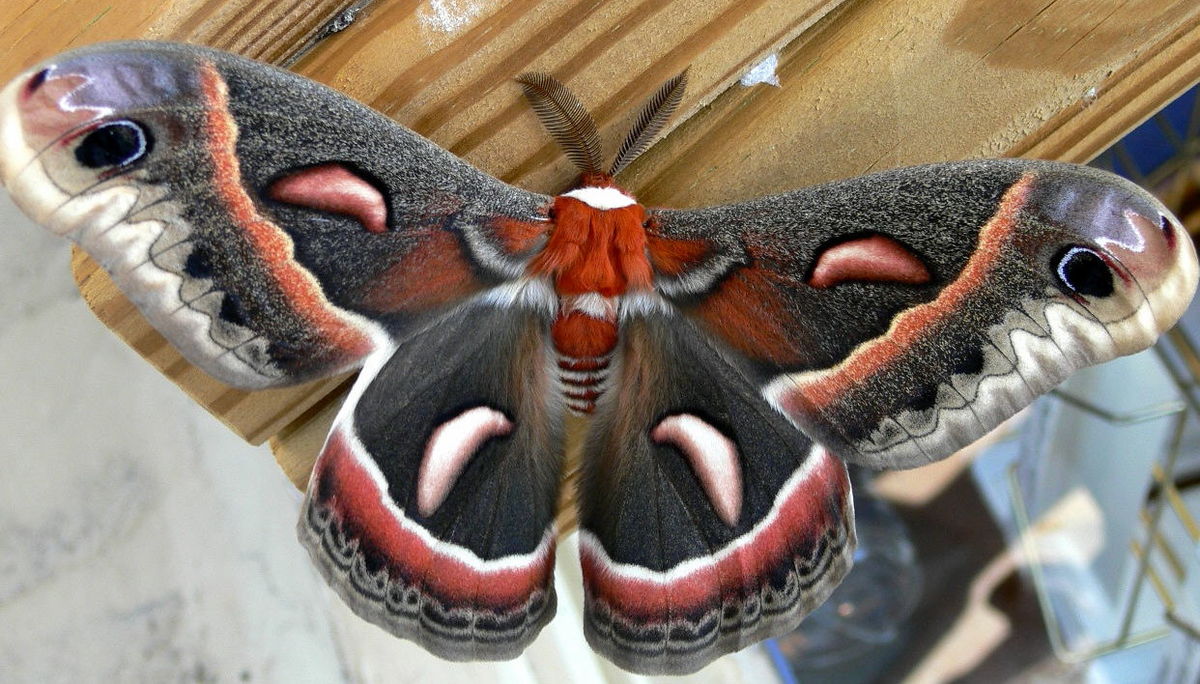
While bees often receive all the credit, moths are vital nocturnal pollinators for a vast array of plants, including many with agricultural significance. Species like hawk moths (Sphingidae) and noctuid moths (Noctuidae) are crucial for the reproduction of crops such as agave (used for tequila and sweeteners), specific fruit trees, and various ornamental plants. The economic value of pollination services globally is estimated to be in the hundreds of billions of dollars annually, and a significant portion of this can be attributed to the tireless work of nocturnal insects, including moths. Farmers cultivating crops dependent on crepuscular or nocturnal pollination rely on healthy moth populations to ensure successful yields, directly impacting their income and the market availability of these products. Disruptions to moth populations, whether through habitat loss or pesticide use, can lead to reduced crop output, increased costs for artificial pollination, and ultimately, economic losses for agricultural businesses.
Silk Production: A Timeless Industry
The most iconic and historically significant economic contribution of moths comes from the silkworm, the larval stage of the domestic silk moth ( Bombyx mori ). Sericulture, the cultivation of silkworms for silk production, has been a cornerstone of Asian economies for millennia and remains a multi-billion dollar global industry today. China, India, and other Asian nations are major producers, with silk textiles, garments, and luxury goods generating substantial export revenues and supporting millions of livelihoods, from silk farmers to weavers and designers. The continuous demand for natural silk, valued for its strength, luster, and hypoallergenic properties, ensures a robust market. Beyond Bombyx mori, various wild silk moths (e.g., Tussar silk from Antheraea mylitta, Eri silk from Samia ricini) contribute to niche markets, providing diverse textures and colors that cater to specific consumer preferences, further diversifying the economic output derived from moths. This ancient industry exemplifies a direct and highly lucrative financial benefit derived from a specific moth species.
Moths in Bio-Industries and Research
The unique biology and life cycles of moths offer valuable insights and applications in modern science and industry, leading to innovative products and sustainable solutions with clear economic advantages.
Insect Farming and Sustainable Protein
As the global population grows and concerns about sustainable food sources intensify, insect farming is emerging as a significant new agricultural frontier. Certain moth species, particularly their larvae, are being explored and cultivated as a sustainable source of protein for both human consumption and animal feed. For instance, the larvae of various moth species are a traditional food source in many cultures, providing essential nutrients. More recently, enterprises are developing farms for species like the mealworm (which is the larva of a beetle, but the principle applies to several moth species as well, though less commonly commercialized on a large scale yet for human consumption in the West) and the black soldier fly (BSF, a fly not a moth, but represents the broader insect farming trend). While BSF larvae are primarily for animal feed and waste conversion, the conceptual framework for moth-based protein could follow similar lines. The economic benefit here lies in creating a highly efficient, low-impact protein source, reducing reliance on resource-intensive livestock, and converting agricultural waste into valuable feed or food. Investment in insect farming technologies and expansion of markets for insect-derived products represent a growth area within the broader sustainable agriculture economy, with potential for specific moth species to play a role.
Biotechnological Insights and Pest Management
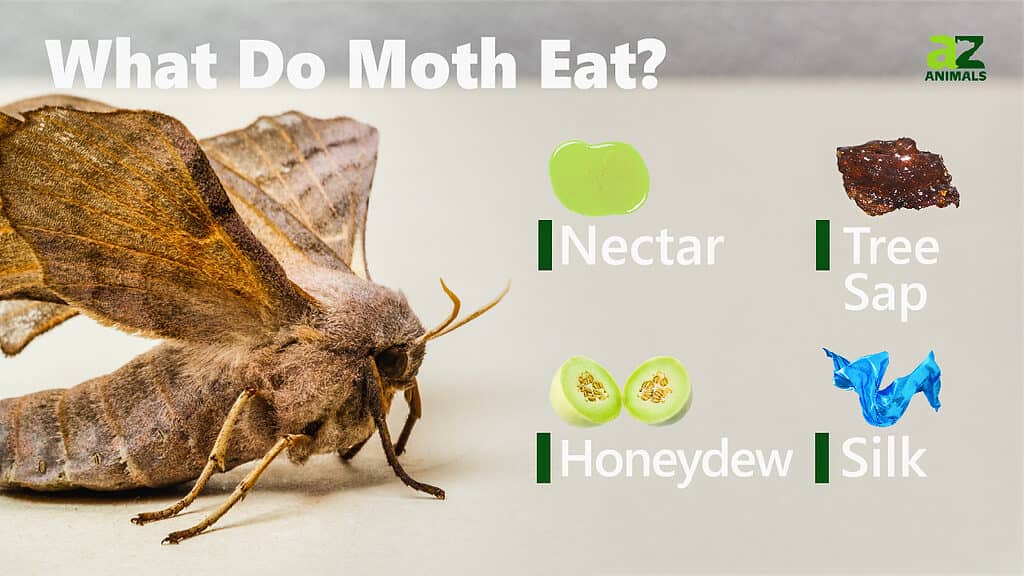
Moths, particularly their larvae, serve as crucial model organisms in biological research. Their relatively simple nervous systems, distinct life stages, and susceptibility to various pathogens make them ideal for studying genetics, immunology, toxicology, and pest control strategies. For example, insights gained from studying moth pheromones have led to the development of highly effective, species-specific pest control methods. Pheromone traps and mating disruption techniques, which utilize synthetic moth pheromones, allow farmers to manage pest populations without widespread use of chemical pesticides. This translates into significant economic benefits: reduced costs for expensive chemical inputs, less environmental damage (which has its own long-term economic repercussions), and improved crop quality, fetching higher market prices. Companies specializing in biopesticides and pheromone-based solutions represent a growing segment of the agricultural technology market, directly leveraging knowledge derived from moth biology to create profitable, sustainable products. Furthermore, research into moth immune responses could lead to breakthroughs in human medicine or agricultural biosecurity, creating intellectual property and patent opportunities with substantial financial returns.
Moths and Ecotourism: Niche Markets and Conservation Investment
Beyond their direct industrial applications, moths contribute to the burgeoning ecotourism sector, attracting enthusiasts and contributing to local economies, while also inspiring investment in conservation efforts.
Attracting Enthusiasts and Driving Local Economies
Macro-moth and micro-moth observing, collecting, and photography are popular hobbies that drive a niche but dedicated form of ecotourism. Moth enthusiasts often travel to specific regions known for their diverse lepidopteran fauna or rare species. This creates demand for specialized tour operators, local accommodation, transport, and guide services. Events like “Moth Week” or regional biodiversity surveys draw participants who spend money in local communities, supporting small businesses and contributing to the tourism economy. For regions with unique moth species or particularly rich biodiversity, promoting moth-watching can become a sustainable revenue stream that leverages natural assets without depleting them. This form of tourism is often low-impact, environmentally conscious, and can provide economic diversification for rural areas, offering alternatives to more traditional, resource-extractive industries.
Funding Conservation through Engagement
The economic value of moths also extends to conservation funding. Public interest generated through ecotourism, educational programs, and scientific discovery can translate into donations, grants, and government funding for conservation initiatives. Organizations dedicated to preserving moth habitats or studying threatened species often rely on public engagement and financial support. Successful conservation of moth populations indirectly protects the broader ecosystems they inhabit, which in turn safeguards the ecosystem services (like pollination and pest control) that have significant economic value. Moreover, the existence of unique or endangered moth species can draw research funding and grants to academic institutions and non-profits, fueling scientific discovery that may lead to future economic applications or environmental solutions. Thus, the perceived value of moths, both aesthetically and scientifically, can be monetized into investments in environmental protection, yielding long-term ecological and economic dividends.
The Economic Cost of Moth Pests and Mitigation Strategies
While many moths provide benefits, certain species are considered pests, causing significant economic damage to agriculture, forestry, and stored goods. Understanding and mitigating these impacts is another crucial economic aspect of moths.
Protecting Agricultural Yields and Stored Goods
Pest moths, such as the codling moth in apple orchards, the gypsy moth in forests, or various stored product moths (e.g., Indian meal moth in pantries), inflict billions of dollars in damage annually. They destroy crops, timber, textiles, and food stores, leading to direct financial losses for farmers, businesses, and consumers. Farmers face reduced yields, lower market prices for damaged produce, and increased costs for pest control measures. Manufacturers and retailers suffer from inventory spoilage and reputational damage. The economic imperative to control these pests drives a massive industry encompassing pesticides, biological controls, trapping systems, and integrated pest management (IPM) solutions. Investment in research and development for new, more effective, and environmentally friendly pest control methods is continuous, reflecting the high stakes involved in protecting economically valuable resources from moth-related damage.

Innovative Solutions and Economic Safeguards
The challenge posed by pest moths also spurs innovation and creates markets for solutions. Companies specializing in agricultural biotechnology, entomology, and chemical manufacturing develop and market products designed to protect crops and goods from moth infestations. This includes the development of genetically modified crops resistant to certain moth pests, the deployment of biological control agents (like parasitic wasps that target moth larvae), and sophisticated monitoring systems that predict outbreaks. Furthermore, the insurance industry plays a role in safeguarding against economic losses from pest damage, reflecting the significant financial risk moths can pose. The continuous fight against pest moths represents a large, dynamic segment of the global economy, demonstrating that even the negative aspects of moth interactions have a profound financial dimension, driving innovation and substantial investment in protective technologies and services.
In conclusion, moths are far more than simple insects; they are intricate components of our natural and economic world. Their contributions range from ancient industries and vital ecological services to cutting-edge biotechnological research and niche tourism markets. Understanding and appreciating the economic “good” that moths provide is essential for informed decision-making in agriculture, conservation, and sustainable development, ensuring that these often-underestimated creatures continue to contribute to global prosperity.
aViewFromTheCave is a participant in the Amazon Services LLC Associates Program, an affiliate advertising program designed to provide a means for sites to earn advertising fees by advertising and linking to Amazon.com. Amazon, the Amazon logo, AmazonSupply, and the AmazonSupply logo are trademarks of Amazon.com, Inc. or its affiliates. As an Amazon Associate we earn affiliate commissions from qualifying purchases.