
The modern automobile is a marvel of engineering, a complex interplay of mechanical, electrical, and thermal systems working in concert. Among its often-overlooked yet critically important components are heat shields. Far from simple pieces of metal, these sophisticated devices are integral to vehicle safety, performance, and longevity, acting as silent guardians against the intense thermal energy generated during operation. Within the context of automotive technology, understanding heat shields involves delving into material science, thermal dynamics, and design integration, revealing their pivotal role in managing one of a car’s most pervasive byproducts: heat.
The Fundamental Role of Automotive Heat Shields
At its core, a heat shield is designed to mitigate the transfer of thermal energy from high-temperature components to adjacent, more sensitive parts, or to the vehicle’s occupants. Cars generate substantial heat, primarily from the combustion process within the engine, the exhaust system carrying hot gases away, and the friction-laden braking system. Without effective thermal management, this heat could quickly lead to component failure, compromised safety, and significant discomfort.
Protecting Vital Components
The engine bay and undercarriage house a labyrinth of critical systems: fuel lines, brake lines, wiring harnesses, electronic sensors, fluid reservoirs, and various rubber and plastic components. These materials are highly susceptible to heat degradation. Excessive heat can cause fuel to vaporize prematurely (vapor lock), diminish brake fluid efficacy, melt wiring insulation leading to short circuits, and accelerate the wear and tear of seals and bushings. Heat shields act as a barrier, preventing this thermal assault, ensuring these vital components operate within their specified temperature ranges. This protection directly contributes to the car’s reliability and prevents costly repairs stemming from heat-induced failures.
Enhancing Passenger Comfort and Safety
Beyond component protection, heat shields significantly contribute to the cabin environment. The exhaust system, in particular, runs directly beneath the vehicle floor. Without adequate shielding, radiant and convective heat from the exhaust manifold, catalytic converter, and muffler would penetrate the cabin, making the floor hot and causing discomfort to occupants, especially during long drives or in warmer climates. Furthermore, in certain scenarios, uncontrolled heat could pose a safety risk, potentially even contributing to fires if flammable materials like spilled fuel or dry leaves accumulate and ignite against an unshielded, hot exhaust component. By isolating these heat sources, shields ensure a more comfortable and safer interior experience.
Material Science and Design Principles
The effectiveness of a heat shield is a direct function of its material composition and design. Early heat shields were often simple stamped sheet metal, primarily aluminum or stainless steel, chosen for their reflectivity and high melting points. Modern heat shields, however, employ advanced multi-layer designs and composite materials. These often combine a highly reflective outer layer (to bounce radiant heat away) with an insulative inner layer (to absorb and slow down heat transfer). The air gap between multiple layers further enhances insulation, creating a passive cooling effect. Designs are also carefully sculpted to optimize airflow, channeling cooler air over shielded components and warmer air away from sensitive areas, thus combining passive shielding with active thermal dissipation strategies.
Types of Heat Shields and Their Applications
The specific design and material of a heat shield vary considerably depending on its location and the intensity of the heat source it needs to manage. Automotive engineers deploy a range of specialized shields across the vehicle, each tailored to a particular thermal challenge.
Exhaust System Heat Shields
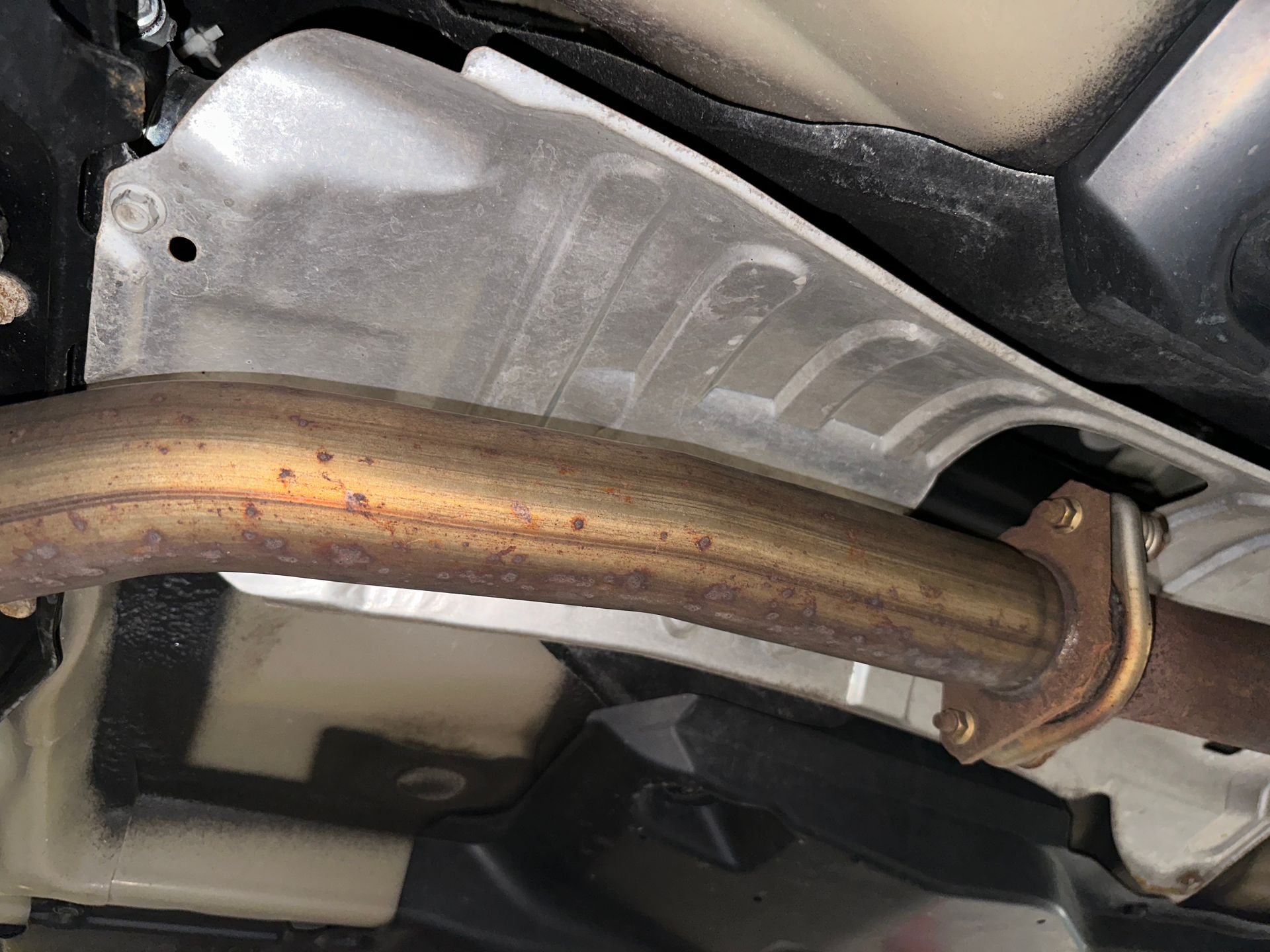
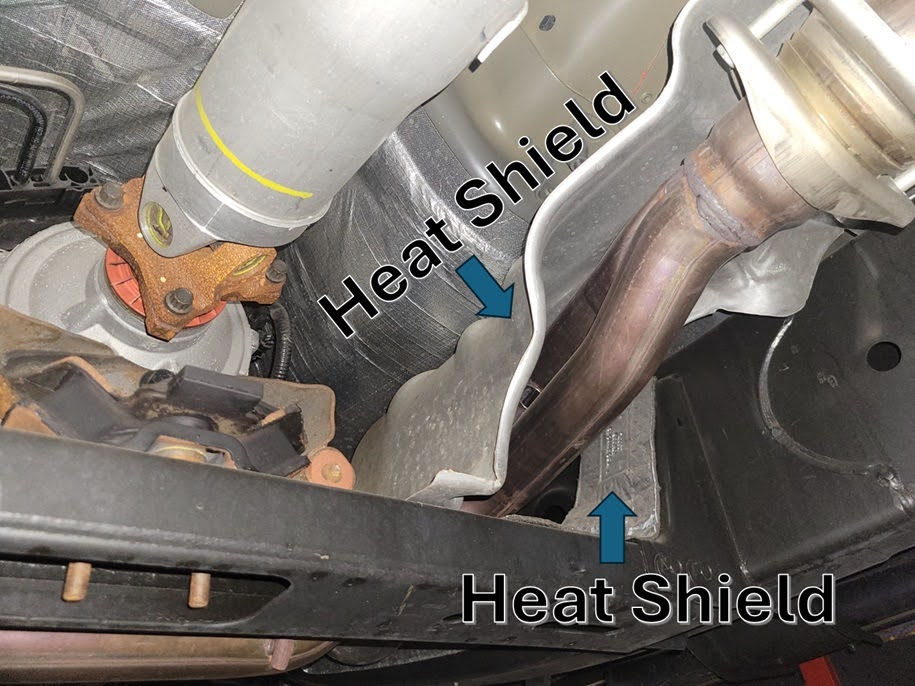
These are perhaps the most common and visible types of heat shields. The exhaust manifold, catalytic converter, and muffler reach extremely high temperatures—often hundreds of degrees Celsius—due to the hot exhaust gases flowing through them. Exhaust heat shields are typically made from stamped aluminum or stainless steel, sometimes with ceramic coatings or internal insulative layers. They are strategically placed to protect the underbody, floor pan, driveshaft, fuel tank, and various lines running adjacent to the exhaust path. Their primary role is to prevent heat soak into the cabin and protect underbody components from direct exposure to these intense temperatures.
Engine Bay Heat Shields
The engine itself is a significant heat source. Engine bay heat shields are designed to protect surrounding components such as wiring harnesses, plastic intake manifolds, fluid reservoirs (power steering, coolant, brake fluid), and even the battery from direct heat radiation emanating from the engine block, turbochargers, and exhaust headers. These shields can range from simple metallic panels to more complex forms molded from composite materials that combine metallic foil with fiberglass or ceramic matting. Modern vehicles, especially those with turbocharged engines, heavily rely on sophisticated engine bay thermal management to maintain optimal operating temperatures for all surrounding systems.
Brake System Heat Shields
While less obvious, brake systems also generate considerable heat, particularly during heavy use. Brake heat shields, often small, disc-shaped metallic plates positioned near the brake rotors and calipers, serve to prevent this intense localized heat from transferring to the wheel bearings, brake fluid, and tires. Maintaining brake fluid temperature is crucial because excessive heat can lead to fluid boiling, resulting in a spongy brake pedal and a dangerous loss of braking effectiveness. These shields help ensure consistent brake performance and extend the life of surrounding components.
Interior and Underbody Shields
Beyond dedicated component protection, broader underbody heat shields are employed to create a comprehensive thermal barrier. These larger panels often cover significant sections of the vehicle’s floor pan, not just directly above the exhaust. They are designed to prevent radiant heat from the road surface (especially hot asphalt or deserts) and the entire driveline from warming the cabin. Interior heat shields, sometimes integrated into the carpet or dashboard structure, can further enhance occupant comfort by blocking heat transfer directly into the cabin from below or through the firewall. These shields often combine insulation with sound-deadening properties, contributing to both thermal and acoustic comfort.
The Technology Behind Thermal Management
The evolution of automotive technology has seen a parallel advancement in thermal management solutions. From simple stamped metal to advanced multi-layered composites, the science behind heat shields is increasingly sophisticated, focusing on maximizing efficiency and minimizing weight.
Reflective vs. Absorptive Technologies
Heat shields primarily work through two mechanisms: reflection and absorption/insulation. Reflective technologies, often utilizing polished aluminum or stainless steel surfaces, bounce radiant heat energy away from sensitive components. This is highly effective against direct line-of-sight heat transfer. Absorptive or insulative technologies, on the other hand, incorporate materials with low thermal conductivity, such as ceramic fibers, fiberglass mats, or aerogels. These materials trap heat within their structure, slowing down its transfer through conduction and convection. Modern heat shields often combine both approaches, using a reflective outer layer to deflect the majority of radiant heat, backed by an insulative layer to manage any heat that penetrates or is generated within the shield itself. The synergistic effect of these technologies allows for highly effective thermal barriers in a compact form factor.
Advanced Materials and Manufacturing
The quest for lighter, more efficient vehicles has spurred innovation in heat shield materials. Beyond traditional metals, composite materials incorporating polymers, ceramics, and even basalt fibers are becoming prevalent. These materials offer superior thermal performance per unit of weight, contributing to overall vehicle efficiency. Manufacturing processes have also evolved, allowing for intricate shapes that precisely fit complex automotive geometries and incorporate features like air gaps and channels for optimized airflow. Hydroforming and advanced stamping techniques enable the creation of highly complex, durable, and lightweight shield designs that were previously impossible with conventional methods. Furthermore, specialized coatings, such as ceramic thermal barrier coatings (TBCs), are applied directly to exhaust components themselves to reduce surface temperatures before heat even reaches a separate shield.
Integration with Vehicle Aerodynamics and Cooling Systems
Modern vehicle design considers thermal management as an integrated system rather than an afterthought. Heat shields are not isolated components but are often designed in conjunction with a vehicle’s aerodynamics and overall cooling architecture. Airflow around and through the engine bay and underbody is meticulously managed to facilitate heat dissipation. Ducts and vents, along with carefully shaped heat shields, direct hot air away from critical components and the cabin, while drawing in cooler ambient air where needed. Computational Fluid Dynamics (CFD) simulations are extensively used during the design phase to model heat transfer and airflow, optimizing the placement, shape, and material selection of heat shields to ensure maximum effectiveness without impeding other vehicle functions or adding unnecessary weight. This holistic approach ensures that heat shields contribute to the entire thermal equilibrium of the vehicle.
Maintenance, Longevity, and Future Innovations
While often out of sight, heat shields are subject to extreme conditions and can degrade over time. Understanding their maintenance, limitations, and the trajectory of future innovations is crucial for sustained vehicle performance and safety.
Recognizing Wear and Tear
Heat shields are exposed to constant thermal cycling, vibrations, road debris, and corrosive elements like road salt. Over time, these factors can lead to degradation. Common signs of a failing heat shield include rattling noises (often caused by loose or broken mounting points), visible cracks or damage to the shield material, and, less directly, signs of heat stress on adjacent components (e.g., brittle wiring, melted plastic, or discolored paint on the underbody). A compromised heat shield can lead to elevated temperatures in sensitive areas, potentially causing pre-ignition issues, brake fade, or premature wear of components it was designed to protect. Regular inspections during routine service can identify and address these issues before they escalate. Replacement heat shields are often designed to be direct fit, ensuring proper thermal management is restored.
Impact of Aftermarket Modifications
Owners who modify their vehicles, especially those enhancing engine performance or upgrading exhaust systems, should pay particular attention to thermal management. Aftermarket exhaust components, for instance, might not always come with integrated heat shielding or may require custom solutions. Removing or improperly reinstalling factory heat shields during modifications can have significant negative consequences, exposing critical components to dangerously high temperatures. High-performance engines or turbocharged setups generate even more heat, necessitating enhanced thermal barriers. When upgrading, it is essential to consider the thermal implications and ensure that adequate shielding is in place, potentially upgrading to more robust aftermarket heat shield solutions designed for higher temperature applications.

Emerging Trends in Automotive Thermal Management
The future of automotive heat shields is intertwined with the evolution of vehicle technology, particularly the shift towards electric vehicles (EVs) and continued advancements in internal combustion engines (ICE). For ICE vehicles, the focus remains on lighter, more durable, and more efficient materials, with a continued push towards integrated thermal management systems that leverage smart materials and potentially active cooling elements within the shield structure itself. For EVs, while engine heat is absent, battery packs, electric motors, and power electronics generate their own significant heat that requires precise management. Future heat shields in EVs will increasingly focus on isolating these components from extreme external temperatures (e.g., hot climates, road surface heat) and preventing thermal runaway propagation in battery systems. Innovations in nanotechnology, phase-change materials, and advanced thermal interface materials are paving the way for even more sophisticated and adaptive heat shield technologies, ensuring that thermal safety and performance remain at the forefront of automotive design.
aViewFromTheCave is a participant in the Amazon Services LLC Associates Program, an affiliate advertising program designed to provide a means for sites to earn advertising fees by advertising and linking to Amazon.com. Amazon, the Amazon logo, AmazonSupply, and the AmazonSupply logo are trademarks of Amazon.com, Inc. or its affiliates. As an Amazon Associate we earn affiliate commissions from qualifying purchases.