
The Enneagram, a powerful system for understanding personality, offers profound insights into an individual’s core motivations, fears, and behaviors. While identifying one’s core Enneagram type provides a foundational understanding, the concept of “wings” adds crucial layers of nuance, significantly enriching an individual’s profile. For those focused on developing a strong personal brand, refining corporate identity, or enhancing marketing strategies, grasping the role of Enneagram wings is invaluable. It illuminates the subtle yet significant influences that shape how one presents themselves, interacts with the world, and builds their professional narrative.
Beyond the Core: Understanding Your Enneagram Foundation
Before delving into wings, it’s essential to briefly understand the Enneagram’s core premise. The system describes nine interconnected personality types, each representing a distinct worldview and a primary motivation that drives an individual. These types are:
- Type 1: The Reformer – Principled, purposeful, self-controlled, and a perfectionist.
- Type 2: The Helper – Generous, demonstrative, people-pleasing, and possessive.
- Type 3: The Achiever – Adaptable, excelling, driven, and image-conscious.
- Type 4: The Individualist – Expressive, dramatic, self-absorbed, and temperamental.
- Type 5: The Investigator – Perceptive, innovative, secretive, and isolated.
- Type 6: The Loyalist – Engaging, responsible, anxious, and suspicious.
- Type 7: The Enthusiast – Spontaneous, versatile, acquisitive, and scattered.
- Type 8: The Challenger – Self-confident, decisive, domineering, and confrontational.
- Type 9: The Peacemaker – Receptive, reassuring, agreeable, and complacent.
Your core type is your home base, the primary lens through which you experience life. However, no one is a pure representation of a single type. We are complex individuals, and the Enneagram accounts for this complexity through the concept of wings. Understanding this core and its nuances is the first step in authentic self-representation, a cornerstone of effective personal branding.
The Concept of Wings: Expanding Your Enneagram Profile
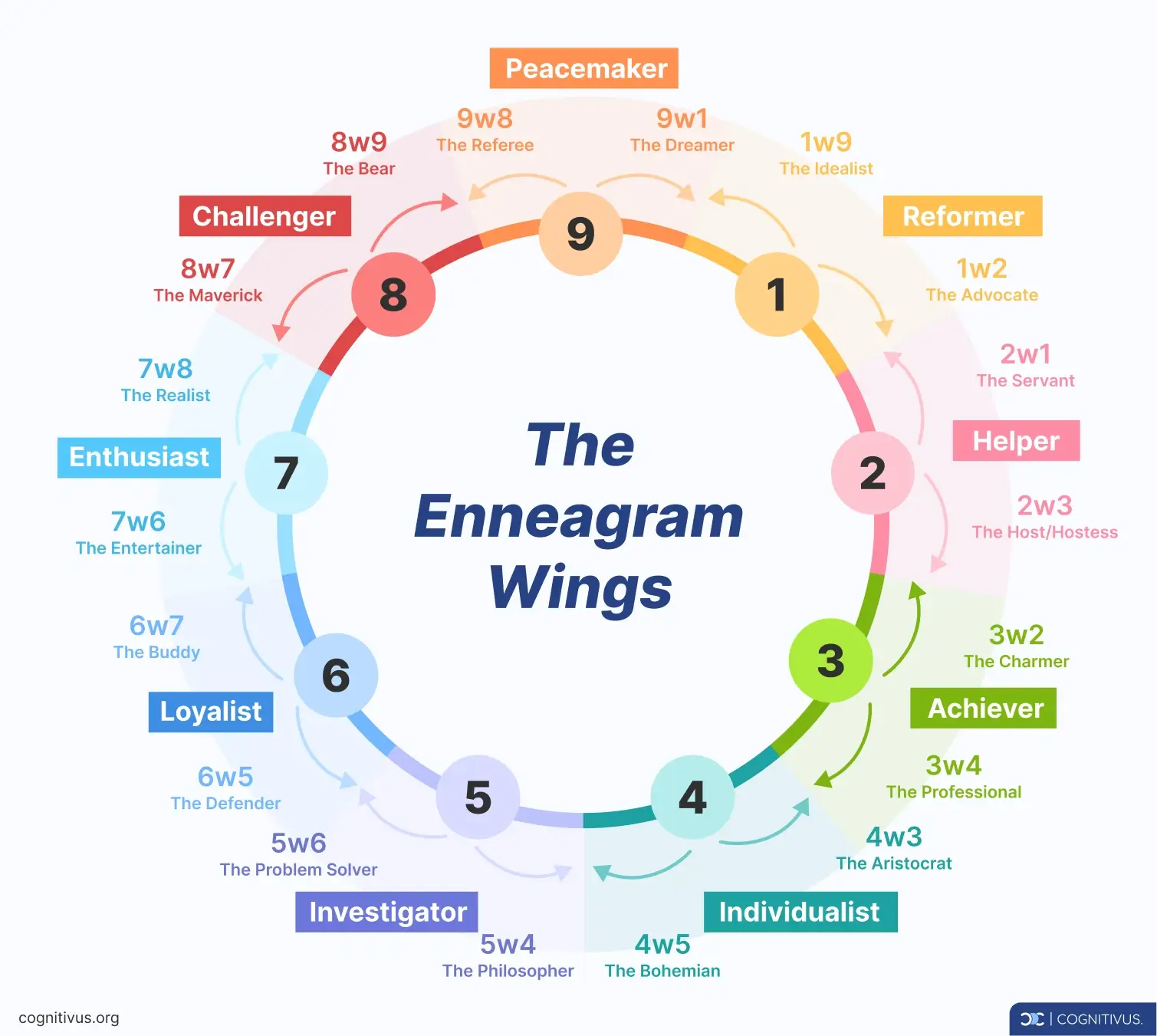
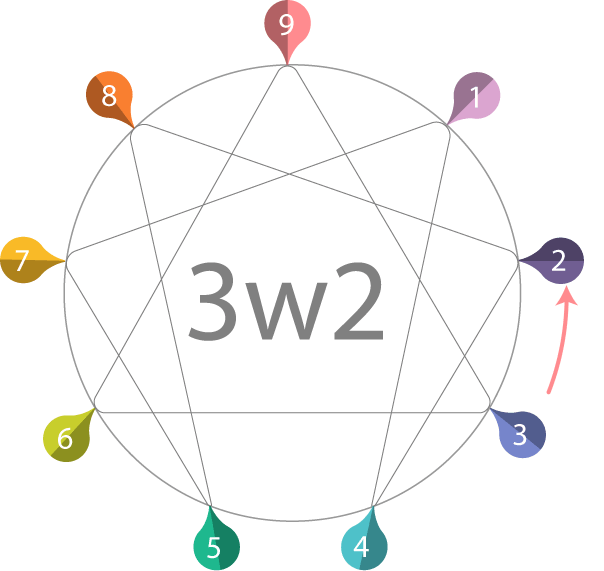
Enneagram wings refer to the two types located immediately adjacent to your core type on the Enneagram symbol. For example, if your core type is a Three, your potential wings are Two and Four. You typically have one dominant wing, which blends its characteristics with your core type, creating a unique subtype. This dominant wing subtly—or sometimes overtly—modifies your primary motivations, behaviors, and ways of interacting with the world.
Think of your core type as the main flavor of your personality, and your dominant wing as a significant complementary note that adds depth and complexity. It’s not a secondary type, but rather an influence that colors your core expression. You are always your core type, but you express it with the flavor of your dominant wing.
How Wings Manifest in Your Personality
- Type 1 (Reformer) can have a 1w9 (The Idealist) or a 1w2 (The Advocate).
- 1w9 might be more gentle, detached, and strive for perfection with a calm, accepting demeanor, less prone to overt criticism. This can translate into a brand persona that is principled yet approachable, focused on harmony in standards.
- 1w2 might be more assertive, outwardly critical, and driven by a desire to help others improve, channeling their ideals into service. Their brand might be seen as a passionate leader for improvement, actively engaging in causes.
- Type 2 (Helper) can have a 2w1 (The Servant) or a 2w3 (The Host/Hostess).
- 2w1 blends the desire to help with a principled, ethical approach, often appearing more serious and driven by a sense of duty. Their personal brand might be built on integrity and altruism, offering structured support.
- 2w3 combines the desire to help with an emphasis on image, success, and social appeal, making them more outwardly charismatic and ambitious in their service. Their brand could be dynamic, engaging, and highly networked, adept at fostering community and showcasing impact.
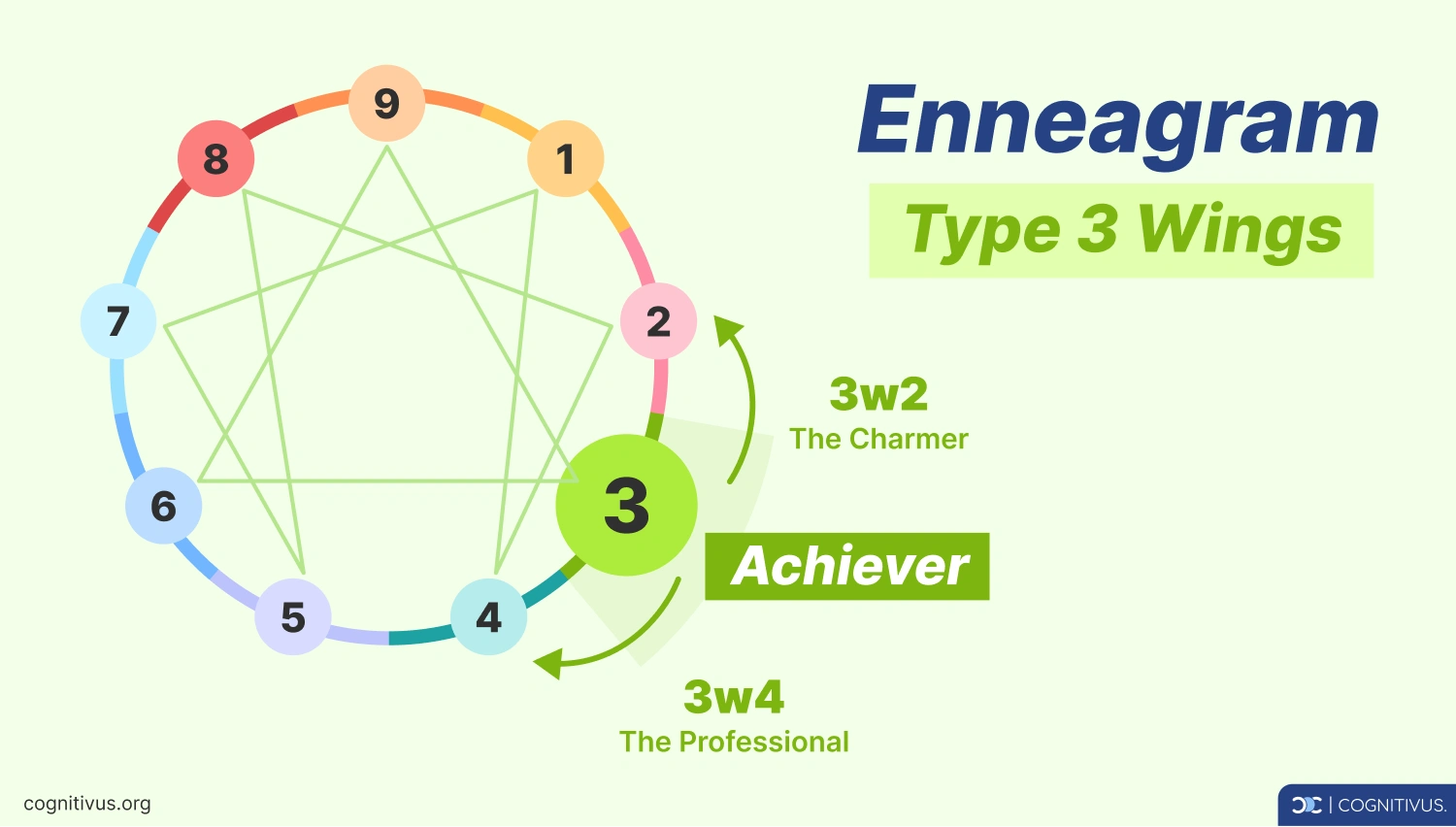
- Type 3 (Achiever) can have a 3w2 (The Charmer) or a 3w4 (The Professional).
- 3w2 is highly focused on achieving success while also being personable, engaging, and eager to connect with others, often using their charm to build rapport and influence. Their brand would be charismatic, excellent at networking, and adept at public relations, selling their achievements through personal connection.
- 3w4 is more individualistic, focused on unique achievements and maintaining an image of competence and distinctiveness. They are often more serious and self-contained, driving for excellence in a specialized field. Their brand would be authoritative, sophisticated, and centered on expert credibility and unique contributions.
- Type 4 (Individualist) can have a 4w3 (The Aristocrat) or a 4w5 (The Bohemian).
- 4w3 is expressive and creative, but also attuned to presenting a unique and desirable image, often achieving recognition for their artistic or aesthetic contributions. Their brand is distinctive, often artistic, and consciously curated for impact and recognition.
- 4w5 is more withdrawn and intellectual, combining their emotional depth with a desire for understanding and knowledge. They are often profoundly original but less focused on outward presentation. Their brand would be characterized by depth, insight, and a unique intellectual or artistic perspective, often attracting a niche audience.
- Type 5 (Investigator) can have a 5w4 (The Iconoclast) or a 5w6 (The Problem Solver).
- 5w4 blends the Five’s intellectual curiosity with the Four’s emotional depth and individualism, often leading to creative, artistic, or unconventional intellectual pursuits. Their brand is often seen as visionary, highly original, and possessing profound, unique insights.
- 5w6 combines the Five’s analytical mind with the Six’s need for security and practical knowledge, making them excellent researchers, planners, and strategists. Their brand is reliable, expertly analytical, and provides structured, well-researched solutions.
- Type 6 (Loyalist) can have a 6w5 (The Defender) or a 6w7 (The Buddy).
- 6w5 is more introverted, intellectual, and self-reliant, combining loyalty with a need for certainty and detailed understanding, often appearing cautious and analytical. Their brand would be trustworthy, analytical, and highly prepared, emphasizing security and reliability.
- 6w7 is more outgoing, engaging, and optimistic, balancing their need for security with a desire for new experiences and social connection, often appearing warm and adventurous. Their brand is approachable, collaborative, and can inspire confidence through enthusiastic support and networking.
- Type 7 (Enthusiast) can have a 7w6 (The Entertainer) or a 7w8 (The Realist).
- 7w6 is more focused on planning and seeking security in their adventures, often using humor and charm to engage others and deflect anxiety. Their brand is engaging, fun, and can be seen as a charismatic leader who fosters community and excitement while maintaining a degree of structure.
- 7w8 is more assertive, direct, and pragmatic in their pursuit of new experiences, often combining their zest for life with a powerful, no-nonsense approach. Their brand is dynamic, bold, and entrepreneurial, pushing boundaries and taking decisive action.
- Type 8 (Challenger) can have a 8w7 (The Maverick) or a 8w9 (The Bear).
- 8w7 is more adventurous, energetic, and outwardly expansive, combining their power with a desire for new experiences and enjoyment. Their brand is fearless, innovative, and driven, often seen as a visionary leader who is not afraid to take risks.
- 8w9 is more grounded, calm, and outwardly protective, blending their strength with a desire for peace and harmony. Their brand is powerful yet stable, demonstrating a quiet authority that fosters loyalty and a sense of security.
- Type 9 (Peacemaker) can have a 9w8 (The Referee) or a 9w1 (The Dreamer).
- 9w8 is more assertive, direct, and grounded, combining their desire for peace with a willingness to stand up for themselves and others when necessary. Their brand is steady, fair, and provides a powerful, calming presence, capable of decisive action when conflict arises.
- 9w1 is more idealistic, principled, and withdrawn, blending their desire for harmony with a drive for moral correctness and perfection. Their brand is serene, ethical, and strives for an ideal world, often seen as a thoughtful guide who promotes integrity and peaceful solutions.
Understanding these subtle shifts in expression is critical for anyone looking to articulate their unique professional value.
The Practical Application of Wings in Personal Branding
In the realm of personal branding, authenticity is paramount. Knowing your dominant Enneagram wing empowers you to:
1. Define Your Authentic Brand Voice
Your core type sets the foundation, but your wing adds flavor to your communication style, the types of stories you tell, and how you articulate your value proposition. A 3w2, for example, might naturally use more engaging, relational language to convey their achievements, while a 3w4 might emphasize their unique expertise and the exclusivity of their accomplishments. Recognizing these natural inclinations allows for a brand voice that resonates as genuinely “you,” fostering trust and connection.
2. Identify and Leverage Unique Strengths
Each wing combination brings distinct strengths. A 5w4 might be exceptional at generating innovative, unconventional ideas, making them an ideal brand for creative problem-solving. A 6w5 might excel at meticulous risk assessment and strategic planning, positioning them as a reliable authority in their field. By understanding these specific strengths, you can consciously highlight them in your professional narratives, marketing materials, and networking efforts, distinguishing yourself in a competitive landscape.
3. Mitigate Potential Brand Weaknesses
Awareness of your wing also sheds light on potential challenges or areas for development. A 7w8 might be incredibly dynamic but could come across as overly assertive or impatient, potentially alienating some stakeholders. A 9w1, while peaceful and harmonious, might struggle with decisive action or asserting their own needs, which could dilute their brand’s impact in leadership roles. Recognizing these tendencies allows you to proactively adjust your approach, ensuring your brand remains balanced and effective. For example, a 7w8 might learn to temper their directness with more active listening, while a 9w1 might develop strategies for more assertive communication when needed.
4. Tailor Your Professional Narrative and Positioning
Your wing influences how you prefer to be perceived and what kind of impact you want to make. Do you want to be seen as the innovative thought leader (5w4)? The supportive, principled guide (1w2)? The dynamic, results-driven achiever (3w2)? This understanding allows you to consciously shape your professional narrative, selecting experiences, skills, and values to emphasize that align with your deepest motivations and desired brand identity. It helps you carve out a specific niche and communicate your unique selling proposition with clarity.
Leveraging Wing Awareness for Professional Growth
Beyond branding, understanding your Enneagram wing is a powerful tool for continuous professional development.
Enhancing Leadership and Team Dynamics
Leaders who understand their own core type and wing, as well as those of their team members, can foster more effective communication and collaboration. A leader who is a 8w9, for instance, might be a strong, protective figure who prioritizes stability, while an 8w7 leader might be more comfortable with rapid change and risk-taking. Recognizing these differences allows leaders to adapt their style, motivate diverse teams more effectively, and build a cohesive corporate identity that leverages varied strengths. Similarly, understanding the wings of team members can help in assigning roles, resolving conflicts, and nurturing individual talents in ways that align with their natural tendencies.
Refining Communication and Influence
Your wing affects how you naturally communicate and persuade. A 2w3, driven to connect and succeed, might naturally use more emotionally intelligent, outwardly charming approaches in negotiations or presentations. A 6w5, valuing security and analysis, might rely more on data, logic, and proven facts to build trust and influence decisions. By understanding your innate style, you can hone it, making your communication more impactful and tailored to specific audiences, whether in client pitches, team meetings, or public speaking. This strategic self-awareness translates directly into stronger marketing and brand messaging.
Strategic Goal Setting and Motivation
Your wing impacts what truly motivates you and how you pursue your goals. A 1w9 might be motivated by achieving a state of harmonious perfection, approaching projects with meticulous care and a steady pace. A 1w2 might be driven by the desire to implement correct systems that benefit others, pushing for action and improvement. Aligning your professional goals with these deeper motivations, colored by your wing, can lead to greater job satisfaction, sustained effort, and ultimately, more resonant professional achievements that reinforce your authentic brand.
In conclusion, Enneagram wings are not merely an academic addition to a personality system; they are vital components that add depth, nuance, and actionable insights for anyone serious about personal branding, professional development, and understanding human dynamics in a business context. By embracing the full spectrum of your Enneagram profile, including your dominant wing, you unlock a powerful framework for authentic self-expression, strategic positioning, and sustained growth in your professional journey.
aViewFromTheCave is a participant in the Amazon Services LLC Associates Program, an affiliate advertising program designed to provide a means for sites to earn advertising fees by advertising and linking to Amazon.com. Amazon, the Amazon logo, AmazonSupply, and the AmazonSupply logo are trademarks of Amazon.com, Inc. or its affiliates. As an Amazon Associate we earn affiliate commissions from qualifying purchases.