
The world of microbiology, often unseen, holds profound implications for numerous industries, directly impacting financial bottom lines, operational efficiencies, and investment opportunities. Among the most intriguing and economically significant concepts are Effective Microorganisms (EMs). Far from being a mere scientific curiosity, EMs represent a powerful blend of beneficial microbes that, when harnessed correctly, offer substantial economic advantages across diverse sectors from agriculture to waste management and even personal finance. Understanding what EMs are and how they function is the first step toward unlocking their considerable financial utility.
The Science and Economic Utility of Microbial Blends
At its core, Effective Microorganisms (EMs) refers to a proprietary blend of beneficial, naturally occurring microorganisms that, when applied to organic matter, enhance its decomposition and create a regenerative environment. This concept was pioneered by Professor Teruo Higa in Japan in the early 1980s. The economic utility of EMs stems from their ability to shift microbial populations in various environments from degenerative (putrefying) to regenerative (fermentative), thereby optimizing natural processes and reducing reliance on costly artificial interventions.
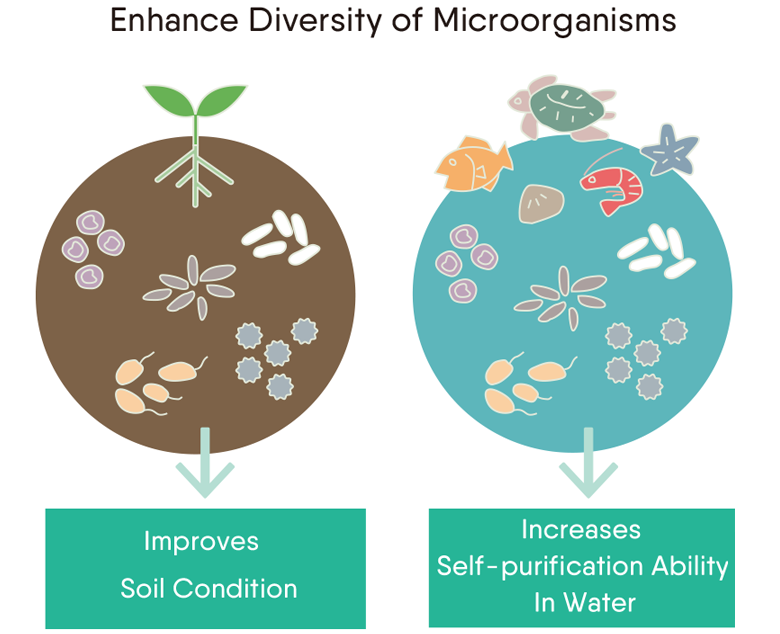
Defining Effective Microorganisms (EMs)
EMs are not a single organism but rather a synergistic consortium, typically comprising three main groups of microbes:
- Lactic Acid Bacteria: These are common in fermented foods and play a crucial role in suppressing harmful microorganisms and accelerating organic decomposition. Their activity helps create an acidic environment that inhibits pathogens.
- Photosynthetic Bacteria: These self-sufficient microbes utilize sunlight and heat as energy sources, synthesizing useful substances from root exudates, organic matter, and harmful gases like hydrogen sulfide. They are vital for converting waste into valuable resources and improving nutrient cycling.
- Yeasts: Known for their fermentative capabilities, yeasts produce bioactive substances like hormones and enzymes that promote cell growth and activity, beneficial for both plants and other microorganisms within the EM blend.
Together, these microbes engage in a symbiotic relationship, each contributing to the overall effectiveness of the blend. They collectively produce antioxidants, enzymes, vitamins, and amino acids that stimulate beneficial microbial activity, enhance soil quality, improve water systems, and decompose organic matter efficiently. The true power lies in their collective ability to establish a dominant regenerative microbial environment, outcompeting pathogenic or putrefactive microbes.
The Symbiotic Advantage and Its Value Proposition
The economic value proposition of EMs is rooted in this symbiotic advantage. By introducing a robust and balanced microbial community, EMs reduce the need for expensive chemical inputs, mitigate environmental pollution, and increase the efficiency of natural biological processes. For businesses, this translates into direct cost savings, improved product quality, enhanced resource utilization, and often, compliance with stricter environmental regulations that might otherwise incur significant penalties or investment in complex infrastructure. For consumers, it can mean healthier, more sustainable lifestyles with reduced costs. This foundational understanding allows us to explore specific financial applications.
Maximizing Agricultural Profitability with EM Technology
The agricultural sector stands as one of the primary beneficiaries of EM technology, offering tangible financial returns through increased yields, reduced operational expenses, and improved product quality. Farmers and agribusinesses are continually seeking ways to optimize output while minimizing input costs, and EMs present a compelling solution.
Boosting Crop Yields and Soil Capital
EMs contribute significantly to soil health, which is the bedrock of agricultural productivity. When applied to soil, EMs enhance the decomposition of organic matter, converting it into stable humus. This improves soil structure, water retention, and nutrient availability. Photosynthetic bacteria fix atmospheric nitrogen, while lactic acid bacteria and yeasts make essential nutrients like phosphorus and potassium more accessible to plants. The result is often healthier, more robust crops that are less susceptible to pests and diseases, leading to higher yields and better quality produce. For a farmer, higher yields mean greater revenues from the same land area, while healthier soil reduces long-term degradation and maintains the land’s capital value. Furthermore, the improved resilience of crops can reduce losses due to stress, directly impacting profitability.
Reducing Operational Costs: A Sustainable Investment
One of the most immediate financial benefits of EM adoption in agriculture is the potential for significant reductions in operational costs. EMs can partially or entirely replace synthetic fertilizers, pesticides, and herbicides. Synthetic chemicals are not only expensive but can also degrade soil health over time, necessitating ever-increasing applications. By fostering a natural, self-sustaining microbial ecosystem, EMs diminish the need for these chemical inputs, leading to substantial savings on purchasing, application equipment, and labor. This shift towards biological solutions represents a sustainable investment, yielding consistent savings year after year and contributing to a farm’s long-term economic viability. Moreover, it often allows producers to access premium markets for organic or sustainably grown produce, commanding higher prices.
Enhanced Livestock Health and Market Value
Beyond crop production, EMs play a crucial role in livestock management, offering financial benefits through improved animal health, productivity, and waste management. When added to animal feed or drinking water, EMs can enhance gut health, improve nutrient absorption, and boost immune systems. This leads to healthier animals that gain weight more efficiently, produce better quality milk or eggs, and are less prone to illness, thereby reducing veterinary costs and the need for antibiotics. EMs also effectively reduce odors and accelerate the decomposition of animal waste, turning potentially costly waste into valuable compost or fertilizer. Healthier animals and efficient waste management contribute directly to the financial success of livestock operations by increasing output quality, reducing losses, and cutting disposal costs.
Waste Management and Environmental Solutions: Financial Efficiencies
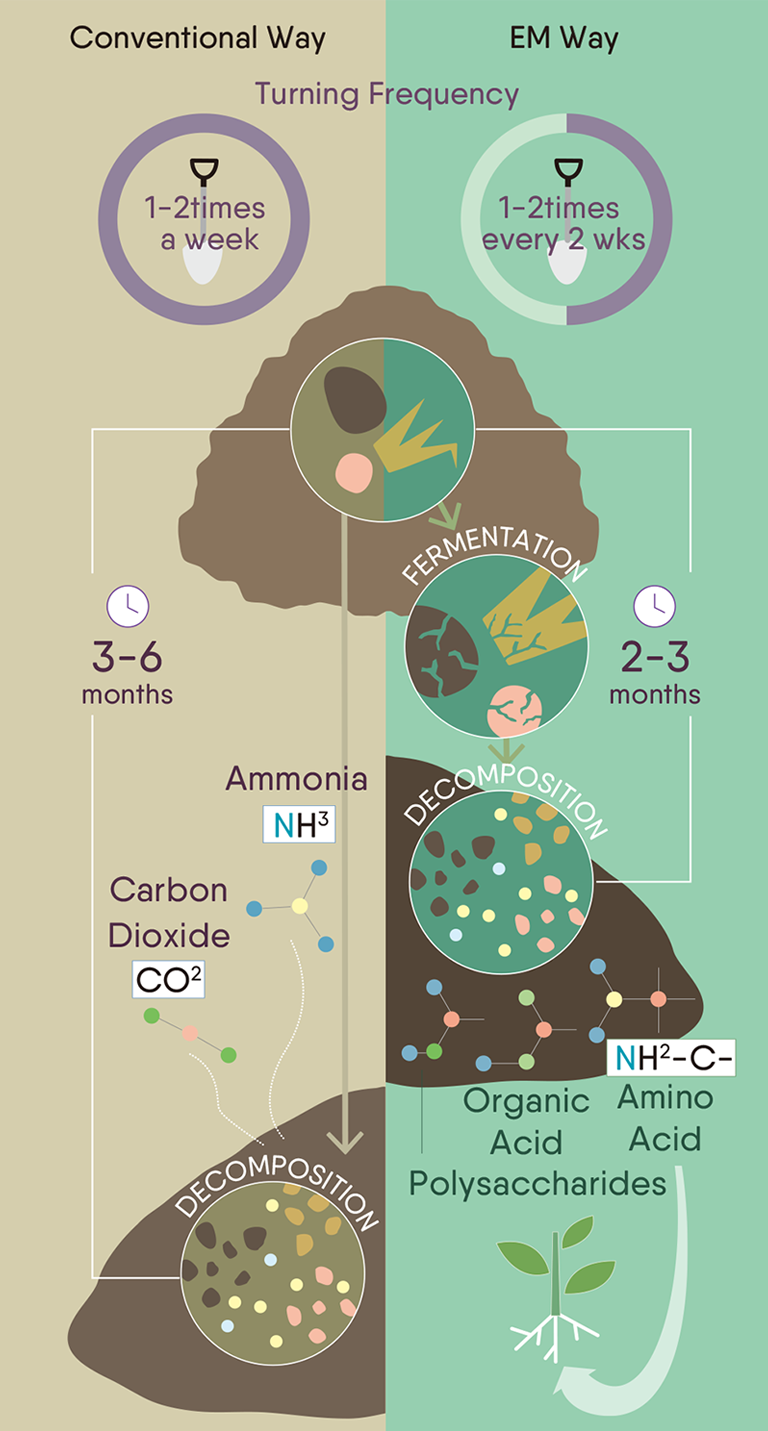
The economic burden of waste management, from landfills to wastewater treatment, is immense for municipalities and industries alike. EMs offer innovative, cost-effective biological solutions that can significantly reduce these financial outlays while promoting environmental sustainability.
Cost-Effective Waste Decomposition and Odor Control
Traditional waste management methods often involve costly chemical treatments or energy-intensive processes. EMs provide a natural, biological alternative for decomposing organic waste. By initiating a fermentative process rather than putrefaction, EMs accelerate the breakdown of organic matter in compost piles, landfills, and waste processing facilities. This not only reduces the volume of waste but also mitigates the release of foul odors, which can be a significant nuisance and a source of legal issues for waste management operations. Implementing EMs can lead to savings on odor control systems, reduced transport costs due to faster volume reduction, and the creation of valuable compost from previously unusable waste. This transformation of waste into a marketable resource can generate new revenue streams.
Wastewater Treatment: Saving on Infrastructure and Chemicals
Wastewater treatment is another area where EMs present considerable financial advantages. Conventional wastewater treatment plants require substantial capital investment and ongoing operational costs for chemicals, aeration, and sludge disposal. EMs can be introduced into wastewater systems to break down pollutants, reduce sludge volume, and improve water quality more efficiently. The photosynthetic bacteria in EMs are particularly effective at consuming harmful compounds and reducing algae growth. This biological approach can lower the demand for expensive chemical flocculants and disinfectants, decrease energy consumption for aeration, and minimize the volume of sludge requiring disposal, which is a major operational expense. For municipalities and industrial facilities, these savings can amount to millions over the lifespan of a treatment plant, demonstrating a clear return on investment.
Entrepreneurial Ventures and Personal Financial Gains
Beyond large-scale industrial applications, the principles of Effective Microorganisms open doors for various entrepreneurial ventures and even personal financial savings, democratizing access to their benefits.
Business Models in EM Production and Distribution
The growing awareness of sustainable practices and organic solutions creates a robust market for EM-based products. Entrepreneurs can establish businesses focused on the production of EM mother cultures, activated EM solutions, or specialized EM-infused products tailored for specific applications like agricultural use, pet care, or household cleaning. These businesses can operate on various scales, from local producers serving regional markets to larger enterprises with national or international distribution networks. The initial investment in microbial culturing facilities can be modest, especially for localized production, making it an accessible segment for new businesses focused on biotechnology and sustainable products.
Side Hustles and Consulting: Leveraging EM Expertise
Individuals with expertise in EM application can find lucrative opportunities as consultants. Farmers, community gardens, and even homeowners are increasingly seeking advice on how to integrate EM technology into their practices. Offering consulting services on soil health, compost management, odor control, or sustainable gardening using EMs can generate significant online income or a robust side hustle. This could involve creating educational content, workshops, or providing direct advisory services. The low overhead and high demand for sustainable solutions make EM consulting an attractive venture for those passionate about ecological balance and financial independence.
Household Applications: Budgeting for a Greener Life
On a personal finance level, EMs offer direct savings for the savvy consumer. By creating homemade EM solutions, individuals can significantly reduce their spending on chemical cleaners, deodorizers, and even garden amendments. EMs can be used to clean drains, eliminate odors in homes and refrigerators, improve septic tank efficiency, and enhance backyard composting. This reduction in recurring household expenses, coupled with the environmental benefits of avoiding harsh chemicals, contributes to a more sustainable and financially prudent lifestyle. The DIY aspect of EM application empowers individuals to take control of their domestic environment while saving money over time.
Investing in the Future: The EM Market Outlook
The widespread utility and proven effectiveness of EMs position them as a compelling area for investment. As global trends lean towards sustainability, organic farming, and efficient resource management, the market for EM technology is poised for significant growth.
Growth Drivers and Investment Opportunities
Several macroeconomic factors are driving the expansion of the EM market. These include increasing consumer demand for organic food, stricter environmental regulations on waste and pollution, a growing focus on circular economies, and the search for sustainable agricultural practices to feed a growing global population. Companies engaged in EM research, production, and specialized application technologies represent attractive investment opportunities. This could include biotech firms developing advanced microbial consortia, agricultural input suppliers integrating EMs into their product lines, or waste management companies deploying EM-based solutions on a large scale.

Identifying Innovative EM Applications for Portfolio Diversification
Investors looking to diversify their portfolios might consider companies that are pioneering new or niche applications of EM technology. This could range from specific uses in aquaculture, bioremediation of contaminated sites, or even pharmaceutical and cosmetic applications leveraging the antioxidant properties of EM-fermented products. Evaluating companies based on their scientific innovation, market penetration, and scalability of EM solutions will be key. The long-term trajectory of the EM market suggests a sustained demand for biological solutions that offer both environmental benefits and strong economic returns, making it a promising sector for strategic investment.
aViewFromTheCave is a participant in the Amazon Services LLC Associates Program, an affiliate advertising program designed to provide a means for sites to earn advertising fees by advertising and linking to Amazon.com. Amazon, the Amazon logo, AmazonSupply, and the AmazonSupply logo are trademarks of Amazon.com, Inc. or its affiliates. As an Amazon Associate we earn affiliate commissions from qualifying purchases.