
Dress trousers stand as a cornerstone of professional attire, meticulously designed to convey formality, sophistication, and a keen attention to detail. More than mere garments, they are a fundamental component of personal branding and contribute significantly to an organization’s corporate identity. Understanding what defines dress trousers—their characteristics, design principles, and strategic application—is essential for individuals and entities striving to project a polished and credible image in the professional sphere.
Defining Professional Attire: The Role of Dress Trousers in Personal Branding
In the realm of personal branding, every element of one’s appearance contributes to the narrative conveyed to the world. Dress trousers, distinct from their casual counterparts, play a pivotal role in this visual communication, signaling professionalism, respect, and a commitment to excellence. They are not just clothing; they are a strategic asset in crafting a powerful first impression and sustaining a reputable image.

Beyond Casual: Distinguishing Features of Dress Trousers
The primary distinction of dress trousers lies in their inherent formality and refined construction. Unlike jeans, chinos, or cargo pants, dress trousers are characterized by:
- Fabric: Typically crafted from woven materials such as wool (gabardine, flannel, worsted), cotton twill, linen blends, or synthetic blends designed to mimic natural fibers while offering durability and wrinkle resistance. These fabrics possess a more structured drape and a smoother finish than casual alternatives.
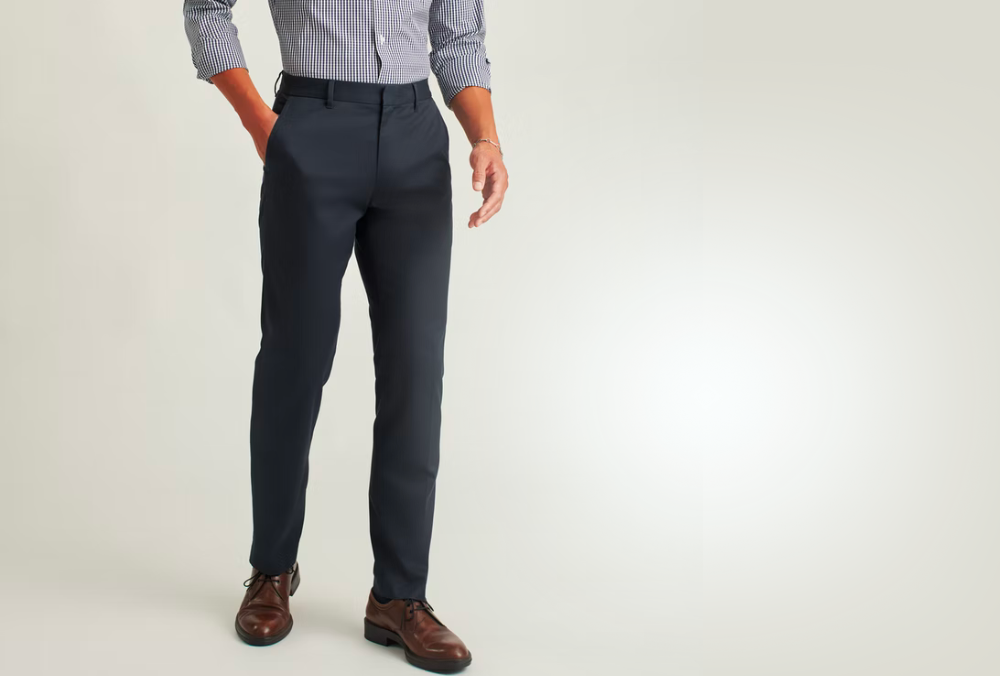
- Cut and Silhouette: Dress trousers generally feature a clean, streamlined silhouette. They can range from classic straight-leg cuts to more contemporary slim-fit styles, but always maintain a tailored look that avoids excessive bagginess or tightness. They are designed to sit comfortably at the natural waist or just below, ensuring a polished line from waist to ankle.
- Finish and Details: Key indicators of dress trousers include a flat front or subtle pleats (single or double), a structured waistband, and often a crease running down the front of each leg. Pockets are typically discreetly integrated—jetted or besom pockets at the back, and slant or frogmouth pockets at the front—avoiding the utility-driven, exposed pockets found on casual wear. Hems are usually finished with a clean blind stitch, sometimes with a cuff (turn-up), further adding to their formal appeal. Belt loops are standard, accommodating a formal leather belt that complements the overall ensemble.
These elements collectively ensure that dress trousers contribute to an appearance of competence and reliability, attributes critical for any personal brand aiming for leadership or authority.
The Psychology of Attire: First Impressions and Credibility
The visual cues provided by professional attire, particularly dress trousers, unconsciously influence perception. Studies in social psychology consistently demonstrate that individuals dressed in formal wear are often perceived as more intelligent, trustworthy, and authoritative. For personal branding, this translates into tangible benefits:
- Enhanced Credibility: Wearing well-tailored dress trousers projects an image of meticulousness and professionalism, suggesting that one approaches tasks with similar care and attention to detail.
- Increased Respect: Formal attire signals respect for the occasion, the environment, and the individuals one interacts with, fostering a reciprocal sense of esteem.
- Self-Perception and Confidence: The act of dressing formally can also influence self-perception, boosting confidence and promoting a more assertive and focused demeanor, which further strengthens one’s brand presence.
By strategically incorporating dress trousers into a professional wardrobe, individuals can actively shape their personal brand, influencing how they are perceived in meetings, presentations, and networking opportunities.
Dress Trousers as a Cornerstone of Corporate Identity
Beyond individual branding, dress trousers play an integral role in establishing and maintaining a consistent corporate identity. For organizations, a unified approach to professional attire, often centered around staples like dress trousers, communicates cohesion, professionalism, and adherence to specific brand values.
Uniformity and Professionalism: Setting the Standard
Many organizations, particularly those in client-facing roles or industries demanding high levels of formality (e.g., finance, law, consulting), implement dress codes that mandate professional attire. Dress trousers serve as a foundational element of these codes, ensuring a consistent level of professionalism across the workforce.
- Unified Brand Image: When employees consistently wear appropriate dress trousers, it creates a visual uniformity that reinforces the corporate brand. This consistency tells clients and partners that the organization operates with discipline and a high standard of presentation.
- Client Perception: A team dressed in crisp, well-fitting dress trousers projects an image of competence and trustworthiness. This can significantly influence client confidence and perception of the organization’s capabilities and reliability.
- Internal Culture: A professional dress code, centered on items like dress trousers, can also shape internal culture, fostering a sense of shared purpose and a commitment to upholding the organization’s reputation.
Adapting to Industry Norms: Balancing Tradition and Modernity
While the core definition of dress trousers remains consistent, their specific application within corporate identity can adapt to industry norms and evolving business cultures.
- Traditional Industries: In sectors like banking or law, classic wool dress trousers in conservative colors (charcoal, navy, black) are often the expected standard, reflecting a brand identity rooted in tradition, stability, and gravitas.
- Creative or Tech Industries: Even in environments that embrace “business casual,” the spirit of dress trousers often persists. This might manifest as tailored wool-blend trousers in slightly lighter shades or more contemporary cuts, signaling a modern yet still professional brand identity that values innovation without sacrificing polish.
- Global Corporate Identity: For multinational corporations, the adoption of dress trousers can provide a universal standard of professionalism that transcends cultural differences in fashion, ensuring a consistent brand representation worldwide.
The careful selection and consistent application of dress trousers within a corporate dress code therefore become a strategic tool for reinforcing brand values and communicating a clear identity to both internal and external stakeholders.
Design Principles in Dress Trousers: Crafting an Impeccable Image
The effectiveness of dress trousers in supporting personal and corporate branding hinges significantly on their design and construction. Every detail, from the choice of fabric to the precision of the tailoring, contributes to the overall message conveyed.
Fabric Selection: Durability, Drape, and Message
The fabric is the foundational element of any dress trouser, influencing its aesthetic appeal, comfort, and longevity.
- Wool: Revered for its natural drape, breathability, and wrinkle resistance, wool is the quintessential fabric for dress trousers. Worsted wool offers a smooth finish ideal for formal business settings, while flannel provides a softer texture suitable for cooler climates or slightly less formal business environments. The quality of wool often correlates with its “super” count (e.g., Super 100s, Super 120s), indicating fiber fineness and resulting in a more luxurious feel and drape.
- Cotton Twill/Gabardine: For a slightly more relaxed yet still professional look, fine cotton twill or gabardine can be used. These fabrics offer a crisp hand and are durable, suitable for business casual settings where a tailored appearance is still paramount.
- Blended Fabrics: Modern blends (e.g., wool-polyester, cotton-spandex) offer advantages such as enhanced wrinkle resistance, stretch for comfort, and increased durability, making them practical choices for busy professionals who require performance alongside style.
The chosen fabric communicates subtly. A fine wool trouser signals attention to quality and tradition, while a modern blend might suggest practicality and innovation, aligning with different brand narratives.
The Art of the Cut: Tailoring for Fit and Form
A well-cut dress trouser is paramount to its ability to elevate an image. The cut dictates the fit and silhouette, directly impacting how polished and professional one appears.
- Waist and Rise: Dress trousers are typically designed with a medium to high rise, ensuring they sit comfortably and provide a clean line when paired with a jacket. A proper fit at the waist is crucial, avoiding gaping or excessive tightness.
- Seat and Thigh: The fit through the seat and thigh should be comfortable without being baggy or restrictive. It should follow the natural contours of the body, allowing for ease of movement while maintaining a tailored appearance.
- Leg Taper and Opening: The leg can be straight, tapered, or slim, depending on contemporary styles and personal preference. The leg opening (hem circumference) should ideally allow the trouser to sit cleanly on the shoe, with minimal break (a slight crease where the fabric meets the shoe) or no break for a very modern, streamlined look. An ill-fitting cut—too loose, too tight, or too long/short—can undermine the entire professional ensemble. Precision tailoring is therefore not just about comfort; it’s about conveying competence and personal discipline.
Details That Define: Pleats, Cuffs, and Pockets
While seemingly minor, the details on dress trousers contribute significantly to their formality and style.
- Pleats vs. Flat Front: Flat-front trousers offer a clean, modern, and streamlined appearance. Pleated trousers (single or double forward-facing or reverse-facing pleats) provide more room in the thigh, a classic aesthetic, and can offer a sense of tradition and formality. The choice can influence the perceived conservatism or modernity of one’s brand.
- Cuffs (Turn-ups): Cuffed trousers (typically 1.5 to 2 inches) add visual weight to the bottom of the leg, creating a classic, substantial look. They are often associated with traditional tailoring and can signal a refined, deliberate approach to style. Uncuffed trousers offer a sleeker, more contemporary finish.
- Pockets: The discreetness of jetted or besom pockets (seamless, slit pockets) on the back, and slant or frogmouth pockets (angled openings) on the front, distinguishes dress trousers from casual variants. The absence of bulky, patch, or utility pockets reinforces their formal purpose.
These design elements are not arbitrary; they are carefully chosen to craft a garment that communicates sophistication and attention to detail, essential components of a strong personal or corporate brand.
Strategic Application: Leveraging Dress Trousers for Brand Enhancement
Effectively utilizing dress trousers goes beyond merely wearing them; it involves strategic planning to ensure they consistently reinforce brand messaging.
Wardrobe Strategy for Professionals
Developing a professional wardrobe centered around versatile dress trousers allows for numerous combinations and adaptability.
- Core Colors: Investing in high-quality dress trousers in foundational colors like charcoal grey, navy blue, and black provides a strong base that can be mixed and matched with various shirts, ties, and jackets. These colors are universally recognized as professional and convey seriousness and stability.
- Seasonal Adaptability: Having options in different fabric weights (e.g., lightweight wool or linen blends for warmer months, heavier wools for colder seasons) ensures year-round comfort and appropriateness without compromising formality.
- Fit and Maintenance: Regular dry cleaning and proper storage are crucial for maintaining the crispness and integrity of dress trousers, ensuring they always look their best. A rumpled or ill-maintained pair can quickly detract from a carefully cultivated brand image.

Consistency Across Platforms
In today’s interconnected world, personal and corporate brands are presented across multiple platforms, from in-person meetings to professional social media profiles.
- Digital Presence: Even in virtual meetings, the visible portion of one’s attire, including well-fitting dress trousers (if standing or sitting prominently), contributes to the overall impression. High-quality professional headshots or profile pictures should also reflect this level of professional presentation.
- Public Speaking and Events: When representing an organization at conferences, speaking engagements, or industry events, the choice of dress trousers communicates the organization’s standards and respect for the audience and occasion.
By understanding “what are dress trousers” in their fullest sense—as meticulously designed garments that embody professionalism, credibility, and strategic communication—individuals and organizations can leverage them as powerful tools in building and maintaining compelling brand identities.
aViewFromTheCave is a participant in the Amazon Services LLC Associates Program, an affiliate advertising program designed to provide a means for sites to earn advertising fees by advertising and linking to Amazon.com. Amazon, the Amazon logo, AmazonSupply, and the AmazonSupply logo are trademarks of Amazon.com, Inc. or its affiliates. As an Amazon Associate we earn affiliate commissions from qualifying purchases.