
The canine nose is not merely a fleshy appendage; it is an exquisitely complex biological sensor array, a testament to evolutionary engineering that continues to baffle and inspire technological innovation. Its intricate structure and specialized cellular composition grant dogs an olfactory acuity thousands of times greater than humans, making it a prime subject for biomimicry and advanced computational modeling in the pursuit of next-generation sensing and detection technologies. Understanding the biological blueprint of this remarkable organ is the first step toward replicating its unparalleled capabilities in the digital and robotic realms.
The Biological Blueprint: More Than Just Cartilage and Skin
At its core, a dog’s nose is a sophisticated organ system designed for optimal odorant detection and processing. Its gross anatomy belies a microscopic complexity that is the true source of its power.
Anatomical Foundations: Structure and Sensors
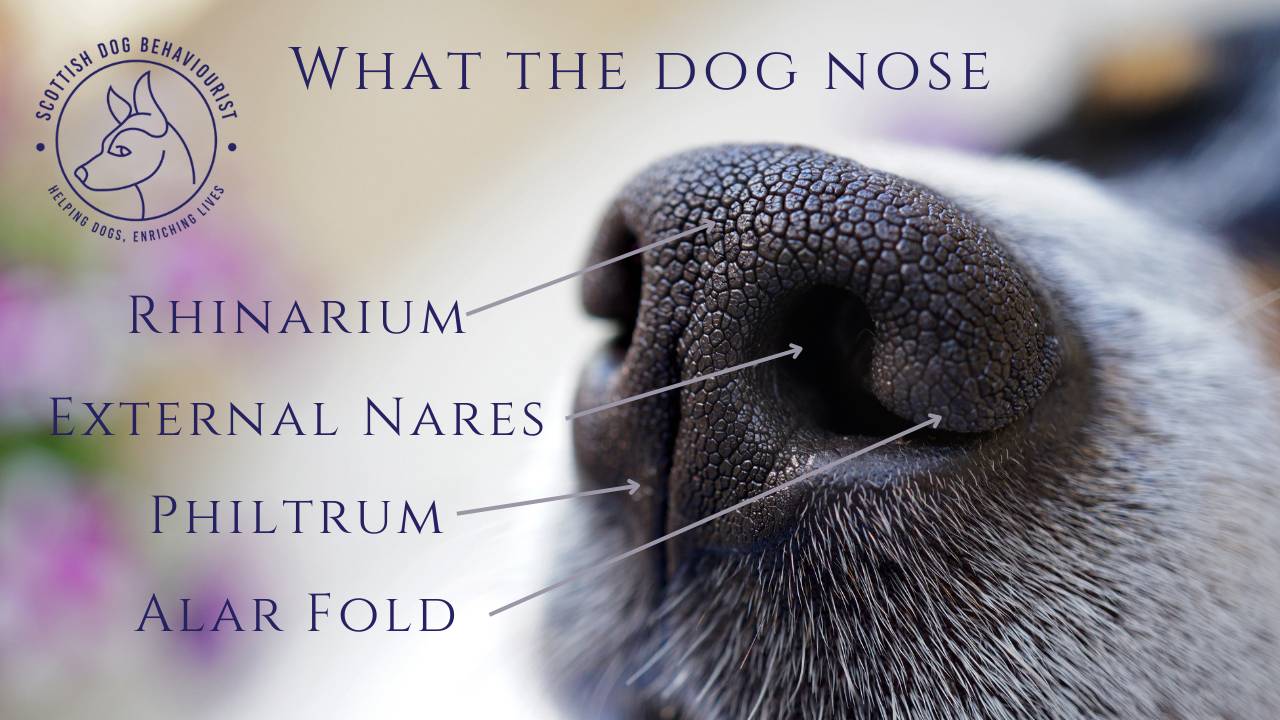
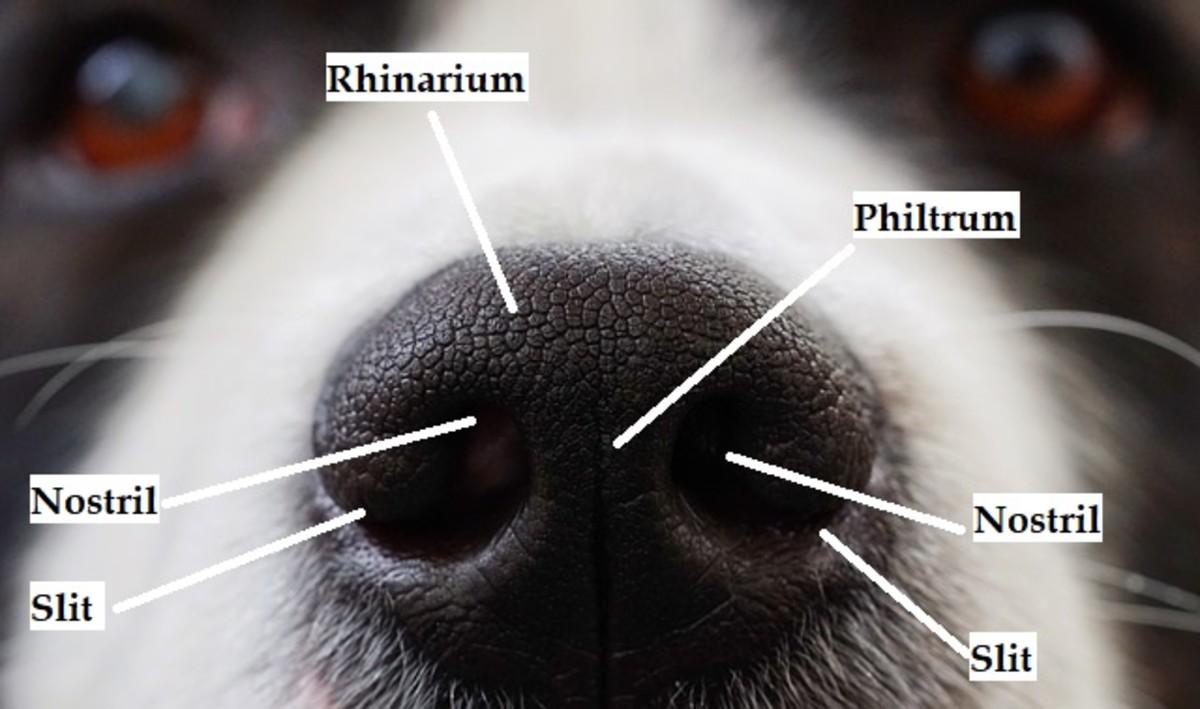
Superficially, the dog’s nose is defined by tough, pigmented skin, often moist, leading into the nostrils. Beneath this exterior lies a intricate skeletal and cartilaginous framework. The nasal cavity itself is a labyrinth of scroll-like bones called turbinates (or conchae). These turbinates are not simple structures; they are highly convoluted, dramatically increasing the surface area within the nasal passages. This expanded surface is crucial for trapping odor molecules and housing the millions of specialized olfactory receptor neurons (ORNs). Unlike the human nose, which primarily uses its turbinates to warm and filter air for respiration, the canine nasal structure is optimized for olfactory processing, with a dedicated airflow path for scent analysis. The moist exterior, maintained by a network of glands, also plays a critical role, dissolving airborne scent molecules and presenting them to the internal receptors.
The Olfactory System’s Micro-Architecture
Delving deeper, the olfactory epithelium is the true sensory engine of the dog’s nose. This specialized tissue lines a significant portion of the turbinates and contains an astonishing density of ORNs, estimated to be up to 300 million in some breeds, compared to merely 6 million in humans. Each ORN is a neuron with specialized receptors on its surface, capable of binding to specific odorant molecules. These neurons are continuously regenerated throughout the dog’s life, ensuring a robust and responsive olfactory system.
Supporting cells within the epithelium provide structural and metabolic support to the ORNs, while basal cells act as stem cells, generating new ORNs. Crucially, the olfactory epithelium is bathed in a layer of mucus. This isn’t just any mucus; it’s a dynamic, chemically complex solution produced by Bowman’s glands, containing water, salts, mucins, and specialized odorant-binding proteins. This mucus serves multiple vital functions: it dissolves airborne odorants, concentrates them, and transports them to the ORNs. The continuous production and turnover of this mucus layer ensure a clean, responsive sensory surface, effectively “resetting” the nose for new scents and preventing sensor saturation. The intricate interplay between these cellular components and the mucosal layer forms a biological system far exceeding the capabilities of current artificial sensors.
Biomimicry: Engineering Inspired by Nature’s Olfactory Masterpiece
The dog’s nose stands as a formidable challenge and inspiration for engineers. The objective of biomimicry in this context is to extract the fundamental principles of canine olfaction and translate them into functional, technological solutions.
Developing Artificial Noses and Sensors
The first hurdle in developing “e-noses” (electronic noses) is to replicate the sheer surface area and receptor density of the canine olfactory epithelium. Current research often focuses on creating microfluidic devices or sensor arrays that attempt to mimic the turbinates’ high surface area, using nanomaterials or polymers designed to interact with a broad spectrum of chemical compounds. The mucus layer is another critical component inspiring biomimetic designs. Engineers are experimenting with hydrogel layers or specialized membranes that can selectively absorb and pre-concentrate odorant molecules, much like the canine mucus, before they reach the electronic sensors. This pre-concentration step is vital for detecting trace amounts of substances. However, replicating the dynamic, self-cleaning, and regenerating properties of the biological mucus layer remains a significant challenge. Furthermore, the incredible specificity and diversity of ORNs, each tuned to a different molecular signature, are difficult to match with synthetic receptors, which often exhibit cross-reactivity or limited sensitivity compared to their biological counterparts.
Applications in Security, Diagnostics, and Environmental Monitoring
Despite the complexity, biomimetic approaches have yielded promising results in various applications. Artificial noses are being developed for security purposes, such as detecting explosives, illicit drugs, and chemical weapons, though they often require specialized training and are less adaptable than their biological muses. In medical diagnostics, e-noses are showing potential for non-invasive detection of diseases like cancer (by analyzing breath or urine samples), diabetes, and certain infections, leveraging the principle that specific medical conditions produce unique volatile organic compound (VOC) profiles. Environmental monitoring also benefits, with sensors designed to detect pollutants, gas leaks, and hazardous materials in the air. While current artificial systems can detect specific compounds with high sensitivity, none yet possess the broad spectrum detection, rapid adaptability, and ability to distinguish complex scent mixtures that define the biological dog nose. The multi-modal processing — combining scent with air currents and spatial awareness — is another frontier for technological integration.
AI and Machine Learning: Simulating Canine Scent Intelligence
Beyond hardware, the cognitive processing of scent is where artificial intelligence and machine learning play a crucial role, aiming to replicate the sophisticated neural pathways that allow dogs to interpret olfactory data.
Algorithmic Approaches to Olfactory Data
The vast amount of data generated by an array of chemical sensors requires advanced algorithmic processing. Machine learning models, particularly deep learning networks, are being trained to recognize complex patterns in sensor outputs that correlate with specific scents. This involves filtering out background noise, identifying unique chemical signatures within a mixture, and classifying scents even when presented with variations. Convolutional neural networks (CNNs) and recurrent neural networks (RNNs) are frequently employed to analyze time-series data from sensors, mimicking how the brain might process a sequence of incoming odorant signals. The goal is to move beyond simple detection to actual “understanding” of a scent profile, much like a dog can differentiate between individuals, emotions, or specific substances based on their unique odorant blend. This requires algorithms capable of unsupervised learning and adaptation, continuously improving their recognition capabilities with new data inputs.
AI-Driven Olfactory Robots and Drones
Integrating artificial sensors with AI enables the creation of autonomous olfactory robots and drones. These devices can be deployed in environments too dangerous or inaccessible for humans or animals. Robots equipped with e-noses and AI navigation systems can autonomously track scent trails, locate hazardous materials, or search for survivors in disaster zones. Drones fitted with sophisticated air sampling systems and AI-powered chemical analysis can map pollution plumes, detect gas leaks over large areas, or monitor agricultural health. The AI component allows these systems to make real-time decisions, prioritize targets, and learn from their environment, moving beyond simple programmed responses. However, challenges remain in replicating the dog’s ability to sample air dynamically (sniffing), to interpret subtle changes in scent concentration for directionality, and to integrate olfactory information seamlessly with other sensory inputs (visual, auditory, tactile) to build a comprehensive understanding of their surroundings. Computational power and advanced energy solutions are critical for scaling these systems to match canine endurance and precision.
Advanced Diagnostic and Imaging Tools for Canine Health
Understanding the intricate structure and function of a dog’s nose is not only crucial for biomimicry but also for veterinary science, where advanced technological tools are revolutionizing diagnostics and treatment.
Non-Invasive Techniques for Understanding Nasal Anatomy
Modern veterinary medicine heavily relies on cutting-edge imaging technologies to explore the internal structure of the canine nose without invasive surgery. Magnetic Resonance Imaging (MRI) and Computed Tomography (CT) scans provide incredibly detailed cross-sectional views of the nasal passages, revealing the precise morphology of the turbinates, the integrity of the olfactory epithelium, and any abnormalities such as tumors, foreign bodies, or inflammatory changes. These technologies allow veterinarians to visualize the soft tissues and bony structures with unprecedented clarity, aiding in the diagnosis of complex nasal diseases that might otherwise remain undiagnosed. Endoscopy further complements these tools, allowing direct visual inspection of the nasal cavities and pharynx using small, flexible cameras, providing immediate visual feedback and enabling targeted biopsies or foreign body removal. These technologies provide critical data not only for clinical treatment but also for researchers studying the detailed anatomical differences between breeds and their impact on olfactory performance.
Future Tech in Veterinary Olfactory Care
The future of veterinary care for canine nasal health is poised for further technological advancements. Precision medicine approaches, informed by genetic sequencing and advanced diagnostics, will allow for highly tailored treatments for conditions affecting the olfactory system. Research is also exploring the development of wearable sensors that could monitor subtle changes in a dog’s nasal airflow, temperature, or discharge composition, providing early warnings of respiratory infections or allergic reactions. Non-invasive biosensors could potentially analyze volatile organic compounds in a dog’s exhaled breath, offering insights into systemic health conditions affecting scent perception or overall well-being. Furthermore, the insights gained from biomimicry in e-nose development could feedback into veterinary science, creating more sophisticated diagnostic tools that mimic the dog’s own olfactory capabilities to detect subtle physiological changes indicative of disease. The convergence of advanced imaging, biosensors, and AI-driven analytics promises a future where canine nasal health is understood and managed with unprecedented precision.
aViewFromTheCave is a participant in the Amazon Services LLC Associates Program, an affiliate advertising program designed to provide a means for sites to earn advertising fees by advertising and linking to Amazon.com. Amazon, the Amazon logo, AmazonSupply, and the AmazonSupply logo are trademarks of Amazon.com, Inc. or its affiliates. As an Amazon Associate we earn affiliate commissions from qualifying purchases.