
In the realm of personal defense technologies, stun guns and Tasers are often conflated, yet they represent distinct approaches to non-lethal incapacitation. While both leverage electrical impulses to deter or disable an assailant, their operational mechanics, range, and physiological effects differ significantly, making them suitable for varied scenarios. Understanding these distinctions is crucial for anyone considering these gadgets for personal safety or for professionals employing them in security contexts.
Understanding the Core Mechanism: Direct Contact vs. Projectile
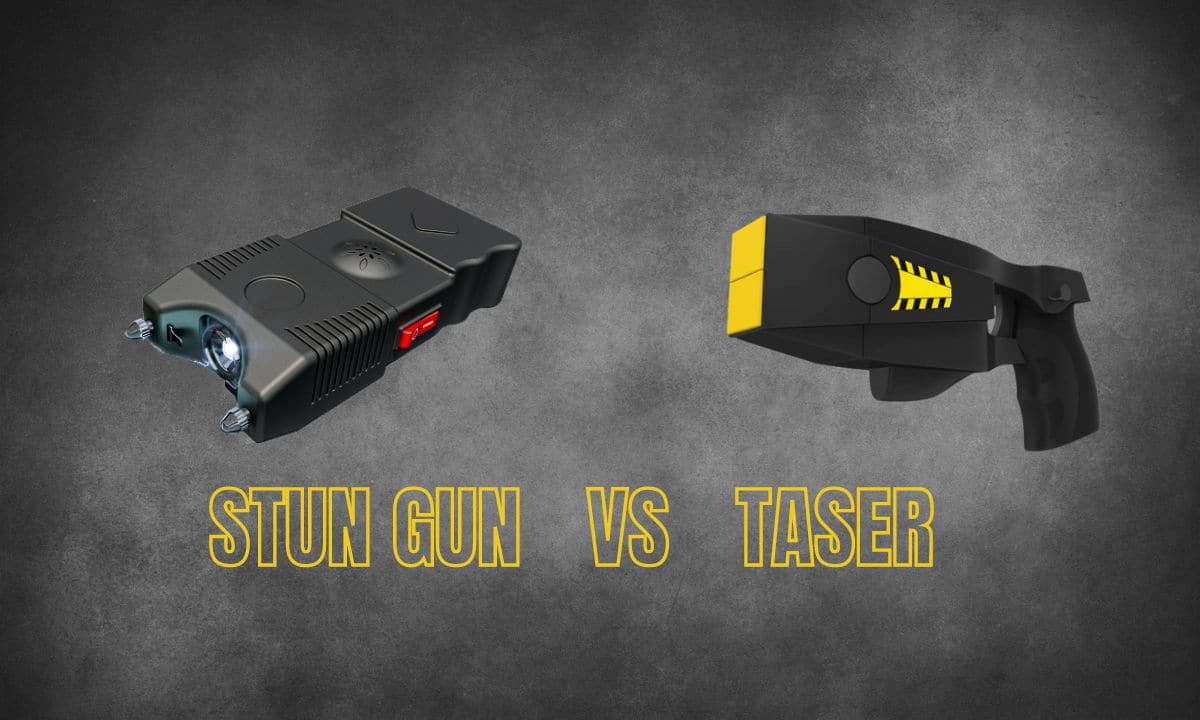
The fundamental divergence between a stun gun and a Taser lies in their method of delivering an electrical charge and the resulting impact on the human body. This distinction dictates their effective range and the degree of incapacitation achieved.
The Stun Gun: Immediate, Localized Disruption
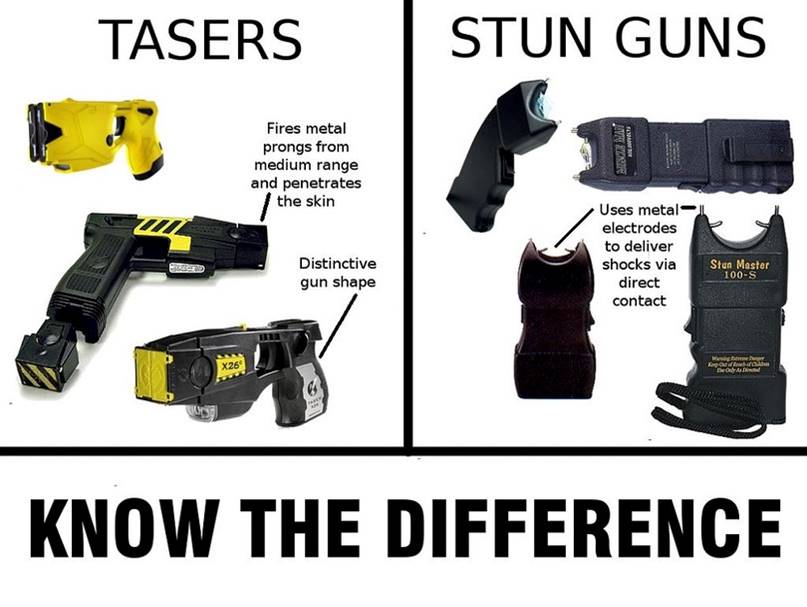
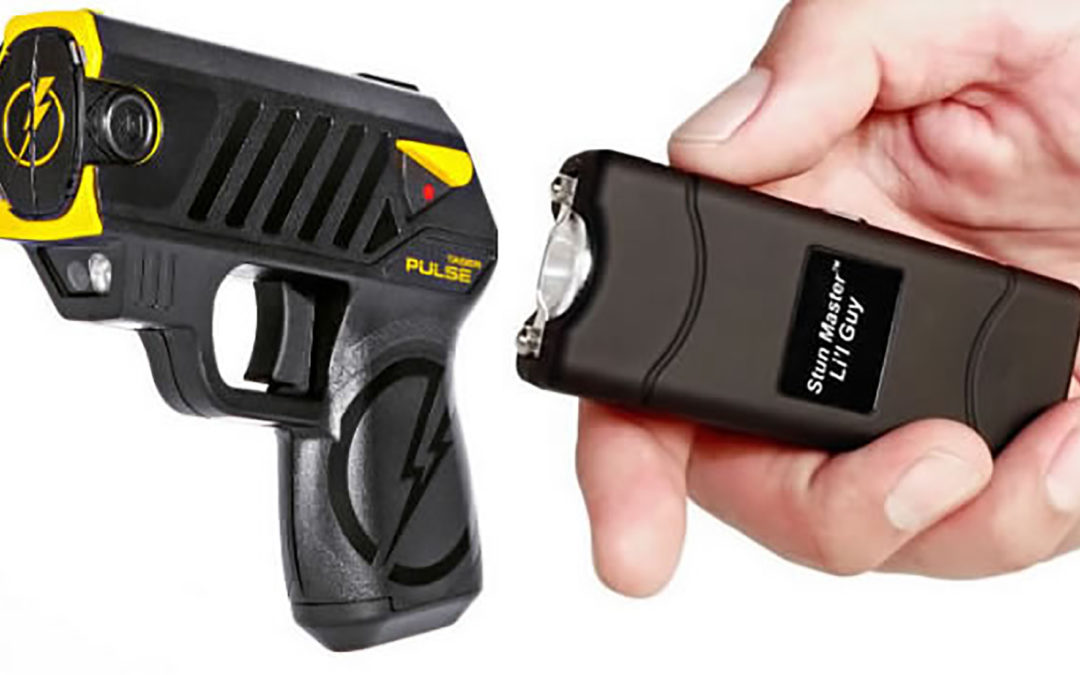
A stun gun operates on the principle of direct contact. To be effective, its electrodes must physically touch the assailant’s body. When activated, it delivers a high-voltage, low-amperage electrical shock. The purpose of the high voltage (often advertised in the millions of volts) is to overcome the natural resistance of clothing and skin, allowing the current to pass into the muscles. However, the amperage, or the actual flow of electrical current, is deliberately kept low to prevent permanent injury or electrocution.
The immediate effect of a stun gun is a localized disruption of the nervous system and muscle function at the point of contact. This intense electrical stimulus overloads the nerve signals, causing rapid muscle contractions, intense pain, and temporary disorientation. The targeted muscles seize up, making it difficult for the individual to move or maintain balance. This effect is primarily pain compliance and temporary muscle incapacitation, forcing the attacker to recoil or disengage. The stun gun’s effectiveness is highly dependent on the duration of contact and the specific area of the body targeted, with fleshy muscle groups generally yielding better results than bony areas. The device’s characteristic crackling sound and visible electrical arc also serve as a psychological deterrent.
The Taser: Remote Incapacitation via Neuromuscular Disruption
The Taser, a brand name that has become a genericized term for a specific type of Electronic Control Device (ECD), employs a projectile mechanism for remote incapacitation. Unlike a stun gun, it does not require direct contact. Instead, a Taser cartridge, powered by compressed nitrogen, propels two small, barbed probes connected by insulated wires to the device. These probes are designed to penetrate clothing and skin, attaching to the target at a distance.
Once the probes make contact and a circuit is established, the Taser delivers a series of proprietary shaped electrical pulses. This is where its technology profoundly differs from a stun gun. The Taser’s electrical signal is specifically engineered to mimic the brain’s own electrical signals, effectively overriding the central nervous system’s ability to control voluntary muscles. This results in what is known as Neuromuscular Incapacitation (NMI), causing immediate and involuntary muscle contraction throughout the entire body, leading to a temporary loss of motor control and the inability to maintain balance. The subject typically falls to the ground in a stiff, incapacitated state for the duration of the electrical cycle (typically 5 seconds). This full-body incapacitation is a key differentiator, as it provides a more comprehensive and reliable stop than the localized pain and muscle spasms induced by a stun gun, making it highly effective for law enforcement and security professionals.
Technical Specifications and Operational Mechanics
Delving deeper into the internal workings reveals the engineering philosophies behind each device, highlighting their distinct advantages and limitations.
Stun Gun Technology: High Voltage, Low Amperage
Internally, a stun gun utilizes a sophisticated step-up transformer and capacitor system to generate its characteristic output. A low-voltage battery (typically 9V or a rechargeable lithium-ion pack) feeds into this circuitry. The step-up transformer multiplies the voltage significantly, often into the hundreds of thousands or even millions of volts, while simultaneously reducing the amperage to a safe, non-lethal level. This high voltage is necessary to arc across the air gap between the electrodes and to penetrate clothing and skin resistance. Without sufficient voltage, the electrical current simply wouldn’t be able to reach the target’s nerves and muscles effectively.
The low amperage, however, is critical. It ensures that while the electrical impulse is intensely painful and disruptive to the nervous system, it does not deliver enough continuous current to cause severe tissue damage, cardiac arrest, or other fatal injuries. The electrodes themselves are typically robust metal prongs designed for direct, firm contact, often spaced to ensure a broad enough contact area for effective current transfer. Modern stun guns are also designed with safety features like wrist straps that disable the device if pulled away, preventing an assailant from using it against the owner. Their compact, often ergonomic designs make them easily concealable and quick to deploy in close-quarters situations.
Taser Technology: Propelled Probes and Electrical Pulses
The technological complexity of a Taser device is considerably higher, especially given its remote incapacitation capability. The device integrates several advanced components:
- Cartridge System: Each Taser uses a replaceable cartridge containing two coiled wires, two barbed probes, and a small canister of compressed nitrogen. When fired, the nitrogen expels the probes at high velocity.
- Probe Design: The probes are typically made of conductive metal, with small barbs at their tips to help them embed in clothing or skin, ensuring a secure connection for the electrical current. The wires connecting the probes to the main unit can extend up to 15-35 feet, depending on the model, providing a significant stand-off distance.
- Proprietary Waveform: The core of Taser technology is its unique, pulsed electrical waveform. Unlike the simple continuous or alternating current of some electrical devices, a Taser’s output is a carefully modulated series of pulses designed to mimic the bio-electrical signals sent by the brain to control muscles. This specific waveform is what enables Neuromuscular Incapacitation (NMI), overriding voluntary muscle control. The pulse frequency and duration are meticulously calibrated for maximum effectiveness with minimal risk of permanent injury.
- Microprocessor Control and Data Logging: Modern Taser devices, particularly those used by law enforcement, incorporate advanced microprocessors. These processors not only control the firing sequence and electrical output but also log critical operational data. This data includes the date, time, duration of activation, and temperature, providing an immutable record of each deployment. This feature is invaluable for accountability, training, and forensic analysis, aligning Tasers with digital security and forensic tools.
- Aiming and Safety: Tasers often feature integrated laser sights for accurate targeting and robust safety switches to prevent accidental discharge. Some models also include an arc display, similar to a stun gun, for a deterrent effect or as a direct-contact stun backup option once the cartridge is expended.
Power Sources and Battery Life Considerations
Both devices rely on batteries, but their power requirements and longevity differ. Stun guns typically use common 9V batteries or rechargeable lithium-ion cells. Their battery life is generally measured in standby time or the number of short activations they can deliver before requiring a recharge or replacement. Frequent testing (e.g., firing the arc) can deplete the battery more quickly.
Tasers, particularly professional models, utilize proprietary battery packs (e.g., the Axon Duty Performance Magazine – DPM). These packs are often more robust, sometimes integrate power management systems, and are designed for reliable performance under stress. They also often include a “shot counter” and other diagnostics that interface with the device’s data logging capabilities. The cost of these specialized battery packs and replacement cartridges (which are single-use) factors into the overall operational expense of a Taser.
Usage Scenarios and Effectiveness
The distinct mechanisms of stun guns and Tasers dictate their optimal usage scenarios, each presenting unique advantages and limitations in real-world applications.
Close-Quarters Defense: When Stun Guns Excel
Stun guns are inherently close-quarters defense tools. They are most effective in situations where the user is already in direct physical contact with an assailant or anticipates such proximity. Their compact size and ease of concealment make them suitable for personal self-defense where discreet carry is desired. The immediate, localized pain and muscle spasm generated by a stun gun can provide a momentary window of opportunity for the user to escape or create distance. The auditory and visual deterrent (the crackling arc) can also be effective in de-escalating a situation before physical contact is even made.
However, the reliance on direct contact is also their primary limitation. If an attacker is highly motivated, under the influence of drugs, or simply able to power through the pain, a stun gun may not provide sufficient incapacitation. The user must maintain contact for several seconds for optimal effect, which can be challenging in a dynamic struggle. Furthermore, if the stun gun is disarmed, it can be used against the original owner, highlighting the need for vigilance and training.
Stand-Off Capability: The Taser’s Strategic Advantage
Tasers shine in scenarios requiring a stand-off distance from a threat. Their ability to project probes up to 35 feet allows users to incapacitate an assailant while maintaining a safe distance, significantly reducing the risk of close-quarters combat. This makes Tasers invaluable for law enforcement and security personnel who need to neutralize a threat without resorting to lethal force or engaging in a physical struggle. The full-body Neuromuscular Incapacitation (NMI) delivered by a Taser is generally more reliable in stopping a determined or agitated individual than the pain-compliance method of a stun gun. An assailant under NMI is completely incapacitated, often falling to the ground, allowing for safe apprehension or control.
Despite their advantages, Tasers have their own set of limitations. Most models are single-shot devices, meaning a second cartridge must be loaded if the first shot misses or is ineffective. Accuracy is paramount, as missing the target or hitting an area with very thick clothing can render the device ineffective. The barbed probes can cause minor puncture wounds, and the sudden incapacitation can lead to secondary injuries if the subject falls awkwardly.
Factors Affecting Efficacy: Clothing, Range, and Application
Several factors influence the effectiveness of both devices. For stun guns, thick, layered clothing can significantly impede the electrical current’s ability to reach the skin and nerves, reducing the impact. For Tasers, heavy or loose clothing can prevent the probes from making proper contact with the body, or reduce the desired “probe spread” (the distance between the two probes on the target), which is crucial for achieving full NMI.
Range is a critical factor for Tasers; effective deployment requires the target to be within the specified range of the cartridge, neither too close (which limits probe spread) nor too far (which impacts accuracy and probe velocity). For both devices, the specific area of the body targeted plays a role. Stun guns are more effective on large muscle groups, while Tasers rely on a wide enough spread on the torso or back to effectively bridge the neuromuscular system. Physiological factors such as an individual’s pain tolerance, level of adrenaline, or the influence of drugs can also affect their response, though NMI from a Taser is generally effective regardless of pain tolerance.
Legal and Safety Implications
The responsible ownership and use of stun guns and Tasers necessitate a clear understanding of their legal status and potential safety considerations.
Regulatory Landscape: State and Local Laws
The legality of owning and carrying stun guns and Tasers varies significantly by jurisdiction within the United States and internationally. While some states permit their sale and possession with minimal restrictions, others classify them as prohibited weapons, restrict their concealed carry, or require specific permits and training. Some jurisdictions have outright bans on one or both devices. For instance, some states allow stun guns but ban Tasers due to their projectile nature. Age restrictions (typically 18 years or older) are common for purchase. Individuals considering purchasing either device must thoroughly research and comply with all applicable state, county, and municipal laws to avoid legal repercussions. Ignorance of the law is not a valid defense, and legal classifications can be complex, sometimes even categorizing them under broader “weapon” statutes.
Training and Responsible Use
For both stun guns and Tasers, training is highly recommended, and often legally mandated for professional users. Understanding the device’s operation, including safety features, proper aiming techniques, and deployment protocols, is crucial for effective and safe use. Training emphasizes de-escalation tactics, understanding the use of force continuum, and knowing when and when not to deploy the device. For Tasers, specialized training covers cartridge loading, aiming for optimal probe spread, and the protocols for post-deployment care and evidence collection. Responsible use also includes regular maintenance, such as checking battery levels and ensuring the device is in good working order.
Potential Risks and Misconceptions
While both stun guns and Tasers are classified as “less-lethal” tools, it is a critical misconception to label them as “non-lethal.” Any use of force carries inherent risks. Potential risks associated with stun guns include superficial burns, particularly if contact is maintained for too long, and secondary injuries from a struggling subject. Tasers carry the risk of fall-related injuries due to sudden incapacitation, especially if deployed from a height or near hard surfaces. The barbed probes also cause minor puncture wounds that require basic first aid.
Medical considerations are also important. While studies generally suggest a low risk of serious injury for healthy individuals, there are ongoing discussions and research regarding the potential impact on individuals with pre-existing heart conditions, pacemakers, or those under the influence of certain drugs. Manufacturers provide safety guidelines and warnings against targeting sensitive areas like the head, neck, or groin. It is imperative that users understand these risks and use the devices only when legally justified and necessary to neutralize a threat, adhering to the principle that they are tools for defense, not offense or casual use.
aViewFromTheCave is a participant in the Amazon Services LLC Associates Program, an affiliate advertising program designed to provide a means for sites to earn advertising fees by advertising and linking to Amazon.com. Amazon, the Amazon logo, AmazonSupply, and the AmazonSupply logo are trademarks of Amazon.com, Inc. or its affiliates. As an Amazon Associate we earn affiliate commissions from qualifying purchases.