
Pursuing graduate education is a significant investment, not just of time and effort, but crucially, of financial resources. While the academic merit of a strong Grade Point Average (GPA) is widely understood, its profound financial implications for prospective graduate students are often overlooked. A “good GPA” for grad school isn’t merely a benchmark for admission; it’s a powerful financial lever that can drastically alter the cost of your education, your post-graduation earning potential, and your overall financial trajectory. Understanding this dynamic is key to making informed financial decisions about your graduate school journey.
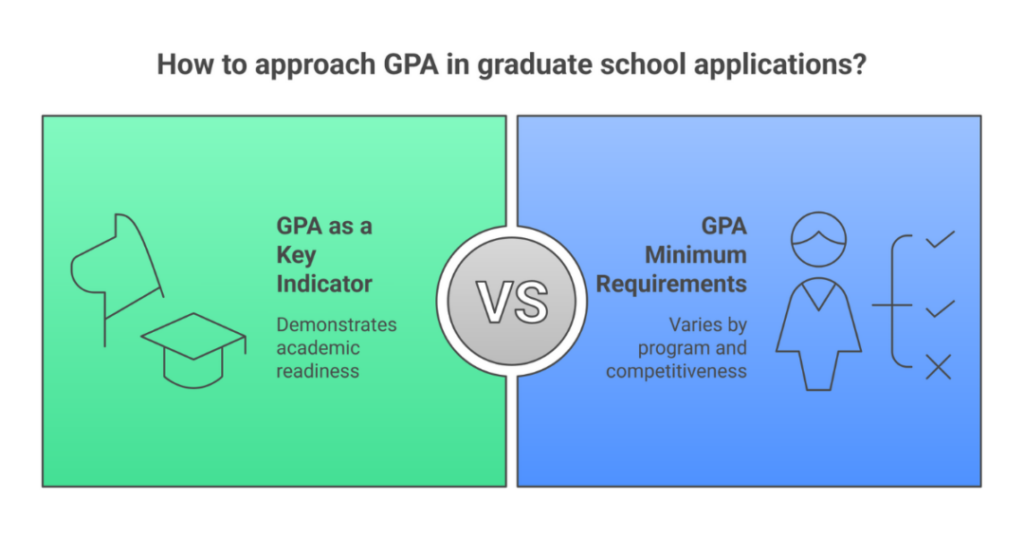
The GPA as Your Financial Leverage for Admissions
In the competitive landscape of graduate admissions, your GPA serves as a primary indicator of academic aptitude and discipline. However, beyond merely securing an acceptance letter, a superior GPA functions as a critical financial asset, opening doors to opportunities that can significantly reduce the monetary burden of higher education.
Scholarships, Fellowships, and Assistantships
The most direct financial benefit of an excellent GPA is access to merit-based financial aid. Universities, departments, and external organizations offer a myriad of scholarships, fellowships, and graduate assistantships (GAs) designed to attract top talent. These awards are often highly competitive, with a strong academic record—primarily reflected by your GPA—being a non-negotiable prerequisite.
- Scholarships: These are outright grants that do not need to be repaid. Many departmental or university-wide scholarships are explicitly tied to GPA thresholds, often requiring a 3.5 or higher for consideration. A truly exceptional GPA (e.g., 3.8+) can position you for full-tuition scholarships or even stipends that cover living expenses.
- Fellowships: Similar to scholarships, fellowships are typically awarded to students demonstrating exceptional academic promise, often with a research component. They frequently offer more comprehensive financial packages, including tuition waivers, health insurance, and substantial living stipends. A high GPA is fundamental for being competitive for these prestigious, high-value awards, which effectively transform the cost of graduate school from an expense into a funded opportunity.
- Graduate Assistantships (GAs): These positions (Teaching Assistantships, Research Assistantships, Administrative Assistantships) offer tuition remission (full or partial) and a modest stipend in exchange for part-time work within the university. While some GA positions might be available to students with a lower GPA, the most desirable and financially comprehensive packages are typically reserved for those with a strong academic record, as it signals reliability and capability. Securing a GA can mean the difference between graduating with significant debt and completing your degree with minimal financial outlay.
Without a competitive GPA, students are often relegated to funding their graduate education through loans, which carry interest and must be repaid. This fundamental difference underscores how a strong GPA can directly impact your immediate financial liability.
Minimizing Debt and Maximizing Aid
The average cost of graduate school, encompassing tuition, fees, and living expenses, can range from tens of thousands to over a hundred thousand dollars annually. For many, this necessitates taking on student loan debt. A “good GPA” directly correlates with the ability to minimize this debt.
- Reduced Reliance on Loans: By qualifying for scholarships, fellowships, and assistantships, you can significantly reduce or even eliminate your need for federal or private student loans. This means fewer interest payments, a lower monthly repayment burden post-graduation, and greater financial freedom sooner.
- Access to Better Loan Terms (Indirectly): While GPA doesn’t directly influence federal student loan interest rates, it can indirectly improve your financial standing, making you a more attractive candidate for private loans if necessary (though generally less advisable than federal options). More importantly, by reducing the principal amount you need to borrow, a strong GPA directly mitigates the overall cost of borrowing.
- Strategic Financial Planning: A high GPA empowers you to be more selective in your program choices, potentially allowing you to choose programs that offer better funding opportunities, rather than being limited to those you can simply get into. This strategic financial planning starts with the academic foundation laid by your GPA.
In essence, a superior GPA transforms your application from a request for admission into a bid for financial support, directly impacting the net cost of your graduate education.
Quantifying the Return on Investment (ROI) of a Graduate Degree
Beyond the immediate financial benefits of funding, your GPA plays a pivotal role in shaping the long-term Return on Investment (ROI) of your graduate degree. A graduate degree is often viewed as an investment in human capital, expected to yield higher earnings and career advancement. Your academic performance within that degree directly influences the magnitude of that return.
Earning Potential: GPA’s Impact on Post-Graduation Salary
Employers, particularly in competitive fields and prestigious organizations, often consider a candidate’s graduate school GPA during the hiring process.
- Initial Job Placement: For entry-level positions requiring a graduate degree (e.g., MBA, Law, specific STEM fields), a strong GPA (often 3.5+) can differentiate you in a crowded applicant pool. Top-tier companies and highly sought-after roles frequently use GPA as a filter, assuming it correlates with intelligence, diligence, and the ability to handle complex tasks. Securing a higher-paying initial position directly translates to a faster accumulation of wealth and quicker repayment of any outstanding loans.
- Salary Negotiation Leverage: A distinguished academic record can provide leverage during salary negotiations. It signals to employers that you are a top performer, potentially justifying a higher starting salary. Even a few thousand dollars difference in a starting salary, compounded over a career, amounts to substantial financial gain.
- Access to Elite Networks: Often, the highest-paying jobs are found through networking. A strong GPA often puts you in exclusive cohorts or programs, fostering connections with high-achieving peers and faculty who can serve as invaluable professional contacts throughout your career. These networks can lead to opportunities that are not publicly advertised and offer superior compensation.
The difference in earning potential between a graduate with a “good” GPA (e.g., 3.0-3.4) and an “excellent” GPA (3.7+) can be significant, especially in the first five to ten years post-graduation, directly affecting your personal finance trajectory.
The Cost of Admission: Opportunity Costs and Tuition

The decision to pursue graduate school involves not just direct costs (tuition, fees) but also substantial indirect costs, primarily opportunity costs. This refers to the income you forgo by choosing to study full-time rather than work.
- Maximizing Investment Value: If you are investing two or more years of lost income (which could be substantial) plus considerable tuition, your GPA becomes crucial for maximizing the value of this investment. A lower GPA might mean you graduate, but without the competitive edge to secure the jobs that justify the financial and time commitment. Conversely, a high GPA ensures you’re positioned to reap the maximum financial rewards from your sacrificed income and tuition payments.
- Avoiding Underemployment: Graduating with a high GPA reduces the risk of underemployment – working in a job that doesn’t fully utilize your graduate degree or justify its cost. Underemployment can lead to prolonged financial struggles, making it harder to pay off student loans and achieve financial independence.
- Comparative Analysis: When evaluating different programs, consider not just the sticker price but also the potential for GPA-driven financial aid and the historical earning outcomes for graduates with strong academic records from those programs. This comparative financial analysis, heavily influenced by your potential to achieve a “good GPA,” is essential for selecting a program with the best financial ROI.
Strategic Financial Planning for Grad School Applicants
Understanding the financial weight of a GPA allows for a more strategic approach to applying and succeeding in graduate school. It moves the GPA from a mere academic score to a central pillar of your financial plan.
Beyond the GPA: Holistic Review and Financial Implications
While GPA is critical, graduate admissions committees often conduct a holistic review, considering other factors like GRE/GMAT scores, letters of recommendation, statement of purpose, research experience, and work experience. However, even these elements often have financial implications tied to academic performance.
- Compensating for a Lower GPA: If your undergraduate GPA is not stellar, exceptional performance in other areas can sometimes compensate. For instance, a high GRE score (requiring financial investment in test prep), significant research experience (potentially gained through unpaid internships or low-paying assistantships), or compelling work experience can demonstrate capabilities that might mitigate a lower GPA. However, remember that these compensating factors often come with their own financial costs or sacrifices.
- Demonstrating “Fit” for Funding: A well-articulated statement of purpose and strong recommendations can help you stand out for specific funded opportunities (e.g., fellowships aligned with a professor’s research). This demonstrates not just academic promise but also alignment with a specific financial resource.
- Targeting Programs with Strong Funding: Research programs not just for their academic fit but also for their funding rates. Programs in STEM fields, for example, often have higher rates of fully funded Ph.D. positions. Your GPA will be paramount in securing one of these highly sought-after, financially advantageous spots.
Navigating Student Loans with a Strong Academic Record
Even with a strong GPA, many students will still need to take out some level of student loans. However, a good academic record can make navigating this debt more manageable.
- Borrowing Less: As established, a good GPA reduces the amount you need to borrow, meaning less principal and less interest over the life of the loan.
- Faster Repayment Potential: Higher earning potential stemming from a strong GPA means you’re likely to be in a better financial position to make larger, more consistent loan payments, paying off your debt faster and saving on interest.
- Financial Discipline Demonstrated: Maintaining a high GPA often implies a level of discipline and organizational skill that can also translate to sound financial management post-graduation. This might lead to better budgeting, saving, and investing habits, further accelerating financial independence.
Long-Term Financial Implications of Academic Excellence
The ripple effects of a strong graduate school GPA extend far beyond graduation, shaping long-term financial stability and growth.
Career Mobility and Advancement
A distinguished academic record from graduate school acts as a permanent credential, influencing career trajectory years down the line.
- Promotional Opportunities: In many professional fields, a strong academic foundation (reflected by GPA) can be a factor in internal promotions, especially for leadership or specialized roles that require advanced analytical or research skills.
- Credibility and Reputation: A strong GPA builds credibility within your professional sphere. This can lead to opportunities for consulting, speaking engagements, or publishing, all of which can provide additional income streams and enhance your professional brand, further influencing your earning capacity.
- Future Educational Pursuits (Financially Supported): If you decide to pursue further education (e.g., a second master’s, a doctorate after a master’s), your prior strong GPA will again be a significant asset in securing financial aid for those future endeavors, perpetuating a cycle of financially supported academic growth.
Building Financial Resilience and Net Worth
Ultimately, a “good GPA” in graduate school is an investment in your future financial resilience and ability to build net worth.
- Accelerated Wealth Accumulation: Higher salaries, reduced debt burdens, and greater career mobility combine to allow for more aggressive saving and investing strategies. This accelerates the accumulation of assets and builds net worth faster than peers who may have struggled financially with their graduate degree.
- Reduced Financial Stress: The reduced financial burden from scholarships and higher earning potential translates directly into lower financial stress, allowing you to focus on career growth, personal development, and enjoying your financial successes.
- Foundation for Entrepreneurship: For those considering entrepreneurship, the analytical, problem-solving, and research skills honed in graduate school, reflected by a high GPA, are invaluable. They can contribute to developing robust business plans, securing initial funding, and successfully launching ventures, leading to potentially much greater financial rewards.
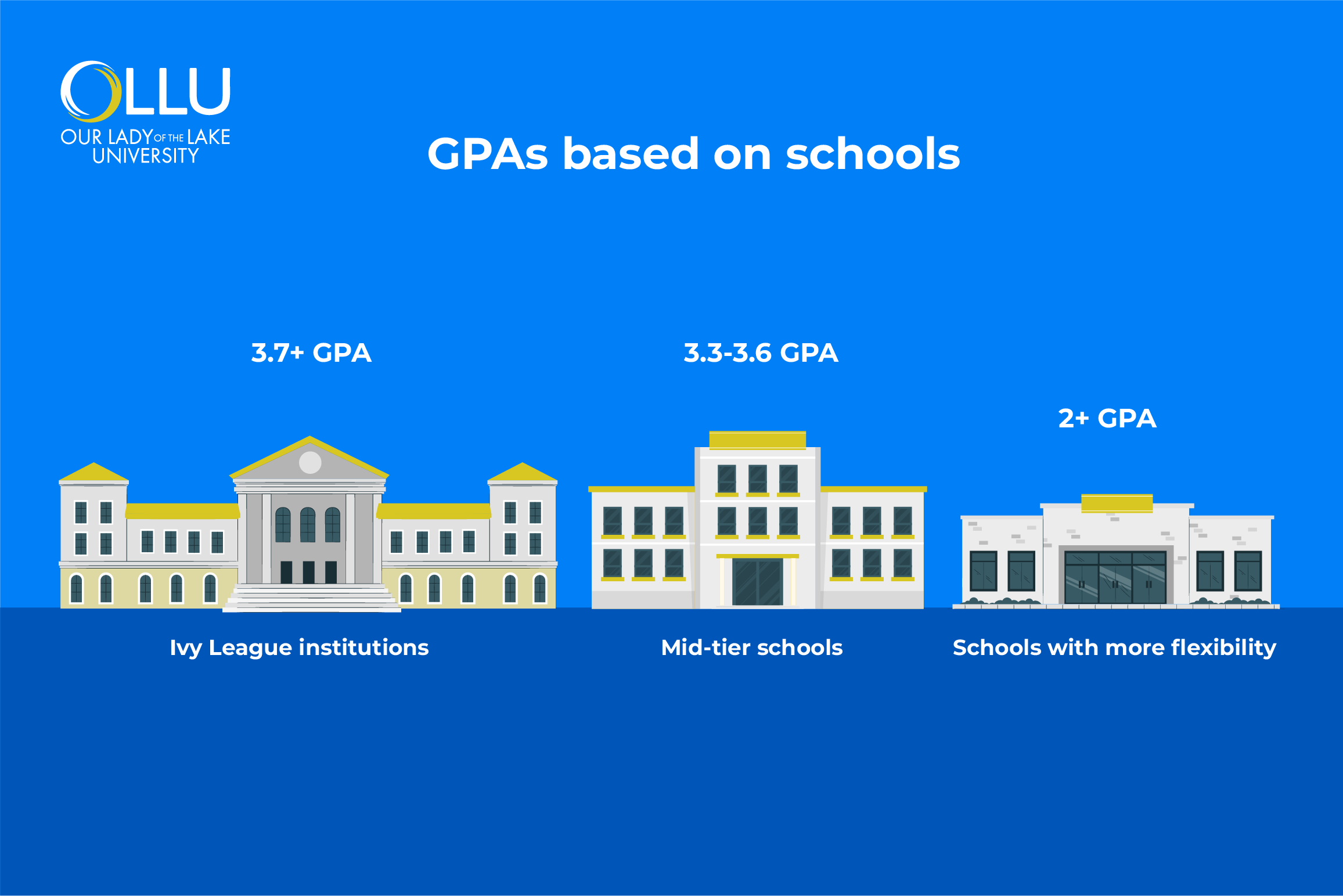
In conclusion, while the definition of a “good GPA” for grad school varies by program and institution, its financial value remains consistently high. It’s a key determinant in how much you pay for your education, how much you earn after graduation, and how quickly you achieve financial independence and wealth accumulation. Approaching your graduate school journey with this financial perspective firmly in mind can transform what might otherwise be a significant debt burden into one of the most financially rewarding investments of your life.
aViewFromTheCave is a participant in the Amazon Services LLC Associates Program, an affiliate advertising program designed to provide a means for sites to earn advertising fees by advertising and linking to Amazon.com. Amazon, the Amazon logo, AmazonSupply, and the AmazonSupply logo are trademarks of Amazon.com, Inc. or its affiliates. As an Amazon Associate we earn affiliate commissions from qualifying purchases.