
The question “what would a Persian perfume smell like?” transcends a mere inquiry into olfactory notes; it delves deep into the realm of brand identity, cultural heritage, and sensory marketing. For a product category as intimately personal and evocative as fragrance, understanding its provenance and the narratives it carries is paramount to establishing a distinctive and compelling brand. A Persian perfume, by its very name, immediately conjures images of ancient traditions, exotic ingredients, and a rich tapestry of art and history, all of which form the bedrock of its potential brand essence.
The Essence of Heritage: Crafting a Cultural Brand Identity
The very idea of a “Persian perfume” is steeped in a brand identity that predates modern marketing. It speaks to a lineage of perfumery that has influenced civilizations for millennia, laying the groundwork for a powerful brand narrative. To truly capture what such a perfume would smell like, one must first deconstruct the cultural and historical elements that define “Persian.” This isn’t just about identifying raw materials; it’s about understanding the ethos, aesthetics, and emotional landscape of a rich civilization and translating them into a sensory experience.
Decoding the “Persian” Element
The “Persian” identity is a complex blend of geography, history, art, and philosophy. Geographically, it encompasses a diverse landscape, from arid deserts to lush gardens, yielding a wide array of aromatic plants. Historically, Persia (modern-day Iran) was at the crossroads of ancient trade routes, allowing for access to rare spices, resins, and flowers from the East and West. Artistically, Persian miniatures, poetry, and architecture often depict exquisite gardens, known as Pardis (the origin of the word “paradise”), meticulously designed to stimulate all senses, including smell. This backdrop suggests a brand identity that is luxurious, poetic, mystical, and deeply connected to nature and human craftsmanship. A Persian perfume brand would inherently carry an aura of ancient wisdom and refined elegance, distinguishing it from Western or other Eastern perfumery traditions. The “smell” thus becomes a culmination of these deeply embedded cultural markers, an olfactory signature that communicates this rich heritage without words.
Sourcing Authenticity: Ingredients as Storytellers
The foundation of any authentic fragrance brand lies in its ingredients, and for a Persian perfume, these components are not merely chemical compounds; they are storytellers. Traditional Persian perfumery embraced natural essences, often derived through distillation or enfleurage. Common notes would include rose (especially Damask rose, Gol-e Mohammadi, a cornerstone of Persian gardens and cuisine), saffron (the precious spice, often used for its golden hue and subtle leathery, honeyed aroma), frankincense and myrrh (for their spiritual and grounding qualities), various woods like sandalwood and cedar, and spices such as cardamom and cumin. Jasmine, tuberose, and narcissus would add floral opulence, while musk (traditionally deer musk, now ethically sourced synthetic alternatives or botanical musks) would provide depth and longevity. Citrus notes like bergamot or bitter orange blossom might offer a bright opening.
For a brand, the selection and provenance of these ingredients are crucial. Highlighting that the rose is from Kashan, or the saffron from Khorasan, adds layers of authenticity and a narrative of terroir. This commitment to traditional, high-quality ingredients not only ensures a superior fragrance but also reinforces the brand’s dedication to its heritage, appealing to consumers who seek genuine, culturally resonant products. The “smell” would therefore be complex, multi-layered, and evolving, reflecting the sophistication inherent in Persian artistry, moving from vibrant floral and citrus top notes to a rich, warm, and resinous base, often with a hint of spice or a musky undertone that speaks of ancient lands and timeless elegance.
Sensory Branding: The Olfactory Signature as a Core Differentiator
In a competitive market, a brand’s unique selling proposition often extends beyond visual aesthetics to encompass the full spectrum of sensory experiences. For a perfume, the olfactory signature is the brand’s core differentiator. A Persian perfume, therefore, must meticulously craft a scent profile that not only evokes its cultural origins but also creates an emotional resonance that builds customer loyalty and market recognition. This goes beyond simply smelling “nice”; it’s about smelling distinctively “Persian” in a way that is both memorable and desirable.
Beyond Fragrance: The Emotional and Cognitive Impact
A truly successful perfume brand understands that scent is not just an aesthetic pleasure; it’s a powerful trigger for memory, emotion, and identity. A Persian perfume brand would leverage this by designing a fragrance that evokes specific feelings or mental images consistent with its heritage. It might aim for a sense of exotic mystery, serene contemplation, opulent luxury, or comforting warmth. The “smell” should transport the wearer, offering an escape or an enhancement of their personal narrative. For example, a scent heavy on rose and saffron might evoke images of a Persian garden at dusk, inspiring feelings of peace and romanticism. Frankincense and myrrh could suggest spiritual depth and antiquity.
From a branding perspective, the consistent emotional impact of the fragrance builds a strong cognitive association. Consumers begin to link specific feelings or qualities (e.g., sophistication, elegance, uniqueness) directly to the brand. This emotional branding fosters a deeper connection than mere product satisfaction, transforming a perfume purchase into an expression of personal style and cultural appreciation. The scent becomes an extension of the wearer’s identity, aligning them with the perceived values of the Persian brand: refinement, history, and a touch of the enigmatic.
Designing for Desirability: Packaging and Presentation as Brand Extensions
While the fragrance itself is paramount, the overall brand experience of a Persian perfume extends significantly to its packaging and presentation. These elements are critical visual and tactile brand extensions that communicate the perfume’s story before a single drop is smelled. For a Persian perfume, bottle design might draw inspiration from traditional Persian art, architecture, or calligraphy. Intricate patterns, jewel-toned glass, or elegant metallic accents could reflect the opulence and artistry of the culture. The shape might echo a historical artifact, a garden pavilion, or a delicate teardrop.
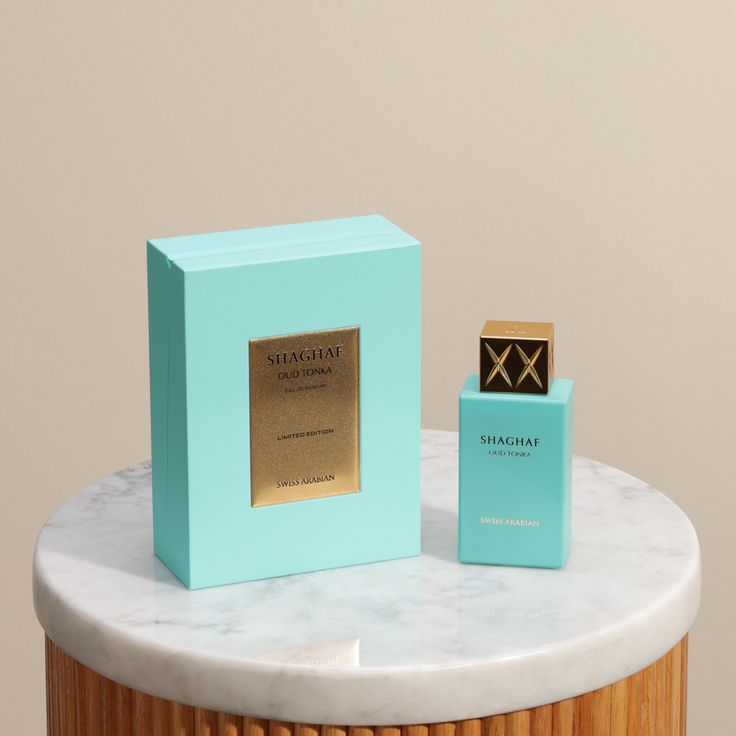
Packaging materials, textures, and colors should reinforce the brand’s narrative. Rich velvets, silks, or embossed papers could evoke luxury. Earthy tones combined with vibrant blues, turquoises, and golds – colors often seen in Persian tiles and textiles – would visually link the product to its cultural roots. The unboxing experience itself becomes a ritual, designed to build anticipation and communicate value. Every detail, from the weight of the cap to the font on the label, contributes to the overall brand perception, reinforcing the promise of an authentic, luxurious, and culturally rich olfactory journey. This holistic approach ensures that the brand’s story is consistently told across all touchpoints, enhancing desirability and perceived value.
Marketing the Mystique: Strategies for Global Appeal
Successfully launching and sustaining a Persian perfume brand in the global market requires a nuanced marketing strategy that balances authenticity with accessibility. The “mystique” inherent in the Persian brand identity can be a powerful asset, but it must be communicated effectively to resonate with a diverse international audience. This involves crafting compelling narratives and strategically bridging traditional roots with contemporary aspirations.
Storytelling through Scent: Narratives that Resonate
The marketing of a Persian perfume brand should lean heavily into storytelling. Each fragrance can be presented not just as a blend of notes but as a sensory journey through Persian history, poetry, or mythology. Campaigns could feature visuals inspired by Persian gardens, ancient palaces, or epic poems, drawing consumers into a rich cultural world. Instead of simply listing ingredients, the brand can explain the cultural significance of rose in Persian poetry, or the historical use of frankincense in ancient rituals. This narrative approach transforms the perfume from a commodity into an experience, allowing consumers to connect with something deeper than just a pleasant smell.
For example, a marketing campaign might introduce a scent called “Shirin’s Garden,” inspired by a legendary Persian queen and her love for horticulture, describing notes of jasmine and cypress that evoke a moonlit garden tryst. This kind of evocative storytelling creates a strong emotional hook and differentiates the brand in a crowded market. It allows the “smell” to be interpreted not just as an aroma, but as a key to unlocking a specific cultural narrative, making it more meaningful and memorable for the consumer.
Bridging Tradition and Modernity: Reaching New Audiences
While authenticity is key, a Persian perfume brand must also demonstrate relevance to contemporary consumers. This involves a delicate balance: honoring tradition without appearing antiquated, and embracing innovation without losing its soul. Marketing strategies could target different segments: purists seeking traditional compositions and luxury connoisseurs who appreciate artisanal craftsmanship, as well as younger demographics interested in unique, ethically sourced products with rich backstories.
Collaborations with modern Persian artists, fashion designers, or cultural influencers could introduce the brand to new audiences. Digital marketing efforts could leverage social media to share engaging content about Persian culture, perfumery, and the brand’s unique story. The “smell” itself can bridge this gap by offering both classic interpretations and modern twists on traditional Persian notes – perhaps a lighter, more gender-neutral take on a rose-saffron accord, or an innovative use of a lesser-known Persian botanical. By carefully curating its message and product offerings, a Persian perfume brand can successfully appeal to a global audience seeking both heritage and contemporary sophistication.
Building a Legacy: Longevity Through Authenticity and Innovation
For any brand, especially one rooted in deep cultural heritage, long-term success hinges on a commitment to both its foundational identity and its capacity for evolution. A Persian perfume brand aiming for a lasting legacy must continuously reinforce its authenticity while embracing strategic innovation to remain relevant and competitive.
Protecting the Brand’s Integrity
Maintaining the integrity of a Persian perfume brand involves a steadfast commitment to its core values: quality, authenticity, and cultural respect. This means consistently sourcing high-grade, often traditional, ingredients and adhering to artisanal production methods where appropriate. It also involves vigilant protection of the brand’s intellectual property, ensuring that its name, distinctive packaging, and unique scent profiles are safeguarded against imitation. Beyond legal measures, integrity is built through transparent communication with consumers about sourcing, production, and the cultural narratives behind each fragrance. This builds trust and reinforces the brand’s genuine connection to its Persian roots, ensuring that the “smell” remains synonymous with true Persian heritage, not merely an appropriation. Educating consumers about the nuanced differences and superior quality of authentic Persian-inspired ingredients, for instance, can elevate the brand’s positioning.
Evolving Without Losing Soul
While authenticity is crucial, stagnation is a threat. A successful Persian perfume brand must demonstrate an ability to evolve while staying true to its essence. This might involve introducing new fragrances that reinterpret classic Persian themes for modern tastes, exploring sustainable sourcing practices for traditional ingredients, or experimenting with contemporary perfumery techniques that enhance, rather than diminish, the inherent “Persian-ness” of the scent. For example, a brand could launch a limited-edition series inspired by different regions of ancient Persia, or collaborate with a renowned perfumer to create a modern abstraction of a traditional rosewater accord.
Innovation could also extend to the brand experience, perhaps through interactive digital platforms that allow customers to explore the history of Persian perfumery, or through immersive retail spaces designed to evoke the sensory richness of a Persian garden. The goal is to keep the brand vibrant and engaging, attracting new generations of consumers who appreciate its history and artistry, while continuing to serve loyal patrons. By striking this delicate balance, a Persian perfume brand can transcend passing trends, solidify its unique identity, and establish a lasting legacy as a true ambassador of Persian culture through the evocative power of scent.
aViewFromTheCave is a participant in the Amazon Services LLC Associates Program, an affiliate advertising program designed to provide a means for sites to earn advertising fees by advertising and linking to Amazon.com. Amazon, the Amazon logo, AmazonSupply, and the AmazonSupply logo are trademarks of Amazon.com, Inc. or its affiliates. As an Amazon Associate we earn affiliate commissions from qualifying purchases.