
The intersection of materials science and engineering often reveals fascinating dynamics, and the interaction between resin and aluminum is a prime example. Aluminum, celebrated for its lightweight strength and natural corrosion resistance, is a cornerstone material in industries ranging from aerospace to consumer goods. Resins, a broad class of polymeric materials, offer versatility in adhesion, protection, and aesthetic modification. Understanding what resin does to aluminum—both beneficial and detrimental—is crucial for product design, structural integrity, and long-term performance. This exploration delves into the technical aspects of this material marriage, highlighting its applications, challenges, and best practices within the realm of modern technology.
The Fundamentals: Understanding the Materials
Before exploring their interaction, it’s essential to grasp the core properties of both aluminum and resin. This foundational knowledge illuminates why their combination is so powerful, yet also presents specific challenges.
Aluminum: A Versatile Metal
Aluminum (Al) is a light, silvery-white metal known for its low density and high strength-to-weight ratio. What makes aluminum particularly interesting for interactions with resins is its surface chemistry. Upon exposure to air, aluminum rapidly forms a thin, passive layer of aluminum oxide (Al₂O₃). This tenacious oxide layer, typically a few nanometers thick, is primarily responsible for aluminum’s excellent corrosion resistance. However, it also dictates how other materials, including resins, will bond to its surface. While generally stable, this oxide layer can be reactive and its condition significantly impacts adhesion. Aluminum’s high thermal conductivity and coefficient of thermal expansion (CTE) are also critical factors when considering its bond with polymers, which generally have lower conductivity and higher CTEs.
Resins: Polymers with Diverse Properties
Resins are typically organic compounds, often synthetic polymers, that can be molded, cast, or formed into various shapes. They are categorized broadly by their chemical structure and curing mechanisms:
- Epoxy Resins: Renowned for their exceptional adhesion, high strength, and chemical resistance. They cure via a polyaddition reaction, forming a rigid thermoset polymer. Epoxies are particularly favored for structural bonding to metals.
- Polyurethane Resins: Offer flexibility, toughness, and good impact resistance. They can be formulated for various hardnesses and are often used when some elasticity in the bond is desired, or for potting and encapsulation.
- Polyester Resins: Commonly used in fiberglass applications, they are less expensive than epoxies but generally offer lower mechanical properties and chemical resistance.
- Acrylic Resins: Known for their clarity, weatherability, and fast cure times. They are often used for aesthetic applications, sealing, and some adhesive purposes.
- Silicone Resins: Exhibit excellent flexibility, high-temperature resistance, and moisture impermeability, often used for sealing and gasketing.
The choice of resin significantly influences the nature of its interaction with aluminum, affecting everything from bond strength to environmental durability.
Adhesion and Bonding: Forging the Connection
The primary interaction between resin and aluminum, in most technological applications, is adhesion. Achieving a strong, durable bond is paramount for functional assemblies and protective coatings. This process is complex, involving surface chemistry, mechanical interlocking, and careful material selection.
Surface Preparation: The Foundation of Adhesion
The success of any resin-aluminum bond hinges on meticulous surface preparation. The native aluminum oxide layer, while protective, can be inconsistent, porous, or contaminated with oils, dirt, or loose particles. Without proper treatment, the resin will bond to these contaminants or a weak oxide layer, leading to premature failure.
- Cleaning: Initial steps involve removing organic contaminants (oils, greases) using solvents like acetone or isopropanol, followed by aqueous detergents.
- Mechanical Abrasion: Sanding, grit blasting, or wire brushing roughens the surface, increasing the surface area for mechanical interlocking and removing weak oxide layers. This creates a “tooth” for the resin to grip.
- Chemical Etching: Acidic or alkaline etchants remove the surface oxide layer and create a micro-rough topography, promoting chemical bonding sites and mechanical interlocking. Phosphoric acid anodizing (PAA) is a classic example used in aerospace for highly durable bonds.
- Anodizing: This electrochemical process thickens the natural oxide layer, making it more uniform, porous, and receptive to adhesives. Hard anodizing further enhances wear resistance.
- Primers and Adhesion Promoters: Silane coupling agents are commonly used. These bifunctional molecules have one end that reacts with the aluminum surface (e.g., hydroxyl groups on the oxide layer) and another end that co-reacts with the resin, forming a chemical bridge that dramatically improves adhesion and hydrolytic stability.
Mechanisms of Adhesion
Several mechanisms contribute to the bond strength between resin and aluminum:
- Mechanical Interlocking: The resin flows into microscopic pores and irregularities on the prepared aluminum surface, physically locking the two materials together.
- Adsorption and Wetting: The liquid resin must adequately wet the aluminum surface, spreading evenly to maximize contact. Good wetting allows intermolecular forces (Van der Waals forces, hydrogen bonding) to develop between the resin and the aluminum oxide.
- Chemical Bonding: Primers and certain resin chemistries can form covalent bonds with the aluminum surface, creating a very strong, primary bond. This is often the most durable form of adhesion.
- Diffusion (less common for thermosets): While more prevalent with thermoplastics, some degree of interdiffusion can occur at the interface, though it’s typically a minor contributor for thermosetting resins on metals.
Epoxy resins are particularly effective for bonding to aluminum due to their high cohesive strength, low shrinkage during cure, and excellent adhesion to treated metal surfaces.
Corrosion Protection and Encapsulation: A Shield for Aluminum
Beyond mere adhesion, resins often serve as critical barriers, protecting aluminum from environmental degradation. This is particularly relevant given aluminum’s propensity for specific types of corrosion.
Sacrificial Layer and Barrier Protection
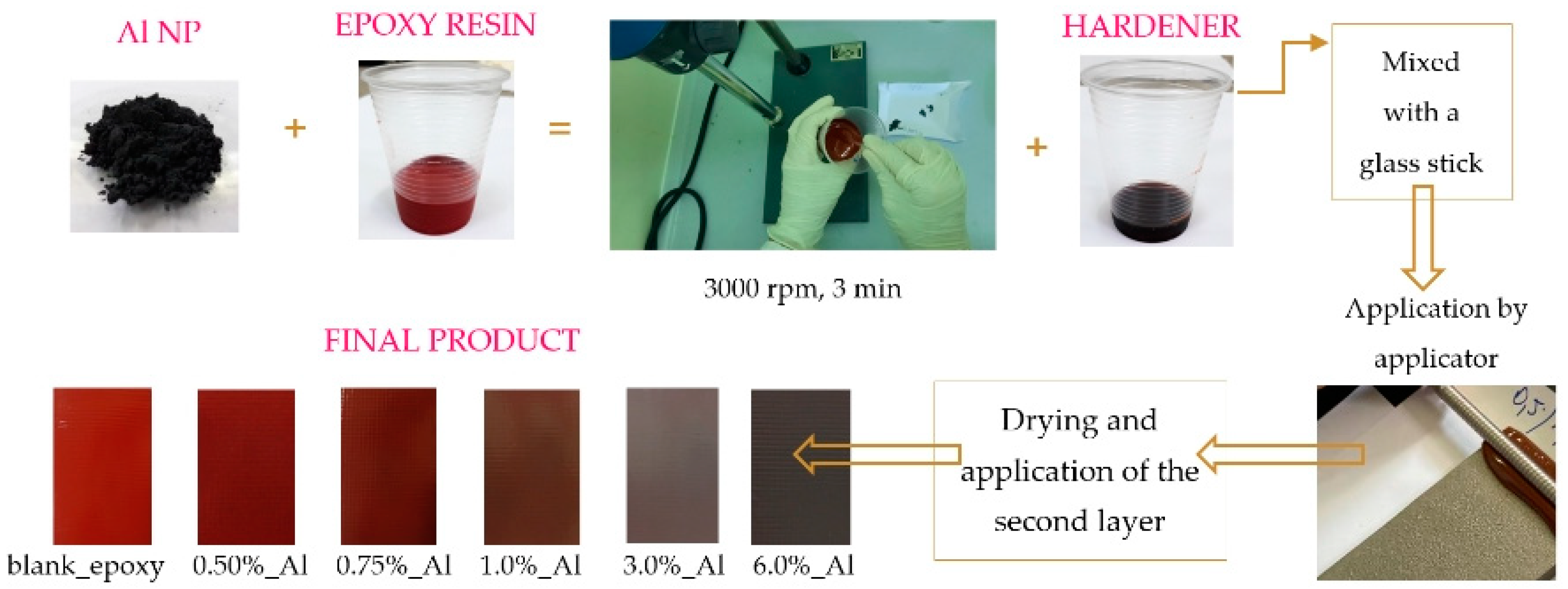
Resins, when applied as a coating or encapsulate, act as a barrier against corrosive agents.
- Moisture and Oxygen Barrier: A continuous, impermeable resin layer prevents water, oxygen, and other corrosive chemicals from reaching the aluminum surface, thus inhibiting oxidation and pitting corrosion.
- Chemical Resistance: Many resins, especially epoxies and polyurethanes, offer excellent resistance to a wide range of chemicals, acids, and bases, protecting aluminum in harsh industrial or marine environments.
- Galvanic Corrosion Prevention: Aluminum is often coupled with other metals (e.g., steel, copper) in assemblies. If an electrolyte (like saltwater) is present, galvanic corrosion can occur where aluminum acts as the anode and rapidly corrodes. A resin coating can electrically isolate the aluminum from dissimilar metals, preventing this electrochemical reaction.
Encapsulation for Electronics and Components
In the electronics industry, resins are extensively used for encapsulating aluminum-housed components.
- Thermal Management: While resins are generally insulators, thermally conductive potting compounds (resins filled with ceramic or metallic particles) can be used to transfer heat away from sensitive electronic components to an aluminum casing, which then dissipates the heat.
- Environmental Sealing: Resins provide robust sealing against moisture, dust, vibration, and thermal shock, protecting internal electronics within an aluminum enclosure.
- Dielectric Strength: Resins serve as electrical insulators, preventing short circuits and arcing within aluminum housings where conductive components are present.
The effectiveness of resin in corrosion protection and encapsulation depends heavily on its film thickness, continuity, and inherent resistance to the specific environmental stressors.
Structural and Aesthetic Applications: Beyond Simple Adhesion
The interaction between resin and aluminum extends far beyond basic bonding, opening doors to innovative structural and aesthetic applications across various industries.
Advanced Composite Structures
In aerospace and automotive industries, resins facilitate the creation of high-performance composite structures involving aluminum.
- Honeycomb Structures: Aluminum honeycomb cores are often bonded between thin aluminum or composite skins using specialized adhesive films (resin systems). This creates extremely lightweight yet rigid panels with high bending stiffness, used in aircraft floors, bulkheads, and vehicle chassis components. The resin ensures the integrity of the sandwich structure, distributing loads and preventing delamination.
- Hybrid Laminates: Fiber-reinforced resin matrices (like carbon fiber epoxy) can be co-cured or bonded to aluminum sheets to form hybrid laminates (e.g., GLARE – Glass Laminate Aluminum Reinforced Epoxy). These materials combine the fatigue resistance of aluminum with the high strength and stiffness of composites, offering superior performance in structures subjected to cyclic loading.
Rapid Prototyping and Additive Manufacturing
Resins play a role in conjunction with aluminum in additive manufacturing processes. While aluminum is 3D printed directly via methods like Selective Laser Melting (SLM), resin-based 3D printing (SLA, DLP) can create molds or patterns that are then used in aluminum casting processes (e.g., lost-wax casting). Furthermore, resins can be applied to aluminum parts for post-processing, such as sealing porous surfaces or adding custom textures and finishes.
Artistic and Decorative Finishes
Aesthetically, resins can transform the appearance of aluminum. Clear epoxy or polyurethane resins can be poured over polished or textured aluminum sheets to create stunning, durable surfaces for countertops, artwork, or architectural panels. Colored resins can embed pigments, glitter, or other materials, adding vibrant hues and unique visual effects while protecting the underlying metal. This technique allows for bespoke designs and custom finishes that highlight aluminum’s metallic sheen or completely reimagine its surface.
Challenges and Best Practices: Maximizing the Resin-Aluminum Relationship
Despite the myriad benefits, combining resin and aluminum presents specific technical challenges that require careful consideration and adherence to best practices for optimal long-term performance.
Key Challenges
- Thermal Expansion Mismatch: Aluminum has a significantly higher coefficient of thermal expansion (CTE) than most cured thermoset resins. This difference means that as temperature changes, aluminum expands and contracts more than the resin. This differential movement induces shear and peel stresses at the interface, which can lead to bond degradation, cracking, or delamination over time, particularly under cyclic thermal loading.
- Moisture Ingress: Even well-bonded interfaces can be susceptible to moisture penetration. Water molecules can diffuse through the resin or along the interface, leading to hydrolysis of the oxide layer, weakening of the adhesive bond, and potential corrosion.
- UV Degradation: Many resins, especially epoxies and polyesters, are susceptible to UV radiation. Prolonged exposure can cause chalking, yellowing, loss of mechanical properties, and embrittlement, compromising both the aesthetic and protective functions of the resin.
- Surface Contamination and Imperfect Preparation: As highlighted earlier, any residual contamination or inadequate surface treatment will severely compromise the bond strength and durability. The oxide layer itself can also be a weak point if not properly managed.
- Cure Shrinkage: As resins cure, they undergo volumetric shrinkage. This shrinkage can induce internal stresses within the bond line, contributing to the overall stress state and potentially leading to premature failure if not accounted for in design.
Best Practices for Robust Resin-Aluminum Bonds
To mitigate these challenges and achieve maximum performance, several best practices are critical:
- Rigorous Surface Preparation: This cannot be overstressed. Mechanical abrasion followed by chemical etching or anodizing is often recommended for critical applications. Using adhesion promoters (e.g., silanes) is highly effective in improving the chemical bond and hydrolytic stability.
- Resin Selection: Choose a resin specifically formulated for metal bonding, considering its mechanical properties, chemical resistance, thermal performance, and environmental compatibility. For applications with significant thermal cycling, select resins with lower CTEs or more flexible formulations (e.g., rubber-toughened epoxies or polyurethanes) to accommodate differential movement.
- Controlled Curing: Adhere strictly to the manufacturer’s recommended cure schedule (temperature and time). Incomplete cure can lead to lower mechanical properties, reduced chemical resistance, and increased susceptibility to environmental degradation. Post-curing at elevated temperatures can further enhance properties.
- Design for Bond Integrity:
- Joint Geometry: Design lap joints or scarf joints rather than butt joints for adhesive bonding, as they distribute stress over a larger area.
- Stress Relief: Incorporate features that minimize stress concentrations at the bond line.
- Thickness Control: Maintain a consistent and appropriate bond line thickness to optimize stress distribution and minimize shrinkage-induced stresses.
- Environmental Protection: For outdoor or harsh environments, apply UV-stable topcoats over the resin to prevent degradation. Ensure proper sealing and encapsulation to prevent moisture ingress.
- Quality Control: Implement thorough inspection protocols for surface preparation, resin mixing, application, and curing to ensure consistency and prevent defects.
By understanding the inherent properties of both aluminum and various resins, and by diligently applying best practices in preparation, selection, and application, engineers and designers can harness the powerful synergy between these two materials to create robust, lightweight, and durable technological solutions. The interaction of resin and aluminum is a testament to the intricate balance required in materials engineering to unlock optimal performance.
aViewFromTheCave is a participant in the Amazon Services LLC Associates Program, an affiliate advertising program designed to provide a means for sites to earn advertising fees by advertising and linking to Amazon.com. Amazon, the Amazon logo, AmazonSupply, and the AmazonSupply logo are trademarks of Amazon.com, Inc. or its affiliates. As an Amazon Associate we earn affiliate commissions from qualifying purchases.