
The Treaty of Versailles, signed in 1919, aimed to conclude the Great War and establish a lasting peace. However, beneath its veneer of resolution lay a labyrinth of financial and economic issues that remained deeply unsettled, ultimately sowing the seeds for future global instability. Far from offering a clear path to economic recovery, the treaty inadvertently created a complex web of obligations, debts, and resentments that severely undermined international financial systems and national economies for decades. The core of these unresolved issues centered on war reparations, inter-allied debts, and the resulting severe economic dislocations that plagued Europe and beyond.
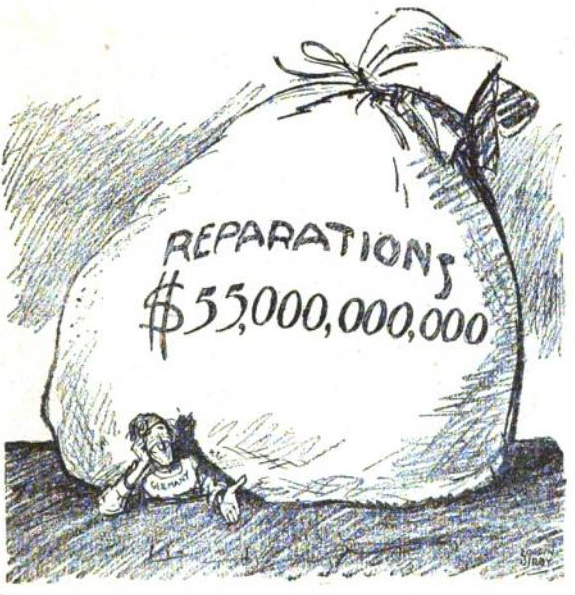
The Unmanageable Reparations: A Looming Financial Catastrophe
One of the most contentious and financially debilitating aspects of the Treaty of Versailles was the imposition of massive war reparations on Germany. The Allied powers, particularly France and Britain, demanded colossal sums, viewing them as essential compensation for the war’s devastation and a means to alleviate their own crushing war debts. However, the scale of these demands utterly disregarded Germany’s crippled post-war economic capacity, creating an impossible financial burden that proved fundamentally unmanageable.
The Initial Demands and Germany’s Economic Reality
The initial sum for reparations was left unspecified at Versailles but was eventually fixed by the London Schedule of Payments in 1921 at 132 billion gold marks (approximately $33 billion USD at the time), an astronomical figure for an economy already in ruins. Germany had lost significant industrial territories, its merchant fleet, and critical overseas investments. Its industrial output was severely hampered, and its national finances were in disarray. The annual payments demanded were equivalent to a substantial portion of Germany’s national income, leaving virtually no room for economic recovery or public investment. This immediate financial strain was not merely a matter of economic policy; it was a fundamental miscalculation of sustainable finance that guaranteed default and resentment. It placed an ongoing, insurmountable liability on the German state, severely restricting its fiscal sovereignty and capacity for internal capital formation.
The Dawes and Young Plans: Temporary Band-Aids on a Gaping Wound
Recognizing the impracticality of the initial reparations schedule, international committees devised the Dawes Plan (1924) and the Young Plan (1929). These were attempts to restructure Germany’s payment obligations and stabilize its currency, largely by leveraging foreign investment, particularly from the United States. The Dawes Plan introduced a more flexible payment schedule linked to Germany’s economic performance and facilitated a large international loan to help Germany meet its immediate obligations and restore its gold standard. The Young Plan further reduced the total amount owed and spread payments over an even longer period, until 1988, while formally ending Allied control over German economic affairs.
While these plans temporarily eased the immediate financial pressure and facilitated some foreign capital inflow, they were ultimately cosmetic solutions. They did not fundamentally alter the immense underlying debt burden. Germany’s capacity to pay remained precarious, heavily dependent on a continuous inflow of foreign loans, primarily from the United States. This created an inherently unstable financial structure, a house of cards where German reparations payments to the Allies were funded by American loans to Germany, which in turn allowed the Allies to repay their own war debts to the U.S. Treasury. This circular flow of money, dependent on a robust global economy and continued American lending, was highly vulnerable to any economic shock, as the impending Great Depression would soon demonstrate.
The Interconnected Web of War Debts: Global Financial Instability
The reparations issue was inextricably linked to the complex web of inter-allied war debts. The United States had emerged from the war as the world’s primary creditor nation, having lent vast sums to its European allies. These loans, combined with the reparations demands on Germany, created a fragile, interdependent global financial system ripe for collapse.
America’s Creditor Role and the Allied Burden
European Allied nations, particularly Great Britain and France, owed billions of dollars to the United States for war supplies and loans. They viewed German reparations as the primary mechanism for repaying these debts. This created a strong incentive for them to demand high reparations, even if unrealistic. The U.S., however, insisted on repayment of its loans, largely separating the two issues in its own financial policy, despite their practical interconnectedness. This stance intensified the financial pressure on the European allies, who then in turn pressed harder on Germany. The refusal of a comprehensive, multilateral debt cancellation or restructuring meant that the financial burden simply shifted from one nation to another, rather than being collectively absorbed or managed through a unified financial strategy.
The Circular Flow of Money and Its Inherent Fragility
The described circular flow—American loans to Germany, German reparations to the Allies, Allied war debt payments to America—was an artificial and ultimately unsustainable financial construct. It relied on a continuous cycle of lending and repayment that lacked genuine underlying economic productivity or trade. If any part of this chain broke, the entire system would falter. The lack of a robust international financial framework to manage these complex interdependencies meant that national financial stability was highly sensitive to external shocks. This systemic vulnerability would prove catastrophic when the global economic environment deteriorated. The unresolved nature of these debts meant that international finance operated on a series of precarious promises rather than sound economic principles, leaving global financial markets acutely exposed to future crises.
Currency Collapse and Hyperinflation: Destroying National Savings
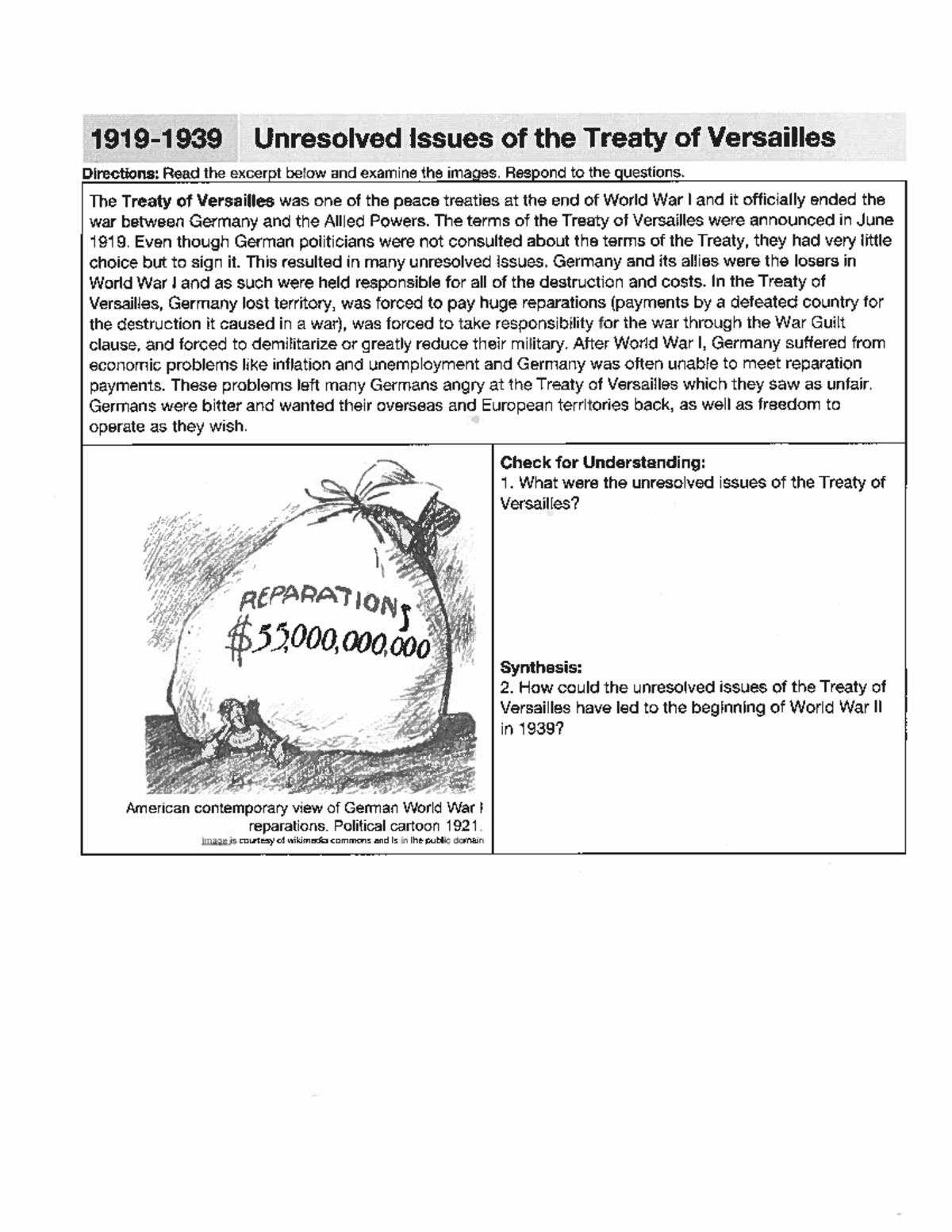
The immense financial pressure of reparations, coupled with post-war economic dislocation and the German government’s response, led to one of the most dramatic episodes of monetary instability in history: hyperinflation. This wasn’t merely an economic phenomenon; it was a profound destruction of national wealth and trust, leaving indelible financial scars.
Germany’s Plunge into Monetary Chaos
Unable to meet reparation payments and facing severe budgetary deficits, the German government resorted to printing vast quantities of unbacked currency. This unchecked monetary expansion rapidly devalued the mark. By late 1923, the German mark had plummeted to incomprehensible depths, reaching a rate of 4.2 trillion marks to one US dollar. This hyperinflation wiped out savings, pensions, and fixed incomes, effectively destroying the financial assets of the middle class and creating widespread economic destitution. Businesses struggled to operate, trade collapsed, and the economic fabric of society frayed. The stability of the national currency, a cornerstone of any functional economy, was completely undermined, rendering investment impossible and fostering widespread economic despair.
The Erosion of Economic Trust and Investment
Beyond the immediate loss of wealth, hyperinflation eroded public trust in financial institutions, the government, and the stability of the economic system itself. This loss of confidence had long-lasting repercussions, discouraging domestic and foreign investment, distorting economic decision-making, and creating a generation wary of traditional financial instruments. The experience demonstrated the catastrophic consequences of unresolved national financial burdens when combined with unsound monetary policy. It created an environment where long-term financial planning was impossible, diverting capital away from productive investments and into speculative, short-term ventures, further hampering economic recovery. The financial destruction bred deep social and political resentment, directly contributing to the rise of extremist ideologies that promised to restore economic order and national pride.
Protectionism and Stagnation: Hobbling International Trade and Finance
The unresolved financial issues of the Treaty of Versailles fostered a global economic environment characterized by protectionism and stagnation. Nations, struggling with their own debts and economic woes, increasingly retreated into economic nationalism, erecting trade barriers and restricting capital flows, further impeding global financial recovery and sustainable growth.
The Retreat from Open Markets
As nations grappled with economic instability and the pressure of war debts and reparations, many adopted protectionist trade policies. Tariffs were raised, quotas imposed, and currency controls implemented in an attempt to protect domestic industries and conserve foreign exchange. This retreat from open markets stifled international trade, which is a crucial engine for economic growth and stability. The flow of goods and services, vital for nations to earn the foreign currency needed for debt repayment and to foster economic specialization, was severely constricted. This lack of robust international trade meant that the global economy could not generate the wealth necessary to absorb the massive financial liabilities created by the war and the treaty.
Impaired Global Recovery and Investment Opportunities
The climate of economic uncertainty and protectionism profoundly impaired global recovery and limited opportunities for cross-border investment. Capital was hoarded or flowed only along specific, politically motivated channels rather than being allocated efficiently based on market principles. Businesses faced unpredictable markets and restricted access to raw materials and export opportunities. This economic stagnation meant that national economies struggled to generate sufficient tax revenues or create sustainable growth, making the repayment of existing debts even more challenging. The overall effect was a prolonged period of economic malaise, where the potential for collective financial recovery was continuously undermined by individual nations’ desperate attempts to safeguard their own vulnerable finances, perpetuating a cycle of financial insecurity and underinvestment.
The Financial Legacy: Paving the Way for Another Economic Upheaval
The unresolved financial issues of the Treaty of Versailles were not merely historical footnotes; they were fundamental drivers of future conflict. The economic hardship, resentment, and instability they generated directly contributed to the rise of extremist political movements and ultimately set the stage for the most financially destructive conflict in human history: the Second World War.
Funding Extremism and Rearmament
The financial distress and economic chaos in Germany, largely a direct consequence of the reparations burden and the ensuing hyperinflation, created fertile ground for the rise of Nazism. Adolf Hitler and the Nazi Party exploited the widespread economic despair and national humiliation, promising to repudiate the “dictated peace” of Versailles and restore Germany’s economic prosperity and national pride. Their aggressive rearmament program, a massive capital outlay funded by increasingly predatory fiscal policies and eventually by the plunder of conquered territories, was a direct response to the perceived injustices and economic constraints imposed by the treaty. The unresolved financial grievances thus became a powerful catalyst for military expansion and geopolitical aggression, demonstrating how economic instability can directly translate into catastrophic human and financial cost on a global scale.
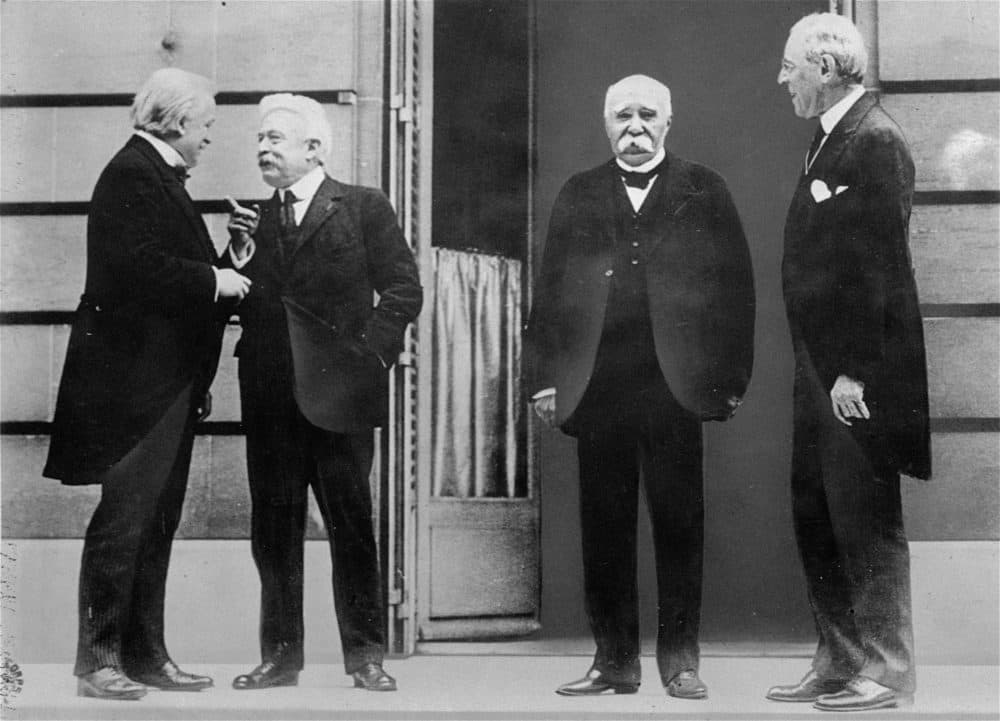
The Ultimate Cost of Unresolved Financial Grievances
The ultimate financial legacy of the unresolved issues of Versailles was the outbreak of World War II. The economic devastation, the colossal financial expenditures, and the subsequent reconstruction efforts dwarfed anything seen in the preceding conflict. This war, fueled in part by the economic resentments born from Versailles, resulted in unprecedented levels of debt, destruction of capital, and human cost, fundamentally reshaping the global financial order once again. The failure to address the core financial and economic imbalances created by the Treaty of Versailles proved to be an incredibly expensive lesson in international finance, underscoring the critical importance of realistic economic policies, debt management, and sustainable financial frameworks for maintaining global peace and prosperity. The interwar period stands as a stark reminder of how unresolved financial issues can fester, grow into systemic risks, and ultimately lead to cataclysmic global economic and human devastation.
aViewFromTheCave is a participant in the Amazon Services LLC Associates Program, an affiliate advertising program designed to provide a means for sites to earn advertising fees by advertising and linking to Amazon.com. Amazon, the Amazon logo, AmazonSupply, and the AmazonSupply logo are trademarks of Amazon.com, Inc. or its affiliates. As an Amazon Associate we earn affiliate commissions from qualifying purchases.