
The retail giant Walmart continually evaluates its vast portfolio of stores to optimize operational efficiency and profitability in an ever-evolving market. While specific closure lists for 2025 are not yet public, understanding the financial and strategic drivers behind such decisions provides critical insight into the company’s long-term trajectory and the broader retail landscape. This isn’t merely about shuttering underperforming locations; it’s a complex financial strategy aimed at maintaining competitive edge, adapting to consumer shifts, and ensuring shareholder value.
The Shifting Retail Landscape and Walmart’s Strategic Adaptations
The retail industry has undergone a seismic shift, accelerated by technological advancements, changing consumer demographics, and macroeconomic pressures. Walmart, as a bellwether for the sector, is not immune to these forces and consistently re-evaluates its physical footprint as part of its financial strategy. Decisions regarding store closures are rarely isolated incidents but rather components of a larger plan to allocate capital more effectively and streamline operations.

The Cost-Benefit Analysis of Physical Footprints
Operating a large network of physical stores involves significant overheads: real estate leases or ownership costs, utility expenses, maintenance, and substantial labor forces. In an environment where inflation can drive up supply chain and operational costs, the profitability threshold for individual stores increases. Walmart must perform a rigorous cost-benefit analysis for each location, weighing its revenue generation against its operational expenses. Stores consistently failing to meet performance metrics, such as sales per square foot or customer traffic, become candidates for consolidation. This financial discipline ensures that capital is not tied up in underperforming assets but is instead directed towards higher-return investments, such as technology upgrades, e-commerce infrastructure, or new, more strategically located stores.
E-commerce Integration and Fulfillment Centers
The explosive growth of e-commerce has fundamentally altered consumer shopping habits. A significant portion of Walmart’s strategic investment now flows into its digital platforms, including online shopping, curbside pickup, and home delivery services. This shift means that some traditional brick-and-mortar locations may become redundant or less critical to the overall omnichannel strategy. Instead of operating a full-service supercenter, Walmart might convert certain stores into smaller format outlets, optimize them for fulfillment of online orders, or close them altogether if their physical presence no longer aligns with the digital-first shopping patterns of the surrounding community. The investment in robust supply chain logistics and strategically placed fulfillment centers takes precedence, impacting the viability of older, less adaptable retail spaces.
Financial Drivers Behind Store Consolidation
The decision to close a Walmart store is fundamentally a financial one, driven by a myriad of factors designed to optimize the company’s financial health and shareholder returns. These decisions reflect a proactive approach to managing assets and liabilities in a dynamic market.
Optimizing Profitability and Operational Efficiency
At the core of any closure decision is profitability. Stores that consistently underperform financially, either due to low sales volumes, high operational costs, or intense local competition, become a drain on the company’s overall profitability. Factors such as declining foot traffic, demographic shifts in a specific area, or the saturation of retail options can contribute to a store’s diminished financial viability. By closing these underperforming units, Walmart can reallocate resources—both human and financial—to more productive ventures. This includes investing in higher-performing stores, enhancing its digital capabilities, or pursuing new growth markets. The goal is to maximize the return on every dollar invested, ensuring the overall business operates at peak financial efficiency.
Real Estate Portfolio Management
Walmart is one of the largest real estate holders globally. Active management of this vast portfolio is crucial for financial health. Store closures can be part of a broader strategy to divest from depreciating assets, renegotiate leases, or unlock real estate value. In some cases, a store might occupy prime real estate that could be sold or redeveloped for a higher profit, even if the store itself is marginally profitable. The company consistently assesses market trends, property values, and future development opportunities. Furthermore, property taxes and maintenance costs for aging infrastructure can become prohibitive, making a closure and potential sale a more financially prudent decision than continued operation.
Labor Costs and Automation Investments
Labor expenses represent a significant portion of a retail store’s operational budget. Wage inflation, combined with the need to offer competitive benefits, adds pressure to a store’s bottom line. While Walmart is a major employer, decisions about store closures often reflect a strategic pivot towards increased automation in areas like inventory management, checkout processes, and warehouse operations. Investing in technology can reduce long-term labor costs and improve efficiency, but it may also contribute to the economic rationale for consolidating or closing stores where automation cannot offset other financial headwinds. This financial balancing act aims to strike the optimal mix of human capital and technological solutions for long-term profitability.
Economic Ripples: Impact on Communities and Local Economies
The closure of a Walmart store, particularly in smaller towns or underserved urban areas, can have profound financial repercussions for the local economy. These impacts extend beyond the immediate loss of a retail outlet.
Job Market Repercussions
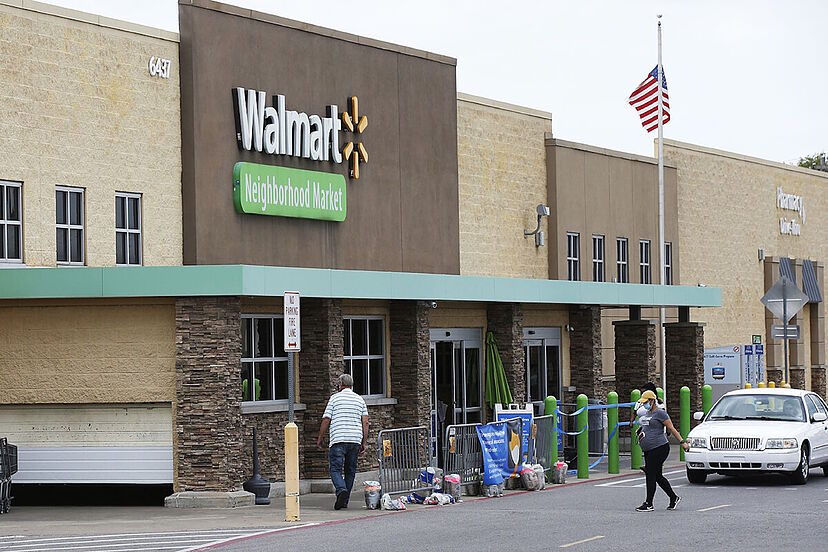
A single Walmart Supercenter can employ hundreds of individuals, ranging from full-time managers to part-time associates. A closure translates directly into job losses, impacting household incomes and potentially increasing unemployment rates in the affected community. For many, Walmart jobs provide critical income and benefits. The ripple effect can be substantial, as former employees may struggle to find comparable work, leading to reduced consumer spending and increased demand on local social services. From a personal finance perspective, this can devastate families and local economies that rely heavily on the employment provided by such large retailers.
Local Tax Revenue and Property Values
Walmart stores contribute significantly to local tax bases through property taxes, sales taxes, and sometimes local business taxes. A closure can lead to a substantial reduction in these revenue streams, which are vital for funding local services like schools, infrastructure, and public safety. Moreover, a large vacant commercial property can depress surrounding property values, creating a negative feedback loop for the local economy. The cost of maintaining an empty storefront, or the challenge of attracting a new tenant, can place further financial strain on municipal budgets and local developers.
Consumer Access and Spending Habits
For many communities, especially rural ones, Walmart serves as a primary source for groceries, household goods, and other essential products. A closure can create a “food desert” or a “retail desert,” forcing residents to travel longer distances for basic necessities. This increases transportation costs (gas, vehicle wear and tear) for households, eroding personal finances. It also means that consumer spending previously captured locally will shift to neighboring towns, further impacting the economic vitality of the affected area. The financial burden shifts from the company to the consumer and the community.
Investor Perspectives and Shareholder Value
From an investor’s standpoint, store closures are often viewed as necessary strategic maneuvers to enhance the company’s financial health and long-term value. While short-term optics might seem negative, the underlying financial rationale aims to optimize returns.
Long-term Growth vs. Short-term Headwinds
Investors typically understand that proactive portfolio management, including closures, is essential for sustainable long-term growth. While there might be initial costs associated with closing stores (e.g., severance pay, lease termination fees, inventory liquidation), these are often offset by the elimination of ongoing losses and the reallocation of capital to more profitable ventures. Shareholders look for evidence that management is making fiscally responsible decisions to improve the company’s EBITDA margins, free cash flow, and overall return on invested capital. A company that consistently carries underperforming assets is seen as poorly managed, which can depress stock prices.
Dividend Stability and Share Buybacks
Walmart is known for its consistent dividend payouts, a key attraction for income-focused investors. By shedding unprofitable assets and improving overall financial performance, the company can better ensure the stability and potential growth of its dividends. Additionally, strong financial health allows for strategic share buyback programs, which can reduce the number of outstanding shares and boost earnings per share, thereby increasing shareholder value. These financial maneuvers demonstrate a commitment to returning value to shareholders and maintaining a robust balance sheet.
Navigating the Future: Walmart’s Financial Reshaping for Sustainable Growth
Walmart’s ongoing process of store evaluation and potential closures is integral to its broader financial strategy for future growth. The company is actively reshaping its operational and financial models to thrive in a rapidly changing global economy.
Diversification and New Revenue Streams
To mitigate reliance on traditional brick-and-mortar retail and maximize financial returns, Walmart is aggressively diversifying its revenue streams. This includes expanding its advertising business (Walmart Connect), growing its healthcare services (Walmart Health), and enhancing its financial services offerings (e.g., MoneyCenter, GoBank partnership). These ventures represent significant capital investments designed to create new avenues for growth and profitability, reducing the impact of any individual store closure. The financial aim is to create a more resilient and multi-faceted business model less susceptible to fluctuations in a single segment.
Data-Driven Decision Making
Modern retail is increasingly reliant on data analytics. Walmart leverages vast amounts of consumer data, sales figures, demographic information, and market trends to inform its financial and operational decisions. This data-driven approach allows the company to precisely identify underperforming stores, forecast future market shifts, and strategically allocate resources. The financial modeling now incorporates sophisticated algorithms to predict the optimal placement of new stores, the efficiency of supply chains, and the potential ROI of various investments, including the decision to close a store. This analytical rigor ensures that every major financial decision is backed by robust data, maximizing the likelihood of positive outcomes for the company and its investors. The ongoing refinement of its physical footprint, through closures and strategic openings, is a testament to this data-driven financial stewardship.
aViewFromTheCave is a participant in the Amazon Services LLC Associates Program, an affiliate advertising program designed to provide a means for sites to earn advertising fees by advertising and linking to Amazon.com. Amazon, the Amazon logo, AmazonSupply, and the AmazonSupply logo are trademarks of Amazon.com, Inc. or its affiliates. As an Amazon Associate we earn affiliate commissions from qualifying purchases.