
Biometric authentication, from fingerprint scanners on smartphones to facial recognition systems in airports, promises unparalleled convenience and enhanced security. By leveraging unique biological characteristics, biometrics aim to replace cumbersome passwords and easily forgotten PINs. However, like any security measure, biometrics are not impervious to attack. When coupled with the manipulative tactics of social engineering, these advanced systems can become surprisingly vulnerable, revealing a complex intersection of human psychology and technological exploitation.
Understanding Biometric Vulnerabilities in a Social Engineering Context
The allure of biometrics lies in their uniqueness and inherent immutability. Unlike a password that can be changed, a fingerprint or an iris pattern remains constant. This very immutability, however, presents a distinct challenge: once compromised, a biometric identifier cannot be “reset” in the same way a password can. This fundamental difference makes biometric data an extremely valuable and permanent target for malicious actors.
The Promise and Peril of Biometrics
Biometrics offer significant advantages in security by providing “something you are,” making them inherently stronger than “something you know” (like a password) or “something you have” (like a key card). Their ease of use can also drive adoption of security protocols that might otherwise be bypassed for convenience. Yet, their immutable nature means that if an attacker successfully captures, copies, or bypasses a biometric identifier, the victim faces a more profound and lasting security breach. The core peril lies in the fact that while technology continually evolves to make biometric capture and verification more robust, the human element—our susceptibility to manipulation—remains a constant weak link.
Social Engineering as the Human Element
Social engineering exploits human psychology, trust, and common human errors to gain access to information or systems. It’s not about hacking complex code but rather about “hacking” people. When applied to biometrics, social engineering acts as the critical bridge, often bypassing sophisticated technical safeguards by manipulating individuals into inadvertently assisting the attacker. It’s less about directly cracking the biometric algorithm and more about tricking someone into revealing their biometric data, enrolling an attacker’s biometric, or creating an opportunity for biometric spoofing.
Why Biometrics are a Target
The proliferation of biometric systems across industries—from unlocking personal devices and authorizing financial transactions to gaining physical access to secure facilities—makes them an increasingly attractive target. As more critical systems rely on biometrics, the potential payoff for an attacker who can exploit them grows exponentially. A successful biometric compromise can lead to identity theft, financial fraud, unauthorized access to sensitive data, or physical entry into restricted areas, demonstrating the high stakes involved.
Specific Social Engineering Vectors Targeting Biometrics
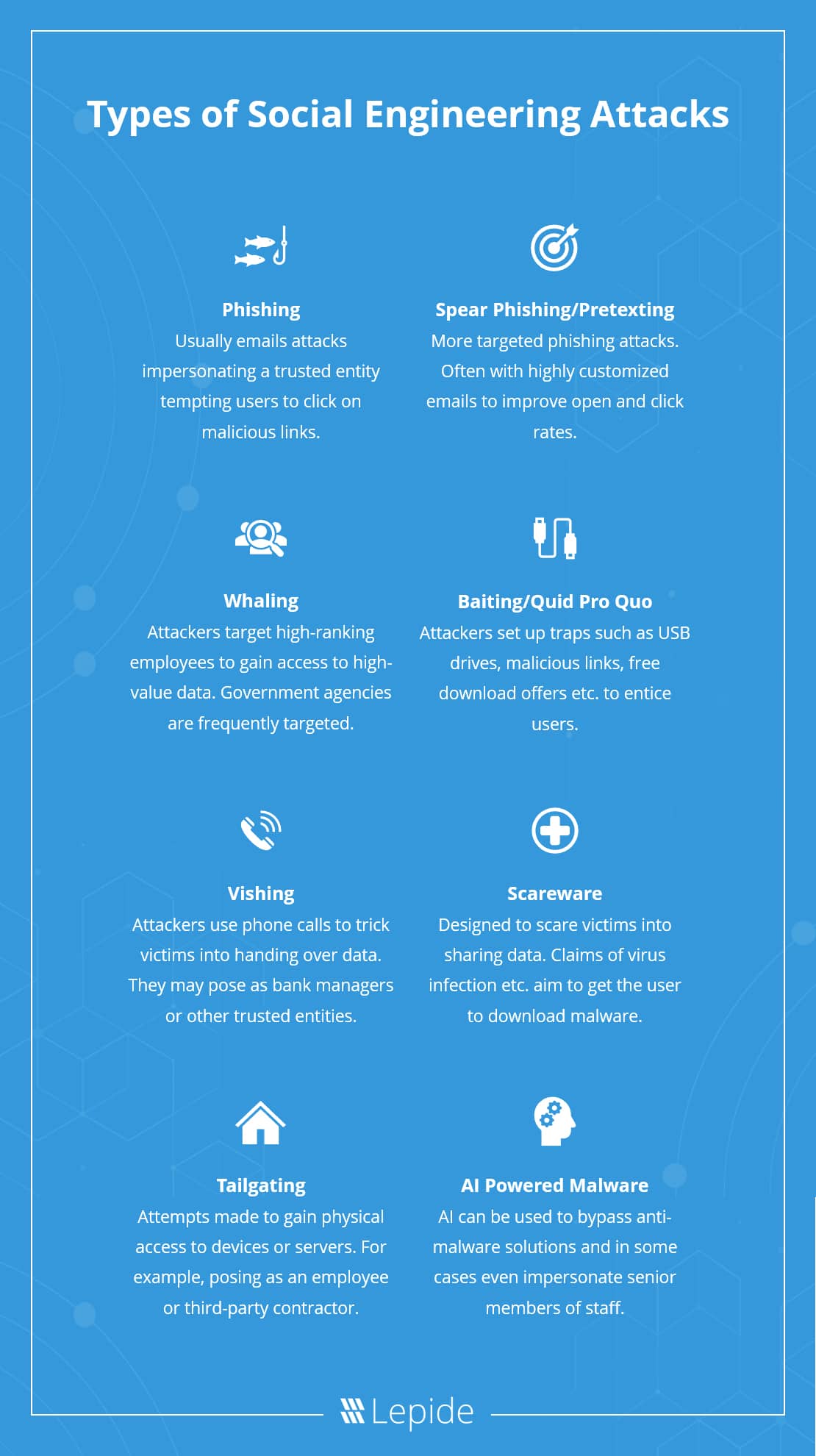
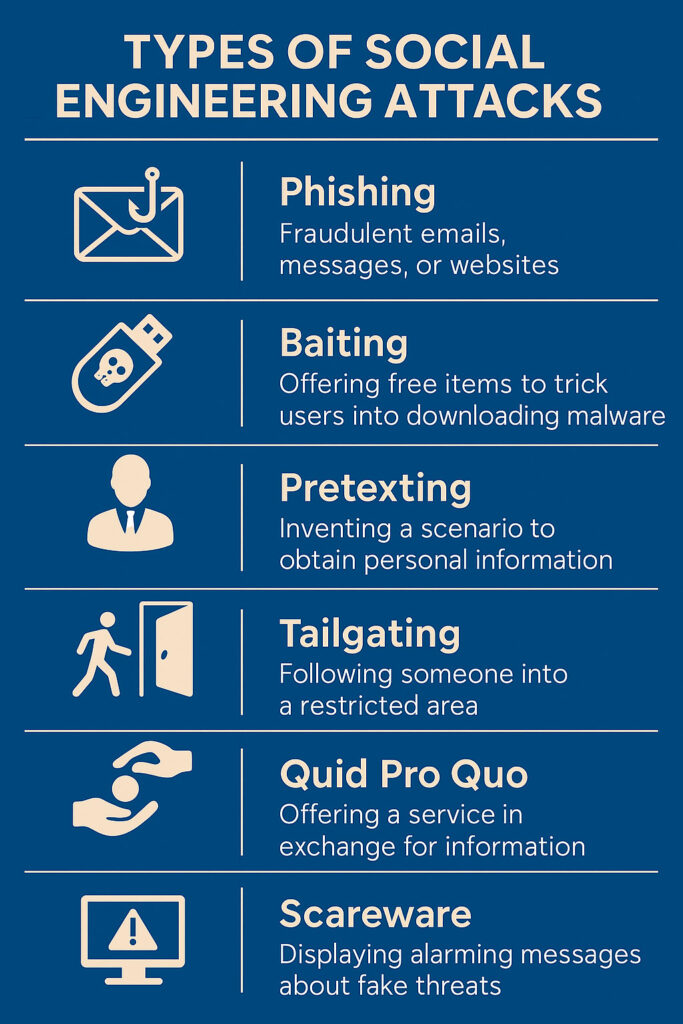
Attackers employ various social engineering tactics to target biometric systems, often leveraging a combination of deceit, psychological manipulation, and technical skill. These methods exploit human trust and negligence to either acquire biometric data or facilitate its bypass.
Pretexting and Impersonation for Biometric Enrollment
Pretexting involves creating a false scenario or “pretext” to elicit information or actions from a victim. When applied to biometrics, this might involve an attacker impersonating an IT technician, an HR representative, or a security officer. The attacker’s goal could be to:
- Enroll their own biometrics: They might claim a “system upgrade” requires re-enrolling everyone’s fingerprints, then subtly enroll their own for illicit access.
- Modify existing biometric data: Convincing an administrator that a user’s biometric profile is corrupted and needs “repair,” which could involve replacing the legitimate data with a spoofed version or granting the attacker temporary access.
- Acquire a legitimate biometric directly: Tricking a user into providing their fingerprint or face scan for a fake “security audit” or “new system test.”
Phishing for Biometric Data or Access
While traditional phishing aims to steal login credentials, phishing campaigns targeting biometrics are more nuanced. They often seek to:
- Obtain data that aids in spoofing: Phishing emails might lure users to malicious websites that prompt them to upload high-resolution photos for a “contest” or “profile verification,” which can then be used to create deepfakes or 3D models for facial recognition spoofing.
- Acquire credentials that control biometric systems: An attacker might phish for the username and password of a system administrator who manages biometric enrollment or has the ability to grant exceptions, effectively bypassing the biometric check altogether.
- Trick users into installing malware: Malicious software could be designed to covertly capture biometric data from devices, such as latent fingerprints from a touchscreen or voice samples from a microphone.
Baiting and Tailgating with Biometric Implications
Baiting involves luring victims with a tempting offer, often involving physical media like USB drives. While not directly capturing biometrics, a baiting attack could lead to:
- Malware installation: A “found” USB drive, once plugged into a system, could install malware that captures biometric data or logs keyboard inputs to compromise biometric system credentials.
- Access to systems: The bait might be a lure that grants the attacker physical proximity to a biometric scanner, allowing them to attempt spoofing or observe legitimate users for later replication.
Tailgating (or piggybacking) is gaining unauthorized access by following someone who has legitimate access. In a biometric context, tailgating enables an attacker to physically reach a biometric scanner without being challenged, allowing them to:
- Attempt a quick spoof: Presenting a fake fingerprint or face to a scanner.
- Observe legitimate users: Learning how users interact with the scanner (e.g., angle, pressure) to refine spoofing techniques.
- Exploit a “man-in-the-middle” scenario: Tampering with the scanner or intercepting data between the scanner and the verification system.
Quid Pro Quo and Intimidation in Biometric Systems
Quid pro quo attacks involve offering a “service” or benefit in exchange for information or access. An attacker might pose as IT support, offering to “fix” a supposed system issue if the user provides their biometric scan for “testing.” Intimidation involves using threats or coercion to force a victim to provide their biometric data or grant access. This is particularly relevant in physical security scenarios where an attacker might physically threaten an individual to force them to use their fingerprint or face to unlock a door.
Biometric Spoofing Techniques Enhanced by Social Engineering
Biometric spoofing involves presenting a fake biometric sample to a sensor to impersonate a legitimate user. While advanced technical methods exist for spoofing, social engineering often plays a critical role in acquiring the necessary raw materials or creating the opportune environment for the spoof to succeed.
Direct Spoofing Methods
Technological advancements have led to increasingly sophisticated spoofing techniques:
- Fingerprints: Creating fake fingers using gelatin, silicone, wood glue, or even specialized 3D-printed materials derived from latent fingerprints or high-resolution images.
- Facial Recognition: Using high-resolution photos, 3D masks, prosthetic faces, or advanced “deepfake” videos that convincingly mimic a person’s appearance and movements.
- Voice Recognition: Synthesizing speech using audio recordings of a target, or employing voice mimicry to trick voice authentication systems.
- Iris/Retinal Scans: Crafting artificial irises using high-resolution prints, contact lenses with printed patterns, or even sophisticated eye prosthetics.
Social Engineering’s Role in Acquiring Data for Spoofing
This is where social engineering truly shines in enabling biometric attacks. Attackers need high-quality data to create convincing spoofs:
- Fingerprints: Social engineers might trick someone into touching a specific surface (e.g., a glass, a smartphone screen) where their latent prints can be lifted. They might also sift through discarded items, or even take high-resolution photos of someone’s hand.
- Facial Recognition: The sheer volume of high-quality images available on social media (Facebook, Instagram, LinkedIn) makes it easier for attackers to gather sufficient data to train deepfake models or create detailed 3D masks. Attackers might also use pretexting to convince a victim to send “official” photos.
- Voice Recognition: Recording conversations through public sources, compromised devices, or pretexting calls can provide enough audio data to clone a voice. An attacker might call a target pretending to be from a survey company, encouraging them to speak certain phrases.
- Iris/Retinal Scans: While harder, social engineering could involve obtaining high-resolution images of a person’s eyes under the guise of an “ophthalmology screening” or “identification verification.”
Orchestrating the Attack
Beyond acquiring data, social engineering helps orchestrate the actual spoofing event. An attacker might:
- Distract security personnel: Creating a diversion to allow an accomplice to quickly present a spoofed biometric to a scanner.
- Impersonate a legitimate user: Gaining access to an area where they can discreetly attempt a spoof without immediate detection.
- Manipulate system settings: Tricking an administrator into temporarily lowering the sensitivity or security parameters of a biometric system, making spoofing easier.
Defending Against Biometric-Targeted Social Engineering
Mitigating the risks of biometric-targeted social engineering requires a multi-faceted approach, combining robust technological defenses with comprehensive human-centric security strategies.
Multi-Factor Authentication (MFA) as a Primary Defense
The most effective defense against biometric compromise is to avoid sole reliance on a single authentication factor. Implementing MFA, which combines “something you are” (biometric) with “something you know” (PIN, password) and/or “something you have” (security token, smartphone as a trusted device), significantly raises the bar for attackers. Even if an attacker can spoof a biometric, they would still need the other factors, making the attack much more complex and less likely to succeed.
Liveness Detection and Anti-Spoofing Technologies
Biometric systems are continually evolving to incorporate advanced liveness detection capabilities. These technologies aim to determine if the presented biometric sample is from a living, authentic source, rather than a static replica. Examples include:
- Fingerprint scanners: Detecting blood flow, pulse, sweat pores, and subtle electrical impedance changes.
- Facial recognition: Analyzing 3D depth, subtle facial movements, pupil dilation, blinking, and skin texture.
- Voice recognition: Detecting nuances in speech patterns, breathing, and specific acoustic characteristics unique to live human speech.
- Iris scanners: Looking for involuntary eye movements (microsaccades) and pupil dilation responses to light.
Robust Security Policies and User Training
Technology alone is insufficient. Organizations must implement strict security policies around biometric data handling, enrollment, and access. Crucially, comprehensive user training is paramount. Employees and users need to be educated on:
- The value of their biometric data: Understanding why it’s a target and the permanent implications of compromise.
- Common social engineering tactics: Recognizing pretexting, phishing, and baiting attempts.
- Safe interaction with biometric systems: Knowing official procedures for enrollment, reporting suspicious activities, and never providing biometrics under unusual circumstances.
- Reporting suspicious activities: Encouraging a culture where unusual requests or observations are promptly reported to security teams.
Regular Audits and Vulnerability Assessments
Periodic security audits and vulnerability assessments are essential to identify weaknesses in both biometric systems and the human processes surrounding them. These assessments should include penetration testing that specifically targets social engineering vectors, attempting to trick employees or bypass biometric controls using realistic attack scenarios. This proactive approach helps organizations adapt their defenses to emerging threats.
Physical Security and Environmental Control
For physical access systems using biometrics, environmental controls are vital. Protecting scanners from tampering, ensuring proper lighting for facial recognition, and maintaining a secure environment around biometric enrollment stations can prevent opportunities for attackers to observe, capture, or tamper with the systems. Physical security measures, such as guarded entry points and surveillance, reinforce the technical controls.
The Future Landscape: AI, Deepfakes, and Advanced Social Engineering
The battle between biometric security and social engineering is an escalating arms race, profoundly influenced by advancements in artificial intelligence.
AI’s Dual Role
AI plays a pivotal dual role in this landscape. On one hand, machine learning algorithms enhance biometric security by improving liveness detection, making systems more adept at distinguishing real biometrics from sophisticated fakes. AI can analyze subtle physiological cues, movement patterns, and behavioral biometrics to create more robust authentication. On the other hand, AI powers the creation of increasingly realistic deepfakes for facial recognition spoofing and sophisticated voice synthesis for voice authentication bypass. AI-driven tools make it easier for attackers to generate highly convincing fraudulent biometric data with minimal effort, significantly lowering the barrier to entry for complex spoofing attacks.
The Escalating Arms Race
This dynamic creates an ongoing challenge where security researchers develop new AI-driven defenses, while attackers leverage AI to create more advanced and evasive spoofs. The sophistication of social engineering tactics will continue to evolve, leveraging AI to craft highly personalized and believable pretexts, phishing messages, and synthetic media, making it even harder for human targets to discern authenticity.

Importance of Holistic Security Strategies
In this evolving threat landscape, no single technology or policy provides a silver bullet. A truly resilient security posture against biometric-targeted social engineering demands a holistic approach. This integrates cutting-edge biometric technologies with strong multi-factor authentication, continuous user education, rigorous security policies, and proactive threat intelligence. The human element, both as a potential vulnerability and a critical line of defense, must remain at the core of any comprehensive security strategy to effectively counter the ever-adapting tactics of social engineering.
aViewFromTheCave is a participant in the Amazon Services LLC Associates Program, an affiliate advertising program designed to provide a means for sites to earn advertising fees by advertising and linking to Amazon.com. Amazon, the Amazon logo, AmazonSupply, and the AmazonSupply logo are trademarks of Amazon.com, Inc. or its affiliates. As an Amazon Associate we earn affiliate commissions from qualifying purchases.