
Attending a graduation ceremony as a guest is more than just celebrating an academic milestone; it’s an opportunity to reinforce and project your personal brand. In an increasingly interconnected world, every public appearance contributes to the perception others have of you. Your attire, far from being a mere aesthetic choice, is a powerful non-verbal communication tool that signals respect, professionalism, and an understanding of social dynamics. For a graduation ceremony, where honor, achievement, and future aspirations are paramount, a guest’s thoughtful presentation underscores their own attention to detail and ability to navigate significant social contexts, subtly enhancing their personal brand identity.

The Strategic Importance of Guest Attire in Personal Branding
Your presence at a graduation ceremony is a statement of support and respect for the graduate and their journey. How you choose to dress for this occasion is a direct reflection of your personal brand’s values, demonstrating your capacity for discernment and appropriate conduct. It’s a subtle form of marketing yourself, not for a product or service, but for your inherent qualities as an individual.
Conveying Respect and Professionalism
Appropriate attire at a graduation ceremony is a primary indicator of respect—respect for the institution, for the momentous occasion, and most importantly, for the graduate who has worked diligently to reach this point. An outfit that is too casual, too distracting, or simply ill-fitting can inadvertently convey indifference or a lack of understanding of the event’s gravitas. Conversely, dressing with care and intentionality communicates that you value the occasion and the people involved, projecting an image of professionalism and thoughtful engagement. This perception strengthens your personal brand, positioning you as someone who is reliable, considerate, and attuned to the nuances of social etiquette. It signals to others that you understand the importance of making a positive impression and that you take the effort to present yourself in a way that aligns with the solemnity and joy of the event.
Aligning with the Event’s Significance
Graduation ceremonies are steeped in tradition and symbolism, marking the culmination of years of effort and the dawn of new beginnings. Your clothing should align with this inherent significance, reflecting a blend of celebration and reverence. Opting for classic, polished styles over overly trendy or casual wear ensures that your personal brand resonates with the dignity of the event. Think of your attire as contributing to the overall narrative of success and future potential. By choosing clothing that is elegant and understated, you avoid overshadowing the graduates while still showcasing your own refined taste and appreciation for formal proceedings. This alignment demonstrates a maturity and awareness that are invaluable components of a strong personal brand, signifying your ability to adapt your image to suit diverse professional and social environments.
The Silent Language of Your Appearance
Before you utter a single word, your appearance has already spoken volumes. In the context of personal branding, your clothing, grooming, and accessories form a powerful non-verbal language that conveys messages about your character, values, and attention to detail. At a graduation, where many influential individuals may be present—from university faculty to family members of the graduates—your appearance is a direct reflection of your personal brand’s commitment to excellence and decorum. An ensemble that is well-coordinated, clean, and appropriate for the setting communicates confidence, competence, and self-respect. It subtly reinforces the idea that you are someone who pays attention to detail, cares about presentation, and understands the dynamics of formal gatherings. This “silent marketing” can leave a lasting positive impression, opening doors for future connections and reinforcing your brand identity as a poised and considerate individual.
Decoding the Dress Code: Formal, Semi-Formal, and Smart Casual
Understanding the nuances of dress codes is fundamental to successfully projecting your desired personal brand at any event. While graduation ceremonies typically lean towards a more formal or semi-formal aesthetic, variations exist based on institution, region, and specific event details. Knowing how to interpret these codes ensures your attire is always on point.
Formal: Upholding Traditional Elegance
When a graduation calls for formal attire, it signifies a deep respect for tradition and the solemnity of the occasion. For men, this typically means a dark suit (navy, charcoal, or black) with a crisp dress shirt, a tie, and polished dress shoes. Accessories should be understated and classic, such as a subtle watch or cufflinks. For women, a sophisticated dress, a tailored pantsuit, or a skirt suit in a refined fabric is appropriate. Hemlines should be modest, and necklines should be conservative. Colors should generally be muted or jewel tones, avoiding anything too bright or attention-grabbing. The goal is to project an image of timeless elegance, professionalism, and respect for established protocols. This choice reinforces a personal brand that values tradition, exhibits impeccable taste, and understands the weight of significant events, positioning you as someone of substance and grace.
Semi-Formal: Balancing Sophistication with Comfort
Semi-formal attire strikes a balance between the strictness of formal wear and a more relaxed approach, often allowing for slightly more personal expression while maintaining a polished look. For men, a suit (which can be lighter in color or fabric than formal options) or tailored trousers with a sport coat or blazer, a dress shirt, and possibly a tie (optional, depending on the venue) are suitable. Loafers or dress boots can replace more rigid dress shoes. For women, cocktail dresses, elegant separates (such as a silk blouse with tailored trousers or a sophisticated skirt), or refined jumpsuits are excellent choices. Fabric textures and patterns can be a bit more varied than in formal settings, but still within the realm of sophistication. Semi-formal allows your personal brand to showcase versatility and an ability to adapt without sacrificing polish. It demonstrates that you can be both approachable and authoritative, comfortable in your skin while still conveying respect for the occasion’s importance. This flexibility within structure is a valuable brand attribute.
Smart Casual: Polished Yet Relaxed Presentation
While less common for the main graduation ceremony, some related events, such as post-ceremony luncheons or informal receptions, might call for smart casual. This dress code requires careful navigation to ensure “casual” doesn’t detract from “smart.” For men, this could mean tailored chinos or dress trousers, a collared shirt (button-down or polo), a neat sweater or a blazer, and smart loafers or clean leather sneakers. Ties are typically not required. For women, smart trousers or a stylish skirt with a blouse, a chic knit top, or a tailored dress in a more relaxed fabric are appropriate. Avoid denim, T-shirts, athletic wear, or anything that could be perceived as sloppy. The key is to maintain an air of intentionality and polish. Your personal brand here communicates an effortless sophistication, an ability to be comfortable and authentic without compromising on presentation. It shows that you can exude confidence and approachability while still upholding a sense of refined style, demonstrating a nuanced understanding of social cues.
Key Considerations for a Polished Personal Brand
Beyond the general dress code, several specific elements contribute significantly to the overall impact of your attire and, by extension, your personal brand. These details collectively communicate your attention to quality, your aesthetic sensibility, and your overall self-awareness.
Fabric Choices and Quality: Investing in Your Image
The texture and quality of the fabrics you choose speak volumes about your discerning taste and commitment to excellence. High-quality natural fibers like wool, silk, linen (if appropriate for the climate), and fine cotton not only drape better but also convey a sense of luxury and sophistication. They signal that you value durability and classic style over fleeting trends, a strong message for any personal brand. A well-made garment from a quality fabric, even if simple in design, often looks more refined and polished than a cheap garment, regardless of its trendiness. Investing in good quality pieces reflects an understanding that your clothing is a long-term asset in your personal branding strategy, projecting an image of someone who is discerning, well-established, and committed to presenting their best self.

Color Psychology and Brand Messaging
Colors evoke emotions and convey specific messages. For a graduation ceremony, opt for colors that are sophisticated, respectful, and timeless. Deep blues, grays, classic black, forest greens, burgundy, or subtle pastels can all be excellent choices. Avoid overly bright, neon, or distracting patterns that might detract from the gravitas of the event. Consider the season and time of day, but always prioritize colors that convey maturity and elegance. Your color choices contribute to the psychological impact of your personal brand, subtly influencing how others perceive your reliability, trustworthiness, and approachability. A thoughtful color palette ensures your visual presence harmonizes with the celebratory yet formal atmosphere, reinforcing your brand as one that is composed and tastefully understated.
Accessories: Subtle Statements of Style
Accessories are the finishing touches that can elevate an outfit and provide subtle insights into your personal brand. For men, this might include a quality watch, a tasteful tie (if worn), and polished shoes. For women, delicate jewelry, an elegant handbag, and sophisticated footwear are appropriate. The key is moderation and quality over quantity. Over-accessorizing can be distracting and diminish the overall impact of your ensemble. Each accessory should feel intentional and contribute to a cohesive look, rather than competing for attention. By selecting accessories that are refined and complement your outfit, you demonstrate an acute awareness of detail and an ability to create a harmonious personal presentation. This level of intentionality communicates a personal brand that is polished, considered, and exudes an understated confidence.
Grooming: The Foundation of Presentation
No matter how impeccable your clothing, poor grooming can instantly undermine your entire personal brand. Hair should be neat and styled appropriately, nails clean and trimmed, and makeup (if worn) should be natural and subtle. For men, facial hair should be well-groomed or clean-shaven. A fresh, clean scent (not overpowering cologne or perfume) also contributes to a positive impression. Grooming is the foundational layer of your personal presentation; it reflects self-care and respect for yourself and those around you. A meticulously groomed appearance communicates discipline, attention to detail, and a high standard of personal maintenance—all critical components of a strong and appealing personal brand. It demonstrates that you value presentation at a fundamental level, reinforcing your credibility and overall image.
Common Pitfalls to Avoid: Diluting Your Personal Brand
Navigating social events successfully requires not only knowing what to do but also what to avoid. Certain choices in attire can inadvertently detract from your personal brand, sending unintended messages and diminishing your impact.
Overdressing vs. Underdressing: The Goldilocks Zone
The most common mistake is misinterpreting the dress code, leading to either overdressing or underdressing. Underdressing—opting for overly casual wear like T-shirts, shorts, sneakers (unless specifically smart casual), or distressed denim—can signal a lack of respect for the occasion and the graduate. It suggests carelessness and a disregard for social norms, significantly damaging a personal brand’s perceived professionalism. Conversely, overdressing, such as wearing a ball gown or a tuxedo to a semi-formal afternoon ceremony, can make you appear out of touch or attention-seeking, potentially overshadowing the graduates. The goal is to find the “Goldilocks Zone”: an outfit that is just right for the specific ceremony. This balance demonstrates social intelligence and an ability to calibrate your personal brand to fit diverse contexts, showcasing adaptability and appropriate discernment.
Distractions and Disruptions: Staying in the Background
Graduation is the graduate’s moment to shine. Your role as a guest is to support and celebrate, not to draw attention away from the honorees. Avoid clothing that is overly flashy, loud, revealing, or features prominent logos that might distract. This includes excessively bright colors, clashing patterns, or clothing that might make noise (e.g., jingly jewelry). Remember, your personal brand should convey respect and support. Choosing subtle elegance ensures that your presence enhances the atmosphere without creating any visual or auditory distractions. Your ability to subtly project confidence and style without needing to be the center of attention reinforces a personal brand that is secure, considerate, and understands its place within a larger social narrative.
Comfort vs. Polish: Finding the Equilibrium
While comfort is important, especially for potentially long ceremonies, it should never come at the expense of polish. This means avoiding anything that looks too relaxed, wrinkled, or ill-fitting. Forgoing a tie for a casual shirt that is clearly not meant for the occasion, or choosing worn-out shoes, can undermine an otherwise decent outfit. Similarly, an overly tight or restrictive outfit, though perhaps “polished,” can lead to visible discomfort, detracting from your poise. Strive for garments that are comfortable enough to wear for several hours but maintain their structured, professional appearance. This equilibrium demonstrates that your personal brand is practical and considerate of long-term experience, while never sacrificing the visual integrity that projects a refined and composed image.
Curating Your Look: Practical Steps for Brand Impact
Successfully curating an appropriate outfit for a graduation ceremony involves more than just selecting clothes; it requires strategic planning and a keen awareness of your surroundings and personal brand objectives.
Researching the Venue and Climate
Before settling on an outfit, research the ceremony venue and the anticipated weather conditions. An outdoor ceremony in a warm climate calls for different fabrics and styles than an indoor event in cooler temperatures. Consider the terrain if you’ll be walking across grass or uneven surfaces, which might influence shoe choices. Understanding the logistics of the event allows you to make practical yet stylish choices that uphold your personal brand’s image of preparedness and adaptability. Showing up appropriately dressed for the environment not only ensures your comfort but also subtly communicates your forethought and attention to practical detail, reinforcing a capable and well-prepared personal brand.
Planning Ahead: The Power of Preparation
Last-minute scrambling often leads to sub-optimal choices. Plan your outfit well in advance, giving yourself time to try on options, ensure everything fits perfectly, and arrange for any necessary dry cleaning or alterations. Having your entire ensemble ready—including shoes, accessories, and grooming—eliminates stress and allows you to arrive feeling confident and composed. This proactive approach is a hallmark of a strong personal brand: it signifies organization, foresight, and a commitment to presenting yourself flawlessly. Preparation ensures that your personal brand is consistently on point, reflecting reliability and meticulousness in all your endeavors.
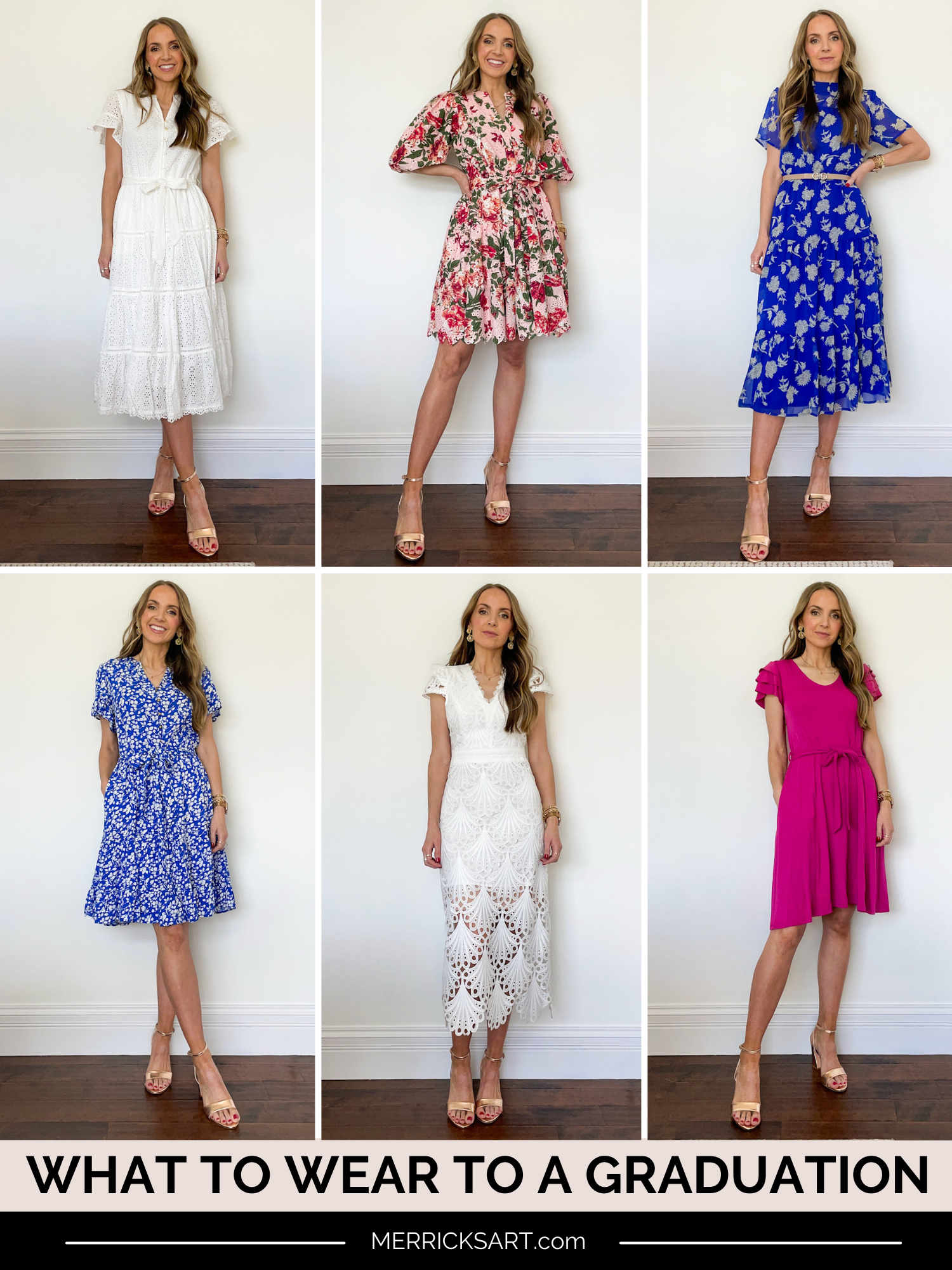
Authenticity and Comfort: Your Brand, Your Style
Ultimately, the most impactful personal brand is one that is authentic. While adherence to dress codes and general etiquette is crucial, your chosen outfit should still feel true to your personal style. Select pieces that make you feel confident and comfortable in your own skin, within the bounds of appropriateness. When you feel good in what you’re wearing, it translates into a more relaxed demeanor, better posture, and more genuine interactions—all positive attributes for your personal brand. The goal is not to wear a costume, but to present the best version of yourself, aligned with the occasion. This authenticity ensures that your personal brand resonates as genuine and trustworthy, making a lasting and positive impression that is uniquely yours.
aViewFromTheCave is a participant in the Amazon Services LLC Associates Program, an affiliate advertising program designed to provide a means for sites to earn advertising fees by advertising and linking to Amazon.com. Amazon, the Amazon logo, AmazonSupply, and the AmazonSupply logo are trademarks of Amazon.com, Inc. or its affiliates. As an Amazon Associate we earn affiliate commissions from qualifying purchases.