
The Unspoken Language of Appearance: Your Personal Brand in Court
In the intricate theater of the courtroom, every detail contributes to the narrative. As a defendant, your appearance is often the first, and sometimes most lasting, impression you make, speaking volumes before you even utter a word. This isn’t merely about fashion; it’s about strategic personal branding, meticulously crafted to influence perception, establish credibility, and communicate respect for the judicial process. Your choice of attire is a non-verbal argument, a critical component of your overall courtroom persona designed to project an image that supports your legal strategy.
First Impressions and Perceptual Bias
Humans are hardwired to make quick judgments based on visual cues. Within milliseconds, individuals form opinions about trustworthiness, competence, and reliability based on how someone presents themselves. In a courtroom, where stakes are exceptionally high, these initial perceptions can significantly sway the opinions of judges, juries, and even opposing counsel. An ill-considered outfit can unwittingly brand you as disrespectful, irresponsible, or untrustworthy, creating an uphill battle for your legal team to overcome. Conversely, an appropriate, thoughtful presentation can subtly enhance your perceived integrity and seriousness, fostering a more receptive environment for your defense. This is the essence of personal branding in a high-pressure environment: managing how you are perceived to align with your desired outcome.
Communicating Respect and Seriousness
Wearing professional attire demonstrates respect for the court, the judge, the jury, and the gravity of the proceedings. This is a fundamental aspect of establishing a positive personal brand within any formal institution. It signals that you take the situation seriously and understand the importance of the legal process. A casual or flamboyant outfit, regardless of its cost or brand, can be interpreted as indifference or a lack of understanding of the solemnity of the occasion. This perception can inadvertently damage your credibility, making it harder for the court to view you as a responsible individual who deserves a fair hearing. Your clothing is an immediate indicator of your attitude towards the institution and the gravity of the charges against you.
Subtlety Over Statement
Effective personal branding in court is about projecting an image of quiet competence and humility, not overt display or distraction. The goal is for your appearance to be neutral, professional, and unassuming, allowing the focus to remain on the facts of your case and your legal team’s arguments. Bold colors, flashy accessories, revealing clothing, or excessive jewelry can serve as unwanted distractions, drawing attention away from the substance of your defense and potentially creating negative associations. The most impactful personal branding in this context is often the least conspicuous – an image that blends seamlessly into the professional decorum of the court, enhancing your overall narrative without drawing undue attention to itself.
Crafting Your Courtroom Persona: Professionalism and Authenticity
Building a compelling personal brand for a courtroom appearance extends beyond simply choosing “nice” clothes; it involves a strategic alignment of attire with the expected decorum and an understanding of the psychological impact of presentation. This is about curating an image that is both professional and authentically represents your commitment to the judicial process.
Understanding the Courtroom Environment
The courtroom is a formal, institutional setting with its own unwritten dress code, deeply rooted in tradition and respect for the law. Unlike a business meeting where a sharp suit might project aggressive confidence, in court, the objective is often to project humility, reliability, and respectability. Your attire should mirror the seriousness of the environment, not challenge it. This means opting for conservative, modest clothing that conveys a sense of decorum and responsibility. Recognizing this unique branding context is paramount to selecting an appropriate wardrobe that supports, rather than detracts from, your case.
The Psychology of Color and Style
Colors evoke specific psychological responses. In a courtroom, neutral and subdued colors are generally preferred because they project calmness, trustworthiness, and seriousness. Darker shades like navy blue, charcoal gray, and black are often excellent choices, as they are universally associated with professionalism and authority without being aggressive. Lighter neutrals like beige or light gray can also convey approachability and sincerity. Avoiding overly bright or attention-grabbing colors ensures that your personal brand remains understated and focused on substance. Similarly, the style should be classic and conservative. Clean lines, tailored fits, and traditional silhouettes reinforce an image of stability and respectability, contributing to a credible and trustworthy brand identity.
Gender-Neutral Professional Attire Guidelines
While specific garments may differ, the underlying principles of professional branding in court apply regardless of gender. The aim is always to project respect, seriousness, and reliability. This translates to:
- Cleanliness and Neatness: All clothing should be clean, pressed, and free of wrinkles or stains. This communicates meticulousness and attention to detail, reinforcing a positive personal brand.
- Modesty: Avoid anything revealing, overtly fashionable, or distracting. Necklines should be modest, skirts and dresses should be knee-length or longer, and shirts should be buttoned appropriately.
- Comfort: While professionalism is key, comfort is also important. You may be sitting for long periods, so choose clothing that allows you to be at ease without fidgeting or adjusting your outfit.
- Fit: Clothes should fit well – not too tight, not too loose. A good fit suggests competence and self-care.
These guidelines form the foundation of a universally acceptable and effective personal brand within the judicial system, signaling a deep understanding of the gravity of the situation.
Strategic Wardrobe Choices: Detailing the Defendant’s Look
Translating these branding principles into concrete wardrobe choices requires careful consideration of specific garments and accessories. The goal is to curate an appearance that subtly but effectively communicates responsibility and trustworthiness.

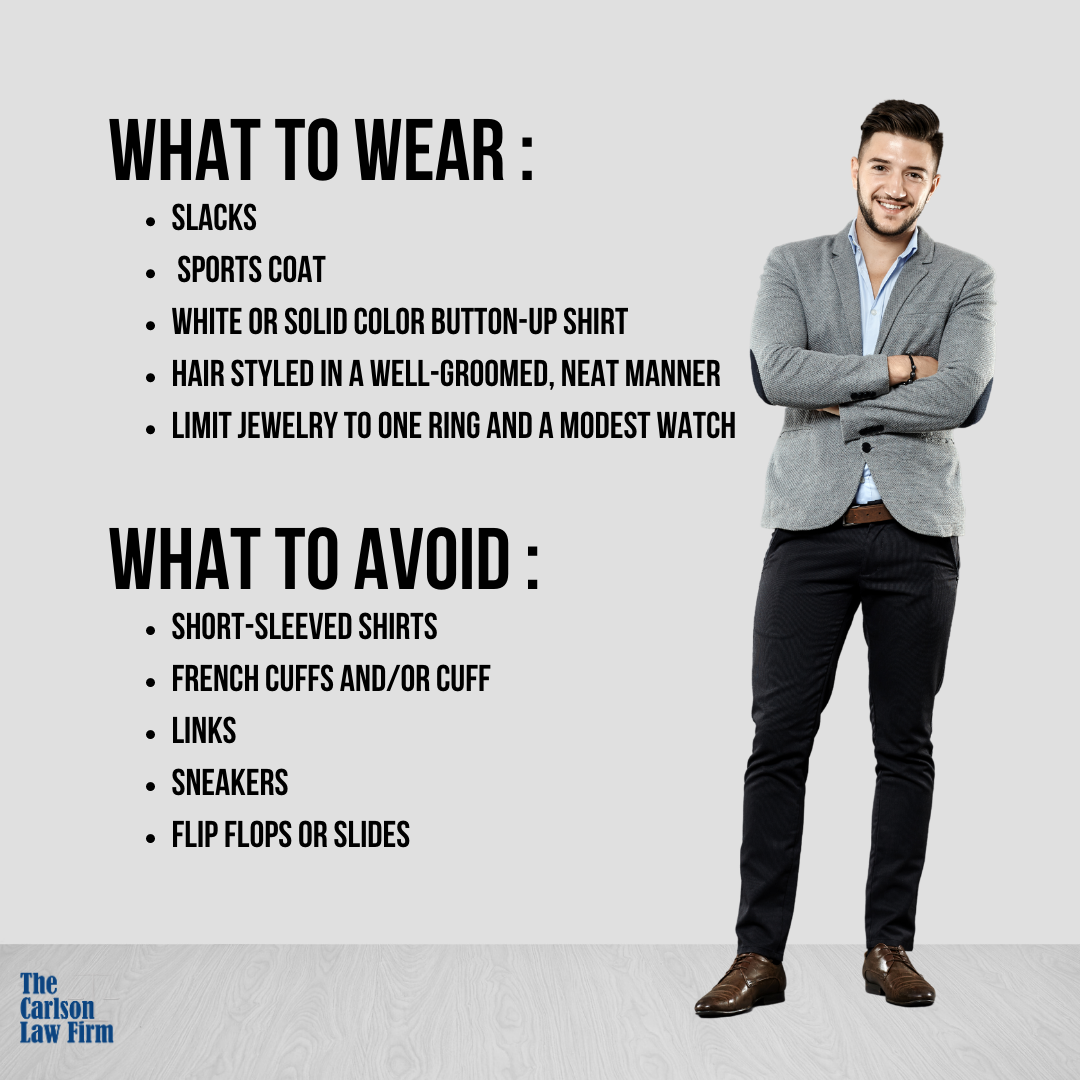
For Men: The Classic Approach
For male defendants, the most universally appropriate and effective personal brand is embodied by classic business attire.
- Suit: A dark, conservative suit (navy blue, charcoal gray, or black) is the gold standard. It conveys professionalism, seriousness, and respect. Ensure the suit is well-fitting and clean.
- Shirt: A long-sleeved, collared dress shirt in a solid, light color (white or light blue) should be worn. It should be clean and pressed.
- Tie: A conservative tie with a simple pattern or solid color (avoiding anything flashy or distracting) completes the professional look.
- Shoes: Polished, dark leather dress shoes (loafers or oxfords) are essential.
- Socks: Dark, conservative socks that match the suit color.
- Grooming: A neat haircut, trimmed facial hair (if applicable), and clean-shaven look (if preferred) contribute significantly to a polished and responsible brand image.
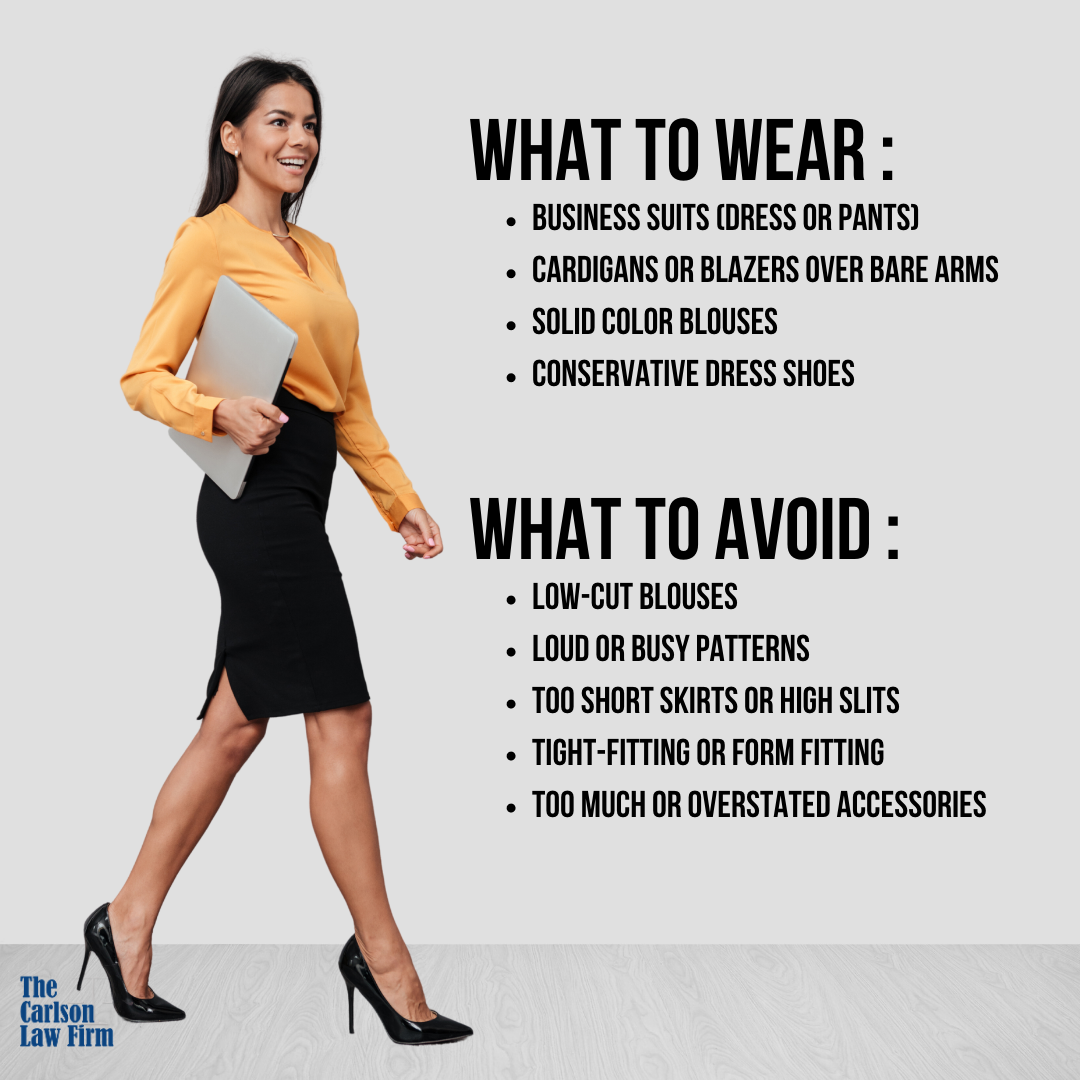
For Women: Balancing Professionalism and Comfort
Female defendants have a broader range of options but must adhere strictly to modesty and professionalism to maintain a strong personal brand.
- Suit/Dress/Skirt & Blouse: A conservative pantsuit or skirt suit in dark, neutral colors is highly recommended. Alternatively, a modest, knee-length or longer dress or a skirt paired with a professional blouse is appropriate.
- Blouse/Top: A conservative blouse or top in a solid, light color that is not sheer or low-cut.
- Shoes: Closed-toe, low-heeled, comfortable dress shoes. Avoid high heels, open-toe shoes, or overly casual footwear.
- Hosiery: If wearing a skirt or dress, neutral-colored hosiery is often preferred.
- Grooming: Neatly styled hair, minimal and natural-looking makeup, and clean, well-maintained nails reinforce an image of composure and self-respect.
Accessories, Grooming, and Hygiene
These often-overlooked details are crucial for a complete and cohesive personal brand.
- Accessories: Keep jewelry minimal and understated. A wedding band, a simple watch, or small earrings are generally acceptable. Avoid large, flashy, or noisy accessories.
- Grooming: Beyond hair and makeup, ensure overall personal hygiene is impeccable. This includes clean hands, fresh breath, and a lack of strong perfumes or colognes. The goal is to be presentable without drawing attention to sensory details.
- Tattoos/Piercings: If visible, tattoos should be covered if possible, and excessive piercings should be removed to maintain a conservative and professional demeanor. This isn’t about judgment, but about minimizing any potential for perceptual bias.
Avoiding Pitfalls: What NOT to Wear and Why
Just as important as knowing what to wear is understanding what to avoid. Certain attire choices can severely undermine your personal brand in court, creating an impression that is difficult to reverse.
Distractions and Inappropriate Attire
Anything that creates a distraction or appears disrespectful should be avoided at all costs. This includes:
- Casual Wear: Jeans, shorts, t-shirts, athletic wear, sweatpants, or overly casual dresses. These communicate a lack of seriousness and disrespect for the court.
- Revealing Clothing: Low-cut tops, mini-skirts, sheer fabrics, or anything that exposes too much skin. Such attire can be seen as provocative or unprofessional, detracting from your credibility.
- Flashy or Loud Clothing: Bright, neon colors, busy patterns, clothing with large logos, graphics, or slogans. These draw unwanted attention and can be perceived as unserious or even defiant.
- Excessive Jewelry or Accessories: Large, dangling earrings; numerous bracelets; flashy necklaces; or distracting belts. These can be noisy, distracting, and detract from a humble, serious presentation.
- Hats/Headwear: Unless worn for religious reasons, hats or other headwear should be removed in the courtroom.
- Strong Scents: Heavy perfumes or colognes can be distracting and off-putting in a confined space.
Over-Dressing vs. Under-Dressing
While under-dressing is a more common pitfall, it is also possible to “over-dress” in a way that is counterproductive. A lavish, designer outfit that screams opulence can, in certain contexts, inadvertently suggest arrogance or a lack of connection to everyday realities, potentially alienating a jury. The goal is not to impress with wealth, but to convey respectability and responsibility. The ideal lies in conservative, understated professionalism that aligns with the solemnity of the court, rather than a display of social status.
The Peril of Casualness
The most significant branding error a defendant can make is appearing overly casual. Casualness implies indifference, a lack of respect for the process, and potentially, a lack of seriousness about the charges. In the eyes of the court, this can translate into a perception of irresponsibility or even guilt. Every element of your personal brand, from your clothing to your demeanor, should reinforce your commitment to engaging with the legal process thoughtfully and respectfully. A relaxed appearance might be suitable for many social contexts, but in court, it’s a critical misstep that can severely damage your standing.
The Long-Term Impact: Reinforcing Your Narrative
Your courtroom appearance is not a one-time event; it’s a strategic component of a broader legal and personal branding effort. The choices you make regarding your attire can have ripple effects, reinforcing or undermining your narrative over the entire course of your legal proceedings and beyond.
Consistency Across Appearances
If your case involves multiple court dates, maintaining a consistent level of professionalism in your attire is crucial. A drastic change in appearance from one hearing to the next can raise questions about your sincerity or present an image of inconsistency. Consistency in your professional branding reinforces the idea that your respectful demeanor is genuine and not merely a facade for a single appearance. This builds a cumulative positive impression, lending weight to your overall credibility.
Aligning Appearance with Legal Strategy
Your legal team works tirelessly to construct a compelling narrative for your defense. Your personal brand, communicated through your appearance, must seamlessly integrate with and support this narrative. If your defense hinges on portraying you as a responsible, law-abiding citizen, your attire should unequivocally reflect this. If the strategy involves demonstrating remorse or seeking leniency, an image of humble respectability will serve that purpose far better than one of defiance or indifference. Your clothes, therefore, become an extension of your legal argument, a visual aid that helps the court contextualize your testimony and your lawyer’s advocacy.
Investing in Your Image Beyond the Courtroom
While the immediate focus is on court appearances, the principles of strategic personal branding have broader applications. The discipline of presenting yourself professionally and respectfully in high-stakes situations extends to how you conduct yourself in legal meetings, interactions with court staff, and even how you carry yourself in public if your case garners media attention. Developing a strong, consistent personal brand that projects responsibility and integrity can have lasting positive effects, both within and outside the legal system, shaping perceptions and opening doors long after your case is resolved. Investing in your image for court is an investment in your future reputation.
aViewFromTheCave is a participant in the Amazon Services LLC Associates Program, an affiliate advertising program designed to provide a means for sites to earn advertising fees by advertising and linking to Amazon.com. Amazon, the Amazon logo, AmazonSupply, and the AmazonSupply logo are trademarks of Amazon.com, Inc. or its affiliates. As an Amazon Associate we earn affiliate commissions from qualifying purchases.