
In the evolving landscape of professional engagement, the online interview has solidified its place as a critical gateway to career opportunities. While the virtual format might seem to alleviate some traditional presentation pressures, it introduces a unique set of considerations for personal branding. Far from being a mere formality, your attire in an online interview is a deliberate statement, a non-verbal narrative that subtly but powerfully conveys your professionalism, attention to detail, and alignment with an organization’s values. It is a cornerstone of your personal brand, a visual marketing tool that can significantly influence how you are perceived by potential employers.

The Strategic Importance of Visual Branding in Virtual Spaces
Your appearance in an online interview is not just about looking “nice”; it’s a calculated component of your personal branding strategy, designed to project a specific image and elicit a desired response. In a world where screens mediate interactions, visual cues become even more pronounced and, arguably, more impactful.
First Impressions: Beyond the Screen
The adage “you never get a second chance to make a first impression” holds even greater weight in the digital realm. Within the first few seconds of an online meeting, an interviewer forms an initial judgment based on your visual presentation. This immediate assessment, often subconscious, frames the entire perception of your candidacy. Your clothing, grooming, and the overall visual environment you present contribute to this critical first impression. Are you perceived as polished and prepared, or unkempt and unconcerned? These initial judgments directly impact how your verbal answers are interpreted, underscoring that your visual brand often speaks before you do. The virtual setting magnifies these visual elements, making every detail, from the crispness of your collar to the subtlety of your accessories, a part of your professional narrative.
Aligning Your Image with Professional Aspirations
Choosing what to wear for an online interview is an exercise in strategic personal branding. It’s about consciously aligning your external presentation with your internal aspirations and professional competence. A well-chosen outfit communicates respect for the opportunity, an understanding of professional decorum, and an implicit belief in your own value. Moreover, it signals your ability to adapt and present effectively within a modern, technologically mediated environment. Your attire should reflect not only the role you are applying for but also the professional identity you wish to cultivate. This means going beyond generic “business casual” and considering the specific corporate identity of the prospective employer, demonstrating that you have done your research and understand their culture.
Non-Verbal Communication: Your Visual Narrative
In any interaction, non-verbal cues carry significant weight, and in an online interview, your visual presentation becomes a potent form of non-verbal communication. Your choice of clothing tells a story: it can convey confidence, trustworthiness, creativity, or meticulousness. A structured jacket might suggest authority and seriousness, while a more relaxed (yet still professional) top could indicate approachability and adaptability, depending on the industry. The goal is to craft a visual narrative that complements your verbal responses, reinforcing your key strengths and professional attributes. This holistic approach to branding ensures that your message is consistent and compelling across all communication channels, both explicit and implicit.
Crafting Your Professional Persona: Apparel as a Brand Statement
Your apparel choices are foundational elements in the construction of your professional persona. They are tangible aspects of your personal brand, allowing you to project specific attributes and market yourself effectively to potential employers.
Understanding Industry & Company Culture: Research as Your Guide
Effective personal branding for an interview starts with thorough research into the company’s culture and the specific industry norms. A tech startup known for its casual, innovative environment might view a full suit as overly formal, potentially signaling a lack of cultural fit. Conversely, a traditional finance firm would expect a highly polished, conservative presentation.
- Industry Standards: Research typical attire for roles within that industry. Is it traditionally formal (finance, law), business casual (marketing, consulting), or more relaxed (creative agencies, some tech firms)?
- Company Specifics: Delve into the company’s website, social media, and employee profiles on platforms like LinkedIn. Look for images of employees, especially in formal settings or team photos. What kind of clothing do they wear? This provides invaluable insight into their corporate identity and allows you to tailor your brand presentation accordingly, showing you are a thoughtful and integrated candidate.
The Power of Color Psychology in Personal Branding
Colors evoke specific psychological responses and can be strategically leveraged to enhance your personal brand.
- Navy Blue: Often associated with trust, stability, and professionalism. It’s a safe and highly respected choice for most professional settings.
- Charcoal Grey: Conveys sophistication, authority, and practicality without the intensity of black. It’s a versatile and widely accepted professional color.
- White/Light Blue (Shirts/Blouses): Projects cleanliness, clarity, and honesty. A crisp white or light blue shirt/blouse under a darker jacket is a classic and effective combination.
- Avoid: Overly bright, distracting colors (e.g., neon), or patterns that might vibrate on camera, as they can detract from your message and brand focus. The aim is to choose colors that support, rather than overshadow, your professional presence.
Fabric Choices and Fit: Projecting Confidence and Polish
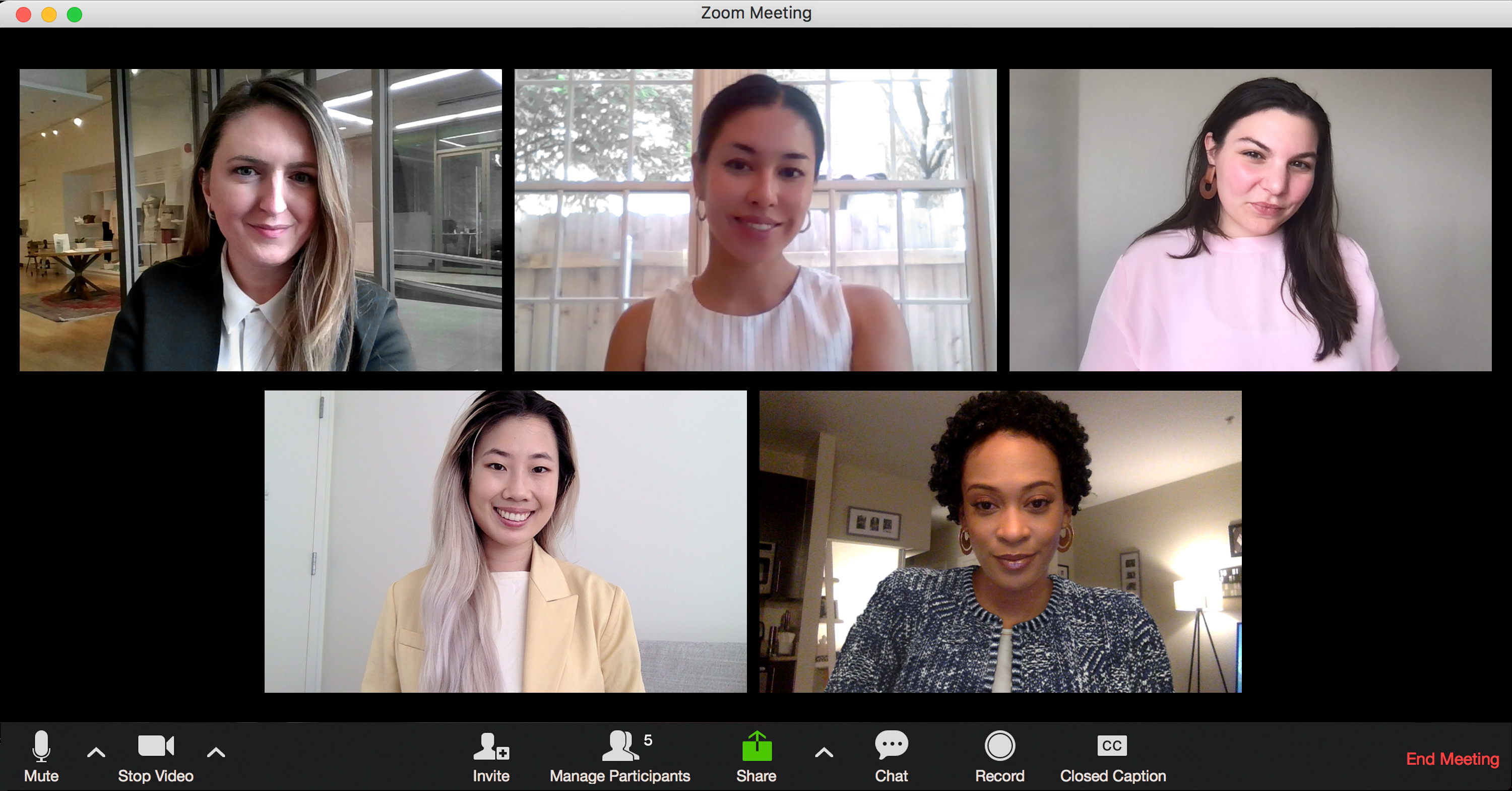
The quality and fit of your clothing speak volumes about your attention to detail and self-respect, both integral components of a strong personal brand.
- Fabric Quality: Choose fabrics that drape well, resist wrinkles, and look professional on camera. Natural fibers like wool blends, cotton, or silk typically present better than overly synthetic materials which can sometimes look shiny or cheap under certain lighting.
- Fit is Paramount: Ill-fitting clothes, whether too tight or too baggy, can undermine your professionalism and distract from your message. Ensure jackets fit well across the shoulders, shirts have appropriate sleeve lengths, and blouses aren’t pulling or gaping. A well-fitted garment conveys confidence, competence, and a polished personal brand. It suggests you take pride in your appearance and, by extension, your work.
Digital Aesthetics: Optimizing Your Look for the Camera
The online environment introduces unique visual dynamics that require specific adjustments to your appearance to ensure your personal brand translates effectively through the lens. It’s about understanding how your visual presentation is interpreted on a screen versus in person.
Lighting and Background: Enhancing Your Visual Presence
Beyond your attire, the overall visual environment you present plays a crucial role in your digital branding.
- Strategic Lighting: Natural light from a window in front of you is ideal, illuminating your face evenly and making you appear vibrant and engaged. Avoid backlighting (light source behind you) which will cast your face into shadow, or harsh overhead lights that can create unflattering shadows. Good lighting enhances your features and ensures your carefully chosen attire is seen clearly, reinforcing your polished brand image.
- Professional Background: A clean, uncluttered, and professional background is essential. A plain wall, a bookshelf (neatly arranged), or a simple office setup communicates professionalism and attention to detail. Avoid distracting elements, personal items, or messy spaces that can detract from your personal brand and draw the interviewer’s focus away from you. If using a virtual background, ensure it is static, professional, and reliably rendered by your software to avoid glitches that could undermine your credibility.
Minimizing Distractions: Patterns, Jewelry, and Hair
In the compressed visual field of a webcam, elements that might be subtle in person can become overwhelming distractions online.
- Subtle Patterns: Busy patterns, intricate stripes, or checks can create a “moire” effect on camera, appearing to shimmer or distort. Opt for solid colors or very subtle, large-scale patterns that don’t compete with your face. The goal is for your attire to support your professional brand, not to become the focal point of distraction.
- Discreet Jewelry: Keep jewelry minimal and understated. Dangling earrings, noisy bracelets, or large necklaces can be distracting both visually and audibly (if they clink or reflect light excessively). Choose simple studs, a classic watch, or a delicate necklace that complements your outfit without drawing undue attention.
- Tidy Hair: Ensure your hair is neatly styled and kept out of your face. Distracting hair (e.g., constantly needing to be pushed back, overly wild) can convey a lack of preparedness or professionalism. The aim is for your grooming to reinforce your meticulous and organized brand identity.
Makeup and Grooming: Subtle Enhancements for Professionalism
For those who choose to wear makeup, the virtual environment demands a specific approach to ensure it enhances, rather than detracts from, your professional brand.
- Camera-Ready Makeup: Makeup should be natural and polished. The camera can wash out features, so a slightly more defined brow, a touch of blush to add warmth, and a neutral lip color can be beneficial. Avoid overly heavy foundation, glitter, or dramatic eye makeup, which can appear harsh or distracting on screen. The goal is to look healthy, awake, and put-together, reinforcing your attention to detail.
- Impeccable Grooming: Regardless of gender, meticulous grooming is non-negotiable. Ensure nails are clean and trimmed, and facial hair (if applicable) is neatly groomed. A fresh haircut or well-maintained style adds to your overall polished presentation. These details, though seemingly minor, contribute significantly to the perception of your overall personal brand – that you are someone who cares about presenting their best self.
Consistency and Authenticity: Reinforcing Your Personal Brand
The ultimate goal of your online interview attire, within the context of branding, is to create a consistent, authentic, and compelling representation of your professional self. It’s about ensuring your external presentation aligns seamlessly with your internal capabilities and values.
Beyond the Interview: Maintaining Brand Cohesion
Your professional brand extends far beyond the online interview itself. The image you present should be consistent with your overall online presence (e.g., LinkedIn profile picture, professional social media). When an interviewer searches for you online, a cohesive visual brand reinforces credibility and professionalism. If your interview attire suggests a highly formal persona, but your LinkedIn profile picture is overly casual, it can create dissonance. Strive for a coherent visual identity across all professional touchpoints, demonstrating a deliberate and thoughtful approach to your personal brand management. This consistency builds trust and strengthens your overall professional narrative.
Comfort and Confidence: The Foundation of Authentic Presentation
While external branding is paramount, genuine confidence is the most powerful accessory. An outfit that is physically uncomfortable or makes you feel self-conscious will inevitably detract from your performance, regardless of how “brand-appropriate” it is. Choose clothing that fits well, allows for ease of movement, and makes you feel good. When you are comfortable, you project natural confidence and authenticity, which are highly attractive qualities in any candidate. Your genuine personality, coupled with a well-curated visual brand, creates an authentic and memorable impression. Confidence is contagious, and when you exude it, you strengthen your personal brand’s impact.
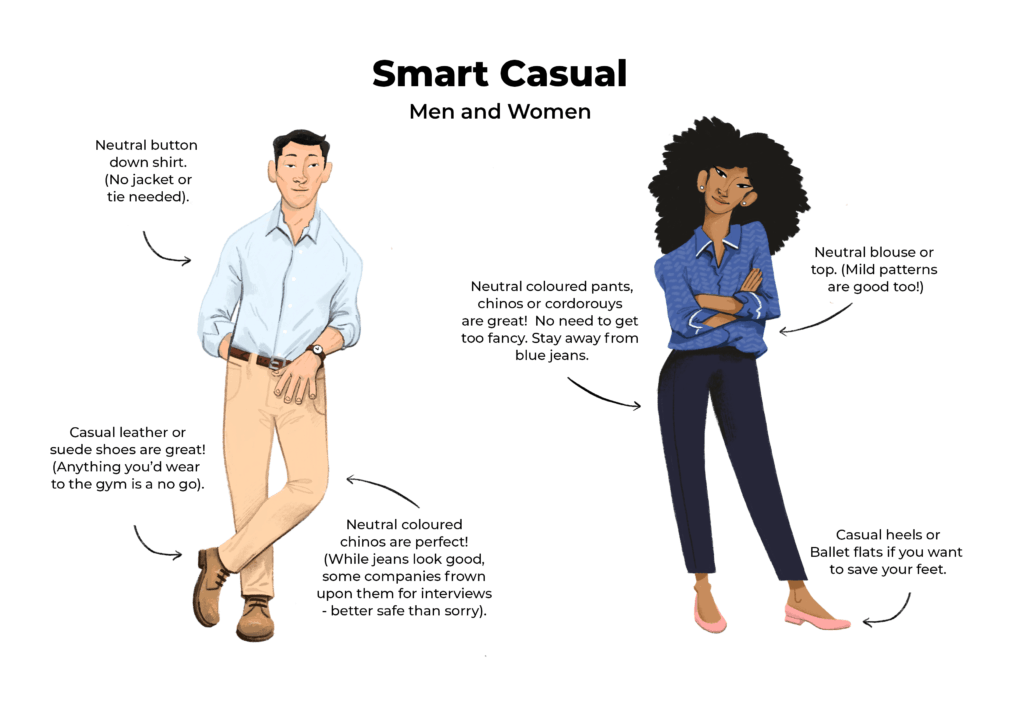
Post-Interview Reflection: Learning from Your Visual Impact
After the interview, take a moment to reflect not just on your answers, but also on your visual presentation.
- Self-Assessment: Did you feel your attire adequately represented your professional brand and the company culture? Did anything feel distracting or uncomfortable?
- Feedback Integration: If you have access to a trusted mentor or peer, discuss your choices and gather feedback. This continuous refinement process is integral to evolving and strengthening your personal brand. Each interview is a learning opportunity, allowing you to fine-tune your visual branding strategies for future engagements. Understanding how your presentation impacts perception is a continuous journey in personal brand management.
Ultimately, your online interview attire is a powerful tool in your personal branding arsenal. By thoughtfully considering industry norms, company culture, digital aesthetics, and the psychological impact of your choices, you can craft a visual narrative that reinforces your competence, professionalism, and genuine fit for the role. It’s about leveraging every available channel, including your appearance, to market your unique value proposition to potential employers.
aViewFromTheCave is a participant in the Amazon Services LLC Associates Program, an affiliate advertising program designed to provide a means for sites to earn advertising fees by advertising and linking to Amazon.com. Amazon, the Amazon logo, AmazonSupply, and the AmazonSupply logo are trademarks of Amazon.com, Inc. or its affiliates. As an Amazon Associate we earn affiliate commissions from qualifying purchases.