
Preparing for an excursion to Phantom Ranch, nestled at the bottom of the Grand Canyon, is an endeavor that extends far beyond merely selecting items from a checklist. It represents a significant financial commitment, from the initial investment in gear to unforeseen expenses on the trail. Approaching your packing strategy through a financial lens can optimize your budget, enhance safety, and ultimately improve the overall value of your experience. This isn’t just about what fits in your pack, but what financial wisdom backs each decision.
The True Cost of Preparedness: Investing in Essential Gear
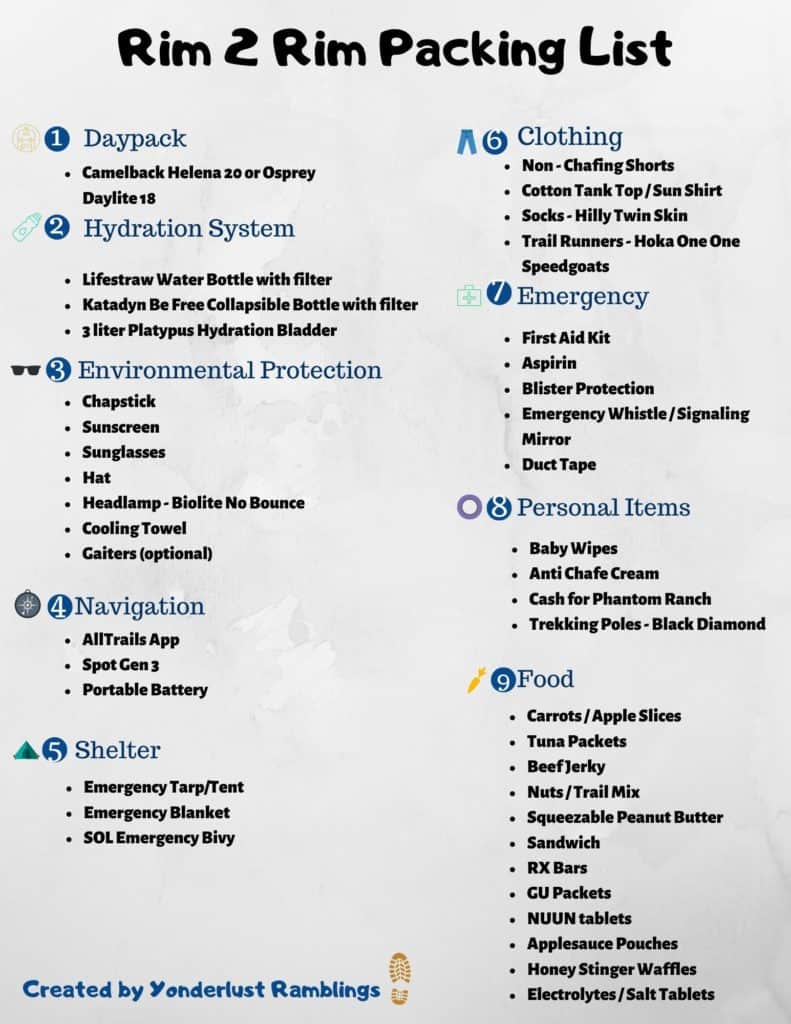
Every item packed for Phantom Ranch carries an implicit cost, not just in its purchase price but in its potential to prevent or mitigate larger expenses down the line. Strategic financial planning here means understanding the long-term value of your gear choices.
Durability vs. Immediate Savings: The ROI of Quality Gear
When faced with a choice between a budget-friendly option and a more expensive, higher-quality piece of gear, the immediate temptation is often to save money upfront. However, for an challenging environment like the Grand Canyon, this can be a false economy. Investing in durable, reliable hiking boots, a sturdy backpack, and weather-appropriate layers from reputable brands often yields a superior return on investment (ROI). Cheaper alternatives may fail prematurely, necessitating costly replacements mid-trip or, worse, compromising safety. Imagine a boot failure halfway down the Bright Angel Trail; the financial implications of injury, evacuation, or replacement gear in a remote location far outweigh the initial savings on a lesser pair. Calculate the cost per wear or per trip: a $200 pair of boots that lasts five trips is cheaper than two $100 pairs that each last only two trips, not to mention the comfort and reliability gained. Prioritize critical items like footwear, hydration systems, and a well-fitting pack for their long-term value and safety assurances.
Rental vs. Purchase: A Cost-Benefit Analysis for Specialized Items
Not every piece of gear warrants a full purchase, especially for items with infrequent use. Specialized equipment, such as trekking poles, a specific type of water filter, or certain cold-weather layers, might be more financially sensible to rent. Before committing to a purchase, evaluate the frequency of anticipated use and the depreciation rate of the item. If you hike infrequently or this Phantom Ranch trip is a unique adventure, renting can significantly reduce your upfront expenditure. Analyze local outdoor gear shops or even online rental services for their pricing structure. Factor in convenience and cleanliness; ensure rented items are well-maintained. For example, a high-quality water filter might cost upwards of $100, but a rental for a week might be $20-$30. If you only plan one or two trips a year, renting is clearly the more astute financial choice, freeing up capital for other essential expenditures.
DIY and Repurposing: Maximizing Value from Existing Resources
Before rushing to purchase new items, conduct a thorough inventory of your existing possessions. Many household items can be repurposed for outdoor use, saving considerable expense. Small, empty plastic bottles can carry condiments or sunblock; old, clean t-shirts can serve as emergency rags or extra insulation. A simple first-aid kit can be assembled from home supplies rather than buying a pre-packaged, often overpriced, kit. Furthermore, basic sewing skills can repair damaged gear, extending its lifespan and delaying the need for costly replacements. Learning to mend a tear in a backpack or waterproof a worn jacket can be a valuable financial skill, minimizing waste and maximizing the utility of your current investments. This approach aligns with a frugal financial mindset, emphasizing resourcefulness over retail therapy.
Budgeting Beyond the Backpack: Hidden Financial Considerations
The financial planning for a Phantom Ranch trip extends beyond the gear itself. Overlooking the broader financial landscape can lead to unexpected out-of-pocket expenses that quickly erode your budget.
Emergency Funds: Preparing for the Unexpected on the Trail
The remote nature of Phantom Ranch means that emergencies, whether medical or logistical, can carry significant financial weight. A twisted ankle, severe dehydration, or even just misplacing essential gear can trigger a chain of expensive events. An adequate emergency fund specifically allocated for travel contingencies is paramount. This fund should cover potential medical co-pays, emergency transportation (which can be exorbitant in a remote setting like the Grand Canyon), replacement of lost or damaged gear, or even an unplanned overnight stay. While you pack for physical preparedness, do not neglect financial preparedness. Consider a buffer of at least 10-20% of your total trip budget to be held aside for such exigencies. This is not spending money; it’s insurance against financial distress, allowing you to focus on recovery rather than monetary worries.
Insurance Essentials: Protecting Your Investment and Health
Travel insurance, often viewed as an optional extra, becomes a critical financial safeguard for a trip to Phantom Ranch. Evaluate policies that offer coverage for medical emergencies, trip interruption or cancellation, and gear loss or damage. A comprehensive policy can mitigate the financial impact of unforeseen events, such as a last-minute flight cancellation that forces you to rebook at a higher price, or a medical evacuation from the bottom of the Canyon. For example, a broken leg could lead to tens of thousands of dollars in medical and evacuation costs, which standard health insurance may not fully cover in a wilderness context. Similarly, if your high-value camera or GPS unit is lost or damaged, a good policy can provide reimbursement. Compare different providers and understand the deductibles and coverage limits to select a policy that offers robust protection without excessive premiums. This small upfront cost can prevent catastrophic financial losses.
Connectivity Costs: Digital Preparedness in Remote Locations
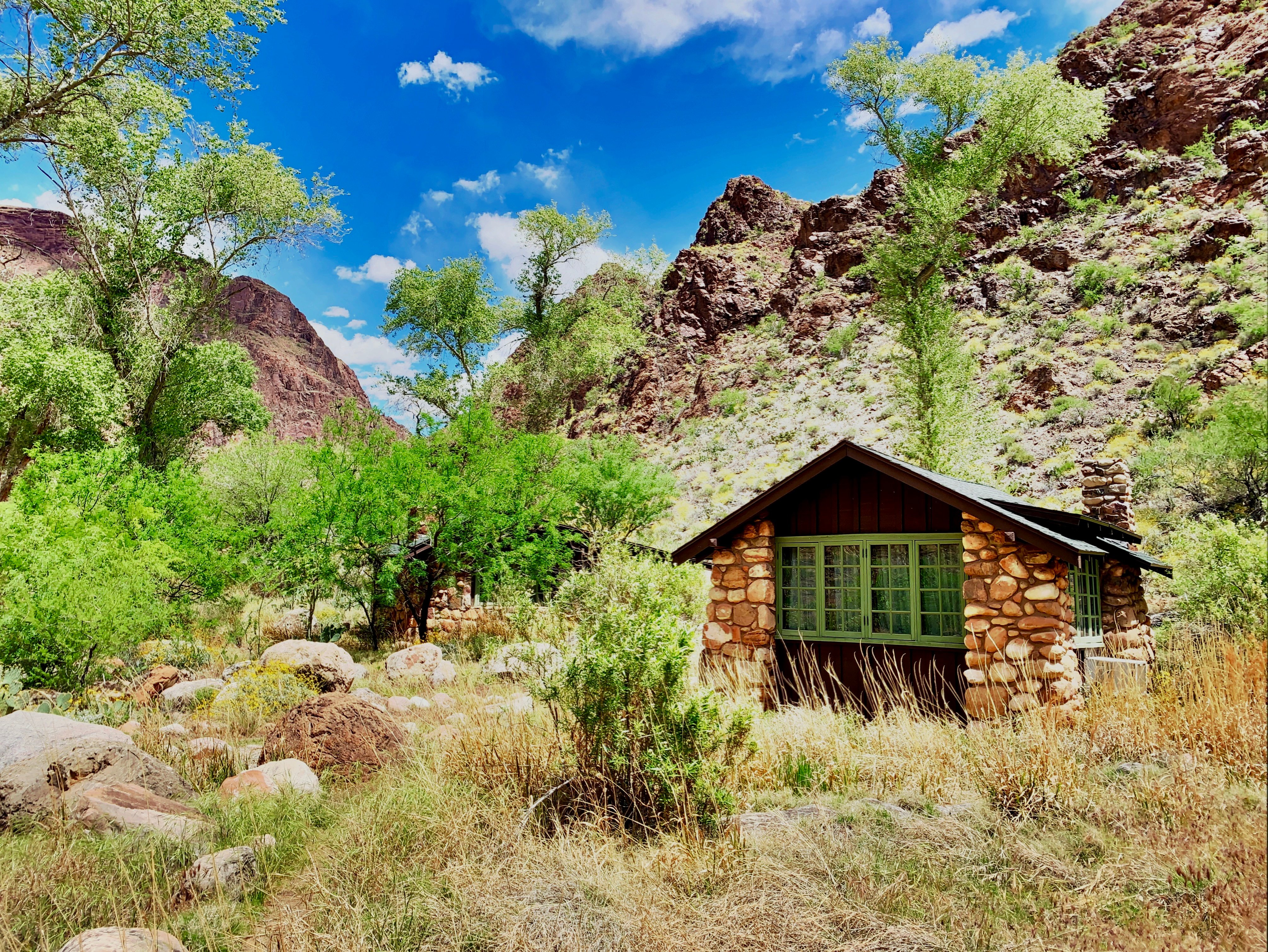
While Phantom Ranch is renowned for its disconnect from the digital world, some level of connectivity planning might still be a financial consideration. If you rely on digital maps or communication devices, consider the cost of satellite communicators (rental or purchase) or portable power banks. Standard cell service is non-existent at the bottom of the Grand Canyon. Charging fees at various points along the trail (if available at all) or the cost of replacing dead batteries can add up. Ensure your devices are fully charged before descent, and carry sufficient power banks for the duration of your trip. Pre-download maps and information to avoid data charges if you briefly catch a signal elsewhere. Investing in a robust, high-capacity power bank is a more financially sound decision than relying on unpredictable charging opportunities or having essential devices run out of power.
Smart Packing for Financial Efficiency: Avoiding Unnecessary Expenses
Every item in your pack has a weight and a cost. Understanding this relationship can lead to significant financial efficiencies and a more enjoyable, less burdened trek.
Weight vs. Cost: The Economic Impact of Overpacking (or Underpacking)
Overpacking can lead to immediate and long-term financial consequences. Excess weight means more strain, potentially leading to injuries that incur medical costs. It also means slower progress, possibly impacting transportation schedules or requiring extra rest days, which have their own financial implications. Furthermore, if you are flying, overweight luggage fees can quickly accumulate, negating any perceived savings on cheaper, heavier items. Conversely, underpacking—leaving essential items behind to save weight or money—can be equally detrimental. Forgetting critical items like adequate water purification or proper sun protection can lead to health crises requiring expensive interventions. The financial sweet spot lies in meticulous planning: bringing only what is essential, choosing lightweight options where financially feasible, and ensuring redundancy for critical items (e.g., two ways to purify water, not just one). This balance reduces both direct costs and the risk of costly complications.
Food and Water: Strategic Procurement for Savings
Food and water are basic necessities, but their cost can fluctuate wildly depending on procurement strategy. Buying dehydrated meals and snacks in bulk before your trip is almost invariably cheaper than purchasing them individually at park stores or, more exorbitantly, at Phantom Ranch itself. Research and compare prices online and at various retailers. Consider making your own trail mix or dehydrated meals to save even more. For water, the cost isn’t in the water itself (which is generally available and potable at Phantom Ranch), but in the purification methods and carrying capacity. Investing in a good water filter or purification tablets eliminates the need to buy bottled water, a practice that is both environmentally unsound and financially wasteful in the long run. Calculate your caloric needs and hydration requirements for the duration of your trip and plan accordingly, minimizing waste and maximizing nutrient density for your dollar.
Post-Trip Financial Recovery: Gear Maintenance and Storage
The financial journey of your gear doesn’t end when you unpack. Proper post-trip maintenance and storage are crucial for extending the lifespan of your investments, thereby delaying the need for replacements. Thoroughly clean hiking boots, backpacks, and clothing to prevent degradation from dirt, sweat, and oils. Store items in a cool, dry place, away from direct sunlight, to prevent material breakdown. Learn basic repair skills for minor wear and tear, such as re-waterproofing jackets or patching small holes. Neglecting these steps means your expensive gear will wear out faster, forcing you to reinvest sooner. Treating your gear as valuable assets that require care protects your initial financial outlay and ensures readiness for future adventures without additional costs.
Maximizing Value: The Long-Term Financial Benefits of Strategic Packing
Beyond immediate savings, a financially astute packing strategy for Phantom Ranch can yield enduring benefits, aligning personal values with economic prudence.
Versatility and Multi-Use Items: Reducing Redundancy and Cost
Every item in your pack should ideally serve multiple purposes, reducing the overall number of items and their collective weight and cost. For example, a bandana can be a head covering, a sweatband, a pre-filter for water, a pot holder, or an emergency bandage. Multi-tool knives replace several individual tools. Clothing layers that can be combined or worn individually adapt to various temperatures, reducing the need for specialized garments. This approach not only lightens your load but also makes your initial investment in each item go further. Instead of buying distinct items for every conceivable need, seek out gear designed for versatility, effectively multiplying the utility and financial value of each purchase.
Sustainable Choices: Environmental and Economic Benefits
Opting for sustainably produced gear or second-hand items often comes with both environmental and economic advantages. Durable, ethically made products tend to last longer, reducing the frequency of replacement and thus long-term spending. Purchasing quality used gear from consignment shops or online marketplaces can significantly cut costs on high-end items that still have plenty of life left. This approach promotes a circular economy, reducing waste and supporting responsible consumption. While the initial hunt for sustainable or used items might take more time, the financial and ecological rewards are substantial. This aligns with a broader philosophy of mindful spending that considers the full lifecycle cost and impact of your purchases.
Resale Value: Treating Gear as an Asset
Consider your higher-value gear not just as an expense, but as an asset with potential resale value. Well-maintained, quality gear from reputable brands holds its value better. If you upgrade or decide certain items are no longer needed, you can recoup a portion of your initial investment by selling them on online platforms or through specialized gear exchanges. This financial foresight can effectively reduce the net cost of ownership for your gear over time. By selecting items with good market demand and meticulously caring for them, you build an inventory of assets rather than merely accumulating depreciating goods, reinforcing a responsible and financially savvy approach to equipping yourself for adventures like Phantom Ranch.
aViewFromTheCave is a participant in the Amazon Services LLC Associates Program, an affiliate advertising program designed to provide a means for sites to earn advertising fees by advertising and linking to Amazon.com. Amazon, the Amazon logo, AmazonSupply, and the AmazonSupply logo are trademarks of Amazon.com, Inc. or its affiliates. As an Amazon Associate we earn affiliate commissions from qualifying purchases.