
The impending arrival of a new baby, particularly via C-section, is a momentous occasion filled with anticipation and joy. While the physical act of packing a hospital bag might seem like a simple checklist, it offers a crucial opportunity to engage in strategic financial planning. Beyond the comfort items and baby essentials, understanding the monetary implications of a C-section, both immediate and long-term, allows for proactive management of resources, mitigation of unforeseen costs, and establishment of a solid financial foundation for your growing family. This article transcends the typical packing list, reframing it as a lens through which to view essential financial preparedness for this significant life event.
Decoding the Financial Landscape of a C-Section
A C-section, by its nature, often involves a longer hospital stay and more complex medical procedures than a vaginal birth, translating into potentially higher costs. Comprehensive financial preparedness begins with a clear understanding of these potential expenditures.
Anticipating Hospital Bills and Insurance Navigation
Hospital bills for a C-section can vary dramatically based on location, facility, and the specifics of the medical care received. The base cost typically includes operating room fees, anesthesia, surgical team fees, recovery room charges, and a longer inpatient stay. It is imperative to engage with your health insurance provider well in advance. Key questions to ask include:
- What is my deductible, and how much of it have I met?
- What is my out-of-pocket maximum for the policy year?
- What percentage of C-section related costs does my plan cover (e.g., facility fees, surgeon’s fees, anesthesiologist’s fees)?
- Are there specific hospitals or providers within my network that offer more favorable rates or better coverage for maternity care?
- What documentation is required for pre-authorization, and by what deadline?
- Does my plan cover any specific items I might “pack,” such as a breast pump (often covered under the Affordable Care Act)?
- How will out-of-network costs be handled if an unforeseen circumstance requires care from a non-participating provider (e.g., an on-call anesthesiologist)?
Requesting an itemized estimate of costs from the hospital and your OB/GYN can provide a baseline for budgeting. This proactive communication can help you avoid sticker shock and prepare for co-pays, co-insurance, and any remaining deductible amounts. Consider setting aside funds specifically for these known expenses, perhaps in a Health Savings Account (HSA) or Flexible Spending Account (FSA) if available, leveraging their tax advantages.
Hidden Costs: Recovery, Medications, and Support
Beyond the immediate hospital bill, a C-section often entails a more extended and involved recovery period, which can introduce additional, often overlooked, financial considerations.
- Medications: Post-operative pain management, stool softeners, and other prescribed medications can add up. Research generic alternatives where appropriate and check if these are covered by your prescription drug plan.
- Medical Supplies for Home: Items like incision care supplies, belly binders, and specialized pillows might be recommended or necessary for comfort and healing. While some might be provided by the hospital, understanding what your insurance covers for home use versus what you’ll need to purchase out-of-pocket is crucial.
- Physical Therapy or Follow-up Care: Some individuals may require physical therapy to aid in recovery or manage pain. Verify coverage for these services.
- Household Help and Childcare: The recovery period (typically 6-8 weeks) often restricts lifting, driving, and strenuous activity. If you have other children or anticipate needing assistance with household chores, budgeting for temporary help (e.g., a postpartum doula, cleaning service, or babysitter) becomes a vital financial consideration. This can significantly impact your family’s budget and should be factored into your financial plan.
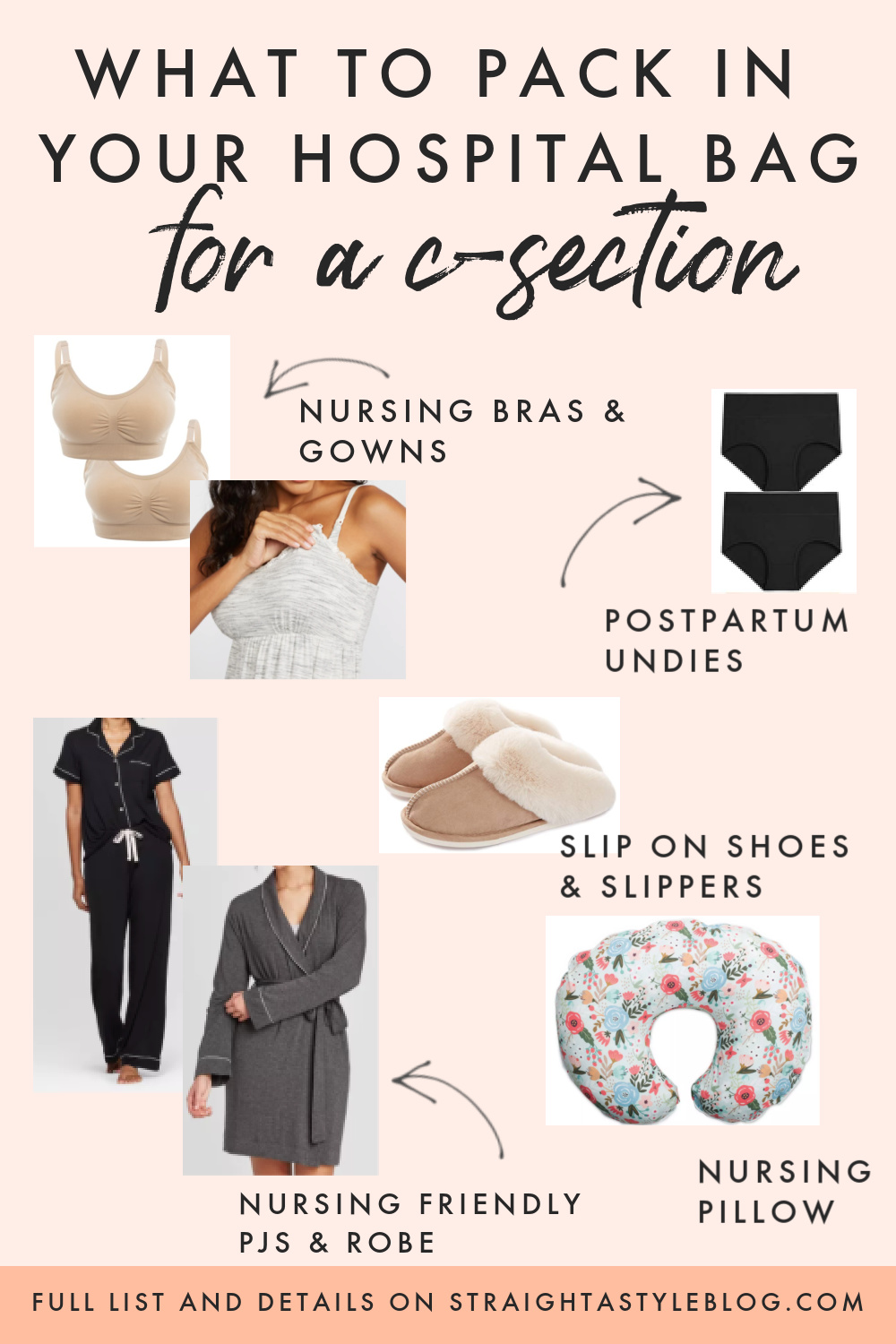
- Specialized Clothing/Gear: Comfortable, loose-fitting clothing, high-waisted underwear that doesn’t irritate the incision, and supportive footwear become necessities. While seemingly minor, these purchases contribute to the overall recovery expenditure.
Estimating Income Impact and Parental Leave
A C-section’s recovery period can directly affect your earning capacity. Understanding your employer’s parental leave policy, including short-term disability benefits, FMLA eligibility, and any paid leave provisions, is critical.
- Short-Term Disability (STD): Many C-sections qualify for short-term disability benefits, which typically cover a percentage of your income for a specified period. Understand the waiting period, benefit duration, and payment structure.
- Paid vs. Unpaid Leave: Differentiate between paid leave (maternity leave, accrued sick/vacation time) and unpaid leave (FMLA). Budget for potential periods of reduced or no income.
- Partner’s Leave: If your partner plans to take leave to support you and the newborn, assess the financial implications of their time off as well.
- Freelancers/Self-Employed: If you are self-employed, planning for a temporary halt or reduction in work necessitates significant savings to bridge the income gap. This might involve setting up a dedicated “maternity leave fund” long before the baby arrives.
Forecasting these income fluctuations and having a robust emergency fund to cover essential expenses during this period is a cornerstone of financial resilience for new parents.
Smart Packing as a Cost-Saving Strategy
The traditional act of packing a hospital bag can be re-imagined as an exercise in frugal efficiency, where thoughtful choices can lead to tangible savings.
Prioritizing Essentials: Needs vs. Wants
When considering what to bring, differentiate between items that are medically necessary or significantly enhance comfort and recovery, and those that are merely “nice-to-haves.”
- Hospital-Provided vs. Personal Items: Hospitals often provide basic toiletries, gowns, and post-delivery care items. Inquire specifically what is included. For instance, while a hospital gown is functional, bringing your own comfortable, loose-fitting pajamas can improve morale and hygiene without incurring extra cost if you already own them. However, purchasing specific C-section recovery garments beforehand can be a wise investment if they reduce discomfort and aid healing, potentially speeding up recovery and reducing reliance on additional medical consultations.
- Medications: While the hospital will provide immediate pain relief, packing any routine medications you take, along with a list of dosages and frequencies, avoids potential pharmacy runs and ensures continuity of care.
- Baby’s First Outfit and Essentials: While it’s tempting to pack many adorable outfits, the hospital will likely provide basic onesies and swaddles. Focus on bringing one special outfit for photos and the ride home, saving your budget for baby items needed after discharge.
Every item in your bag represents a decision point: Does this item offer significant value, comfort, or cost-saving potential, or is it an unnecessary expenditure for a short hospital stay?
Leveraging Insurance-Covered Items and Discounts
Many insurance plans, particularly under the Affordable Care Act, cover certain postpartum necessities.
- Breast Pumps: Most plans cover a breast pump, often requiring a prescription from your doctor. Initiate this process early to ensure the pump arrives before or shortly after discharge, avoiding an urgent, out-of-pocket purchase.
- Lactation Consultant Services: If you plan to breastfeed, check if lactation consultant visits are covered, either in-hospital or post-discharge. Early support can prevent issues that might lead to costly supplements or formula later.
- Medical Devices: Inquire if items like a post-surgical binder or specific pain relief devices are covered by your insurance with a doctor’s prescription.
Actively researching and utilizing these benefits can translate into substantial savings on items you would otherwise have to purchase.
Post-Discharge Preparations and Budgeting for Home Recovery
The hospital stay is just the beginning. Strategic packing extends to preparing your home financially for your return.
- Stocking the Pantry: Before heading to the hospital, stock your pantry and freezer with easy-to-prepare meals. This prevents reliance on expensive takeout during the initial weeks of recovery. Meal prepping also frees up time and mental energy that would otherwise be spent planning and cooking.
- Diaper and Formula Stockpile (If Applicable): While not in your hospital bag, having a small supply of diapers and wipes at home, potentially purchased during sales, can save money and stress. If you plan to formula-feed, having a starter supply also prevents urgent, potentially premium-priced purchases.
- Comfort and Recovery Zone: Set up a comfortable recovery zone at home with everything you might need within arm’s reach (water, snacks, remote, phone charger, medications). This minimizes movement and reliance on others, which can have indirect financial benefits by speeding up recovery and reducing the need for prolonged external help.
Crafting a Sustainable Budget for Newborn Arrival

The arrival of a baby signifies a permanent shift in financial priorities and necessitates a robust, adaptable budget.
Immediate Newborn Expenses: Beyond the Hospital Stay
Once home, a cascade of new expenses begins.
- Diapers and Wipes: A significant ongoing cost. Consider bulk buying, store brand comparisons, and loyalty programs.
- Feeding Supplies: Whether breastfeeding or formula-feeding, there are costs associated. For breastfeeding, nursing bras, pads, and potentially lactation supplements. For formula, the cost of formula itself can be substantial.
- Clothing: Babies grow quickly. Focus on buying versatile, multi-size outfits and accepting hand-me-downs.
- Gear: Crib, stroller, car seat (often the most critical pre-birth purchase), baby carrier, swing, etc. Research safety ratings and consider purchasing gently used items where appropriate and safe (e.g., not car seats).
- Doctor Visits: Regular well-baby check-ups are essential. Understand your insurance coverage for these and any potential co-pays.
Tracking these initial expenses meticulously in a spreadsheet or budgeting app helps in understanding your new spending patterns.
Long-Term Financial Adjustments for a Growing Family
A child’s financial impact extends far beyond infancy.
- Increased Utilities: More laundry, heating/cooling for baby’s comfort.
- Food Costs: As they grow, so does their appetite and the food budget.
- Childcare: A major expense for many families if both parents work. Research daycare costs, nannies, or family care options well in advance.
- Education Savings: Starting a 529 plan or other education savings vehicle early can leverage compound interest over decades.
- Life Insurance: Review and potentially increase life insurance policies to ensure your family is protected financially if something unforeseen happens.
- Estate Planning: Update wills, trusts, and guardianship designations to reflect your new family structure.
These long-term considerations require continuous financial planning and periodic budget reviews.
Building an Emergency Fund for Parenthood’s Unpredictability
Parenthood introduces new levels of unpredictability. A robust emergency fund is not just advisable; it’s essential. This fund should ideally cover 6-12 months of living expenses, especially with the added costs of a baby and potential income fluctuations. A C-section, with its extended recovery, underscores the immediate need for such a fund, providing a buffer against unexpected medical bills, prolonged time off work, or unforeseen baby-related expenses.
Financial Tools and Resources for New Parents
Navigating the financial complexities of parenthood is made easier with the right tools and knowledge.
Utilizing Budgeting Apps and Expense Trackers
Digital tools can revolutionize how new parents manage their finances. Apps like YNAB (You Need A Budget), Mint, or Personal Capital offer features to track spending, categorize expenses, set budgets, and monitor savings goals. Dedicate specific budget categories for baby-related expenses, hospital bills, and recovery costs to maintain clarity and control. Regular review of these trackers helps in identifying areas for savings and adjusting spending as needed.
Maximizing Employer Benefits and Government Programs
Beyond parental leave, employers often offer other valuable financial benefits.
- Dependent Care FSAs: If offered, these allow you to set aside pre-tax money for childcare expenses, saving on taxes.
- Employee Assistance Programs (EAPs): Many EAPs offer financial counseling services that can be invaluable for new parents navigating budget changes.
- Health Insurance: Understand all aspects of your employer-provided health insurance, including adding your baby to the plan within the required timeframe (usually 30 days post-birth).
- Government Programs: Research state and federal programs that support new families, such as WIC, child tax credits, or childcare subsidies, for which you might be eligible.
Planning for Future Financial Milestones: Education and Healthcare
The financial journey with your child extends decades into the future.
- College Savings: Start a 529 college savings plan early. Even small, consistent contributions can grow significantly over 18 years.
- Future Healthcare Costs: Understand how your health insurance will adapt as your child grows, covering routine check-ups, specialist visits, and potential emergency care.
- Long-Term Investments: Re-evaluate your overall investment portfolio to ensure it aligns with your updated financial goals and risk tolerance as a parent.
The Value of Financial Preparedness in Parenthood
While the practical items in your hospital bag contribute to physical comfort, the financial strategies you pack mentally and practically contribute to profound peace of mind.
Reducing Stress Through Proactive Planning
The transition to parenthood, especially after a C-section, is physically and emotionally demanding. Financial stress can exacerbate these challenges. By proactively addressing potential costs, understanding insurance, and setting a realistic budget, you significantly reduce financial anxiety, allowing you to focus on healing and bonding with your new baby. This mental preparedness is perhaps the most valuable “item” you can pack.

Empowering Financial Decisions for Your Family’s Future
Strategic financial planning for a C-section and beyond empowers you to make informed decisions that benefit your entire family’s well-being. It transforms the daunting prospect of new expenses into a manageable pathway, laying a strong financial groundwork for your child’s future, from their first days in the hospital to their educational aspirations and beyond. The hospital bag, viewed through this financial lens, becomes a symbol not just of physical readiness, but of comprehensive, thoughtful financial stewardship.
aViewFromTheCave is a participant in the Amazon Services LLC Associates Program, an affiliate advertising program designed to provide a means for sites to earn advertising fees by advertising and linking to Amazon.com. Amazon, the Amazon logo, AmazonSupply, and the AmazonSupply logo are trademarks of Amazon.com, Inc. or its affiliates. As an Amazon Associate we earn affiliate commissions from qualifying purchases.