
Embarking on a Yosemite adventure promises breathtaking vistas and unforgettable experiences. However, the path to a seamless journey often begins long before you set foot on a trail—it starts with meticulous financial planning for your gear. Approaching “what to pack” from a financial lens transforms a simple checklist into a strategic investment, ensuring both safety and optimal value for your expenditure. This guide delves into the fiscal intelligence behind preparing for Yosemite, emphasizing budgeting, smart investments in gear, and leveraging financial tools to optimize your outdoor spending.
Strategizing Your Yosemite Gear Budget
The allure of top-tier outdoor equipment can quickly inflate your pre-trip expenses. A financially savvy approach to packing for Yosemite begins with a clear budget and a keen understanding of needs versus wants.
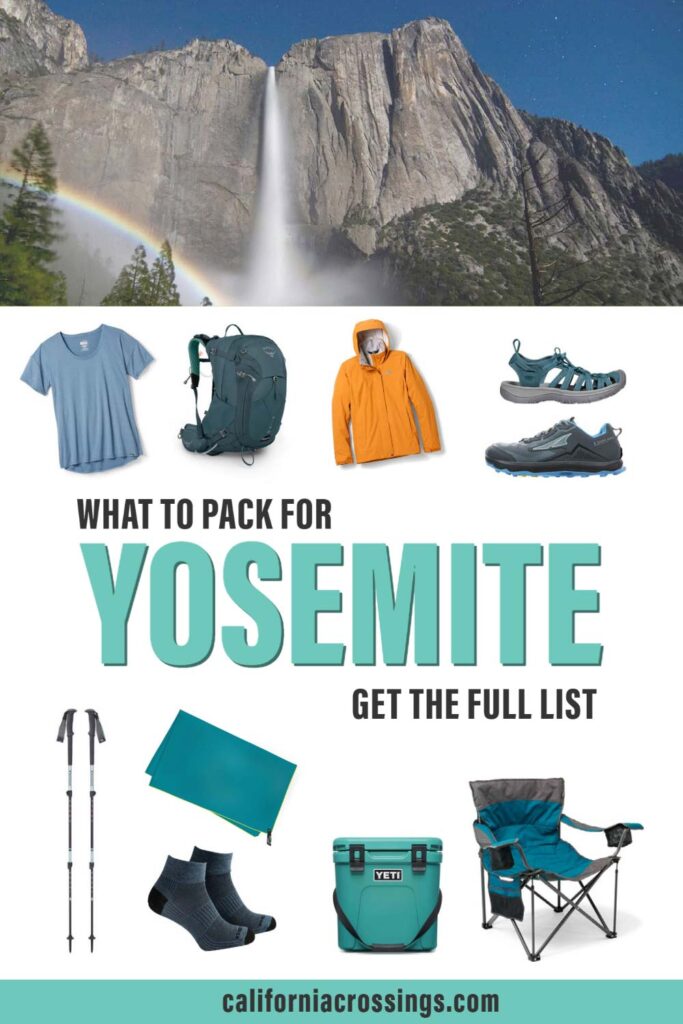
Setting Realistic Financial Expectations
Before eyeing that high-performance, ultra-light backpack, take stock of your financial capacity and the actual requirements of your trip. Yosemite offers diverse experiences, from day hikes to multi-day backcountry treks, each with varying gear demands and corresponding costs. Researching average prices for essential categories—such as shelter, sleep systems, navigation, apparel layers, and cooking equipment—provides a baseline. Websites specializing in outdoor gear often feature comparison tools, and review sites can offer insights into durability and value for money across different price points. Understand that while some items warrant a premium for safety and longevity, others can be sourced more economically without compromising your experience.
Prioritizing Purchases: Need vs. Want
Distinguishing between absolute necessities and desirable luxuries is paramount for budget adherence. For instance, waterproof outer layers and sturdy hiking boots are non-negotiable investments for protection against Yosemite’s unpredictable weather and varied terrain. Conversely, specialized gadgets like a high-end GPS watch might be a “want” if your smartphone with downloaded maps suffices. Allocate the largest portions of your budget to items directly impacting safety, comfort, and the core functionality of your trip. Think of a tiered spending strategy: Tier 1 for essential safety gear, Tier 2 for comfort and efficiency, and Tier 3 for convenience or specialized items.
The Cost-Benefit of DIY vs. Guided Tours (Gear Inclusion)
While primarily a packing guide, understanding the broader financial context of your trip can impact gear acquisition. Some visitors opt for guided tours or package deals that may include specific gear like tents, sleeping bags, or climbing equipment. Financially, this can be an astute move for first-time visitors or those planning a singular, specialized activity, as it mitigates the upfront cost of purchasing gear you might use infrequently. Always compare the cost of renting or including gear in a package against the long-term investment of buying your own, especially if you foresee multiple future outdoor excursions.
Investing Wisely in Essential Outdoor Gear
Not all spending is created equal; some purchases are investments that pay dividends in durability, performance, and long-term savings. When packing for Yosemite, consider your gear not just as an expense, but as a portfolio of assets designed to enhance your outdoor life.
Durability as an Investment
The mantra “buy cheap, buy twice” often rings true in the realm of outdoor gear. A high-quality, durable item, though pricier upfront, can significantly reduce your total cost of ownership over time. For example, investing in a reputable waterproof-breathable jacket (like Gore-Tex or similar proprietary fabrics) means it will withstand multiple trips, diverse weather conditions, and years of use without needing replacement. The same applies to hiking boots: a well-constructed pair, properly maintained, will offer superior support, comfort, and protection, preventing injuries that could incur medical costs or cut a trip short. View these purchases as long-term assets that protect your body and your wallet from repeated expenditures.
Multi-Purpose Gear: Maximizing ROI
Every item in your backpack carries a financial implication. Maximizing the return on investment (ROI) for each piece of gear involves selecting items with multiple functionalities. A versatile buff can serve as a headband, neck gaiter, sun protection, or even a rudimentary filter for water. Base layers designed to wick moisture and regulate temperature can be used in various seasons, reducing the need for specialized clothing for different conditions. A headlamp that detaches to become a small lantern saves you from buying a separate camp light. By choosing multi-functional gear, you not only reduce the overall weight you carry but also the total financial outlay for distinct items.
Second-Hand Market & Sales: Smart Acquisitions
Not every piece of gear requires a brand-new price tag. The second-hand market, through platforms like eBay, REI’s Used Gear, local consignment shops, or outdoor enthusiast groups, can be a goldmine for quality gear at a fraction of the original cost. Often, items are gently used or even new with tags. Similarly, timing your purchases around major sales events (e.g., Black Friday, end-of-season clearances, manufacturer specific sales) can yield significant savings. Diligence in researching condition, sizing, and authenticity is crucial when buying used, but the financial rewards can be substantial, allowing you to allocate funds to other aspects of your trip.
Smart Packing Choices to Maximize Value
Beyond the initial purchase, how you pack and what consumables you bring can further influence the financial efficiency of your Yosemite trip. Strategic decisions here can prevent unnecessary spending within the park.
Rental vs. Purchase: A Financial Analysis
For specialized items or those with infrequent use, a meticulous cost-benefit analysis of renting versus purchasing is essential. A bear canister, mandatory for overnight wilderness trips in Yosemite, is a prime example. If you only plan one or two backcountry trips, renting a canister from a local outfitter or directly from the park service for a nominal daily fee is far more economical than buying one that may sit unused for years. Similarly, snowshoes or specific climbing gear might fall into this category. Calculate the total rental cost for your trip duration and compare it against the purchase price, considering future usage and storage.

Avoiding Overpacking: The Hidden Costs
The temptation to pack for every conceivable scenario can lead to a financially inefficient outcome. Overpacking, especially if you’re flying, can result in hefty baggage fees. Even if driving, unnecessary items add weight and reduce fuel efficiency. Moreover, carrying redundant or unused items represents sunk costs that don’t contribute to your experience. Every item packed should have a justified purpose. Adopting a minimalist mindset, focused on essentials and multi-purpose gear, not only lightens your load but also ensures your financial resources are allocated to items that truly enhance your adventure.
Consumables: Bulk Buying vs. Park Prices
Food, fuel for cooking, and other minor consumables often carry a significant premium within national parks due to logistical challenges and limited competition. Planning and purchasing these items in bulk or from grocery stores outside Yosemite Valley can lead to substantial savings. For instance, buying dehydrated meals or trail snacks from a supermarket before entering the park will almost always be cheaper than buying them at a park convenience store. Similarly, filling your fuel tank before entering the park boundaries will typically save you money per gallon. A financial plan for your Yosemite trip should explicitly include a line item for pre-trip grocery and supply runs.
Leveraging Financial Tools for Trip Preparation
In the digital age, a suite of financial tools can transform your packing preparation from a haphazard affair into a streamlined, budget-conscious process.
Budgeting Apps and Spreadsheets
Modern budgeting apps (e.g., Mint, YNAB, or even a custom Google Sheets spreadsheet) are invaluable for tracking your gear expenses. Create specific categories for “Yosemite Gear,” “Travel Costs,” and “Food & Consumables.” Set clear spending limits for each category and diligently log every purchase. These tools provide real-time insights into your spending patterns, highlighting areas where you might be over budget and enabling adjustments before you overcommit financially. They transform abstract financial goals into actionable, trackable progress.
Price Comparison Apps and Websites
Before clicking “buy,” always consult price comparison tools. Websites like Google Shopping, CamelCamelCamel (for Amazon price history), or even specialized outdoor retailer aggregators can help you find the best deals. Some apps can scan barcodes in physical stores to compare prices online. Utilizing these tools ensures you’re not overpaying for any item, maximizing the purchasing power of your budget. Even a small saving on multiple items can add up to a significant amount, freeing up funds for other aspects of your trip or even future adventures.
Rewards Programs and Credit Card Perks
If you have a travel-focused credit card or participate in retailer loyalty programs, strategically using them for your gear purchases can provide additional financial benefits. Many credit cards offer bonus points or cashback on specific spending categories or general purchases. Accumulating these rewards on significant gear investments can effectively reduce your overall trip cost. Similarly, signing up for newsletters from your favorite outdoor retailers often grants access to exclusive discounts or early notifications of sales, further enhancing your purchasing power. Just ensure you’re managing credit responsibly and paying off balances to avoid interest fees that would negate any rewards.
Avoiding Common Financial Pitfalls on Your Yosemite Adventure
Even the most meticulously planned budget can be derailed by unforeseen expenses or common financial oversights. Being aware of these traps can help you navigate your Yosemite trip with greater fiscal prudence.
The “Last-Minute Panic Buy” Trap
One of the most insidious financial pitfalls is the impulse or “panic buy” made just before departure. Rushing to purchase forgotten or seemingly essential items often means paying inflated prices at airport shops, highway convenience stores, or even park gift shops. A comprehensive packing list, cross-referenced well in advance, and a dedicated financial buffer for such minor emergencies can help avoid this trap. Planning ahead not only saves money but also reduces pre-trip stress.
Neglecting Park Fees and Permits in Your Budget
While focusing on gear, it’s easy to overlook mandatory park fees and permits. Yosemite National Park has entrance fees, and if you’re planning a backcountry overnight, wilderness permits are required (often with a small fee). Factor in potential shuttle costs, campground fees, or specific activity permits (like Half Dome cables) into your overall financial plan. These seemingly minor costs can accumulate, creating an unexpected dent in your travel funds if not accounted for.
Underestimating Food and Beverage Costs
As mentioned, prices for food and beverages within national parks are typically higher. If you haven’t brought sufficient provisions, you might find yourself frequently purchasing overpriced meals, snacks, and drinks. Budgeting for meals out (if desired) and having a clear plan for self-catering significantly reduces this financial drain. A well-stocked cooler and dry food bags can be your best friends in Yosemite, offering both convenience and substantial savings.
The Cost of Inadequate Preparation (Safety and Repairs)
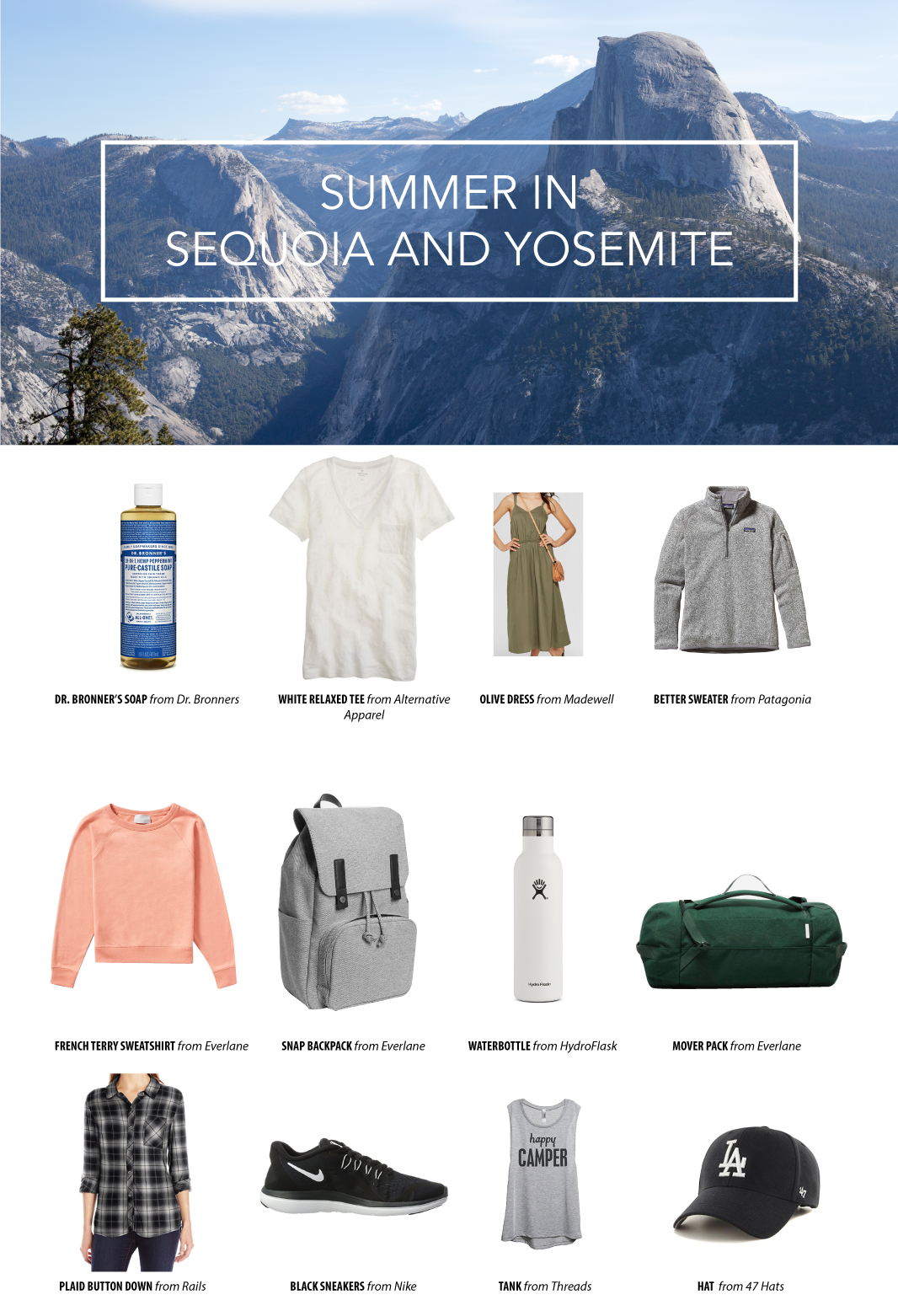
Finally, consider the indirect financial costs of inadequate preparation. Failing to pack essential safety items (like a first-aid kit, emergency shelter, or reliable navigation tools) can lead to critical situations that may incur significant medical or rescue expenses. Similarly, neglecting a small repair kit (duct tape, cordage, sewing needle) might force you to replace a damaged item entirely mid-trip, rather than performing a simple, inexpensive fix. Investing in preparedness isn’t just about safety; it’s a sound financial decision that prevents potentially exorbitant reactive costs.
Approaching your Yosemite packing list with a discerning financial eye transforms a logistical task into a strategic exercise. By budgeting wisely, investing in quality, leveraging financial tools, and anticipating potential pitfalls, you can ensure your adventure is not only memorable but also fiscally sound.
aViewFromTheCave is a participant in the Amazon Services LLC Associates Program, an affiliate advertising program designed to provide a means for sites to earn advertising fees by advertising and linking to Amazon.com. Amazon, the Amazon logo, AmazonSupply, and the AmazonSupply logo are trademarks of Amazon.com, Inc. or its affiliates. As an Amazon Associate we earn affiliate commissions from qualifying purchases.