
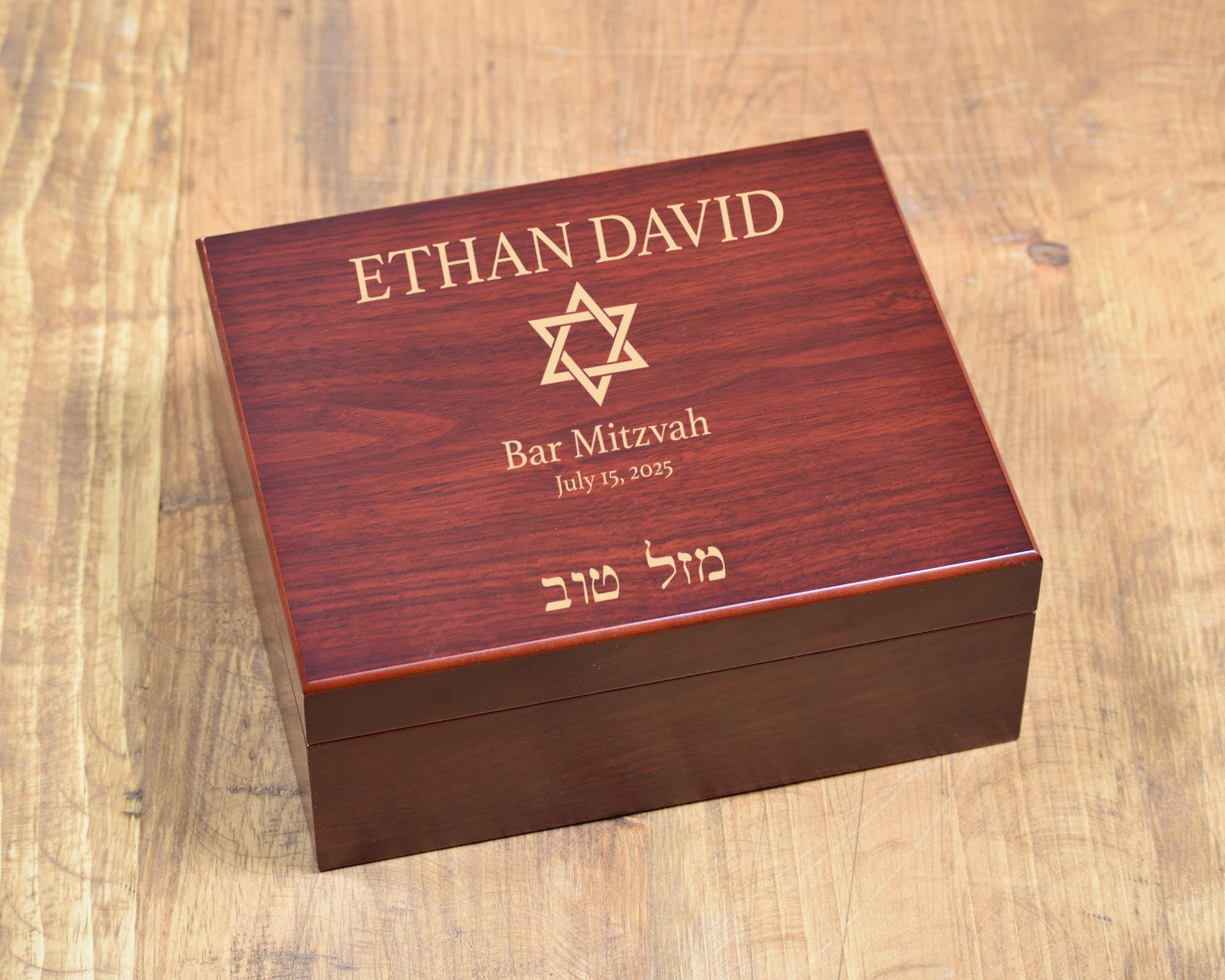
A Bar Mitzvah marks a pivotal moment in a young person’s life, signifying their coming of age, religious maturity, and increased responsibility within the Jewish community. While the celebration itself is rich with tradition, the act of giving a gift also carries significant meaning. For many, navigating the gifting landscape can be perplexing, but when viewed through the lens of personal finance and long-term financial well-being, the choices become clearer and more impactful. Rather than a fleeting item, a well-considered Bar Mitzvah present can lay a foundational stone for the recipient’s financial future, embodying values of foresight, stewardship, and independence.

The Enduring Value of Monetary Gifts
In Jewish culture, monetary gifts are a long-standing and highly respected tradition, particularly for life-cycle events like a Bar Mitzvah. This custom extends beyond mere convenience; it is rooted in practical wisdom and symbolic significance. Monetary gifts empower the young adult to make their own choices, save for future aspirations, or invest, thereby gaining early exposure to personal financial management.
The Significance of Chai
One prominent aspect of monetary gifts in Jewish tradition is the concept of “Chai,” which means “life” in Hebrew. The numerical value of the Hebrew letters that spell Chai is 18. Consequently, gifts are often given in multiples of 18 (e.g., $18, $36, $54, $180, etc.). This tradition infuses the monetary gift with an additional layer of blessing and good fortune, symbolizing a wish for a long and prosperous life. It transforms a simple cash gift into an intentional gesture, aligning financial support with spiritual well-being.
Why Money Remains a Practical Choice
Beyond tradition, money offers unparalleled practicality. A Bar Mitzvah boy or girl is at an age where their interests are rapidly evolving, and their personal needs may not be immediately apparent to a gift-giver. While a physical gift risks being quickly outgrown, unused, or simply not desired, a monetary contribution provides flexibility. It allows the recipient to save for a significant purchase (like a car or college), invest for long-term growth, or even donate to a charity, aligning with the charitable principles (Tzedakah) often emphasized during this coming-of-age transition. This autonomy in financial decision-making is an invaluable, albeit indirect, gift in itself.
Beyond Cash: Strategic Financial Contributions
While a check or crisp bills are always appreciated, contemporary financial tools offer innovative ways to contribute to a Bar Mitzvah celebrant’s financial future. These options can provide growth potential, tax advantages, and a more structured approach to long-term wealth building, making them incredibly insightful and forward-thinking presents.
Custodial Investment Accounts
A highly impactful gift can be a contribution to, or even the establishment of, a custodial investment account such as a UTMA (Uniform Transfers to Minors Act) or UGMA (Uniform Gifts to Minors Act) account. These accounts allow a custodian (typically a parent or guardian) to manage assets on behalf of a minor until they reach the age of majority (usually 18 or 21, depending on the state).
- Benefits: Funds contributed can be invested in stocks, bonds, mutual funds, or ETFs, allowing the assets to grow over time, potentially significantly, before the child gains control. This introduces the concept of investing early and demonstrates the power of compounding.
- Considerations: Once contributed, the assets legally belong to the minor and cannot be reclaimed by the gift-giver or custodian for their own use. Upon reaching the age of majority, the child gains full control, which is why early financial education alongside such a gift is crucial.
Contributions to 529 College Savings Plans
For those focused on higher education, contributing to an existing 529 college savings plan in the child’s name is an exceptional gift. If one doesn’t exist, the gift-giver can even establish one, though typically a parent or legal guardian will be the account owner.
- Benefits: Funds grow tax-deferred and withdrawals are tax-free when used for qualified education expenses (tuition, fees, books, room and board). Many states also offer a tax deduction for contributions. This directly alleviates the future financial burden of college, a significant concern for most families.
- Considerations: Funds must be used for qualified educational expenses to maintain tax benefits. While flexible, it’s a more targeted financial gift.
Gifting Stocks or ETFs
For a more direct and personalized investment gift, consider gifting shares of a specific company or an Exchange Traded Fund (ETF). This can be done through a traditional brokerage account or increasingly, through specialized gifting platforms.
- Benefits: It’s a tangible way to introduce a young person to the stock market, allowing them to own a piece of a company they admire (e.g., a tech giant, a favorite brand) or diversify through an ETF tracking a broad index. It can spark an interest in financial markets and economic principles.
- Considerations: The value of stocks can fluctuate. It’s important to choose reputable companies or diversified ETFs. This gift can be particularly engaging if accompanied by a brief explanation of what the company does or what the ETF represents.
Cultivating Financial Literacy: Gifts That Educate
Beyond direct financial assets, some of the most enduring gifts are those that equip a young person with the knowledge and skills to manage their finances wisely. A Bar Mitzvah is an ideal time to foster financial literacy, preparing them for the increasing financial responsibilities that come with adulthood.

Books on Personal Finance and Investing
A curated selection of books can be an incredibly powerful tool. There are many excellent resources tailored for young adults that demystify complex financial concepts.
- Recommendations: Look for titles that cover budgeting, saving, the basics of investing, understanding debt, and the value of financial independence. Books like “The Total Money Makeover: Young Adult Edition” or age-appropriate guides to investing can be foundational.
- Impact: These books provide a self-paced education, offering insights that can shape their financial habits for decades.
Subscriptions to Financial Education Platforms
In the digital age, online platforms offer interactive and engaging ways to learn about personal finance. A subscription to a reputable financial education app or website can be an excellent gift.
- Examples: Platforms that offer gamified learning, investment simulations, or courses on specific financial topics.
- Impact: These resources can make learning about money less daunting and more enjoyable, catering to a generation comfortable with digital learning.
Mentorship or Financial Planning Sessions
While less common, offering to connect the Bar Mitzvah celebrant with a trusted financial mentor or sponsoring an introductory session with a certified financial planner (CFP) can be an extraordinary gift.
- Benefits: Direct interaction with a professional can provide personalized advice, answer specific questions, and instill confidence in managing money. It can be a powerful catalyst for forming sound financial habits early.
- Considerations: This requires careful coordination with the parents and the child’s willingness, but the long-term benefits of professional guidance are immense.
Practical Gifts with Lasting Financial Value
Not all financially-minded gifts need to be direct contributions to accounts. Some practical items can indirectly support financial well-being by fostering valuable skills or providing long-term utility.
High-Quality Productivity Tools or Software
While crossing into the “Tech” realm, selecting these items with a financial lens keeps them within the “Money” category. A durable laptop, a powerful tablet, or even specialized software for organization and productivity (e.g., project management tools, advanced spreadsheet software) can be seen as investments in the child’s future academic and professional success.
- Benefits: These tools are crucial for academic performance, potential side hustles, and developing skills that will be valuable in higher education and the workforce, indirectly leading to greater earning potential.
- Considerations: Ensure the gifts are appropriate for their current needs and will have lasting relevance.
Entrepreneurial Starter Kits
For a child showing an inclination towards business or creative ventures, a gift that encourages entrepreneurial spirit can be incredibly valuable. This could range from a comprehensive coding kit to a high-quality camera for content creation, or even funds specifically earmarked for starting a small venture like lawn care or tutoring.
- Benefits: Fosters innovation, problem-solving, and an understanding of earning and managing income outside of traditional employment. These experiences build transferable skills essential for financial independence.
- Considerations: Tailor the “kit” to the child’s specific interests to ensure engagement and genuine learning.
Budgeting and Personalizing Your Financial Gift
Deciding on the what often leads to the how much. There’s no fixed rule, and the amount should always be within your comfortable budget. The spirit of the gift, especially when it’s thoughtful and aims to empower the young person’s future, far outweighs its monetary value.
- Budget Alignment: Determine an amount that aligns with your personal financial situation, just as you would for any other significant expense. Remember the “Chai” multiples ($18, $36, $54, etc.) if opting for a traditional cash gift, but don’t feel constrained if a different amount makes more sense for a structured financial gift.
- Personal Touch: Even a financial gift can be personalized. Include a heartfelt card explaining why you chose a particular financial gift and your hopes for its impact. If you’re gifting stock, explain why you chose that particular company. If contributing to a 529 plan, emphasize the importance of education.
- Discussion with Parents: Before making a significant financial contribution (especially to a custodial account or 529 plan), a brief discussion with the parents is advisable. They can provide insight into existing financial plans for the child and ensure your gift complements their overall strategy.
Ultimately, a Bar Mitzvah gift is an opportunity to contribute positively to a young person’s journey into adulthood. By choosing a gift that aligns with principles of sound financial management, long-term growth, and financial literacy, you are not just celebrating a milestone; you are investing in a future of independence, capability, and prosperity.
aViewFromTheCave is a participant in the Amazon Services LLC Associates Program, an affiliate advertising program designed to provide a means for sites to earn advertising fees by advertising and linking to Amazon.com. Amazon, the Amazon logo, AmazonSupply, and the AmazonSupply logo are trademarks of Amazon.com, Inc. or its affiliates. As an Amazon Associate we earn affiliate commissions from qualifying purchases.