
The Rolex Datejust stands as an undeniable icon, a benchmark of luxury watchmaking, and for many, a tangible symbol of financial achievement and discerning taste. Its blend of timeless design, robust engineering, and a heritage steeped in prestige makes it a highly coveted item. However, with entry-level models fetching several thousand dollars and escalating quickly, the Datejust remains out of reach for many budgets. This doesn’t mean aspirations for a high-quality, elegant timepiece must be shelved. Instead, it presents an opportunity to apply sound financial principles and astute consumer choices to acquire something truly exceptional that aligns with one’s current financial reality.

Understanding the Datejust Allure and Your Budget Realities
The allure of the Datejust is multifaceted. Beyond its status as a luxury accessory, it’s often perceived as an investment, a legacy piece, and a marker of financial success. From a purely financial perspective, Rolex watches are renowned for their strong resale value, often holding or even appreciating in value over time, unlike many other luxury goods. This characteristic can subtly influence the decision-making process, making the significant capital outlay seem less like an expenditure and more like an asset allocation.
However, it is crucial to confront personal financial realities head-on. Acquiring a Datejust represents a substantial financial commitment. Before even considering alternatives, a thorough assessment of one’s personal finance situation is paramount. This includes evaluating disposable income, existing debt obligations (especially high-interest consumer debt), the robustness of an emergency fund, and long-term financial goals such as retirement savings or homeownership. The danger of financial overreach—purchasing a luxury item on credit, depleting vital savings, or sacrificing essential financial planning—is a trap many fall into. A luxury watch, no matter how prestigious, should never compromise fundamental financial security or divert funds from more critical wealth-building avenues. The true cost extends beyond the price tag to the opportunity cost of what that money could otherwise achieve, whether invested, used to pay down debt, or contribute to a more substantial financial goal.
Smart Alternatives: Beyond the Brand Name
For those who appreciate the Datejust’s aesthetic and quality but whose budgets dictate a different path, the market offers a rich tapestry of alternatives. The key is to shift focus from brand prestige to intrinsic value—horological merit, build quality, durability, and design integrity.
Focusing on Core Value: Horological Merit and Durability
Many watch brands offer exceptional craftsmanship and robust, reliable movements without the stratospheric price tag associated with Rolex. These brands often provide superior “value proposition” by delivering high-quality materials, meticulous finishing, and dependable mechanics at a more accessible price point.
Consider brands like Tudor, often referred to as Rolex’s younger, more accessible sibling. Tudor watches share much of Rolex’s DNA in terms of design robustness and manufacturing quality, often utilizing in-house movements and high-grade materials. Models like the Tudor Black Bay 36 or the Glamour Date+Day offer a similar timeless aesthetic and build quality to a Datejust but at a fraction of the cost, often holding their value remarkably well.
Longines is another excellent Swiss option, boasting a rich heritage and a reputation for elegant, well-made watches. Their Conquest and Flagship collections offer automatic movements, sapphire crystals, and classic designs that can easily serve as sophisticated daily wearers. Similarly, Oris is a fiercely independent Swiss brand known for producing mechanical watches exclusively, with robust build quality and distinctive designs. Their Aquis Date or Big Crown Pointer Date lines demonstrate significant horological value for money.
Venturing into Japanese watchmaking, Grand Seiko stands as a titan. While some Grand Seiko models can rival Rolex in price, many offer unparalleled finishing, precision, and unique dial textures that often surpass Swiss counterparts at similar price points. Their automatic movements are exceptionally accurate, and their designs, while distinct, share a timeless elegance. For those seeking even greater affordability, the broader Seiko range, particularly higher-end Presage or Prospex models, provides incredible value, often incorporating impressive features and finishing for their cost.
The Pre-Owned Market: A Gateway to Accessible Luxury
The pre-owned watch market is a treasure trove for financially savvy consumers. Purchasing a luxury watch pre-owned can lead to significant savings, often 20-50% off retail prices, depending on the brand, model, condition, and market demand. This avenue opens the door to acquiring watches that would otherwise be unattainable at their new retail price, including discontinued models that might even appreciate in value.
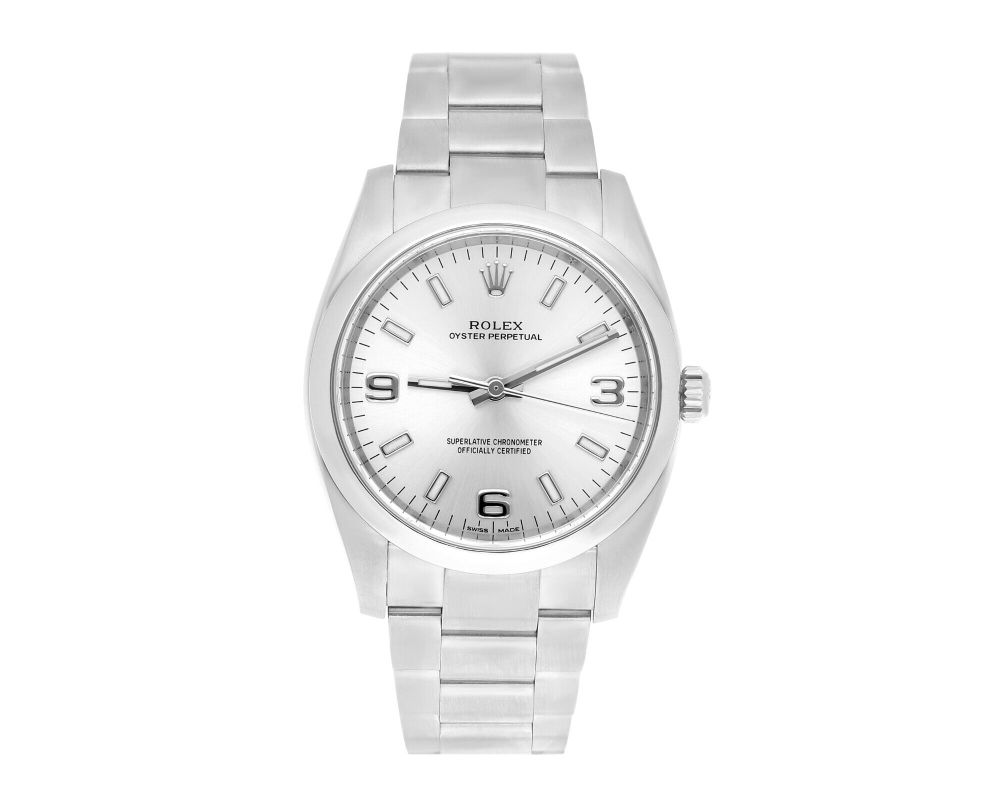
However, navigating the pre-owned market requires diligence. Risks include counterfeit watches, misrepresented conditions, or inflated pricing. To mitigate these risks, always prioritize reputable dealers who offer authentication guarantees, clear return policies, and warranties. Familiarize yourself with the watch’s reference numbers, common tells for fakes, and typical market prices. Websites like Chrono24, eBay (with proper buyer protection), or trusted local brick-and-mortar dealers specializing in pre-owned luxury watches are good starting points. Understanding the depreciation curves of different brands can also inform your decision; some brands hold value better than others, which impacts future resale potential.
Microbrands and Independent Watchmakers: Unique Value
The rise of microbrands and independent watchmakers has democratized access to unique designs, high-quality components, and passionate craftsmanship. These smaller operations often bypass traditional marketing and distribution channels, allowing them to offer exceptional value. They frequently utilize reliable movements from established manufacturers (like Miyota or ETA) but differentiate themselves through innovative design, unique material choices, and a direct-to-consumer sales model that cuts out retailer markups.
Exploring this segment can lead to discovering a timepiece with a distinct personality that resonates deeply, often at a price point well below mass-produced luxury watches. It’s an opportunity to support innovation and artistry while acquiring a watch that feels personal and exclusive, without the premium attached to heritage. Brands like Christopher Ward, Baltic, and Nodus are just a few examples of microbrands that have garnered significant acclaim for their quality and design in various price tiers.
Financial Strategies for Luxury Aspirations
Ultimately, the desire for a Datejust, or any luxury item, should ideally stem from a position of financial strength, not aspiration that strains the budget. Developing sound financial strategies can pave the way for such acquisitions without compromising long-term well-being.
The Savings Game: Setting a Realistic Goal
If a Datejust remains a long-term goal, the most financially prudent approach is to save for it diligently. This involves setting a realistic budget, creating a dedicated savings account, and automating transfers from your primary account. Calculate exactly how much you need to save each month to reach your goal within a reasonable timeframe (e.g., 2-5 years) without impacting other financial priorities. This disciplined approach builds financial literacy and delayed gratification, making the eventual purchase more satisfying and guilt-free.
Opportunity Cost and Financial Health
Every dollar spent on a depreciating asset, or even a luxury item that holds value, is a dollar not invested in assets that could grow significantly over time. The power of compound interest, especially when applied to long-term investments like a retirement fund or a diversified stock portfolio, is immense. Before making a significant luxury purchase, ask yourself: What could this money achieve if invested instead? While personal enjoyment has value, true financial health prioritizes wealth accumulation and security. A Datejust purchased at the expense of a robust emergency fund or maximized retirement contributions represents a significant opportunity cost.
Diversifying Your Financial Portfolio, Not Just Your Watch Collection
True financial success and freedom are rarely defined by a single luxury item. They are built through strategic investing, diversified income streams, and responsible money management. Focus on building a strong financial foundation: pay down high-interest debt, establish a substantial emergency fund, invest regularly in appreciating assets (stocks, bonds, real estate, education), and plan for retirement. These actions provide lasting security and significantly greater long-term freedom than any luxury watch can offer. When your financial portfolio is robust and diversified, a luxury watch becomes a reward, not a financial stretch.
The Long-Term Perspective: A Datejust Later, Not Now
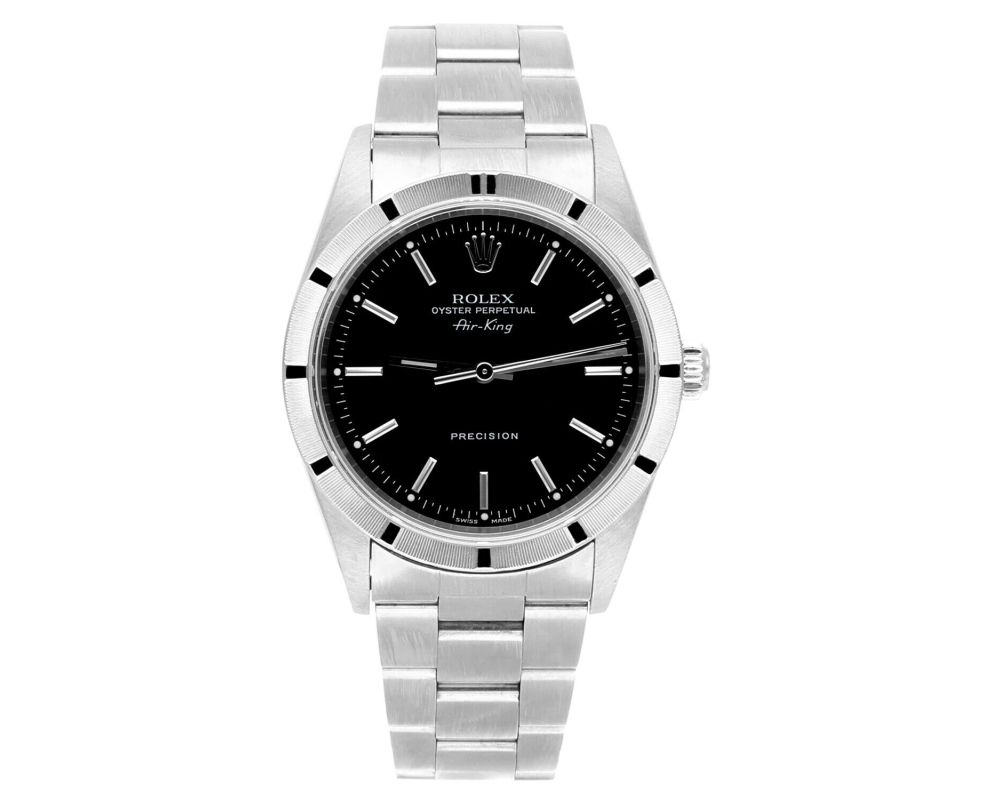
The journey to financial stability and wealth often involves deferring gratification. There is immense satisfaction in achieving financial milestones—being debt-free, having a fully funded emergency reserve, owning appreciating assets, and being on track for retirement—before indulging in luxury items. When these foundations are firmly in place, a Datejust or a similar luxury watch can be acquired without guilt or financial strain, enhancing personal enjoyment rather than creating anxiety. Revisiting the aspiration for a Datejust when you are truly financially sound transforms the purchase from a potential burden into a well-deserved celebration of your financial discipline and success.
aViewFromTheCave is a participant in the Amazon Services LLC Associates Program, an affiliate advertising program designed to provide a means for sites to earn advertising fees by advertising and linking to Amazon.com. Amazon, the Amazon logo, AmazonSupply, and the AmazonSupply logo are trademarks of Amazon.com, Inc. or its affiliates. As an Amazon Associate we earn affiliate commissions from qualifying purchases.