
Understanding the “Brand Burn”: Identifying Reputational Friction
In the dynamic world of business, brands, much like individuals, can experience “rope burn”—a sudden, painful abrasion caused by friction. This isn’t a literal skin injury, of course, but a metaphor for significant damage to a brand’s reputation, market standing, or public trust. A brand burn can manifest from various sources: a product recall, a public relations crisis, an ill-advised marketing campaign, a social media misstep, an ethical lapse by leadership, or even a sustained campaign of negative sentiment. The common thread is unexpected friction that strips away goodwill, leaving a raw, vulnerable brand identity in its wake.
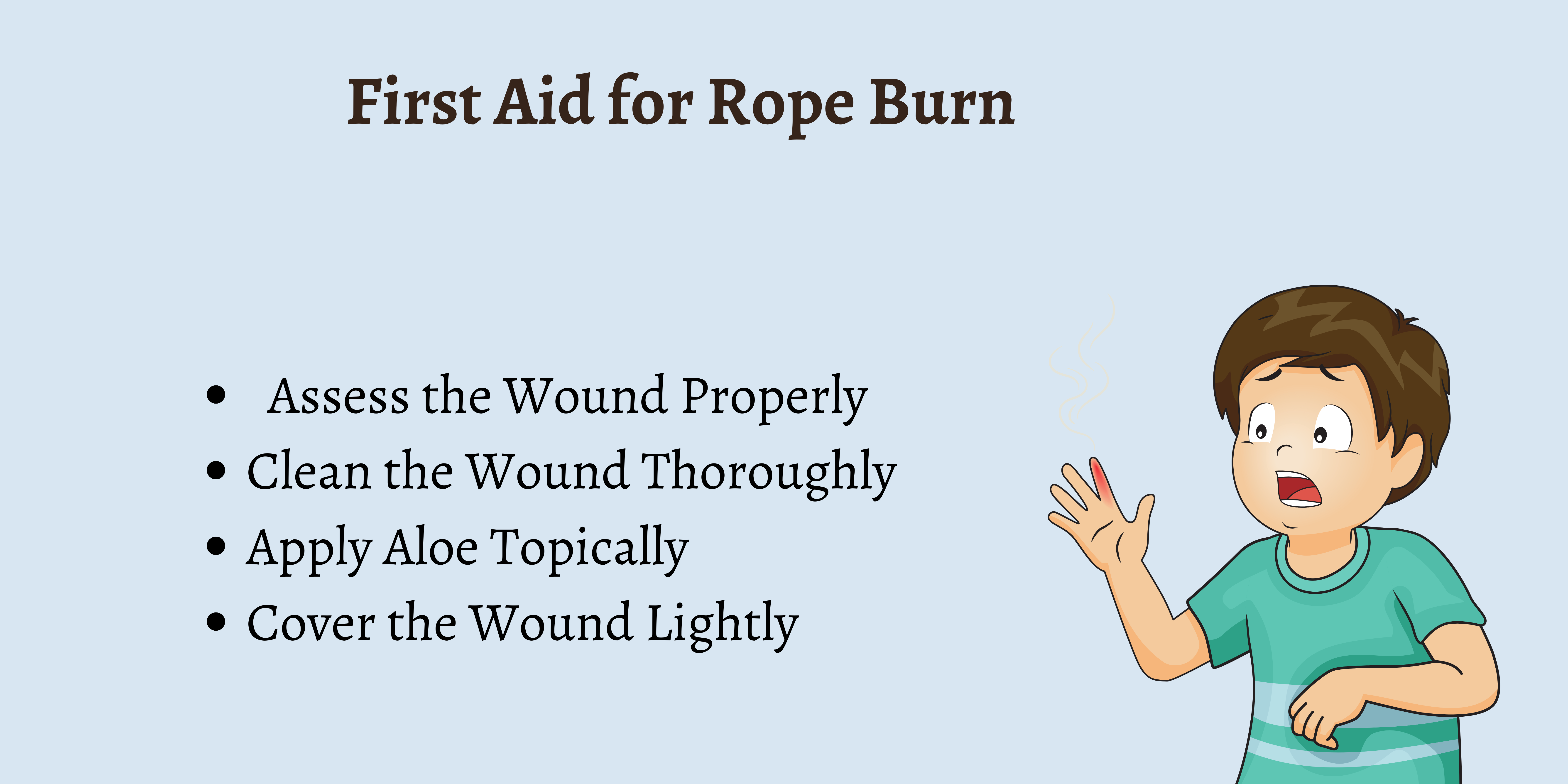
The insidious nature of a brand burn is that it often develops rapidly, escalating from a minor complaint to a full-blown crisis if not managed swiftly and effectively. The immediate impact can be tangible: plummeting sales, stock value depreciation, loss of investor confidence, and talent drain. Intangible costs are equally severe, eroding brand equity, loyalty, and market perception—assets built painstakingly over years. Recognizing the early warning signs of this “friction” is paramount. Are customer service complaints spiking? Is negative sentiment trending on social media? Are key stakeholders expressing concerns? These are the precursors to a more severe brand burn and demand immediate attention, much like the first sting of a physical abrasion signals a deeper problem.
Immediate Damage Control: The First Aid for Your Brand
When a brand burn occurs, the initial response dictates the severity of the long-term damage. This phase is akin to administering first aid: stopping the bleeding, cleaning the wound, and preventing further infection.
Rapid Assessment and Acknowledgment
The very first step is a swift, honest assessment of the situation. What happened? Who is affected? What is the potential scope of the damage? Avoid denial or downplaying the issue, as this only exacerbates the “burn.” Instead, acknowledge the problem publicly and promptly. Silence in the face of crisis is often interpreted as indifference or guilt, deepening public distrust. A sincere, empathetic statement from leadership, even if it doesn’t have all the answers yet, can significantly mitigate negative sentiment.
Containment and Communication Strategy
Once acknowledged, the focus shifts to containment. Identify the source of the “friction” and work to isolate it. If it’s a faulty product, halt sales and issue a recall. If it’s a controversial statement, retract or clarify it. Simultaneously, establish clear communication channels. Centralize your messaging to ensure consistency across all platforms. Draft clear, concise, and accurate statements for internal stakeholders (employees, investors) and external audiences (customers, media, public). Be transparent about what you know and what you are doing to rectify the situation. Avoid speculation and stick to facts, while always maintaining a tone of responsibility and commitment to resolution.
Mobilizing Your Crisis Team
A dedicated crisis management team, comprising representatives from legal, PR, marketing, operations, and executive leadership, is indispensable. This team should be empowered to make rapid decisions, monitor the situation continuously, and adapt the response as new information emerges. Their role is to be the steady hand that guides the brand through the immediate turbulence, ensuring a coordinated, strategic response that prioritizes recovery and reputational protection.
Strategic Healing: Rebuilding Trust and Reputation
Once the immediate crisis is contained, the longer process of strategic healing begins. This phase is about methodical, sustained effort to repair the “wound” and restore the brand’s vitality.
Transparency and Accountability
True healing requires more than just apologies; it demands concrete actions that demonstrate transparency and accountability. What steps are being taken to prevent a recurrence of the “burn”? Are there systemic changes being implemented? Communicate these efforts clearly and consistently. If mistakes were made, own them fully. Consider internal investigations, leadership changes if necessary, and compensatory measures for affected parties. These actions signal a genuine commitment to ethical conduct and customer welfare, which are foundational for rebuilding trust.
Consistent Positive Engagement
While crisis communication is critical, it should not overshadow the brand’s ongoing positive engagement. Continue to deliver on your core value proposition. Showcase positive customer experiences, highlight community involvement, and reiterate your brand’s mission and vision. This helps to shift the narrative away from the crisis and back towards the brand’s strengths and positive impact. Digital channels, particularly social media, are powerful tools for this, allowing direct interaction and the amplification of positive stories.
Leveraging Brand Advocates

During challenging times, your most loyal customers, employees, and partners can become invaluable advocates. Engage them, provide them with accurate information, and empower them to share their positive experiences and support. Their authentic voices can often carry more weight and credibility than official brand messaging, helping to counter negative perceptions and reinforce the brand’s resilience.
Preventative Measures: Avoiding Future Friction
Just as a physical burn leaves a lasting lesson, a brand burn offers critical insights for future resilience. Proactive measures are key to minimizing the risk of recurrence and building a more robust, friction-resistant brand.
Robust Risk Assessment and Scenario Planning
Regularly conduct thorough risk assessments to identify potential points of friction that could lead to a brand burn. This includes reviewing supply chain vulnerabilities, scrutinizing marketing campaigns for cultural sensitivities, evaluating digital security protocols, and assessing internal compliance frameworks. Develop detailed crisis communication plans for various scenarios, outlining roles, responsibilities, messaging frameworks, and communication channels. Practicing these scenarios through drills can significantly improve response times and effectiveness when a real crisis hits.
Nurturing a Culture of Integrity and Ethics
The strongest brands are built on a foundation of integrity. Foster a corporate culture where ethical conduct, transparency, and accountability are not just buzzwords but core values embedded in every level of the organization. This includes clear codes of conduct, regular ethics training, and anonymous reporting mechanisms. A culture that prioritizes doing the right thing, even when it’s difficult, acts as a powerful buffer against potential brand burns arising from internal missteps.
Active Listening and Feedback Loops
Brands must continuously listen to their stakeholders. Implement robust feedback mechanisms—from customer service surveys and social media monitoring to employee engagement polls and investor relations outreach. Pay close attention to early warning signals, even seemingly minor ones, as they can indicate brewing dissatisfaction or emerging issues. An agile brand that actively listens and adapts based on feedback is far less likely to encounter unexpected, damaging friction.
Building Brand Equity Through Consistent Value
Ultimately, a strong brand equity acts as an immune system against reputational damage. Consistently delivering high-quality products or services, maintaining excellent customer service, innovating responsibly, and demonstrating corporate social responsibility all contribute to a deep reservoir of goodwill. When a brand burn occurs, a high level of pre-existing goodwill can significantly soften the blow, giving the brand more latitude and public understanding as it navigates recovery.
Learning from the Scars: Turning Setbacks into Strengths
Every brand burn, however painful, presents an invaluable opportunity for growth. The scars, while reminders of past challenges, can also be badges of resilience and learning.
Post-Crisis Analysis and Reflection
After the immediate crisis subsides and initial healing begins, conduct a thorough post-mortem analysis. What went wrong? What went right in the response? What could have been done differently? Documenting these lessons and integrating them into revised policies and strategies is crucial for continuous improvement. This reflection period allows a brand to evolve, becoming stronger and more adaptable.
Reinforcing Brand Values
A brand burn can force an organization to re-examine and reaffirm its core values. By openly addressing the crisis and demonstrating a renewed commitment to its principles, a brand can emerge with a clearer identity and a more profound connection with its audience. This process can forge a deeper, more authentic bond, as stakeholders witness the brand’s ability to learn, adapt, and recommit to its promises under pressure.

Inspiring Innovation and Adaptability
Sometimes, a brand burn can be the catalyst for significant innovation or strategic pivots. It might reveal outdated processes, inefficient structures, or gaps in market understanding. Addressing these systemic issues can lead to the development of new products, services, or operational models that not only prevent future problems but also open up new avenues for growth and market leadership. The experience, though painful, can force a brand to shed complacency and embrace a more agile, forward-thinking posture.
In conclusion, while a “rope burn” to a brand’s reputation is an experience no organization wishes for, understanding its dynamics, responding strategically, and committing to long-term healing and prevention can transform a crisis into a powerful lesson in resilience, integrity, and sustainable growth. The goal is not just to recover but to emerge stronger, with a more robust, trusted, and future-ready brand identity.
aViewFromTheCave is a participant in the Amazon Services LLC Associates Program, an affiliate advertising program designed to provide a means for sites to earn advertising fees by advertising and linking to Amazon.com. Amazon, the Amazon logo, AmazonSupply, and the AmazonSupply logo are trademarks of Amazon.com, Inc. or its affiliates. As an Amazon Associate we earn affiliate commissions from qualifying purchases.