
A visit to the zoo offers a unique blend of education, entertainment, and connection with the natural world. In an increasingly digital age, the right technological companions can significantly enhance this experience, transforming a simple outing into an immersive adventure. From capturing stunning visuals to navigating complex park layouts and learning on the fly, a curated selection of gadgets and applications can elevate every aspect of your zoo excursion. This guide delves into the essential tech items that belong in your bag, ensuring you’re fully equipped to make the most of your day among wildlife.

Capturing Memories: Photography and Videography Tech
The opportunity to photograph majestic animals, playful primates, or vibrant bird species is a major draw for many zoo-goers. High-quality imaging technology ensures these fleeting moments are preserved with clarity and detail, allowing you to relive the experience long after you’sve left the park.
The Smartphone Advantage
For many, the smartphone is the primary camera. Modern flagship smartphones boast impressive camera arrays, often featuring multiple lenses (wide, ultra-wide, telephoto) and advanced computational photography capabilities. Before your visit, ensure your phone’s storage is optimized by backing up existing photos and videos. Consider downloading third-party camera apps that offer more manual controls, such as ISO, shutter speed, and white balance, to get professional-looking shots even in challenging lighting conditions (e.g., animals in shaded enclosures). Features like burst mode are invaluable for capturing fast-moving animals, while optical image stabilization (OIS) or electronic image stabilization (EIS) helps in achieving steady video footage. Don’t forget panorama mode for sweeping landscape shots of larger enclosures or animal habitats. Utilizing your phone’s HDR (High Dynamic Range) feature can balance bright skies and darker foregrounds, crucial when shooting outdoors.
Dedicated Cameras and Lenses
For photography enthusiasts, a dedicated camera, such as a mirrorless or DSLR, offers unparalleled image quality and flexibility. The key advantage lies in larger sensors, superior low-light performance, and the ability to swap lenses. A telephoto zoom lens (e.g., 70-300mm or even longer) is often considered indispensable for zoo photography, allowing you to get “closer” to animals from a safe and respectful distance. For environmental shots or capturing enclosures, a versatile standard zoom (e.g., 24-70mm) is also beneficial. Many modern cameras feature fast autofocus systems, essential for tracking animals in motion. Mirrorless cameras, in particular, often include advanced animal eye-AF, which can significantly improve sharpness when focusing on a creature’s eyes. Remember to format your memory cards before you leave home and carry spares.
Essential Accessories for Quality Shots
Even with advanced cameras, accessories can make a significant difference. A compact, lightweight monopod can provide stability for telephoto shots, reducing blur from camera shake without the bulk of a full tripod. This is especially useful in zoos where tripods might be cumbersome or restricted. Lens cleaning kits (blower, brush, microfiber cloth) are crucial for maintaining pristine optics, as dust and fingerprints can easily accumulate outdoors. Extra batteries are non-negotiable for any dedicated camera user, as intense shooting, especially with larger lenses and longer focal lengths, can drain power quickly. Consider a portable SSD or large-capacity SD cards for on-the-go backup if you’re planning extensive shooting sessions. A neutral density (ND) filter can also be useful for reducing glare on water features or allowing for wider apertures in bright sunlight to achieve shallow depth of field.
Navigating and Learning: Apps and Digital Tools
Beyond capturing images, technology can profoundly enhance the informational and navigational aspects of your zoo visit, transforming it into a more educational and seamless experience.
Zoo-Specific Applications
Many modern zoos offer their own dedicated mobile applications. These apps are often invaluable, providing interactive maps, real-time show schedules, feeding times, and detailed information about the animals and their conservation status. Some even include augmented reality (AR) features, allowing you to overlay digital information onto your view of an enclosure, or interactive quizzes and games for children. Downloading and familiarizing yourself with the zoo’s official app before your arrival can save time and reduce reliance on paper maps, which might not always be up-to-date. Ensure location services are enabled for accurate navigation and notifications about nearby exhibits.
Offline Maps and Information
While zoo apps are fantastic, cell service can sometimes be spotty in large parks, especially in more remote areas or certain enclosures. Downloading offline maps of the zoo area (e.g., through Google Maps or Apple Maps) can be a lifesaver for navigation. Similarly, if you plan to do independent research on specific animals, consider downloading relevant encyclopedic content or fact sheets beforehand. Many animal identification apps also work offline, allowing you to identify species or learn more without an active internet connection. Saving screenshots of important schedules or gate times can also be a reliable backup.
Educational Apps for Animal Spotting
Beyond the zoo’s official offerings, a variety of educational apps can enrich your understanding. Apps focusing on animal sounds can help you identify species you hear but can’t see, or compare vocalizations. Field guide apps provide detailed descriptions, habitat information, and conservation statuses, turning your visit into a deeper learning opportunity. For younger visitors, interactive animal-themed games or educational content on a tablet can keep them engaged during rest breaks or between exhibits, reinforcing what they’ve learned in an entertaining format. Consider accessibility apps that might offer audio descriptions or visual aids for visitors with specific needs.
Powering Your Day: Keeping Devices Alive
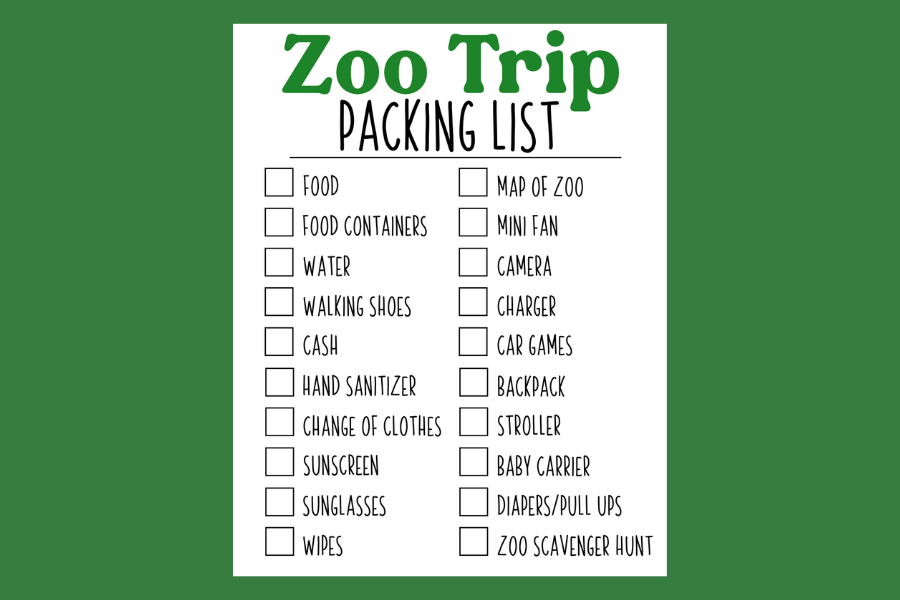
With constant use for navigation, photography, and information access, your devices will need a reliable power source throughout the day. A dead phone means lost memories and navigation challenges.
Portable Power Banks and Chargers
A high-capacity portable power bank is arguably the most crucial tech item for any extended zoo visit. Look for models with at least 10,000 mAh capacity for a single phone, or 20,000 mAh if you’re charging multiple devices or a tablet. Ensure it supports fast charging protocols (like USB Power Delivery or Quick Charge) compatible with your devices. A power bank with multiple output ports is beneficial if you’re charging more than one device simultaneously. Remember to charge the power bank fully the night before your trip. Solar-powered chargers can be an interesting option for supplementing power on sunny days, though their charging speed is often slower than traditional power banks.
Durable Charging Cables
The best power bank is useless without reliable charging cables. Bring sturdy, high-quality cables that are compatible with all your devices (USB-C, Lightning, Micro-USB). Consider braided cables, which are more durable and less prone to fraying from repeated use and bending in a bag. Having a spare cable can also prevent frustration if one gets lost or damaged. Length is also a consideration; a shorter cable might be more convenient for charging from a power bank in a pocket, while a longer one might be useful for reaching an outlet if you find one available.
Comfort and Connectivity: Wearables and Personal Tech
Modern wearables and personal tech gadgets can contribute significantly to your comfort, awareness, and peace of mind during a busy day at the zoo.
Smartwatches for Health and Convenience
A smartwatch offers hands-free access to notifications, time checks, and health metrics. You can quickly glance at messages, monitor your step count (zoos involve a lot of walking!), and even get gentle reminders to stay hydrated without needing to pull out your phone. Many smartwatches also offer contactless payment features, allowing you to make purchases at gift shops or food stalls with a tap of your wrist, reducing the need to handle cash or cards. GPS functionality on a smartwatch can also serve as a quick navigational aid.
Noise-Canceling Earbuds (Respectful Use)
While the sounds of the zoo are part of the experience, noise-canceling earbuds can offer moments of quiet reprieve in crowded areas or help you focus on audio guides. They are also excellent for listening to music or podcasts during travel to and from the zoo. Crucially, use them responsibly: ensure you can still hear important announcements and remain aware of your surroundings, especially when walking near large crowds or with children. Transparency mode, which allows ambient sound to pass through, is ideal for balancing awareness with audio enjoyment.
Digital Security Considerations
When using public Wi-Fi networks (if available at the zoo), exercise caution. Avoid logging into sensitive accounts or conducting financial transactions. Consider using a Virtual Private Network (VPN) on your smartphone for an added layer of security. Keep your devices password-protected, and if you’re using location-sharing features, be mindful of who has access to that information. Setting your phone to automatically back up photos and videos to a cloud service (when on a secure network) provides peace of mind against device loss or damage.
Specialized Gear for Enhanced Observation
For those seeking to delve deeper into animal observation or maintain constant connectivity, specific tech can bridge the gap.
Digital Binoculars and Monoculars
While traditional binoculars are excellent, digital binoculars or monoculars take observation a step further. Some models feature built-in cameras, allowing you to capture zoomed-in photos or videos of distant animals directly through the optic. Others can integrate with your smartphone, streaming the magnified view to your screen or even offering features like rangefinding. These are particularly useful for bird-watching sections or observing animals in very large, open enclosures where even a telephoto lens might struggle to bring them close enough for detailed viewing.

Portable Wi-Fi Hotspots
If you rely heavily on cloud services, need constant internet access for work, or have multiple devices requiring connectivity, a portable Wi-Fi hotspot (MiFi device) can provide a dedicated, secure internet connection. This is especially useful if your phone’s data plan is limited or if you’re traveling internationally where roaming charges are high. It bypasses potentially insecure public Wi-Fi networks and ensures a stable connection for streaming, uploading, or staying in touch. Ensure the device is charged and has a suitable data plan before your visit.
aViewFromTheCave is a participant in the Amazon Services LLC Associates Program, an affiliate advertising program designed to provide a means for sites to earn advertising fees by advertising and linking to Amazon.com. Amazon, the Amazon logo, AmazonSupply, and the AmazonSupply logo are trademarks of Amazon.com, Inc. or its affiliates. As an Amazon Associate we earn affiliate commissions from qualifying purchases.