
The journey to U.S. citizenship through naturalization culminates in an interview, a pivotal step where applicants must demonstrate their eligibility and adherence to U.S. laws and values. While often viewed through a purely legal and civic lens, a significant, yet frequently underestimated, component of this interview revolves around an applicant’s financial life. Proper financial documentation and an understanding of its implications are not merely supportive elements but can be determinative factors in the success of an application. This article delves into the critical financial aspects of preparing for your naturalization interview, ensuring you are not only ready for the civic questions but also financially poised for a seamless transition to citizenship.
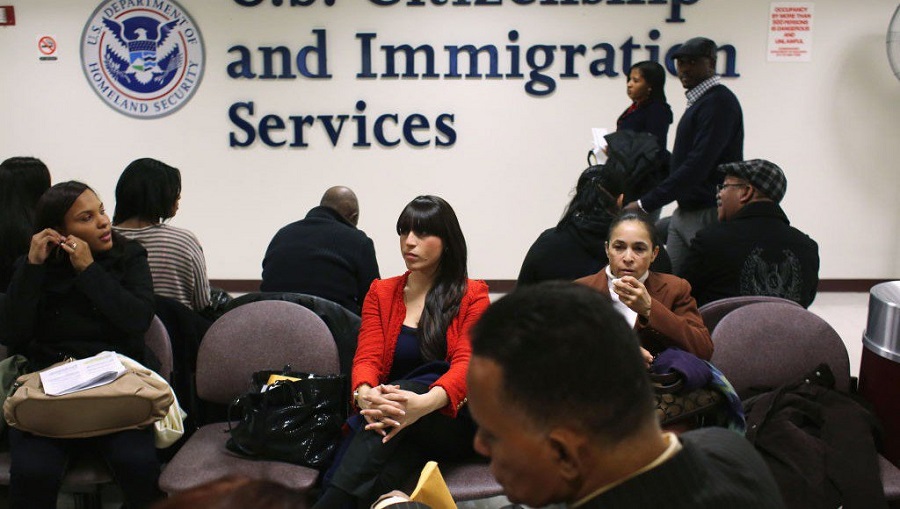
The Financial Pillars of Naturalization Eligibility
At its core, the naturalization process aims to admit individuals who are financially responsible, self-sufficient, and contributing members of society. The U.S. Citizenship and Immigration Services (USCIS) assesses an applicant’s financial history to ensure they meet these standards, primarily to confirm they are not likely to become a “public charge” and have complied with U.S. laws, including tax obligations.
Demonstrating Financial Responsibility
Financial responsibility during the naturalization process extends beyond merely paying application fees. It encompasses a broader demonstration of an applicant’s consistent adherence to financial obligations and legal requirements within the United States. This includes, but is not limited to, maintaining a stable employment history, fulfilling tax duties, and managing personal finances prudently. The USCIS officer will scrutinize your financial documents to infer your commitment to these responsibilities. Any discrepancies, omissions, or significant financial issues could raise questions about your good moral character, a statutory requirement for naturalization. For instance, a history of tax evasion, unaddressed debts, or fraudulent financial activities can be detrimental. Conversely, a clear record of employment, timely tax payments, and prudent financial management strengthens your application by painting a picture of a responsible individual ready to embrace the full responsibilities of citizenship.
Proving Self-Sufficiency
A key objective of immigration policy is to ensure that new citizens are capable of supporting themselves and their families, thereby contributing to the economy rather than relying on public assistance. While applying for public benefits does not automatically disqualify an applicant, a consistent history of reliance on means-tested public benefits without a clear path to self-sufficiency can be a red flag. The naturalization interview serves as an opportunity to demonstrate your current and prospective ability to be self-sufficient. This proof often comes in the form of employment verification, income statements, and evidence of assets. It is about showing that you have the means to provide for yourself and your dependents, illustrating your economic integration into American society. Providing a robust financial picture, including details about your career progression, savings, and investments, can significantly bolster your claim of self-sufficiency.
Key Financial Documents to Prepare
The success of your naturalization interview often hinges on the thoroughness and accuracy of the documents you present. Many of these are financial in nature, providing concrete evidence to support your eligibility claims.
Tax Returns and Income Statements
Perhaps the most crucial set of financial documents are your tax returns. USCIS typically requires copies of federal income tax returns for the past five years (or three years if married to a U.S. citizen and applying under the three-year rule). These documents are paramount for several reasons:
- Proof of Good Moral Character: Filing and paying taxes on time is a fundamental civic duty. Failure to file, underreporting income, or a history of tax evasion can severely jeopardize your application.
- Demonstration of Continuous Residence: Tax returns often show your physical address and employment history, reinforcing your claim of continuous residence in the U.S.
- Income Verification: They verify your income and employment, serving as primary evidence of your financial stability and self-sufficiency.
- Compliance with Law: They show your compliance with federal tax laws, an essential aspect of good moral character.
Beyond federal tax returns, be prepared to bring W-2 forms, 1099 forms, and pay stubs, especially if your income or employment has recently changed. If you are self-employed, bring Schedule C forms, business tax returns, and relevant financial statements that demonstrate your business’s legitimacy and profitability.
Bank Statements and Asset Proofs
While not always explicitly requested as mandatory submissions beforehand, having recent bank statements and proof of significant assets readily available can be highly beneficial. These documents can be used to:
- Corroborate Income: Bank statements show deposits and withdrawals, further corroborating the income reported on your tax returns and pay stubs.
- Demonstrate Financial Stability: Significant savings, investments, or ownership of property (e.g., deeds, mortgage statements) can provide additional evidence of financial stability and integration into the U.S. economy.
- Explain Large Transactions: If there have been any large or unusual transactions in your financial history, bank statements can help you explain them clearly if questioned.
- Proof of Residency: Utility bills, lease agreements, or mortgage statements also serve as proof of residence, reinforcing your connection to your community.
It’s advisable to have at least six months of recent bank statements from all active accounts. For assets, consider bringing statements for retirement accounts, brokerage accounts, and any property deeds or titles.
Debt and Liability Disclosures
Transparency about your financial situation is key. While having debt is common and not automatically disqualifying, understanding and managing your liabilities is part of financial responsibility. If you have significant debts (e.g., student loans, credit card debt, medical bills), be prepared to discuss them and ideally show evidence of a payment plan or responsible management. For example, a credit report showing a good payment history can subtly support your application. USCIS is less concerned with the existence of debt than with an applicant’s history of financial delinquency or criminal financial behavior. Any outstanding financial judgments, bankruptcy filings, or substantial unpaid child support obligations should be addressed proactively and explained with supporting documentation.

Selective Service Registration (for men aged 18-25)
For male applicants who lived in the U.S. as lawful permanent residents between the ages of 18 and 25, registering with the Selective Service is a legal requirement. Failure to register can raise questions about good moral character and compliance with federal law. While not a direct financial document, the implications of non-registration can be severe, potentially delaying or denying naturalization. If you failed to register, you might need to provide an explanation and potentially other evidence to demonstrate good moral character. Proof of registration can be obtained from the Selective Service System website and should be included with your financial and legal documentation.
The Financial Implications of Incomplete Documentation
Underestimating the importance of thorough financial preparation can lead to significant setbacks, costing you time, money, and emotional strain.
Delays and Re-scheduling Costs
Failing to bring all required or requested financial documents can result in your application being delayed, often requiring a Request for Evidence (RFE) or a second interview. Each delay prolongs the uncertainty of your status and can incur additional costs, such as lost wages from taking more time off work, travel expenses for multiple appointments, or even fees for expedited document retrieval. These unforeseen expenditures can significantly strain your personal finances.
Potential for Denial and Re-application Fees
In severe cases, if crucial financial information is missing or contradictory, and not adequately explained, it could lead to the denial of your naturalization application. A denial means you would have to re-apply, starting the entire process over. This entails paying the substantial application fees again, gathering all documents anew, and waiting for processing times. The financial burden of a denial can be considerable, making meticulous preparation the most financially prudent course of action.
Impact on Future Financial Planning
A smooth naturalization process, bolstered by strong financial documentation, allows you to move forward with critical financial planning steps that are often more accessible to U.S. citizens. These include: accessing a wider range of financial products (e.g., certain loans, government-backed programs), pursuing specific career opportunities that require citizenship, and planning for retirement with greater certainty regarding your long-term residency status. Delays or denials disrupt this planning, causing stress and potentially limiting financial growth opportunities.
Beyond the Documents: Proactive Financial Planning for New Citizens
Achieving U.S. citizenship opens new avenues and responsibilities within the American financial landscape. A forward-looking approach to financial planning is essential for leveraging these opportunities and fulfilling new obligations.
Tax Obligations and Benefits
As a U.S. citizen, your tax obligations become global; you are generally required to report worldwide income to the IRS, regardless of where you live. Understanding these expanded responsibilities, especially if you have international assets or income, is crucial. Conversely, citizenship also opens doors to certain tax credits, deductions, and government programs that might have been less accessible previously. Consulting with a tax professional specializing in international taxation or new citizens can help you navigate these complexities and optimize your financial situation.
Accessing Financial Services and Credit
Citizenship often streamlines access to a broader array of financial products and services. You may find it easier to obtain mortgages, business loans, or lines of credit, as some financial institutions prefer or require citizenship for certain offerings. Your newly confirmed permanent status can also positively influence your credit score and financial trustworthiness in the eyes of lenders. Actively building a strong credit history, if you haven’t already, becomes even more beneficial.
Estate Planning Considerations
With naturalization, many individuals solidify their long-term presence and plans in the U.S. This is an opportune time to consider or update your estate plan. As a citizen, you may have different considerations regarding wills, trusts, and inheritance for both U.S. and non-U.S. assets and beneficiaries. Understanding how citizenship affects estate taxes and international asset transfers is vital for securing your financial legacy.

Final Check: Organizing Your Financial Portfolio for Success
Before your naturalization interview, conduct a comprehensive review of your financial documents. Create an organized folder or binder with original documents and clear copies. Label each section clearly. Ensure every document is up-to-date, legible, and directly addresses a potential financial inquiry. Consider preparing a brief, concise summary of your financial history, highlighting stability, responsibility, and growth. This proactive approach, grounded in a thorough understanding of the financial requirements, will not only ease the interview process but also reinforce your image as a financially responsible and prepared future citizen.
aViewFromTheCave is a participant in the Amazon Services LLC Associates Program, an affiliate advertising program designed to provide a means for sites to earn advertising fees by advertising and linking to Amazon.com. Amazon, the Amazon logo, AmazonSupply, and the AmazonSupply logo are trademarks of Amazon.com, Inc. or its affiliates. As an Amazon Associate we earn affiliate commissions from qualifying purchases.