
An African safari offers an unparalleled encounter with nature, a journey into landscapes teeming with iconic wildlife and breathtaking vistas. While the romance of the wild is undeniable, the practicalities of documenting and navigating such an adventure demand careful consideration, particularly concerning technology. Leveraging the right gadgets, software, and digital strategies can elevate your experience from merely observing to truly capturing, communicating, and remembering every awe-inspiring moment. This guide focuses exclusively on the technological arsenal required to ensure your safari is not just memorable, but digitally optimized and secure.
Capturing the Untamed: Essential Photography & Videography Gear
The primary goal for many safari-goers is to immortalize the stunning wildlife and landscapes. Investing in the right camera equipment is paramount to achieving professional-looking results and ensuring no moment is missed.
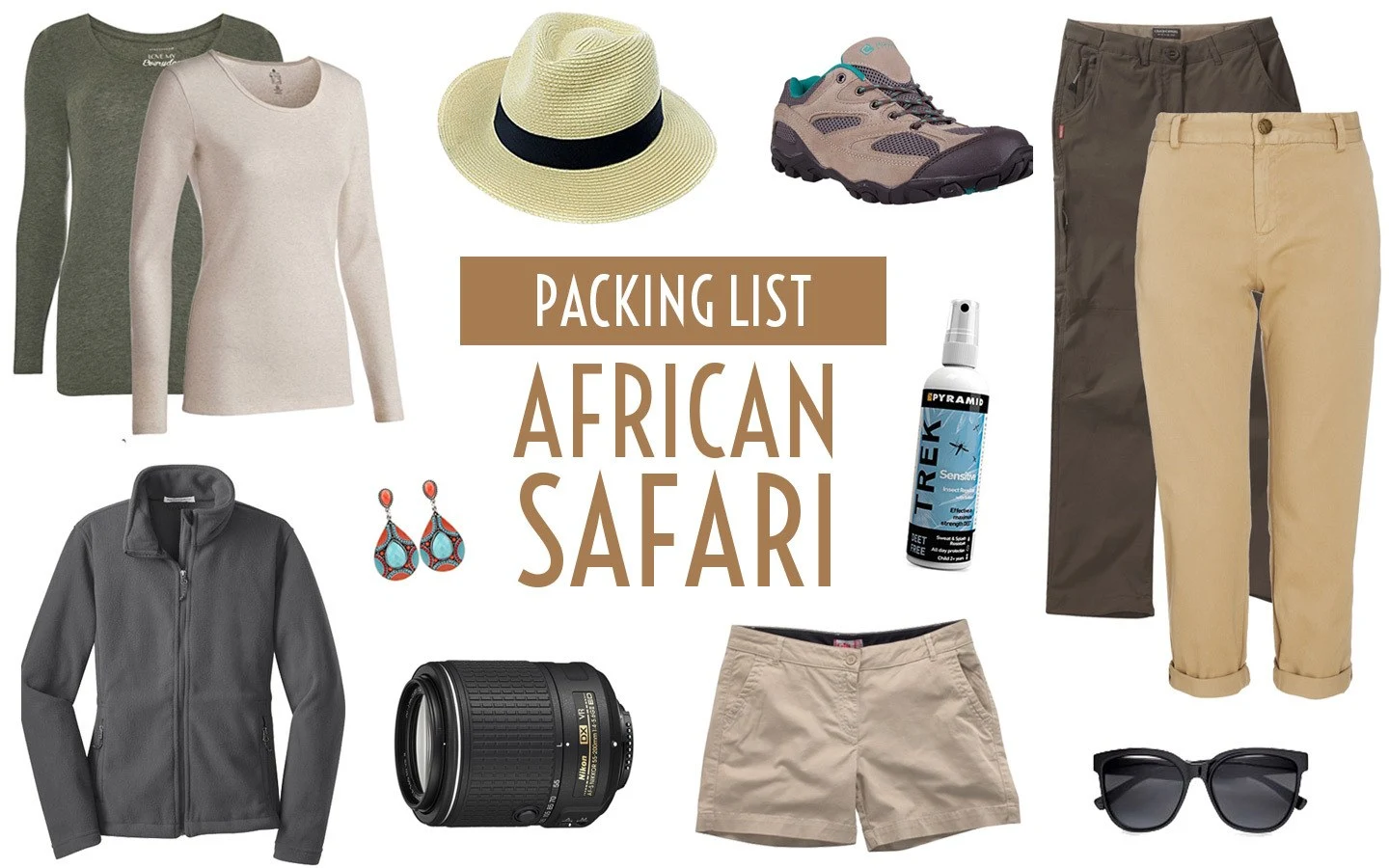
Camera Bodies and Lenses
For serious photographers, a robust DSLR or mirrorless camera system is indispensable. These offer superior image quality, low-light performance, and the flexibility of interchangeable lenses. When selecting bodies, prioritize models with fast autofocus systems, high burst rates for action shots, and excellent dynamic range to handle the challenging safari lighting conditions.
The choice of lenses is even more critical. A telephoto zoom lens (e.g., 100-400mm, 150-600mm, or even a fixed 500mm or 600mm prime) is non-negotiable for wildlife photography, allowing you to capture intimate details from a safe distance. Consider the focal length multiplier if using an APS-C sensor camera. Additionally, a versatile mid-range zoom (e.g., 24-70mm or 24-105mm) is excellent for landscapes, camp life, and wider environmental shots. An ultra-wide-angle lens (e.g., 16-35mm) can also be invaluable for sweeping savanna panoramas or dramatic sky photography. For those seeking to minimize weight, high-quality bridge cameras with impressive zoom capabilities offer a compelling all-in-one solution, though with some compromises on sensor size and low-light performance compared to interchangeable lens systems.
For videography, ensure your chosen camera supports 4K recording at a suitable frame rate (e.g., 30fps or 60fps) for crisp, detailed footage. Features like in-body image stabilization (IBIS) are highly beneficial for steady handheld shots, especially when tracking moving subjects from a vehicle.
Power and Storage Solutions
Safari operations often mean limited access to reliable power outlets. A robust power strategy is vital. Pack multiple spare batteries for all your camera bodies and any battery-powered accessories. Ideally, aim for at least two to three spare batteries per camera to last through long days of shooting without a recharge. Consider a portable solar charger for emergency top-ups or if your itinerary includes remote bush camps. Power banks (portable battery packs) with high capacities (20,000mAh+) are also essential for recharging phones, smaller cameras, and other USB-powered devices.
For storage, high-capacity, fast SD or CFexpress cards are a must. Carry several large-capacity cards (e.g., 128GB or 256GB) rather than a multitude of smaller ones to minimize card changes in dusty environments. More importantly, invest in a portable hard drive or SSD (Solid State Drive) for daily backups of your precious photos and videos. A rugged, shock-resistant drive with ample space (1TB-4TB) will protect your memories from the bumps and jostles of safari travel. Consider drives with built-in card readers for easy, cable-free transfers in the field. Dual redundancy, backing up to two separate drives or a drive and a cloud service (if connectivity allows), is the safest approach.
Specialized Accessories
Beyond the core camera kit, several accessories can significantly enhance your photographic capabilities. A sturdy monopod or beanbag is invaluable for stabilizing long lenses in safari vehicles, mitigating vibrations and achieving sharper images. Tripods are generally less practical in a vehicle but useful for astrophotography in camp. Lens cleaning kits (blower, brush, microfiber cloths, lens cleaning fluid) are crucial for combating the ever-present dust. A neutral density (ND) filter can help manage bright light, allowing for wider apertures or slower shutter speeds for creative effects. Polarizing filters reduce glare and enhance sky saturation. Finally, a durable, water-resistant camera bag with adequate padding is non-negotiable for protecting your gear from the elements and rough travel.
Staying Connected and Navigated: Communication & Utility Gadgets
While the essence of a safari is to disconnect, certain technological tools can be crucial for safety, navigation, and maintaining essential contact.
Satellite Communication and GPS Devices
Cellular reception in many remote safari areas is non-existent. For emergencies or urgent communication, a satellite communication device is a wise investment. Options range from satellite phones (allowing voice calls and SMS) to satellite messengers (like Garmin inReach or Zoleo) which enable two-way text messaging and GPS tracking, often with an SOS feature. These devices provide a lifeline in areas without network coverage and are particularly important for self-drive safaris or walking safaris. Always ensure you have an active subscription for the duration of your trip.

For navigation, while guides are experts, a reliable GPS device or a smartphone with offline mapping capabilities (e.g., Google Maps, Maps.me, Gaia GPS) can provide peace of mind and help you track your routes. Download all relevant regional maps beforehand, as data access will be limited.
Power Management on the Go
Beyond camera batteries, managing power for all your personal devices is critical. A high-capacity power bank (20,000mAh or more) is essential for charging smartphones, tablets, and e-readers. Consider rugged, dustproof, and water-resistant models. Portable solar chargers can be a supplementary source of power, especially for topping up smaller devices during long days in the sun. Ensure your wall chargers are multi-voltage (100-240V) and carry universal travel adapters for the specific sockets found in your destination countries (typically Type G for many East African countries, Type M or C/F for Southern Africa). A multi-port USB charger can streamline charging multiple devices from a single outlet when power is available.
Smart Devices and Wearables
Your smartphone, even without cellular service, serves as a versatile tool. It can store digital copies of your travel documents, act as an e-reader, provide entertainment during downtime, and run various useful apps (discussed below). Ensure it’s fully charged, and consider carrying a rugged, waterproof case for protection. Smartwatches can track your fitness, monitor heart rate, and provide quick access to notifications when paired, but their primary utility on safari is often limited to timekeeping and basic health metrics. E-readers are excellent for consuming content without draining your phone’s battery, offering a lightweight alternative to physical books.
Digital Preparedness: Apps, Software, and Security
Beyond hardware, a well-curated selection of apps and a robust approach to digital security are crucial for a smooth and worry-free safari experience.
Essential Safari Apps
Pre-loading your smartphone or tablet with specific apps can significantly enhance your safari.
- Wildlife Identification Apps: Apps like “Roberts Birds of Southern Africa,” “Sasol eBirds Southern Africa,” or region-specific mammal guides provide detailed information, calls, and distribution maps for species you encounter. Some even use AI-powered image recognition to help identify plants and animals.
- Offline Maps & Navigation: As mentioned, Google Maps or Maps.me with downloaded regional maps are vital for navigation when offline.
- Translation Apps: Google Translate or similar, with offline language packs downloaded, can be invaluable for communicating with local staff or communities.
- Stargazing Apps: Apps like SkyView Lite or Star Walk can enhance nighttime experiences in areas with minimal light pollution, helping you identify constellations visible in the Southern Hemisphere.
- Note-Taking Apps: Digital note-taking apps allow you to log sightings, record observations, and journal your experiences without the bulk of a physical notebook.
- Cloud Storage Apps: Ensure you have access to Dropbox, Google Drive, or similar apps for potential cloud backups of crucial documents or photos if you encounter Wi-Fi.
Data Backup and Cybersecurity
Safari environments are not exempt from digital risks. Theft and loss are possibilities, and public Wi-Fi (if available in lodges) can be insecure.
- Data Backup: Implement a rigorous backup strategy. In addition to physical external drives, consider backing up critical photos to cloud services if you have reliable internet access, even if it’s just during a stopover in a city. Keep backups physically separate from your primary devices.
- Device Security: Always use strong passwords, PINs, or biometric security for all your devices. Enable “Find My Device” features on your phone and laptop.
- VPN (Virtual Private Network): If you plan to use public Wi-Fi at lodges or airports, a VPN is highly recommended to encrypt your internet traffic and protect your sensitive data from potential snooping.
- Digital Copies of Documents: Store scanned copies of your passport, visas, flight tickets, and insurance documents in a secure cloud service and on an encrypted USB drive. This provides redundancy in case physical documents are lost or stolen.
Leveraging AI for Wildlife Identification
Emerging AI tools can significantly enhance your wildlife encounters. Apps like “iNaturalist” can use your phone’s camera and machine learning to help identify species of plants, insects, and even some animals you photograph. While not perfect, these tools can provide valuable real-time learning opportunities and complement traditional field guides. Future advancements may even see AI integrated into camera systems for advanced tracking and identification, further enriching the photographic experience.
Protecting Your Investment: Gear Care in Harsh Environments
The African bush is magnificent but can be unforgiving on electronic equipment. Dust, moisture, and vibrations are constant threats.
Dust and Moisture Protection
Dust is ubiquitous on safari. Employ multi-pronged protection for your electronics:
- Dust-Proof Bags/Covers: Keep cameras and lenses in sealed, dust-proof bags (e.g., dry bags or ziplock bags) when not in use. Some dedicated camera bags offer superior dust resistance.
- Lens Protection: Use UV filters on all lenses as a sacrificial layer against dust and scratches.
- Cleaning Kits: As mentioned, a comprehensive cleaning kit (blower, brush, microfiber cloths) is essential for daily maintenance to prevent dust from getting into moving parts or sensor. Never use compressed air on sensors.
- Moisture Control: While not typically rainy season, sudden downpours can occur. A rain cover for your camera and bag is a small investment that offers huge protection. Desiccant packs (silica gel) kept in your camera bag can help absorb moisture and prevent fungal growth, particularly important in humid regions.

Shock Resistance and Accessibility
Safari travel involves bumpy roads and sudden stops. Your gear will take a beating.
- Padded Bags: A high-quality, well-padded camera bag designed for travel is non-negotiable. Ensure it provides good shock absorption.
- Vehicle Stability: When shooting from a vehicle, avoid leaving cameras unsecured on seats. Use a beanbag or keep the camera in your lap to absorb vibrations.
- Accessibility: While protecting gear is vital, it also needs to be quickly accessible. Organize your camera bag so that frequently used lenses and accessories are easy to reach, allowing you to capture fleeting moments without fumbling.
By meticulously planning your technological loadout and adhering to best practices for digital security and gear care, your African safari will be not only an adventure of a lifetime but also a perfectly documented and securely managed journey.
aViewFromTheCave is a participant in the Amazon Services LLC Associates Program, an affiliate advertising program designed to provide a means for sites to earn advertising fees by advertising and linking to Amazon.com. Amazon, the Amazon logo, AmazonSupply, and the AmazonSupply logo are trademarks of Amazon.com, Inc. or its affiliates. As an Amazon Associate we earn affiliate commissions from qualifying purchases.