
In the dynamic arena of branding, the ability to recognize, embrace, and effectively symbolize change is not merely an advantage—it is an existential imperative. Brands, whether personal or corporate, operate within an ever-shifting landscape of consumer expectations, technological advancements, competitive pressures, and cultural currents. Stagnation is often synonymous with decline, making the strategic communication of evolution a cornerstone of enduring success. Understanding what symbolizes change, and how to harness these symbols, allows a brand to navigate transitions, refresh its identity, and resonate with audiences seeking relevance and progress.
The Strategic Imperative of Brand Evolution
The notion that brands must adapt is hardly revolutionary, yet the methods and meaning behind that adaptation are constantly evolving. A brand’s resilience and longevity are directly tied to its capacity for transformation. This is not about whimsical pivots but about strategic foresight and responsive agility.

Market dynamics are a primary driver. Consumer behaviors, preferences, and values are not static. What resonated yesterday may feel dated tomorrow. Consider the accelerated shift towards sustainability, ethical sourcing, or digital-first interactions—brands that fail to symbolize their commitment to these new paradigms risk becoming irrelevant. Technological shifts also play a colossal role, necessitating changes in how products are delivered, services are accessed, and customer relationships are managed. A brand that once thrived on physical retail might now need to symbolize its digital prowess and seamless online experience.
Furthermore, the competitive landscape is ceaselessly innovating. New entrants constantly challenge established players, often by symbolizing a fresh approach, a different value proposition, or a disruptive technology. For an existing brand, failure to demonstrate its own capacity for change can lead to market share erosion and a perception of being outmoded. The symbolic representation of internal growth, product innovation, or a renewed mission becomes critical for maintaining a leading edge. Ultimately, the risk of stagnation is not just a loss of momentum; it’s a loss of identity and connection with an audience that prizes progress.
Universal Symbols of Transformation and Their Brand Application
Certain archetypal symbols have universally represented change across cultures and throughout history. Brands can strategically appropriate and adapt these symbols to communicate their own journey of transformation, ensuring their message is both profound and accessible.
The Phoenix: Rebirth and Renewal
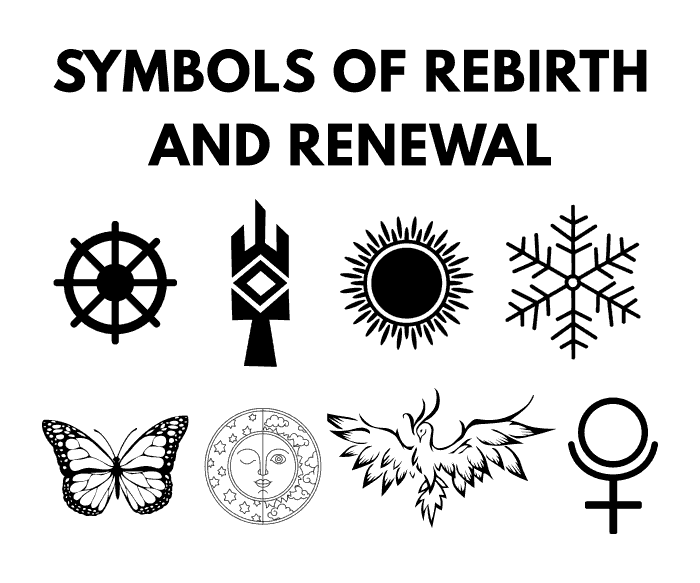
The phoenix, a mythical bird consumed by fire only to rise anew from its ashes, is perhaps the most potent symbol of rebirth, resilience, and renewal. In branding, this symbolizes a powerful comeback, a strategic pivot after a setback, or a radical reinvention. Brands that have faced significant challenges—whether a public relations crisis, a market downturn, or the need to completely overhaul an outdated business model—can leverage the phoenix narrative. It’s about more than just recovery; it’s about emerging stronger, wiser, and more aligned with future demands. A brand rebranding after bankruptcy, or a tech company pivoting after a failed product launch, might subtly (or overtly, if appropriate) evoke the phoenix to signal a triumphant new chapter and a fundamental change in direction, promising a better future built from past lessons.
The Butterfly: Metamorphosis and Evolution
The metamorphosis of a caterpillar into a butterfly is a beautiful and universally recognized symbol of growth, delicate transformation, and emerging beauty. This symbol is particularly apt for brands that are undergoing a gradual, elegant evolution rather than a dramatic rebirth. It suggests a process of refinement, a shedding of the old to reveal a more sophisticated and evolved form. Brands that are expanding their service offerings, maturing their aesthetic, or refining their core values often resonate with the butterfly’s journey. It speaks to an organic, natural progression rather than an abrupt shift, assuring audiences that while the brand is changing, it is doing so gracefully and purposefully, unfolding new capabilities and a more refined identity.
The Ripple Effect: Impact and Expansion
A single pebble dropped into water creates ripples that expand outwards, illustrating the far-reaching impact of a single action or idea. This “ripple effect” symbolizes influence, expansion, and the cascading consequences of innovation or a new direction. For brands, it can represent the impact of a new product that sets a trend, a social initiative that inspires widespread action, or a market strategy that redefines an industry. The ripple effect communicates that a brand’s change is not isolated but has broader implications, suggesting growth beyond immediate boundaries and a commitment to creating wider value. It’s a powerful symbol for brands that aim to lead, to influence culture, or to demonstrate their expanding reach and positive externalities.
The Ouroboros: Cyclical Nature and Continuous Improvement
The Ouroboros, an ancient symbol depicting a serpent or dragon eating its own tail, represents cycles, self-reflection, eternal return, and continuous recreation. In a brand context, this symbolizes continuous improvement, sustainability, and a commitment to iterative development. It speaks to brands that are constantly learning, refining, and reinventing themselves within a core framework, or those focused on circular economies and sustainable practices where resources are continually regenerated. This symbol assures stakeholders of a brand’s long-term vision and its dedication to an ongoing process of optimization and renewal, rather than a one-off change. It suggests a living, breathing entity that is perpetually evolving while maintaining its essence.
Crafting Brand Narratives Around Change
Symbolism is most potent when integrated into a compelling narrative. How a brand tells its story of change is as critical as the change itself.
Storytelling as a Catalyst for Change Perception
Brands must become master storytellers when communicating change. This isn’t just about announcing a new logo; it’s about explaining the “why” behind the evolution. A powerful narrative can contextualize the change, articulate the vision, and bring stakeholders—customers, employees, investors—along on the journey. It answers questions like: “Why now?” “What problem are we solving?” “How will this benefit you?” By framing change within an engaging story, brands can mitigate fear of the unknown, build anticipation, and solidify a renewed sense of purpose. Whether it’s a founder’s vision for a new direction or the collective journey of a company responding to market shifts, the narrative transforms abstract change into a relatable and inspiring human experience.
Visual Cues and Design Language
Beyond explicit storytelling, visual cues are paramount in symbolizing change. A new logo, an updated color palette, a fresh typography, or a refined aesthetic can instantly communicate a brand’s evolution. These visual elements are often the first touchpoint consumers have with a changed brand. Subtle shifts might indicate refinement and growth, while bolder, more dramatic alterations can signal a complete transformation. The key is consistency and intentionality: every visual element should reinforce the new direction and resonate with the desired perception of change. For instance, moving from a rigid, corporate font to a more fluid, approachable one can symbolize a brand becoming more customer-centric or innovative.
Messaging and Tone
The verbal communication surrounding a brand’s evolution must be carefully calibrated. The messaging should be clear, concise, and communicate the benefits of the change. Transparency is crucial, especially when the change is significant or might be disruptive to existing customers. The tone should be confident and forward-looking, but also empathetic, acknowledging any potential anxieties or nostalgia associated with the old identity. Authentic communication builds trust and helps manage expectations, ensuring that the symbolic representation of change is supported by consistent and coherent messaging across all channels.
Leading with Change: Personal Branding and Corporate Identity
The principles of symbolizing change apply equally to individuals navigating their professional paths and to established corporations undertaking monumental transformations.
Personal Branding: Signifying Growth and Pivot
For individuals, personal branding is an ongoing exercise in evolution. A career pivot, the acquisition of new skills, or a shift in professional focus necessitates a deliberate effort to symbolize this growth. This might involve updating LinkedIn profiles, refreshing a professional portfolio, or even crafting a new personal statement that clearly articulates the new direction. The symbols here are often subtle: a new tagline, a redesigned personal website, or even the topics one chooses to engage with on social media. Effectively communicating a personal brand shift ensures that one’s professional identity remains current, relevant, and aligned with future aspirations, attracting opportunities that resonate with the evolved self.
Corporate Identity: The Art of Rebranding
Rebranding is the ultimate corporate manifestation of symbolizing change. It’s a complex and often expensive undertaking, justified only when a brand’s existing identity no longer accurately reflects its values, mission, market position, or strategic direction. A rebrand might be triggered by a merger, a major strategic pivot, a desire to appeal to a new demographic, or simply the need to shed an outdated image. The process involves a complete overhaul of visual identity, messaging, and sometimes even the brand name. The art lies in managing this massive shift: retaining equity from the past while signaling a bold, confident leap into the future. Successful rebrands utilize powerful symbolism to communicate a renewed promise, reinvigorating employee morale and captivating target audiences, while simultaneously reassuring existing customers of continuity in core values.

The Pitfalls and Power of Signifying Change
While symbolizing change is vital for brand vitality, it comes with inherent risks. A poorly executed change, or one communicated without sufficient foresight, can alienate existing loyal customers who feel disconnected from the brand they once knew. It can lead to confusion, skepticism, and even a loss of trust. The challenge lies in striking a delicate balance: honoring a brand’s heritage and established equity while boldly moving forward.
However, when change is thoughtfully conceived, strategically symbolized, and artfully communicated, its power is immense. It can re-energize a brand, open new markets, attract fresh talent, and forge deeper connections with an evolving consumer base. It transforms a brand from a static entity into a dynamic, living concept, constantly adapting, growing, and reflecting the spirit of progress that defines our modern world. In essence, the brands that master the art of symbolizing change are those that not only survive but thrive, continually reinventing their relevance and securing their place in the hearts and minds of their audience.
aViewFromTheCave is a participant in the Amazon Services LLC Associates Program, an affiliate advertising program designed to provide a means for sites to earn advertising fees by advertising and linking to Amazon.com. Amazon, the Amazon logo, AmazonSupply, and the AmazonSupply logo are trademarks of Amazon.com, Inc. or its affiliates. As an Amazon Associate we earn affiliate commissions from qualifying purchases.