
The intricate biological process of hair growth, often perceived through the lens of aesthetic outcome, is fundamentally governed by a sophisticated cyclical mechanism. While human biology has dictated these phases for millennia, contemporary technological advancements are providing unprecedented insights into each stage, fundamentally reshaping our understanding and intervention strategies. Far from a mere biological curiosity, the precise identification and manipulation of the hair growth cycle, particularly its shorter phases, has become a frontier for biotech innovation, AI-driven diagnostics, and sophisticated dermatological tools.
Understanding the Hair Growth Cycle Through a Technological Lens
The journey of each hair strand is a meticulously orchestrated biological event, cycling through growth, regression, and resting phases. Traditionally, this understanding was confined to microscopic observation and empirical data. Today, however, cutting-edge technologies are dissecting these stages with granular precision, offering new pathways for diagnosis, treatment, and optimization of hair health.
The Anagen, Catagen, and Telogen Stages Reimagined by Tech
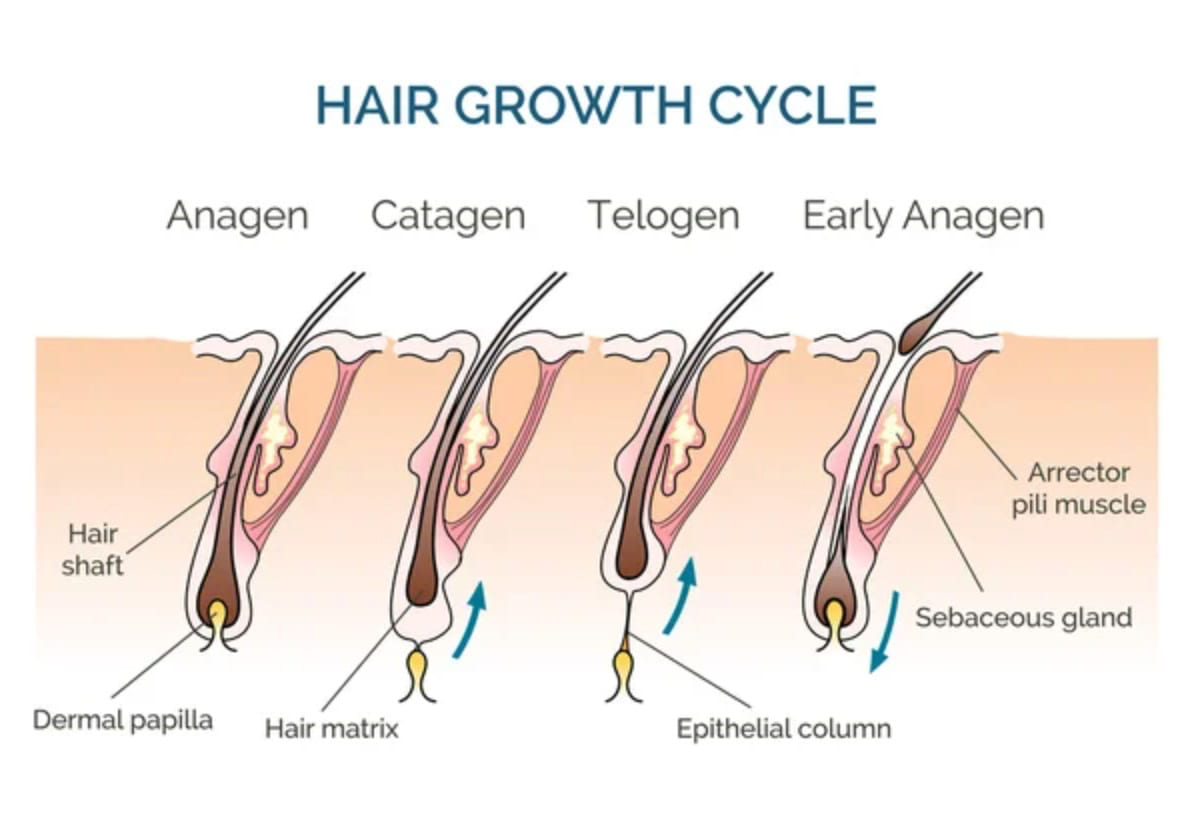
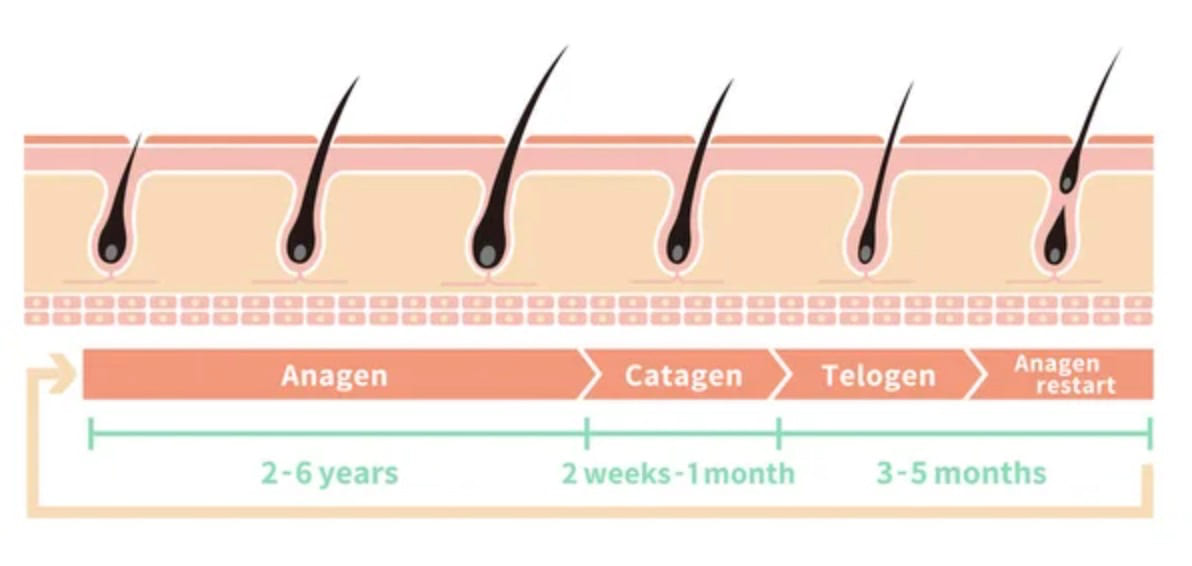
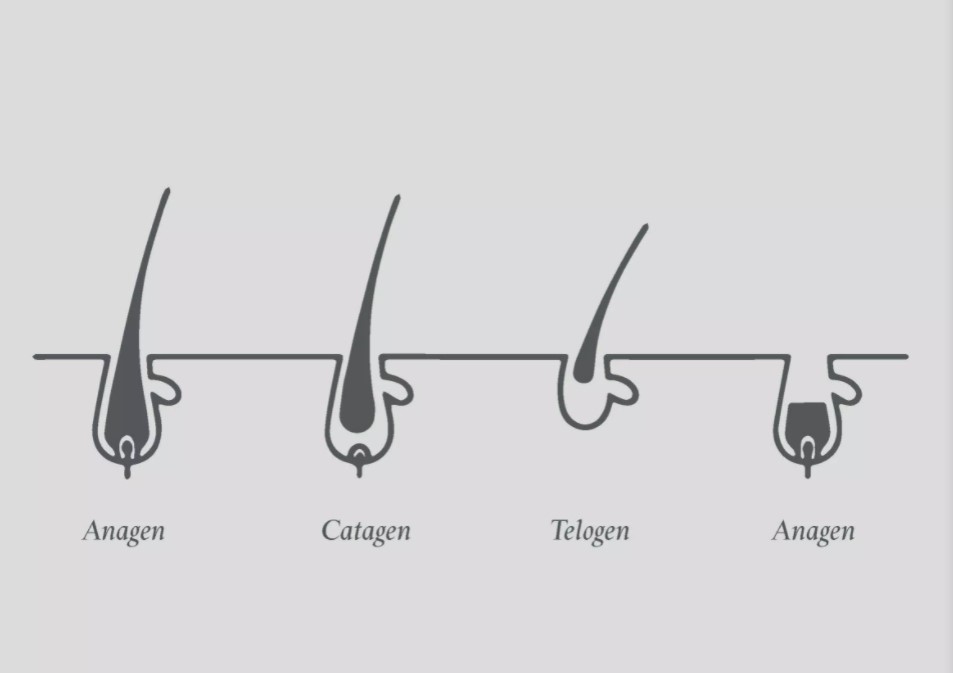
The hair growth cycle comprises three primary stages: Anagen (growth), Catagen (transition), and Telogen (resting). The Anagen phase is the longest, lasting anywhere from two to seven years, during which hair follicles actively produce hair. Following this is the Catagen phase, a brief transitional period lasting approximately two to three weeks, where hair growth ceases and the follicle shrinks. Finally, the Telogen phase, lasting around two to four months, sees the hair follicle at rest, eventually leading to the shedding of the old hair and the beginning of a new Anagen phase.
It is the Catagen phase that typically stands out as the shortest active stage, a critical juncture where the follicle prepares for dormancy. However, the Telogen phase, while longer in duration, is characterized by a complete cessation of growth. Technologies like advanced trichoscopy and high-resolution imaging now allow dermatologists and researchers to visualize these transitions in real-time, analyzing follicle morphology, capillary density, and cell activity at an unparalleled level of detail. Software-driven analyses can track individual follicle behavior across these stages, generating statistical models that predict hair density and identify anomalies indicative of various conditions. This digital scrutiny transforms what was once a generalized biological concept into a quantifiable, dynamic process amenable to precise intervention.
Digital Diagnostics and Microscopic Analysis
The revolution in hair cycle analysis begins with diagnostic tools. Digital trichoscopes, equipped with high-magnification lenses and integrated software, provide non-invasive, objective data on hair and scalp conditions. These devices capture images and videos that can be stored, compared over time, and analyzed by algorithms to assess parameters such as hair shaft diameter, hair density per square centimeter, and the precise ratio of hairs in Anagen versus Telogen phases.
Beyond surface-level observation, advanced microscopic techniques, including confocal microscopy and electron microscopy, are being employed in research settings to study the cellular and molecular events occurring within follicles during each stage. These technologies reveal the intricate signaling pathways and cellular apoptosis that define the Catagen phase, for instance, offering targets for pharmaceutical and biotechnological interventions. The data generated from these high-tech diagnostics feeds into vast databases, which are then processed by machine learning algorithms to identify subtle patterns and biomarkers that might predict the onset of hair loss or evaluate the efficacy of treatments with unprecedented accuracy. This digital capture and algorithmic interpretation far surpass traditional visual assessments, enabling truly personalized hair care strategies.
AI and Predictive Analytics in Hair Biology
The deluge of data from advanced diagnostics has paved the way for artificial intelligence and machine learning to become indispensable tools in understanding and managing hair growth cycles. AI’s ability to process complex datasets and identify hidden correlations is transforming both research and clinical practice.
AI-Powered Research into Genetic Predispositions
One of the most profound applications of AI lies in deciphering the genetic underpinnings of hair growth and loss. By analyzing vast genomic datasets alongside phenotypic data (like hair density, texture, and growth patterns), AI algorithms can identify specific genetic markers or polygenic risk scores associated with conditions such as androgenetic alopecia or telogen effluvium. This allows researchers to pinpoint individuals at higher risk of developing certain hair conditions long before symptoms manifest.
Furthermore, AI is being used to model the interaction between genetic predispositions and environmental factors, such as diet, stress, and hormonal fluctuations, which can significantly impact the duration of the hair growth phases. Understanding these complex interactions is crucial for developing targeted preventive strategies and personalized therapeutic interventions that can extend the Anagen phase or mitigate premature entry into the Catagen or Telogen stages. This predictive power allows for proactive management rather than reactive treatment.
Personalized Treatment Algorithms for Hair Health
Beyond research, AI is revolutionizing personalized hair health. Diagnostic platforms powered by AI can analyze an individual’s unique hair and scalp data—including photographic evidence, trichoscopy images, genetic information, and lifestyle factors—to generate highly tailored treatment recommendations. These algorithms can predict which treatments are most likely to be effective for a given individual, optimizing dosage, frequency, and combination therapies.
For instance, an AI might analyze a patient’s hair density, the percentage of follicles in the Telogen phase, and their specific genetic markers to recommend a particular blend of topical treatments, oral supplements, or even suggest specific light therapy regimens. The continuous feedback loop of patient response data then refines these algorithms, making them increasingly accurate over time. This shifts the paradigm from a one-size-fits-all approach to a dynamic, data-driven strategy where individual biological nuances dictate the course of action.
Biotech Innovations Targeting Hair Cycle Optimization
The insights gained from digital diagnostics and AI are fueling a new wave of biotechnology innovations aimed directly at manipulating and optimizing the hair growth cycle. These advancements move beyond superficial treatments, delving into cellular and molecular mechanisms.
Gene Editing and Cellular Therapies for Hair Follicles
The precision of modern gene editing technologies, such as CRISPR-Cas9, offers the tantalizing prospect of correcting genetic defects that predispose individuals to hair loss or short Anagen phases. While still largely in the research phase, scientists are exploring how to edit genes within hair follicle stem cells to promote robust hair growth or prevent premature follicular senescence. This could involve enhancing the expression of growth-promoting factors or silencing genes that trigger early Catagen entry.
Complementary to gene editing, cellular therapies involve culturing and transplanting specific types of cells to rejuvenate dormant follicles or create new ones. Stem cell therapies, for example, aim to use multipotent stem cells to stimulate hair growth in areas of thinning or baldness. These therapies are not just about adding hair but about reactivating and normalizing the intrinsic hair growth cycle at a fundamental cellular level, effectively lengthening the Anagen phase and delaying the onset of the shorter Catagen and Telogen stages.
Advanced Drug Delivery Systems and Nanotechnology
Even conventional hair growth medications are being reinvented through advanced delivery systems. Nanotechnology, in particular, is enabling the development of formulations that can deliver active pharmaceutical ingredients directly to the hair follicle, bypassing systemic absorption and minimizing side effects. Nanoparticles can encapsulate drugs, protecting them from degradation and ensuring their targeted release within the scalp.
Microneedling devices, often used in conjunction with topical solutions, create micro-channels in the scalp, enhancing the penetration of therapeutic agents. These devices can now be smart, featuring adjustable needle depths and even integrated sensors to optimize treatment delivery based on real-time skin parameters. These technologies ensure that treatments targeting specific phases of the hair growth cycle, such as those designed to prolong the Anagen phase, reach their intended biological targets with maximum efficacy.
Wearable Tech and Smart Devices for Hair Care
The integration of technology into everyday life extends to personal health, with wearable devices and smart gadgets now playing a role in monitoring and influencing hair health. These tools empower individuals to take a more active role in their hair care regimens.
Tracking Hair Health with Integrated Sensors
Wearable devices are emerging that can track various biometric data points relevant to hair health. While not yet as common as fitness trackers, prototypes include smart combs that analyze hair breakage and texture, or scalp patches that monitor scalp moisture, pH levels, and even subtle inflammatory markers. These sensors collect continuous data, allowing users and their dermatologists to identify trends, react to environmental stressors, and correlate changes in hair health with lifestyle factors.
The goal is to provide a comprehensive, longitudinal view of an individual’s hair health profile. For example, a smart device could alert a user if their scalp moisture levels drop significantly, potentially indicating a risk factor for dry, brittle hair or an aggravated scalp condition that could prematurely shorten the Anagen phase. This data can then be integrated into personal health apps, creating a holistic dashboard for managing hair care.
App-Controlled Treatments and Regimens
The rise of smart devices often goes hand-in-hand with sophisticated mobile applications. Many advanced hair care gadgets, such as laser therapy helmets or LED light therapy devices, are now app-controlled. These apps allow users to customize treatment protocols, schedule sessions, and track their progress over time. The apps often integrate with AI platforms, providing personalized recommendations based on the user’s data and treatment response.
For instance, an app might guide a user through a personalized light therapy regimen, adjusting intensity and duration based on their specific hair loss pattern and previous responses. These intelligent interfaces transform passive treatments into interactive, data-driven experiences, optimizing the efficacy of treatments designed to stabilize or extend the critical hair growth phases.
The Future of Hair Growth Cycles: A Synthesis of Science and Software
The rapid convergence of advanced biology, artificial intelligence, and sophisticated engineering is propelling hair science into an era of unprecedented understanding and control. The days of generic shampoos and speculative remedies are giving way to precision medicine, where every hair follicle’s journey is mapped, analyzed, and potentially optimized.
Bridging the Gap Between Biological Research and Consumer Solutions
The ultimate promise of this technological revolution is the seamless translation of complex biological discoveries into accessible, effective consumer solutions. Research conducted with high-throughput screening, AI-driven drug discovery, and detailed genetic analysis is no longer confined to academic journals. Instead, insights into factors that shorten the hair growth cycle are being rapidly translated into smarter products, personalized regimens, and targeted therapies.
This means future consumers will have access to products and services that leverage their unique genetic profile and real-time hair health data to prevent hair loss, stimulate growth, and maintain optimal hair vitality. The shortest hair growth cycle—the Catagen phase—becomes a prime target for interventions designed to extend the active growth period, delaying the inevitable transition to resting and shedding. This fusion of scientific rigor and technological ingenuity marks a new frontier, transforming how we perceive, understand, and ultimately manage the perennial challenge of hair health.
aViewFromTheCave is a participant in the Amazon Services LLC Associates Program, an affiliate advertising program designed to provide a means for sites to earn advertising fees by advertising and linking to Amazon.com. Amazon, the Amazon logo, AmazonSupply, and the AmazonSupply logo are trademarks of Amazon.com, Inc. or its affiliates. As an Amazon Associate we earn affiliate commissions from qualifying purchases.