
Protecting Your Primary Asset: The Financial Imperative of Home Fire Safety
For most individuals, a home represents their largest financial asset and a significant portion of their net worth. Protecting this investment is paramount to a sound personal finance strategy. While homeowners insurance provides a crucial safety net, proactive measures, such as acquiring the right fire extinguishers, are vital for mitigating immediate damage and reducing the long-term financial repercussions of a fire. The question of “what size fire extinguisher for home” is fundamentally a question of risk management and asset protection, directly impacting your financial well-being.

The Cost of Complacency: Understanding Fire’s Financial Impact
Fires are devastating, not only in terms of personal safety but also financially. The costs extend far beyond the immediate damage to property. There are expenses related to temporary housing, relocation, deductible payments, lost irreplaceable items, and the often-overlooked emotional and time costs associated with rebuilding and recovery. Even a small, contained fire can lead to smoke damage, water damage from firefighting efforts, and the need for professional remediation, all of which chip away at your financial reserves and the value of your property.
A strategically placed and appropriately sized fire extinguisher can mean the difference between a minor incident and a catastrophic loss. By empowering you to address small fires before they escalate, you can potentially save tens of thousands, if not hundreds of thousands, of dollars in repair, replacement, and deductible costs. This immediate intervention capability is a direct investment in preserving your wealth and avoiding significant financial setbacks. From a personal finance perspective, a fire extinguisher isn’t merely a safety tool; it’s a critical component of your home’s financial defense mechanism.
Insurance and Extinguishers: A Proactive Financial Stance
While homeowners insurance is non-negotiable for asset protection, it’s designed to respond after a loss has occurred. A fire extinguisher, on the other hand, is a tool for preventing or minimizing that loss. Savvy financial planning recognizes the value of risk reduction over relying solely on risk transfer (insurance). By having effective fire suppression on hand, you demonstrate a proactive stance that can indirectly benefit your insurance profile.
Though most insurers don’t offer direct discounts for owning fire extinguishers, preventing a claim by extinguishing a fire yourself is immensely valuable. Each claim filed can potentially impact future premiums or even your insurability. Avoiding a major claim through early intervention helps maintain a favorable claims history, which is a significant factor in long-term insurance costs. Furthermore, in the event of a fire, documenting your proactive safety measures, including the presence and proper maintenance of extinguishers, can streamline the claims process, potentially leading to quicker resolution and minimizing financial stress during an already difficult time.
Decoding Fire Extinguisher Ratings: A Financial Risk Management Perspective
Choosing the correct fire extinguisher size and type is not a one-size-fits-all proposition. It involves understanding the various types of fires you might encounter in a home setting and selecting equipment that provides the most cost-effective and efficient suppression for those risks. The ratings system helps homeowners make informed financial decisions about which investment yields the best protective return for their specific environment.
ABC Ratings: Covering Common Home Fire Risks Economically
Fire extinguishers are categorized by the types of fires they are effective against. For home use, an ABC-rated extinguisher is the most financially prudent choice. This single type addresses the three most common classes of household fires:
- Class A: Fires involving ordinary combustible materials like wood, paper, cloth, and plastics (e.g., curtains, furniture).
- Class B: Fires involving flammable liquids and gases like grease, oil, paint, gasoline, and propane (e.g., cooking fires, garage chemical spills).
- Class C: Fires involving energized electrical equipment (e.g., faulty wiring, overloaded outlets, appliances).
By investing in an ABC-rated extinguisher, homeowners efficiently cover the vast majority of potential fire risks with a single, versatile tool. This eliminates the need for multiple specialized extinguishers, simplifying purchasing decisions and optimizing your budget for fire safety. From a financial perspective, it’s about maximizing utility and coverage for your investment.
Sizing Up Your Defense: Capacity vs. Cost-Effectiveness
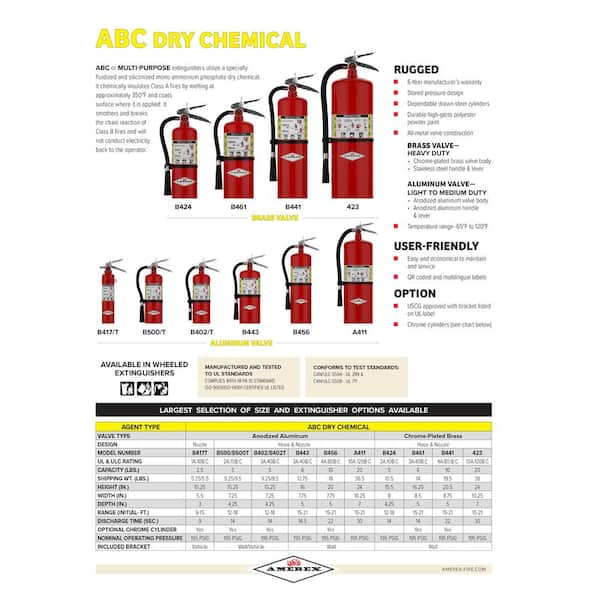
The “size” of an extinguisher refers to its extinguishing capacity and the amount of extinguishing agent it contains, typically measured in pounds. While a larger extinguisher offers more extinguishing power and a longer discharge time, it also comes with a higher purchase price and can be heavier and more difficult for some individuals to wield effectively. The goal is to strike a balance between adequate protection and practical application, ensuring your investment is both effective and accessible.
For general home use, portable ABC extinguishers commonly range from 2.5 lbs to 10 lbs.
- 2.5 lb – 5 lb extinguishers: These are suitable for smaller, isolated areas like a kitchen or garage where a quick response to a contained fire is anticipated. They are relatively inexpensive, lightweight, and easy to maneuver. Financially, they represent a low-cost entry point for basic fire suppression.
- 5 lb – 10 lb extinguishers: These are often recommended for more general coverage, especially for larger homes or areas with higher fire risk (e.g., utility rooms, workshops). A 10 lb unit provides substantially more agent than a 2.5 lb unit, offering a longer discharge time and greater confidence in tackling a growing fire. While the initial investment is higher, the increased capacity can be seen as a premium on asset protection, potentially preventing a small fire from becoming a larger, costlier event. For a central location in the home, a 5-10 lb extinguisher offers a robust financial hedge against wider damage.
The choice between a smaller, more numerous distribution of extinguishers or fewer, larger units often comes down to budget, home layout, and the physical capabilities of occupants. A strategic combination – perhaps a 5 lb unit in the kitchen and garage, and a 10 lb unit near the main living area – could offer comprehensive coverage, optimizing your financial outlay across different risk profiles within your home.
Strategic Placement and Maintenance: Maximizing Your Investment
Acquiring the right fire extinguishers is only the first step. To truly maximize the financial return on this investment, proper placement and diligent maintenance are crucial. An extinguisher that is inaccessible or inoperable during an emergency is a wasted financial outlay and leaves your assets vulnerable.
Zoned Protection: Optimizing Coverage for High-Risk Areas
Strategically placing fire extinguishers is about creating “zones of protection” within your home, ensuring that a suitable extinguisher is always within reach of potential fire hazards. This approach ensures rapid response, which is key to minimizing damage and associated financial losses.
High-priority areas for extinguisher placement include:
- Kitchen: The most common site for home fires, often involving grease or electrical appliances. A 5 lb ABC extinguisher is often recommended here, placed near an exit but not directly above the stove where it might be inaccessible during a cooking fire.
- Garage/Workshop: Areas prone to fires involving flammable liquids (gasoline, paint), wood, and electrical tools. A 5-10 lb ABC extinguisher is appropriate here, given the potentially more substantial fuel loads.
- Utility Room/Basement: Where furnaces, water heaters, electrical panels, and laundry appliances reside. A 5-10 lb ABC extinguisher can protect against electrical fires and general combustibles.
- Main Living Areas: Consider a 5-10 lb ABC extinguisher for general protection, perhaps near a common gathering space or a central hallway, making it accessible from multiple rooms.
Thinking about placement as a financial strategy means ensuring that the investment made in the extinguishers is never compromised by poor accessibility. A well-placed extinguisher means a faster response, leading to less damage, smaller insurance claims, and ultimately, a more secure financial future for your home.
The Lifecycle Cost: Maintenance as an Ongoing Financial Commitment
A fire extinguisher is a tool that sits idle most of its life, but must perform perfectly in a crisis. Regular maintenance is not just a safety recommendation; it’s a critical aspect of preserving your initial investment and ensuring its financial utility. The “lifecycle cost” of an extinguisher includes not just the purchase price but also the cost of ensuring it remains operational.
Key maintenance practices include:
- Monthly Visual Inspection: Check the pressure gauge (if applicable) to ensure it’s in the green zone, verify the pin is intact, and confirm there are no signs of damage or blockage. This takes minutes but ensures your investment is always ready.
- Annual Professional Inspection: While not always mandatory for home extinguishers, a professional check ensures internal components are sound and the extinguisher is still viable. For rechargeable units, this is essential.
- Replacement: Disposable extinguishers typically have a lifespan of 10-12 years. Rechargeable units require servicing after each use and periodic hydrostatic testing. Keeping track of expiry dates and ensuring timely replacement or servicing prevents you from having a non-functional unit when it’s needed most – which would render your initial investment worthless in a crisis.
Failing to maintain an extinguisher is akin to allowing an insurance policy to lapse; it leaves your financial assets exposed. Regular checks and timely replacements are minor ongoing financial commitments that safeguard a much larger potential loss, thereby significantly enhancing the long-term financial return on your initial fire safety investment.
Beyond the Purchase: Financial Benefits of Preparedness
The financial benefits of choosing the right fire extinguisher for your home extend far beyond merely mitigating direct property damage. Preparedness impacts your financial health through reduced restoration costs, potential insurance implications, and the invaluable, though intangible, asset of peace of mind.
Mitigating Damage and Reducing Restoration Costs
The primary financial advantage of an effective fire extinguisher is its ability to suppress a small fire before it grows out of control. Even minor fire incidents can lead to substantial restoration costs. Smoke and soot can permeate walls, furniture, and HVAC systems, requiring specialized cleaning and deodorizing. Water damage from firefighting efforts can lead to mold growth, structural issues, and the need for extensive repairs.
By quickly extinguishing a fire, you drastically limit the scope of damage. This means:
- Lower Repair Bills: Fewer items need replacement or extensive repair.
- Reduced Remediation Expenses: Less smoke, soot, and water damage translates to smaller cleanup and restoration invoices.
- Faster Recovery: Your home can return to normal sooner, minimizing disruption to your life and potential costs associated with displacement.
Each averted escalation of a fire directly translates into saved money, protecting your equity and ensuring that your financial resources are not diverted to unexpected and costly home repairs. This proactive financial defense helps maintain the value of your property and keeps your personal finances on track.

Peace of Mind: An Undervalued Financial Asset
While difficult to quantify in monetary terms, the peace of mind that comes from knowing you’ve taken proactive steps to protect your family and your most significant asset is an invaluable financial benefit. Stress, anxiety, and the psychological toll of a fire can have cascading effects on your productivity, decision-making, and overall financial health.
Knowing that you have appropriate fire extinguishers strategically placed throughout your home provides a tangible sense of security. It minimizes the constant background worry about a potential fire and the catastrophic financial repercussions it would entail. This emotional resilience and reduced stress contribute to a healthier financial mindset, allowing you to focus on growth and long-term planning rather than being perpetually concerned about preventable disasters. In essence, the investment in proper fire extinguishers buys not just physical protection but also psychological capital, which is a foundational element of enduring financial well-being.
aViewFromTheCave is a participant in the Amazon Services LLC Associates Program, an affiliate advertising program designed to provide a means for sites to earn advertising fees by advertising and linking to Amazon.com. Amazon, the Amazon logo, AmazonSupply, and the AmazonSupply logo are trademarks of Amazon.com, Inc. or its affiliates. As an Amazon Associate we earn affiliate commissions from qualifying purchases.