
The Financial Imperative of Optimal Crate Sizing for Your Labrador
Bringing a Labrador Retriever into your home is a significant financial commitment, encompassing everything from food and veterinary care to training and supplies. Among these essentials, the dog crate often represents an overlooked opportunity for astute financial management. Choosing the correct crate size for your Labrador from the outset is not merely a matter of comfort or training efficacy; it is a critical financial decision that can prevent costly mistakes, protect your assets, and ultimately enhance your overall household budget.
Avoiding Costly Mistakes in Pet Ownership: The immediate financial impact of an incorrect crate purchase is tangible. An improperly sized crate often necessitates a return, which can incur restocking fees, shipping costs, or the inconvenience of transportation. Worse, if the initial purchase is simply abandoned, it represents entirely wasted capital. Many owners find themselves needing to purchase a second, correctly sized crate shortly after, effectively doubling their expenditure. Strategic buyers recognize that a single, well-researched purchase saves money, time, and reduces unnecessary transactional friction.
The Investment in Behavioral Well-being and Property Protection: A properly sized crate is the cornerstone of effective, humane crate training. This training, when successful, is a direct investment in your property’s preservation. A well-trained Labrador, comfortable and secure in its appropriately sized den, is far less likely to engage in destructive behaviors such as chewing furniture, scratching doors, or having indoor accidents. Consider the average cost of repairing chewed baseboards, replacing stained carpets, or reupholstering damaged furniture – these can quickly dwarf the initial cost of even a premium crate. Thus, the crate acts as an insurance policy for your home furnishings, delivering substantial savings on potential repair and replacement costs.
Forecasting Growth: A Smart Allocation of Funds: Labradors grow remarkably quickly from playful puppies to powerful adults. For owners acquiring a puppy, the choice between a small puppy-sized crate and an adult-sized crate with a divider panel presents a crucial financial inflection point. While a small crate might seem cheaper initially, it will quickly be outgrown, demanding another purchase. A single, adaptable crate equipped with a divider panel allows you to adjust the internal space as your Labrador grows, making it a significantly more economical long-term solution. This foresight optimizes your capital expenditure, ensuring that your initial investment scales with your pet’s needs rather than becoming obsolete.
Decoding Dimensions: Maximizing Value Per Square Inch
Understanding the precise dimensions required for a Labrador is key to maximizing the financial value and functional utility of your crate. This isn’t just about providing space; it’s about providing just enough space for optimal training and comfort, avoiding both the hidden costs of too little or too much room.
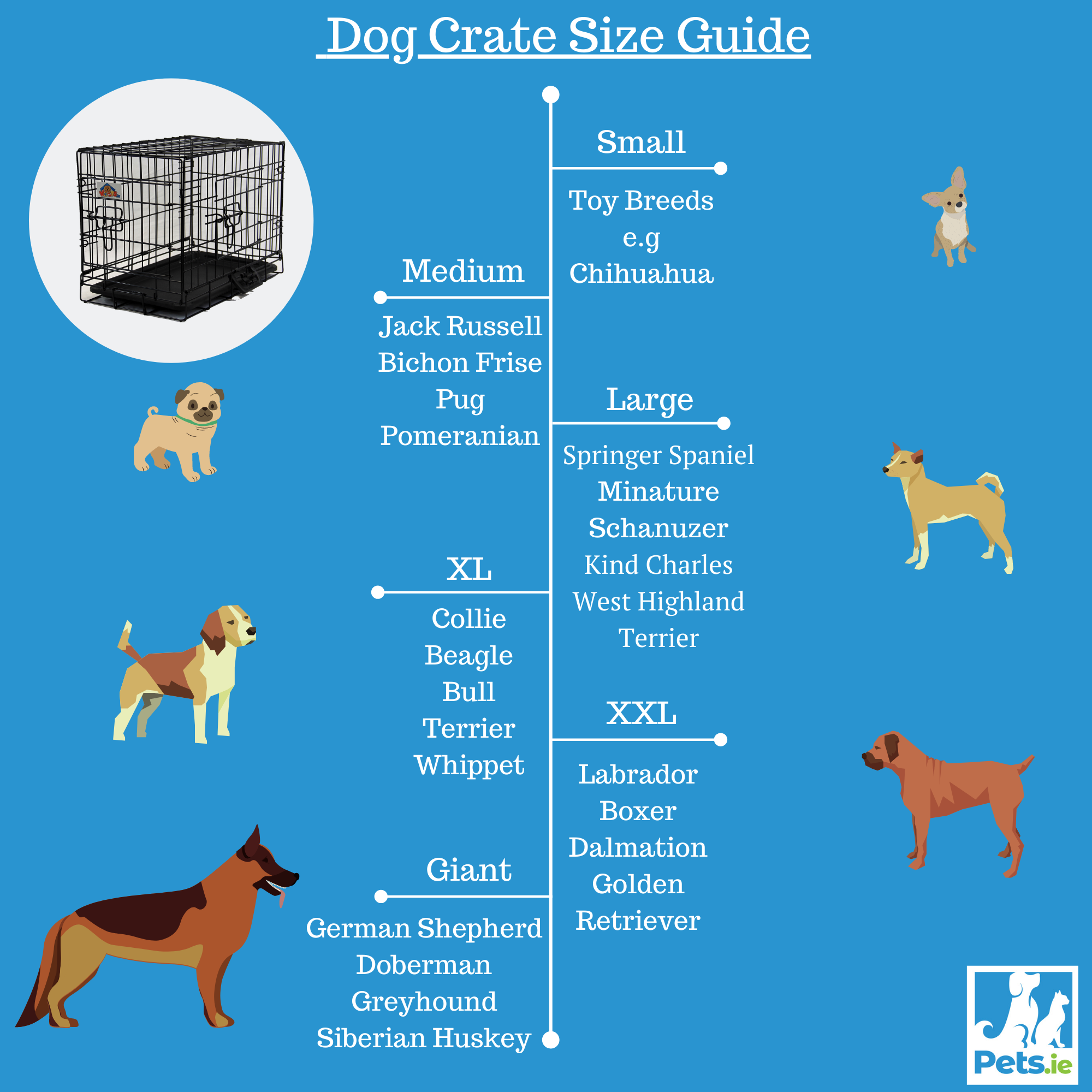
Standard Dimensions and the “Just Enough” Principle: For an adult Labrador Retriever, which typically weighs between 55-80 pounds and stands 21.5-24.5 inches tall at the shoulder, a crate between 42 to 48 inches long is generally recommended. The “just enough” principle dictates that the dog should be able to stand up without hunching, turn around comfortably, and lie down fully stretched out. This optimal sizing is not arbitrary; it’s a carefully balanced financial and behavioral strategy. A crate that is too large, particularly for a puppy, provides ample room for them to designate a separate “potty area” away from their sleeping space. This negates the primary financial benefit of crate training – teaching bladder control and preventing indoor accidents, which otherwise incur cleaning expenses and potential damage.
The Hidden Costs of Insufficient Space: A crate that is too small for a Labrador can have several costly repercussions. Physiologically, it can cause discomfort, leading to stress, anxiety, and attempts to escape. Such escape attempts can not only damage the crate itself, requiring premature replacement, but also injure your dog, potentially leading to unforeseen veterinary bills. Behaviorally, a cramped space inhibits successful potty training because the dog is forced to soil its sleeping area, undermining one of the core principles of crate training. This can lead to prolonged house-soiling issues within the home, escalating cleaning costs and further damage to property. The ultimate financial outcome is often the unavoidable purchase of a larger crate, making the initial inadequate investment a sunk cost.
Overspending on Excessive Space: A Suboptimal Return: While a larger crate might seem more luxurious, an oversized crate for a puppy is a suboptimal financial allocation. As noted, it allows puppies to separate their sleeping and elimination areas, hindering the natural instinct to keep their den clean. This can prolong the house-training process, leading to more indoor accidents and the associated cleaning expenses for carpets and floors. Furthermore, an excessively large crate occupies more floor space in your home, which, depending on your living situation, could be seen as an inefficient use of valuable square footage. The additional material and shipping costs for a crate larger than necessary, especially when its benefits are nullified by its size for a growing puppy, represent an inefficient deployment of household funds.
Strategic Investment in Crate Features and Durability
Beyond the fundamental dimensions, the features and material quality of a dog crate represent distinct investment decisions that can impact both short-term expenditure and long-term financial outcomes. Smart buyers look beyond the sticker price to evaluate the total cost of ownership and the return on investment.
The Value of Adaptability: Divider Panels as a Smart Spend: For those starting with a Labrador puppy, a large adult-sized crate equipped with a robust divider panel is arguably the most financially astute choice. This feature, which often adds a minimal amount to the initial purchase price, eliminates the need to buy multiple crates as your dog grows. You can progressively expand the internal space, ensuring the crate remains “just right” throughout various developmental stages. This single-crate solution significantly reduces the overall capital outlay compared to purchasing a sequence of crates (e.g., puppy, juvenile, adult sizes). It’s a prime example of how a small, upfront investment in adaptability yields substantial long-term savings.

Durability vs. Discount: A Cost-Benefit Analysis: The market offers crates ranging from flimsy, low-cost options to heavy-duty, premium models. A critical financial analysis reveals that the cheapest option is often a false economy. Flimsy crates are prone to bending, breaking, or having components fail, especially with a strong and active breed like a Labrador. This leads to premature replacement costs, effectively costing more in the long run. Investing in a higher-quality crate—featuring heavy-gauge wire, reinforced plastic, or sturdy construction—provides superior durability. Such crates withstand years of use, maintain their structural integrity, and often come with better warranties. This ensures that your initial investment lasts, avoiding the repeated expense of purchasing replacements and offering better potential for resale should it no longer be needed.
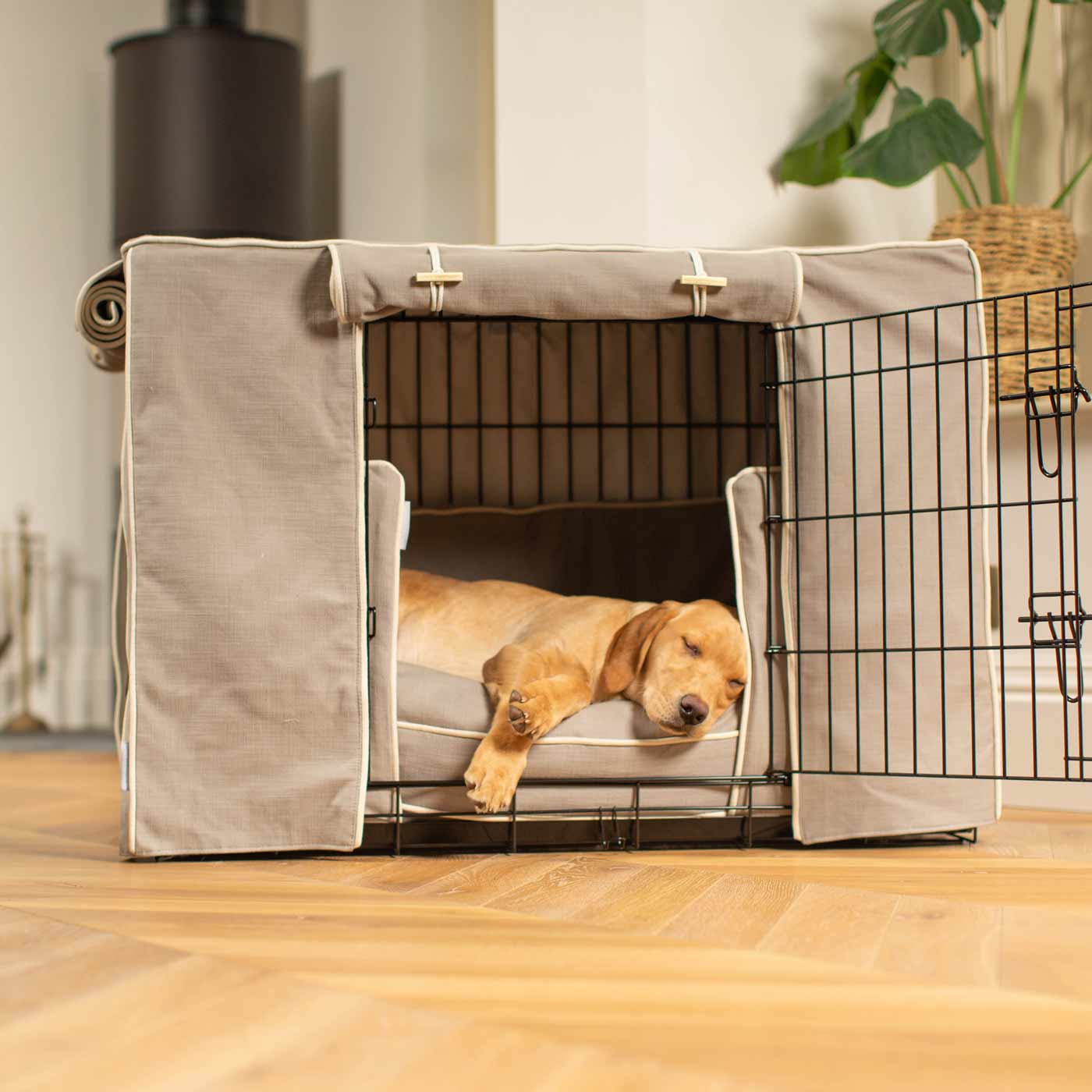
Enhancing Investment with Accessories: While the crate itself is the primary investment, judicious spending on accessories can significantly enhance its value and contribute to financial savings. A comfortable, durable crate bed not only provides comfort but also protects the crate tray from wear and tear, extending the crate’s lifespan. An easy-to-clean bed also saves money on cleaning supplies or replacement costs for soiled bedding. Similarly, a high-quality crate cover, which creates a den-like, secure environment, aids in training success and reduces anxiety. A well-adjusted dog that settles easily in its crate is less likely to engage in stress-induced destructive behaviors, thereby safeguarding your home furnishings and reducing potential behavioral modification costs. These accessories are not mere add-ons; they are strategic investments that maximize the utility and longevity of your primary crate purchase.
Long-Term Financial Gains from a Properly Sized Crate
The financial benefits of a correctly sized dog crate extend far beyond the initial purchase and immediate savings. They permeate various aspects of pet ownership, contributing to a more economically stable and predictable household budget over the Labrador’s lifespan.
Mitigating Veterinary Expenses: A well-adjusted dog, one that feels secure and comfortable in its appropriately sized crate, is often less prone to anxiety-related behavioral issues. Chronic stress or anxiety can manifest in physical symptoms that require costly veterinary intervention or specialized behavioral therapy. By providing a safe, den-like space from an early age, owners invest in their Labrador’s psychological well-being, potentially reducing the incidence of stress-related ailments and their associated veterinary bills. This proactive approach to health and wellness is a prudent financial strategy.
Preserving Home Equity and Personal Property: This is perhaps one of the most significant, yet often underestimated, long-term financial benefits. A Labrador puppy’s natural inclination to chew and explore with its mouth can lead to substantial damage to furniture, carpets, shoes, and even structural elements of your home. Effective crate training, facilitated by a correctly sized enclosure, teaches appropriate boundaries and provides a safe place for the puppy during times of supervision absence. This directly translates into savings on repairs, replacements, and professional cleaning services, thereby preserving the value of your personal property and, by extension, your home’s equity. The crate acts as a vigilant guardian of your assets.
Optimizing Time and Reducing Training Overheads: Time is a valuable, non-renewable resource, and in the context of pet ownership, time spent on problem correction is time not spent elsewhere. Efficient and effective crate training, streamlined by the right-sized enclosure, drastically reduces the time and effort required for house-training, managing destructive behaviors, and establishing a predictable routine. Less time spent cleaning up accidents or managing misbehavior means more time available for work, leisure, or other productive pursuits. From a financial perspective, this efficiency contributes to an overall reduction in the indirect costs of pet ownership.
Resale Value and Sustainable Pet Ownership: Investing in a high-quality, durable crate that is properly maintained offers an additional financial advantage: strong resale value. Should your Labrador outgrow its need for a crate, or if circumstances change, a well-preserved crate can be resold for a significant portion of its original purchase price. This not only recoups some of your initial investment but also promotes sustainable pet ownership by allowing others to utilize a valuable piece of equipment. This contrasts sharply with flimsy, ill-fitting crates that quickly lose their value or become unusable.
Budgeting and Smart Procurement for Your Labrador’s Crate
The final phase of a financially savvy crate purchase involves meticulous budgeting and strategic procurement. This ensures that the investment aligns with your financial capabilities while securing the best possible value.
Integrating Crate Costs into Your Pet Ownership Budget: When planning for a Labrador, it’s imperative to include the crate as a non-negotiable, essential expenditure in your overall pet budget. Do not view it as an optional luxury but rather as a foundational piece of equipment that safeguards your investment in the dog itself and your home. Prioritizing this upfront cost prevents future financial emergencies stemming from behavioral issues or property damage. Viewing it as an investment, rather than merely an expense, fundamentally shifts the purchasing perspective toward long-term gains.
Strategic Shopping: Timing and Value Exploration: Prudent buyers engage in strategic shopping. This involves researching various brands, comparing prices across reputable retailers, and understanding the value proposition each offers. Look for sales, discounts, and bundle deals, particularly around holidays or seasonal clearances, to maximize savings without compromising quality. Consider reputable second-hand options from trusted sources; however, always prioritize proper sanitization and inspection to ensure the crate’s integrity and hygiene, balancing the cost savings against potential health risks or hidden wear.
The Total Cost of Ownership Beyond the Sticker Price: The initial price tag of the crate is only part of the equation. Smart budgeting accounts for the total cost of ownership, which includes necessary accessories such as a durable, comfortable crate bed, a secure crate cover, and appropriate chew toys to redirect destructive behaviors. Factor these into your budget from the outset. Choosing durable, high-quality accessories prevents the need for frequent replacements, offering further long-term savings. An inferior bed that quickly tears, for instance, will require another purchase sooner, erasing any initial perceived saving.
Avoiding “Penny Wise, Pound Foolish” Decisions: Ultimately, the axiom “penny wise, pound foolish” applies directly to dog crate selection. Skimping on the correct size or compromising on quality to save a few dollars upfront can, and often does, lead to significantly greater financial costs down the line. These costs manifest through behavioral problems requiring professional intervention, extensive property damage, veterinary bills for stress-related ailments, or the inevitable expense of replacing a substandard crate. Prioritizing the correct size and reasonable quality from the initial purchase is not just about a dog crate; it is a sound, foundational financial strategy for responsible and economically efficient pet ownership.
aViewFromTheCave is a participant in the Amazon Services LLC Associates Program, an affiliate advertising program designed to provide a means for sites to earn advertising fees by advertising and linking to Amazon.com. Amazon, the Amazon logo, AmazonSupply, and the AmazonSupply logo are trademarks of Amazon.com, Inc. or its affiliates. As an Amazon Associate we earn affiliate commissions from qualifying purchases.