
Optimizing the performance of a soccer ball is a multifaceted endeavor, deeply rooted in material science, fluid dynamics, and precision engineering. While often perceived as a simple inflatable sphere, a soccer ball is a sophisticated piece of sports technology whose performance characteristics are profoundly influenced by its internal air pressure, measured in pounds per square inch (PSI). Understanding and precisely calibrating this pressure is critical for unlocking its designed capabilities, affecting everything from player touch to trajectory and durability.
The Precision Engineering of Ball Pressure
The internal pressure of a soccer ball is not merely an arbitrary figure; it is a critical specification determined by complex engineering principles and material interactions. The ball’s construction, from its innermost bladder to its outermost casing, is designed to perform optimally within a specific PSI range, influencing its elasticity, shape retention, and energy transfer properties.

Internal Bladder Technology and Air Retention
At the core of every soccer ball lies the bladder, a crucial component responsible for containing air and maintaining pressure. Modern bladders are typically constructed from either butyl rubber or latex. Butyl bladders are celebrated for their superior air retention, often maintaining pressure for weeks without significant loss, a testament to their low permeability. This characteristic is a direct result of the molecular structure of butyl rubber, which features tightly packed polymer chains that impede the diffusion of air molecules. Conversely, latex bladders, while offering a softer touch and more responsive rebound due to their higher elasticity, are more porous and lose air more rapidly. The technological trade-off here is between consistent, low-maintenance pressure retention (butyl) and enhanced tactile feedback and responsiveness (latex). Advanced manufacturing processes, including molecular bonding and multi-layer construction, are continuously evolving to minimize air leakage across both material types, integrating anti-puncture technologies and self-sealing agents to extend bladder lifespan and pressure stability.
Material Science of the Casing and Panel Construction
The external casing, comprising multiple panels and layers, plays an equally vital role in pressure dynamics and overall ball performance. Panels are typically constructed from synthetic leathers, such as polyurethane (PU) or polyvinyl chloride (PVC), often reinforced with underlying layers of polyester or cotton. The method of panel attachment—stitched, thermo-bonded, or hybrid—significantly impacts the ball’s structural integrity, aerodynamic profile, and elasticity. Thermo-bonded balls, for instance, utilize heat and pressure to fuse panels, creating a seamless surface that minimizes water absorption and offers a more consistent trajectory. This technology also contributes to better pressure distribution across the ball’s surface, as there are no thread lines to create weak points or inconsistencies. The elasticity and tensile strength of these casing materials are engineered to withstand the internal PSI, ensuring the ball maintains its spherical shape under dynamic forces while providing the desired rebound and feel. Micro-texturing and surface treatments on the casing further enhance aerodynamic stability and grip, a direct interface between the ball’s internal pressure and its interaction with the environment and player.
Kinetic Transfer and Rebound Dynamics
The PSI directly dictates the ball’s stiffness and, consequently, its kinetic energy transfer properties and rebound dynamics. A properly inflated ball (within its specified PSI range) exhibits an optimal balance of deformation upon impact and elastic recoil. When a ball is struck, its surface momentarily deforms, absorbing kinetic energy from the foot. The internal air pressure then drives the rapid return to its original spherical shape, converting stored potential energy back into kinetic energy for rebound and flight. If the PSI is too low, the ball becomes overly soft, deforming excessively upon impact. This results in greater energy absorption, less efficient kinetic transfer, and a “dead” feel, reducing both shot power and distance. Conversely, if the PSI is too high, the ball becomes excessively rigid. While this might initially seem to promise greater power, it reduces the surface area contact with the foot, leading to less effective energy transfer, a “bouncy” and difficult-to-control feel, and an increased risk of structural damage to the ball or player discomfort. The optimal PSI ensures that the ball’s structural integrity works in harmony with its internal pressure to deliver consistent, predictable, and powerful performance.
Optimizing Performance Through Pressure Calibration
Precision in PSI calibration is not merely about adhering to a number; it’s about fine-tuning a piece of equipment to achieve peak performance across various facets of the game. The subtle adjustments in pressure can drastically alter the ball’s behavior, influencing a player’s interaction and the ball’s trajectory in flight.
Impact on Player Touch and Ball Control
The PSI significantly influences a player’s first touch and overall ball control. A ball inflated to its recommended pressure offers a predictable and responsive rebound, allowing players to accurately judge its trajectory and speed. With optimal pressure, the ball provides a “sweet spot” of firmness, allowing for a controlled give upon impact that facilitates absorption of energy and precise redirection. If the pressure is too low, the ball feels sluggish and soft, making it challenging to control quick passes or execute intricate dribbling maneuvers, as it tends to “stick” to the foot or deform unpredictably. Conversely, an over-inflated ball becomes too hard and bouncy, making it prone to ricocheting off the foot in an uncontrolled manner. This hardness reduces the ‘cushioning’ effect, requiring players to exert more force and precision to trap or control it, often leading to errors in possession. The subtle tactile feedback generated by correctly pressurized air is integral to a player’s muscle memory and ability to execute complex technical skills.
Trajectory and Aerodynamics in Flight
The internal pressure plays a crucial role in the ball’s flight characteristics and aerodynamic performance. A ball with optimal PSI maintains its spherical integrity, which is essential for consistent aerodynamics. As it travels through the air, its shape directly affects air resistance and lift. An under-inflated ball can slightly deform during flight due to internal pressure imbalances, leading to unpredictable swerves and dips. This deformation can disrupt the laminar airflow over its surface, creating turbulent zones that alter its intended trajectory. An over-inflated ball, while maintaining a rigid sphere, might exhibit excessive bounciness which, when struck forcefully, can lead to a less stable flight path due to reduced contact time with the striking surface and potentially increased rotational speed that destabilizes its flight. The ideal PSI ensures that the ball maintains its perfectly round shape, allowing the carefully engineered panel configuration and surface textures to effectively interact with the air, resulting in predictable flight paths, consistent swerve, and controlled long passes. The precise balance of stiffness from optimal pressure contributes to minimizing energy loss during flight, allowing the ball to travel further and more accurately.
Power Generation and Shot Velocity

The relationship between PSI and the ball’s capacity for power generation and shot velocity is direct and measurable. When a player strikes a ball, the kinetic energy from their foot is transferred to the ball. A correctly inflated ball maximizes this energy transfer. Upon impact, the ball compresses slightly, storing energy like a spring, and then rapidly deforms back, releasing that stored energy to propel it forward. This elastic recoil is most efficient at the recommended PSI. An under-inflated ball absorbs too much energy, deforming excessively and dissipating a significant portion of the kinetic energy as heat and non-propulsive deformation. This results in a noticeable reduction in shot velocity and distance. Conversely, an over-inflated ball offers minimal deformation, leading to a hard, unyielding surface that can cause energy to be reflected back into the player’s foot rather than efficiently transferred to the ball. While a harder ball might feel like it should go faster, the reduced contact time and less efficient energy absorption/recoil mechanism often lead to less powerful, less accurate shots and increased discomfort for the player. Achieving the precise PSI ensures that the ball acts as an optimal medium for kinetic energy transfer, translating player effort into maximum shot velocity and power without compromising control.
Digital and Analog Tools for PSI Management
Accurate and consistent pressure management for a soccer ball requires more than just a pump; it demands precise measurement and an understanding of how external factors influence internal pressure. Modern technology offers a range of tools to achieve this, from basic analog gauges to advanced digital systems.
Accuracy and Resolution in Pressure Gauges
The fundamental tool for PSI management is the pressure gauge. Analog gauges, while widely available and cost-effective, offer varying levels of accuracy. They rely on mechanical mechanisms (like Bourdon tubes or diaphragms) to measure pressure and display it on a dial. Their primary drawback is often their resolution and potential for parallax error, making precise readings challenging. Digital pressure gauges, on the other hand, leverage electronic sensors to provide highly accurate and precise readings, typically displayed on an LCD screen. These devices often offer measurement in multiple units (PSI, BAR, kPa) and can detect subtle pressure changes with much finer resolution. Some advanced digital gauges feature backlighting for low-light conditions and memory functions to recall previous readings. For serious athletes, coaches, or equipment managers, the investment in a high-quality digital gauge is justified by the consistency and precision it provides, eliminating guesswork and ensuring balls are always within optimal specifications.
Advanced Pumping Systems and Smart Features
Beyond simple hand pumps, technological advancements have introduced sophisticated pumping systems that streamline PSI management. Electric air compressors equipped with pressure regulators and auto-shutoff features can inflate balls to a precise PSI without over-inflation, greatly enhancing efficiency, especially when managing multiple balls. Some modern pumps integrate smart technology, connecting via Bluetooth to mobile applications. These apps can track inflation history, provide reminders, and even suggest optimal PSI ranges based on environmental conditions or ball type. Furthermore, some high-end pumps incorporate built-in digital gauges for real-time feedback during inflation. The integration of such features transforms the once-manual task of ball inflation into a data-driven process, ensuring consistency across an entire set of equipment and reducing the time and effort required for preparation.
Mitigating Environmental Variables
Ball pressure is highly susceptible to environmental variables, primarily temperature. According to the ideal gas law, as temperature increases, the kinetic energy of air molecules inside the ball increases, leading to higher pressure, assuming volume remains constant. Conversely, a drop in temperature will reduce internal pressure. Altitude can also play a minor role, with lower atmospheric pressure at higher altitudes potentially causing a slight increase in internal ball pressure relative to the external environment. Therefore, consistent PSI management requires accounting for these variables. If a ball is inflated indoors at room temperature and then taken to an outdoor field on a hot day, its PSI will likely increase. Conversely, a ball inflated outdoors on a cold day and then brought inside may read lower. Professional teams and discerning players often utilize temperature-compensated pressure charts or re-check ball pressure at game-time temperature to ensure optimal calibration, employing their precision gauges to make necessary micro-adjustments.
Adherence to Technical Specifications and Standards
The pursuit of optimal PSI is not solely about performance; it’s also about adherence to established technical specifications and standards set by governing bodies and manufacturers. These guidelines are rooted in extensive research and technological development, ensuring fair play, player safety, and product longevity.
FIFA Quality Programme Standards
The Fédération Internationale de Football Association (FIFA) maintains a stringent Quality Programme, which sets benchmarks for soccer ball performance and safety. Balls seeking the “FIFA Quality” or “FIFA Quality Pro” mark must undergo a battery of tests, including those related to circumference, roundness, water absorption, weight, rebound, and pressure retention. For the rebound test, for instance, balls are dropped from a specific height onto a steel plate, and their bounce height is measured, directly influenced by PSI. The pressure retention test specifically evaluates how well a ball maintains its initial inflation over a period, often 72 hours, with specific allowable drops in PSI. These technical standards define acceptable ranges for various ball parameters, including recommended PSI, ensuring that balls used in professional competition meet a uniform high standard of technological performance. Adherence to these standards guarantees that players worldwide are competing with equipment that performs predictably and consistently, promoting fair competition and reliable technological output.
Manufacturer-Specific PSI Recommendations
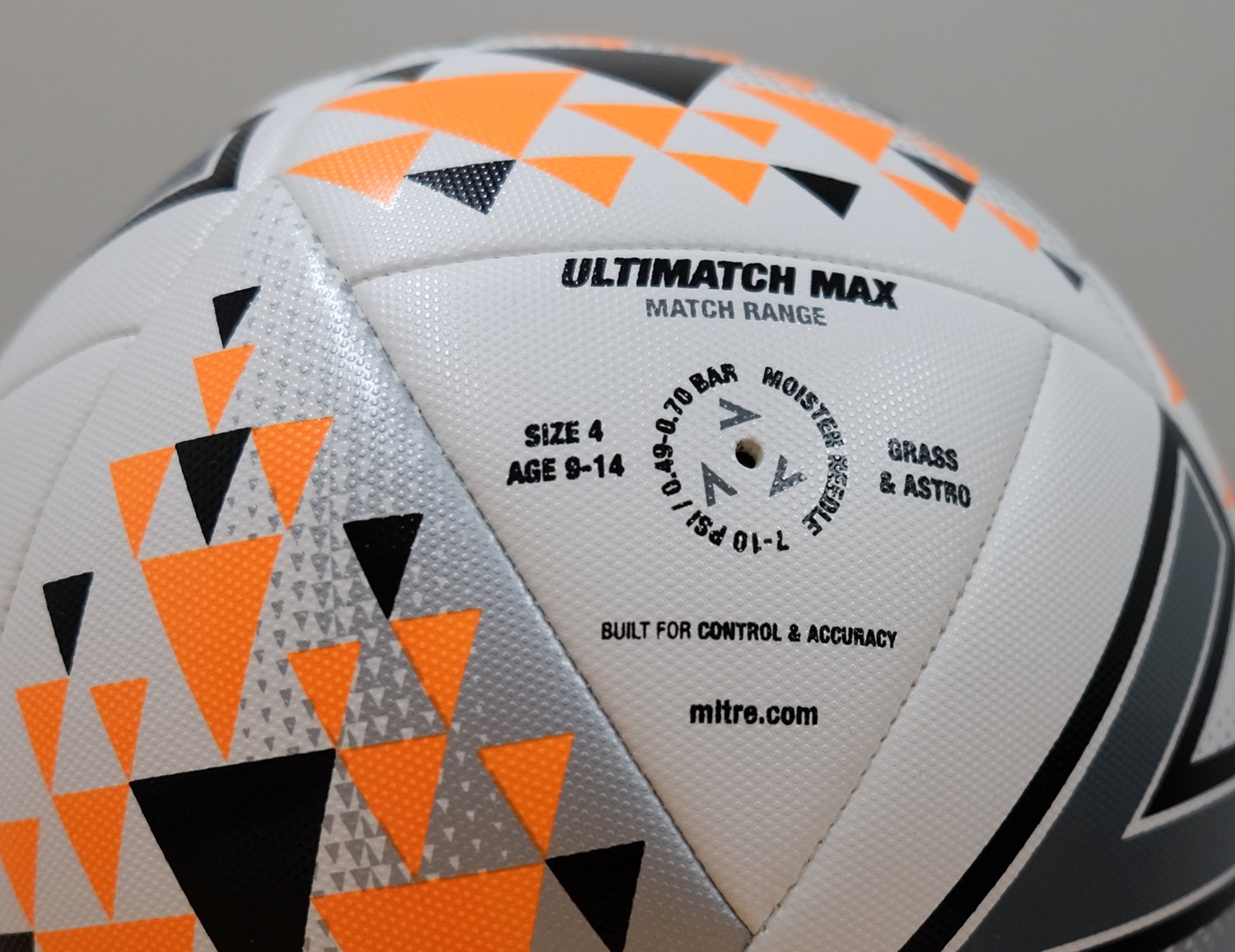
Beyond FIFA’s broad guidelines, individual ball manufacturers provide precise PSI recommendations for their specific models. These recommendations are the culmination of extensive research and development, accounting for the unique material compositions, bladder technologies, panel constructions, and bonding methods employed in each ball. For example, a ball featuring a highly elastic latex bladder might have a slightly different optimal PSI range than one with a robust butyl bladder, even if both are designed for top-tier play. Manufacturers also consider the intended use (e.g., match ball, training ball, futsal ball) and target player demographic. These specified ranges, typically printed near the valve, are not arbitrary figures but are engineered parameters designed to maximize the ball’s intended characteristics—be it a softer touch for youth players, maximum power for professional strikers, or enhanced durability for rigorous training sessions. Ignoring these manufacturer-specific guidelines means operating the equipment outside its optimal design parameters, potentially compromising performance and shortening the ball’s lifespan.
The Role of Ball Technology in Compliance
Modern soccer ball technology is continuously evolving, pushing the boundaries of material science and manufacturing processes. Innovations like thermo-bonded panels, advanced synthetic covers with micro-textures, and high-performance bladders are all designed to meet, and often exceed, the stringent performance criteria. These technological advancements ensure that balls not only comply with regulatory standards but also offer superior attributes in terms of feel, flight, and durability. For instance, the development of sophisticated air retention systems directly addresses the FIFA pressure retention test. Similarly, improvements in casing materials and panel construction directly impact the rebound and roundness tests. The integration of smart technology into balls, such as embedded chips for data tracking in training or competition, further extends the technological dimension, providing granular data on impact forces, spin, and velocity, all of which are intrinsically linked to the ball’s inflation pressure. Thus, understanding “what psi should a soccer ball be” is not just about following a rule; it’s about appreciating the deep technological effort that goes into crafting a piece of equipment designed for peak athletic performance within a framework of rigorous technical compliance.
aViewFromTheCave is a participant in the Amazon Services LLC Associates Program, an affiliate advertising program designed to provide a means for sites to earn advertising fees by advertising and linking to Amazon.com. Amazon, the Amazon logo, AmazonSupply, and the AmazonSupply logo are trademarks of Amazon.com, Inc. or its affiliates. As an Amazon Associate we earn affiliate commissions from qualifying purchases.