
Pursuing a criminology major represents a significant investment in one’s future, an academic path that intertwines deeply with personal finance, career planning, and the broader economic landscape. Far from being a purely theoretical pursuit, a criminology degree equips individuals with analytical skills and specialized knowledge highly valued in sectors concerned with security, policy, and economic stability. Understanding the financial implications, career return on investment (ROI), and potential earnings associated with this major is crucial for prospective students making informed educational and financial decisions.
The Financial Investment in a Criminology Degree
Choosing to major in criminology involves a substantial financial commitment, primarily in tuition fees, living expenses, and educational materials. This decision should be viewed as an investment in human capital, with the expectation of future returns in the form of stable employment, competitive salaries, and career advancement. Evaluating this investment requires a clear understanding of the costs involved and the potential financial aid available.
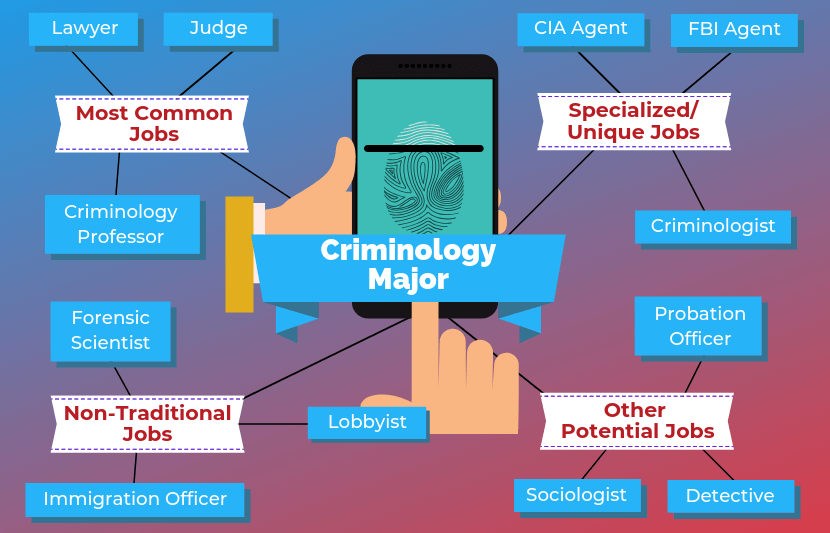
Weighing Tuition Costs Against Career Prospects
The cost of a criminology degree varies significantly based on the institution, whether it’s a public or private university, and the level of study (undergraduate or graduate). Prospective students must meticulously research tuition rates, mandatory fees, and the estimated cost of living in their chosen university’s location. This immediate financial outlay needs to be balanced against the long-term career prospects and earning potential associated with the degree. A comprehensive cost-benefit analysis should consider not just the sticker price but also the median salaries for entry-level and experienced professionals in criminology-related fields. For instance, investing in a program with strong industry connections and high graduate employment rates might justify a higher initial cost compared to a cheaper program with less robust career support. The objective is to identify a program that offers a strong educational foundation without incurring an unsustainable level of student debt, ensuring a positive financial outlook post-graduation.
Scholarship and Financial Aid Opportunities for Aspiring Criminologists
Mitigating the financial burden of a criminology major is often possible through various forms of financial aid. Scholarships, grants, and bursaries specifically targeted at students pursuing criminal justice, sociology, or related fields can significantly reduce out-of-pocket expenses. Many universities offer institution-specific scholarships based on academic merit, financial need, or demographic criteria. Furthermore, external organizations, professional associations in law enforcement or corrections, and government bodies often provide funding for students committed to public service or specific areas of research within criminology. Federal and state financial aid programs, including student loans with favorable interest rates and repayment options, also play a vital role. Proactive research and application for these financial resources are essential steps in managing the investment in a criminology education, allowing students to focus on their studies rather than excessive financial stress.
Career Paths and Earning Potential in Criminology
A criminology major opens doors to a diverse array of career paths, each with distinct earning potentials and opportunities for financial growth. Graduates find roles in both the public and private sectors, applying their knowledge to address crime, maintain security, and develop effective policy. Understanding these varied avenues is key to projecting financial stability and career progression.
Public Sector Roles: Law Enforcement, Corrections, and Government Agencies
The public sector represents a significant employer for criminology graduates. Roles in law enforcement, such as police officers, detectives, or federal agents (e.g., FBI, DEA), offer competitive salaries, comprehensive benefits packages, and robust pension plans, providing long-term financial security. Careers in corrections, including correctional officers, probation officers, or parole officers, also provide stable employment and opportunities for advancement, with salaries often increasing with experience and specialization. Beyond frontline roles, government agencies at local, state, and federal levels employ criminologists in policy analysis, research, and program development. These positions, often requiring strong analytical and communication skills, can lead to influential roles with substantial earning potential as individuals climb the career ladder and contribute to evidence-based policy making aimed at reducing societal costs of crime.
Private Sector Opportunities: Corporate Security, Investigations, and Consulting
The private sector offers increasingly lucrative opportunities for criminology majors. Businesses, particularly those susceptible to fraud, theft, or data breaches, actively seek professionals with an understanding of criminal behavior and security protocols. Corporate security specialists, loss prevention managers, and forensic analysts are in high demand, helping companies protect their assets and ensure operational continuity. Private investigation firms also hire criminologists for their analytical prowess in conducting background checks, tracking down evidence, and understanding complex criminal dynamics. Furthermore, the burgeoning field of risk management and security consulting provides avenues for experienced criminologists to advise corporations, non-profits, and high-net-worth individuals on mitigating security threats. These private sector roles often command higher starting salaries than some public sector counterparts and offer significant potential for income growth, especially for those who develop specialized expertise in areas like cybersecurity crime, financial fraud, or intellectual property theft.
The Entrepreneurial Criminologist: Starting Your Own Firm
For those with an entrepreneurial spirit, a criminology major can serve as a foundation for establishing independent businesses. Graduates can leverage their expertise to start private investigation agencies, security consulting firms, or even specialized data analysis services focused on crime trends and prevention. For example, a criminologist with strong data skills might establish a firm that provides predictive policing insights to local governments or develops sophisticated fraud detection algorithms for financial institutions. The financial rewards in entrepreneurship can be substantial, limited only by market demand, business acumen, and the ability to scale operations. However, this path also involves higher financial risk, requiring careful business planning, initial capital investment, and a deep understanding of market needs. Success in this area often hinges on identifying niche markets, building a strong professional network, and demonstrating a clear return on investment for clients seeking specialized criminological expertise.

Criminology’s Impact on Economic Stability and Financial Security
Beyond individual career paths, the field of criminology has a profound, albeit often indirect, impact on broader economic stability and financial security. By understanding the causes and consequences of crime, criminologists contribute to strategies that reduce economic losses associated with criminal activity, enhance public safety, and inform policies that safeguard financial systems.
Understanding the Economic Costs of Crime
Crime imposes substantial economic costs on society, encompassing direct losses from theft and fraud, expenses for law enforcement and the justice system, healthcare costs for victims, and productivity losses. Criminologists play a critical role in quantifying these costs, providing data-driven insights that inform budget allocations and policy decisions. For instance, research into the economic impact of cybercrime helps governments and businesses understand the scale of financial threat and prioritize investments in digital security. By analyzing crime patterns and trends, criminologists help identify high-risk areas or populations, allowing for targeted interventions that can prevent financial losses before they occur. This proactive approach to understanding crime’s economic footprint is invaluable for fostering a more financially secure society.
Fraud Prevention and Financial Crime Analysis
A significant area where criminology directly contributes to financial security is in the prevention and analysis of fraud and other financial crimes. Criminology majors learn about the motivations, methods, and psychological profiles of offenders involved in financial scams, identity theft, money laundering, and corporate malfeasance. This knowledge is crucial for roles in financial institutions, regulatory bodies, and government agencies dedicated to combating economic crime. Professionals with a criminology background can develop robust fraud detection systems, implement effective compliance protocols, and conduct forensic investigations that recover stolen assets. Their expertise helps safeguard individual savings, protect corporate profits, and maintain the integrity of the financial system, thereby directly enhancing economic stability for millions.
Policy Development for Financial Resilience
Criminological research frequently informs the development of public policy aimed at increasing financial resilience and reducing vulnerabilities to crime. Policies regarding consumer protection, victim compensation, rehabilitation programs, and community safety initiatives all draw upon criminological principles. For example, understanding the socioeconomic factors that contribute to recidivism allows for the creation of programs that reduce repeat offending, which in turn lowers the ongoing costs associated with crime and incarceration. Similarly, insights into financial literacy and predatory lending practices can lead to policies that protect vulnerable populations from financial exploitation. By contributing to evidence-based policy making, criminologists help build more secure and prosperous communities, where both individuals and businesses can thrive with greater financial confidence.
Maximizing Your Return on Investment (ROI) in Criminology
To fully capitalize on the investment in a criminology major, students and graduates must strategically plan their educational and career trajectories. Maximizing ROI involves more than just securing a job; it means continuously enhancing skills, expanding networks, and adapting to emerging trends within the field.
The Value of Specializations and Advanced Degrees
While a bachelor’s degree in criminology provides a strong foundation, specializing in a particular area or pursuing an advanced degree can significantly boost earning potential and career mobility. Specializations might include forensic psychology, cybercrime, victimology, criminal profiling, or homeland security. These niche areas often command higher salaries due to the specialized knowledge and skills required. A master’s degree (MA/MS) or a doctorate (Ph.D./JD) can open doors to research roles, university-level teaching positions, senior policy analysis roles, or executive leadership positions in law enforcement or security firms, all of which typically offer substantially higher compensation and greater influence. The initial investment in an advanced degree often yields a significant long-term financial return through increased earning capacity and access to more prestigious, high-paying roles.
Networking and Professional Development
Building a robust professional network is paramount for career success and maximizing the financial return on a criminology degree. Attending conferences, joining professional organizations (e.g., American Society of Criminology, Academy of Criminal Justice Sciences), and actively engaging with faculty and alumni can lead to mentorship opportunities, job referrals, and collaborative projects. Continuous professional development, through workshops, certifications (e.g., Certified Fraud Examiner, Certified Protection Professional), and ongoing training, ensures that one’s skills remain relevant and competitive. Investing time and effort in these activities not only enhances employability but also creates pathways to higher-paying positions and entrepreneurial ventures. A strong network can also provide access to crucial insights regarding salary trends, emerging job markets, and opportunities for professional growth that might not be publicly advertised.

Future Trends in Criminology and Emerging Financial Opportunities
The field of criminology is dynamic, constantly evolving with technological advancements and societal changes. Staying abreast of future trends is essential for identifying emerging financial opportunities. For instance, the rise of big data analytics has created a demand for criminologists skilled in data science, capable of interpreting large datasets to predict crime patterns or detect financial fraud. The increasing sophistication of cybercrime necessitates experts in digital forensics and cybersecurity policy. Furthermore, the growing focus on restorative justice and evidence-based interventions opens up new roles in program evaluation and policy development. By anticipating these shifts and acquiring relevant skills, criminology graduates can position themselves at the forefront of the profession, securing roles that are not only intellectually stimulating but also financially rewarding in an ever-changing global landscape.
aViewFromTheCave is a participant in the Amazon Services LLC Associates Program, an affiliate advertising program designed to provide a means for sites to earn advertising fees by advertising and linking to Amazon.com. Amazon, the Amazon logo, AmazonSupply, and the AmazonSupply logo are trademarks of Amazon.com, Inc. or its affiliates. As an Amazon Associate we earn affiliate commissions from qualifying purchases.