
The phrase “sleeping through the night” for a baby evokes images of peaceful slumber for both infants and their parents. While often discussed in terms of child development and parental well-being, its financial ramifications are profound, impacting household budgets, career trajectories, and long-term financial stability. From a purely economic standpoint, a baby sleeping through the night signifies not just a developmental milestone, but a crucial shift in a household’s financial landscape, potentially reducing hidden costs and enabling greater earning capacity and savings.
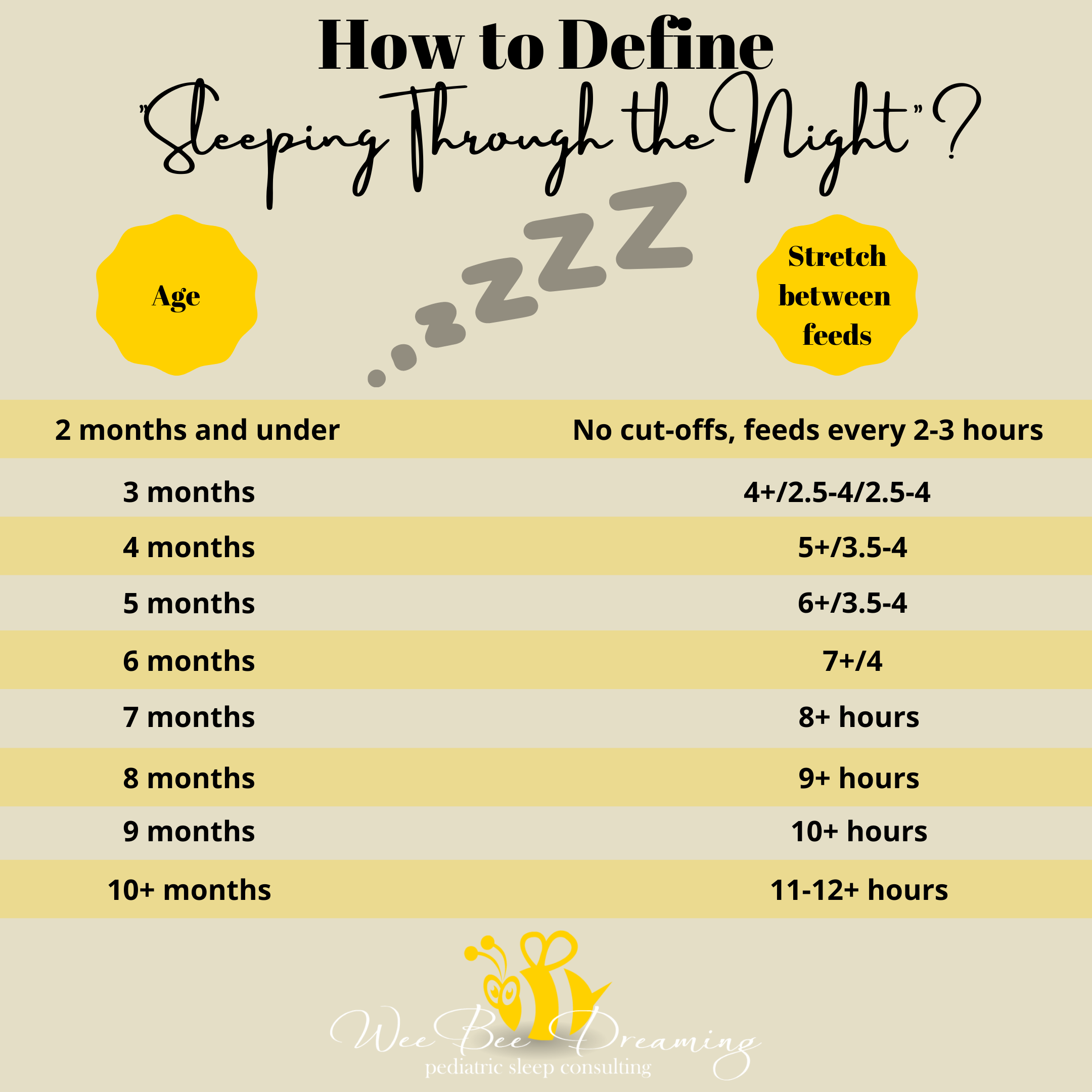
Typically, “sleeping through the night” is defined by pediatricians as an infant sleeping a continuous stretch of 6 to 8 hours without requiring parental intervention, usually around 4 to 6 months of age. However, when viewed through a financial lens, this definition expands to encompass the economic productivity and reduced expenditure that such consistent sleep patterns afford the primary caregivers. It’s about the restoration of parental capacity—mental, physical, and ultimately, financial—that comes with uninterrupted rest. This article delves into the monetary implications of this critical developmental phase, examining both the costs associated with its absence and the financial benefits when it is achieved.
The Hidden Costs of Sleep Deprivation for New Parents
The arrival of a newborn invariably disrupts established routines, with sleep being the most significant casualty. While often framed as a temporary inconvenience, chronic parental sleep deprivation carries substantial financial burdens that are frequently overlooked. These costs can manifest in direct expenses, lost income, and compromised financial decision-making.
Impact on Career and Income Potential
For many parents, particularly mothers, the early months of sleepless nights coincide with parental leave or a return to work. Persistent sleep deprivation directly impairs cognitive functions vital for professional success, including concentration, problem-solving, decision-making, and creativity. This impairment can lead to reduced productivity, errors at work, and diminished performance reviews. Over time, this can translate into stalled career progression, missed promotion opportunities, and ultimately, a significant drag on earning potential. Parents may feel compelled to reduce working hours, take less demanding roles, or even exit the workforce temporarily to cope with exhaustion, leading to immediate income loss and a long-term impact on retirement savings and overall wealth accumulation. The economic ripple effect extends to potential loss of benefits, skill depreciation, and a delayed return to peak earning capacity.
Healthcare Expenditure and Mental Well-being
Chronic sleep deprivation isn’t just tiring; it’s a health hazard. Exhausted parents are more susceptible to illness, leading to increased doctor visits, prescriptions, and over-the-counter medication costs. Furthermore, the psychological toll is immense. Sleep deprivation is a significant risk factor for parental burnout, anxiety, and postpartum depression—conditions that can necessitate therapy, medication, or specialized support, all of which incur substantial financial outlays. The cost of mental health services, often partially covered by insurance but rarely fully, adds another layer of financial strain to already tight household budgets. Unaddressed, these health issues can lead to long-term chronic conditions, further escalating healthcare expenditures over a lifetime.
Productivity Losses and Business Impact
Beyond individual career impacts, the collective sleep deprivation of a workforce of new parents has broader economic consequences. Businesses face reduced output, higher rates of absenteeism, increased presenteeism (being at work but not fully productive), and higher employee turnover. Employers may incur costs related to recruiting and training replacements, managing lower morale, and addressing the impact on team performance. For self-employed individuals or small business owners, the inability to consistently focus and perform due to lack of sleep can directly threaten the viability and growth of their enterprises, leading to lost contracts, missed deadlines, and a direct hit to business revenue. The cumulative effect of these productivity losses across an economy can be substantial, highlighting the often-underestimated economic value of parental sleep.
Investing in Sleep: Products, Services, and Early Childhood Development
Recognizing the profound financial implications, many parents seek solutions to improve their baby’s sleep, often involving investments in specialized products and services. Understanding the return on investment (ROI) for these expenditures is critical for financially savvy families.
Assessing the ROI of Sleep-Enhancing Products
The market for baby sleep products is vast and lucrative, ranging from technologically advanced smart cribs and sound machines to specialized swaddles, sleep sacks, and blackout blinds. Each promises to foster better sleep, but their financial efficacy varies. A high-quality, safe crib is a necessary investment, but additional gadgets require careful consideration. The ROI of a product isn’t just its purchase price, but how effectively it contributes to consistent sleep and, by extension, parental productivity and reduced financial stress. For instance, a reliable white noise machine might be a small investment with a high ROI if it consistently helps a baby—and therefore parents—sleep an extra hour each night, preventing lost work time or reducing stress-related spending. Conversely, expensive, unproven gadgets might be a poor investment if they fail to deliver tangible sleep benefits, becoming financial liabilities rather than assets. Financial planning here involves distinguishing between essential, high-ROI items and discretionary purchases that might offer diminishing returns.
The Value Proposition of Sleep Consultants and Programs
For some families, conventional methods fall short, leading them to engage professional sleep consultants or enroll in structured sleep training programs. These services represent a significant financial outlay, often ranging from hundreds to thousands of dollars. From a financial perspective, the value proposition lies in their ability to accelerate the achievement of “sleeping through the night,” thereby restoring parental earning capacity and reducing sleep-deprivation-related costs more quickly. A consultant’s expertise can provide tailored strategies, accountability, and support, potentially saving parents weeks or months of lost sleep and productivity. The ROI here must be calculated against the ongoing financial drain of chronic sleep deprivation—lost income, increased healthcare costs, and decreased mental acuity affecting financial decisions. If a sleep consultant helps a parent avoid taking an extended, unpaid leave, or prevents a costly medical intervention for stress, the investment can quickly pay for itself.
Long-term Financial Dividends of Healthy Sleep Habits
Investing in early childhood sleep isn’t solely about immediate relief; it also lays the groundwork for long-term financial dividends. Children with consistent, healthy sleep patterns tend to exhibit better cognitive development, emotional regulation, and physical health. These traits contribute to stronger academic performance, which correlates with higher educational attainment and, ultimately, greater earning potential in adulthood. Furthermore, well-rested children are often less prone to behavioral issues that can incur costs through specialized care or interventions. From a family finance perspective, fostering good sleep habits in infancy is an investment in human capital, creating a foundation for a child’s future economic self-sufficiency and reducing potential future financial burdens on parents.
Budgeting for Baby Sleep: Strategic Financial Planning
Integrating the costs and benefits of baby sleep into a comprehensive financial plan is essential for new parents. This involves strategic allocation of resources, distinguishing between necessities and luxuries, and understanding the economic implications of family leave.
Allocating Resources for Essential Sleep Support
When preparing for a baby, financial planning often focuses on obvious expenses like diapers, formula, and nursery furniture. However, budgeting for “sleep support” should be a distinct category. This includes provisions for a safe sleep environment (crib, mattress, appropriate bedding), but also for parental recovery. This might involve budgeting for occasional childcare (babysitters or daycare) to allow parents uninterrupted sleep, or funds for a meal delivery service to free up time during particularly exhausting phases. Recognizing sleep as a critical asset, and allocating funds to protect and restore it, is a proactive financial strategy that can prevent more significant financial hemorrhages down the line. It’s about viewing these expenses not as discretionary, but as investments in parental capacity and household economic resilience.
Avoiding Unnecessary Expenditures: Focus on Core Needs
The abundance of baby products can overwhelm new parents, leading to impulse purchases driven by marketing or desperation. Financially astute parents must discern between products that genuinely contribute to safe and consistent sleep and those that are either superfluous or ineffective. Lavish nursery décor, numerous specialized gadgets, or an excess of clothing might strain a budget without contributing to the core goal of “sleeping through the night.” Prioritizing safety, comfort, and simplicity, and consulting trusted reviews and expert advice, can help avoid financial waste. A lean approach to baby gear, focusing on high-impact items that address core needs, frees up financial resources for more impactful investments, such as parental support or savings.
The Economic Implications of Parental Leave and Flexible Work
The duration and nature of parental leave significantly impact a family’s financial health and its capacity to manage a baby’s sleep challenges. Longer, paid parental leave can provide a crucial buffer, allowing parents to recover from childbirth, establish sleep routines, and bond with their infant without the immediate pressure of returning to demanding work schedules while sleep-deprived. This reduces the risk of career setbacks and related income loss. For employers, offering generous parental leave can be a strategic investment in employee retention and productivity, demonstrating a long-term ROI in human capital. Similarly, companies offering flexible work arrangements, such as remote work or compressed workweeks, enable parents to better manage the unpredictable nature of infant sleep, thereby preserving their professional output and reducing the financial strain of childcare or missed workdays. Financial planning for families must therefore account for the available leave options and their long-term economic impact.
Sleep as a Resource: Managing a Crucial Household Asset
From a financial management perspective, parental sleep isn’t merely a biological necessity; it’s a valuable, finite resource—an asset that requires careful management and protection to ensure the financial stability and prosperity of the household.
Financial Planning for Emergency Sleep Support
Just as households budget for emergency funds to cover unexpected financial shocks, it’s prudent to plan for “emergency sleep support.” This could mean having funds allocated for a last-minute babysitter when exhaustion becomes critical, or the ability to hire temporary help for household chores to free up parental time for rest. It might also involve a financial buffer that allows one parent to take an extra day off work if sleep deprivation makes work impossible. Treating sleep as an asset means acknowledging its fragility and preparing contingency plans to safeguard it when routine strategies fail. This proactive financial resilience can prevent minor sleep crises from escalating into major financial setbacks, such as lost income or expensive health interventions.
The Interplay of Sleep, Stress, and Financial Decision-Making
Chronic sleep deprivation exacerbates stress, which is a known impediment to sound financial decision-making. Exhausted parents are more prone to impulsive purchases, errors in budgeting, and a reduced capacity for long-term financial planning. The mental fog caused by lack of sleep can lead to missed bill payments, suboptimal investment choices, or an inability to effectively manage household expenses. When a baby consistently sleeps through the night, it provides parents with the mental clarity and emotional stability necessary to engage in rational financial planning, make informed investment decisions, and manage debt effectively. Restored sleep directly contributes to better cognitive function, which is indispensable for navigating complex financial landscapes and achieving monetary goals.
Creating a Financially Sustainable Sleep Environment
Ultimately, fostering a financially sustainable sleep environment for a baby means making deliberate choices that prioritize long-term economic well-being. This involves a balanced approach: investing wisely in products and services that genuinely improve sleep, avoiding unnecessary expenditures, leveraging parental leave and flexible work benefits, and valuing parental sleep as a cornerstone of the family’s financial health. When a baby consistently sleeps through the night, it unlocks significant economic potential for the household—recovering lost income, reducing healthcare costs, enhancing productivity, and improving financial decision-making. Understanding “sleeping through the night” through this financial lens transforms it from a personal parenting challenge into a critical component of household economic strategy and long-term wealth building.
aViewFromTheCave is a participant in the Amazon Services LLC Associates Program, an affiliate advertising program designed to provide a means for sites to earn advertising fees by advertising and linking to Amazon.com. Amazon, the Amazon logo, AmazonSupply, and the AmazonSupply logo are trademarks of Amazon.com, Inc. or its affiliates. As an Amazon Associate we earn affiliate commissions from qualifying purchases.