
Understanding what constitutes “low income” in New York is a complex but crucial aspect of personal finance, impacting everything from housing eligibility to access to vital social services. Unlike a single, universal definition, low-income status in New York is often determined by a confluence of federal, state, and local metrics, each tailored to specific programs and contexts. The notoriously high cost of living across the state, particularly in urban centers like New York City, significantly shifts the perception and reality of what it means to earn a low income compared to other parts of the country.
Understanding Low-Income Thresholds in New York
Defining low income in New York is not as simple as looking up a single number. Instead, it involves navigating various guidelines set by different governmental bodies and agencies, each with its own criteria for determining eligibility for assistance. These definitions are dynamic, changing annually and often varying based on household size and specific geographic location within the state.
Federal Poverty Guidelines vs. State and Local Metrics
At the most basic level, the Federal Poverty Guidelines (FPG), issued annually by the U.S. Department of Health and Human Services, provide a nationwide standard for poverty. For instance, in 2024, the FPG for a single individual might be around $14,580, and for a family of four, approximately $30,000. While these guidelines are used for broad federal programs, they are often considered inadequate for determining low-income status in high-cost-of-living areas like New York. The FPG do not account for regional cost differences, meaning an income that might be sufficient in a rural state could be woefully insufficient to cover basic necessities in New York.
Consequently, New York state and local governments, along with various agencies, frequently employ more localized metrics that better reflect the economic realities of the region. These often involve calculating a percentage of the Area Median Income (AMI), which provides a more nuanced picture of economic need.
The High Cost of Living in New York
The primary driver behind the unique low-income thresholds in New York is its exorbitant cost of living. Housing costs, in particular, are among the highest in the nation. Rent for a modest apartment in New York City, for example, can easily consume more than half of a household’s income, leaving little for other essential expenses like food, transportation, healthcare, and childcare.
Beyond housing, everyday expenses such as groceries, utilities, and public transportation also contribute to the elevated cost burden. A family in New York may need to earn significantly more than the federal poverty line just to meet basic needs, let alone achieve any level of financial stability or save for the future. This disparity highlights why a simple federal guideline often fails to capture the true struggle of low-income households in the state, necessitating the use of more localized and higher income thresholds for assistance programs.
Key Indicators and Agencies Defining Low Income
Several key agencies and their respective methodologies play a critical role in establishing low-income parameters across New York. These parameters are not just abstract numbers; they are the gateways to crucial support systems designed to help residents achieve stability.
HUD Income Limits (Area Median Income – AMI)
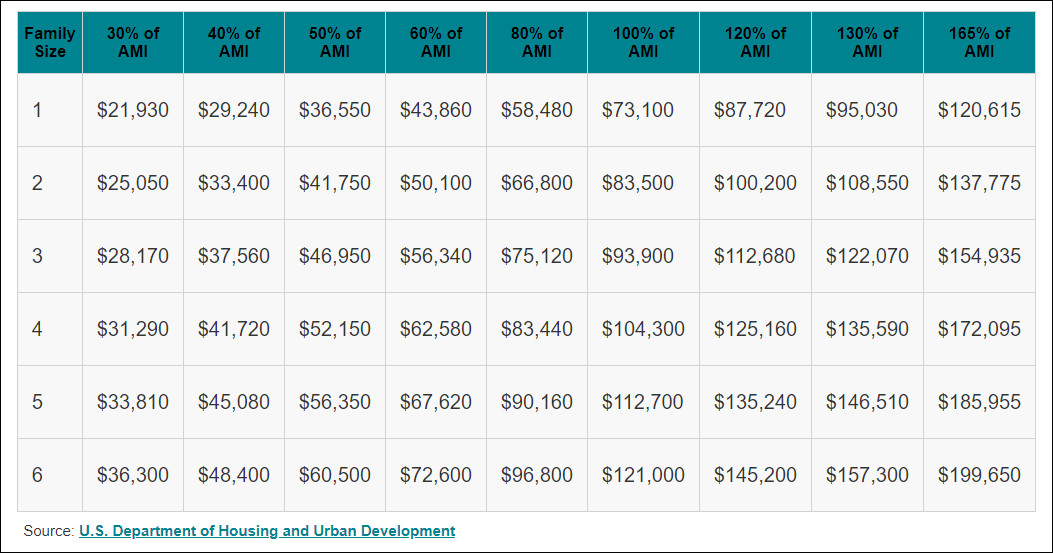
Perhaps the most significant and widely used metric for determining low income in New York, especially concerning housing, comes from the U.S. Department of Housing and Urban Development (HUD). HUD publishes annual income limits based on the Area Median Income (AMI) for various metropolitan statistical areas and non-metropolitan counties. These limits are typically categorized into:
- Extremely Low Income (ELI): At or below 30% of AMI.
- Very Low Income (VLI): At or below 50% of AMI.
- Low Income: At or below 80% of AMI.
- Moderate Income: At or below 120% of AMI (used for some programs).
These percentages are not fixed dollar amounts but vary significantly depending on the specific county or metro area and the size of the household. For instance, 80% of AMI for a family of four in Manhattan will be substantially higher than 80% of AMI for the same family in a rural upstate county. These HUD limits are critical because they dictate eligibility for a wide range of affordable housing programs, including public housing, Section 8 vouchers, and various tax credit-funded developments. They are often adopted by state and city housing agencies, such as New York State Homes and Community Renewal (HCR) and the NYC Department of Housing Preservation and Development (HPD), to manage their respective programs.
State and City-Specific Programs
Beyond federal guidelines, New York State and individual cities like New York City implement their own programs with specific income thresholds designed to address local needs. These programs can range from childcare subsidies and energy assistance to healthcare initiatives and job training.
- New York State Programs: Many state-level initiatives, such as the Supplemental Nutrition Assistance Program (SNAP), Medicaid, and the Home Energy Assistance Program (HEAP), use income limits that often adjust federal poverty guidelines upwards to reflect the state’s cost of living. Eligibility might be set at 130%, 150%, or even 200% of the FPG, or tie directly into specific percentages of AMI, particularly for housing-related aid.
- New York City Programs: New York City, with its unique economic landscape, has numerous city-specific programs. For example, the city’s rent stabilization policies and lottery for affordable housing units use income bands closely tied to HUD’s AMI definitions, often with granular breakdowns for specific neighborhoods or projects. The city also has programs for earned income tax credits, housing vouchers, and assistance for seniors or individuals with disabilities, all with their own detailed income criteria.
It is crucial for individuals seeking assistance to consult the specific program’s requirements, as eligibility can change annually and based on the particular funding source or legislative mandate.
The Impact of Low-Income Status in NY
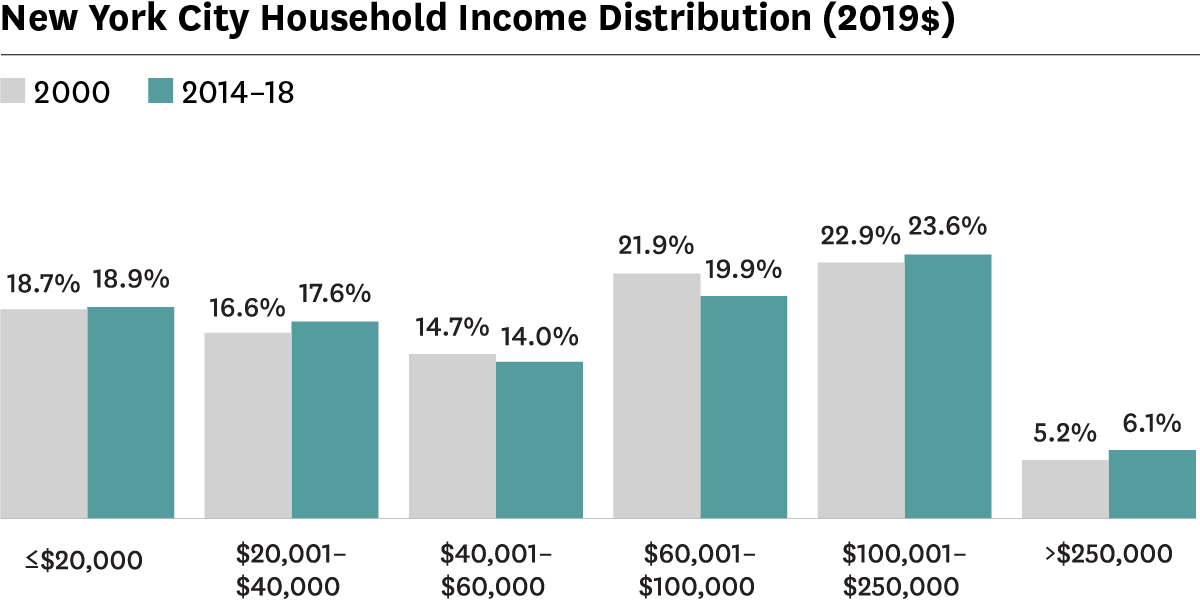
Being classified as low income in New York carries significant practical implications that extend beyond mere financial constraint. It directly influences access to essential resources, shapes daily living conditions, and impacts long-term economic prospects.
Access to Financial Assistance and Services
For individuals and families deemed low income, a critical benefit is eligibility for a myriad of financial assistance programs. These programs are designed to provide a safety net and help cover basic necessities that might otherwise be unaffordable.
- Housing Assistance: Perhaps the most vital support in New York, low-income status opens doors to programs like Section 8 housing vouchers, public housing, and inclusionary zoning units. These initiatives aim to make housing more affordable by subsidizing rent, often limiting housing costs to a percentage of income (e.g., 30% for Section 8). Without these programs, many low-income residents would struggle immensely to secure stable housing in the state.
- Food Security: Programs such as the Supplemental Nutrition Assistance Program (SNAP) provide financial benefits to purchase food, reducing food insecurity for low-income households. Eligibility is determined by gross and net income thresholds relative to household size.
- Healthcare: Medicaid and the Essential Plan are critical healthcare programs for low-income New Yorkers, offering comprehensive medical coverage at little to no cost. Income thresholds for these plans are set significantly higher than federal poverty levels, recognizing the need for accessible healthcare.
- Childcare and Education: Low-income families can often qualify for subsidized childcare programs, pre-kindergarten initiatives, and financial aid for higher education, alleviating substantial financial burdens and promoting educational opportunities.
- Utility Assistance: Programs like HEAP (Home Energy Assistance Program) help low-income households manage heating and cooling costs, especially crucial during extreme weather conditions.
Housing Affordability Challenges
Despite the existence of assistance programs, housing affordability remains the most pervasive challenge for low-income individuals in New York. The sheer demand for affordable housing far outstrips supply, leading to long waiting lists for public housing, highly competitive affordable housing lotteries, and often, the need to spend an unsustainably high percentage of income on rent in the private market. This can lead to overcrowded living conditions, housing instability, and increased risk of homelessness. The gap between what a low-income worker earns and what a basic apartment costs is often referred to as the “affordability gap,” which is among the widest in New York.
Economic Mobility and Wealth Building
Low-income status also presents significant barriers to economic mobility and wealth building. With a large portion of income dedicated to immediate survival needs, opportunities for saving, investing, or acquiring assets are severely limited. This can perpetuate a cycle of poverty, making it difficult to fund education, start a business, or accumulate wealth that can be passed down to future generations. The lack of disposable income can also restrict access to reliable transportation, quality childcare, and professional development opportunities, further hindering upward mobility. Therefore, for many low-income New Yorkers, the focus shifts from wealth accumulation to day-to-day survival and securing basic needs.
Navigating Financial Challenges and Seeking Support
For those in New York grappling with low-income status, proactive financial planning and leveraging available resources are essential. Understanding where to seek help and how to improve one’s financial standing can significantly mitigate the challenges.
Resources for Financial Planning and Education
Many organizations across New York offer free or low-cost financial counseling and education services. These resources can be invaluable for budgeting, debt management, credit repair, and understanding complex financial products.
- Non-profit Credit Counseling Agencies: Organizations like the National Foundation for Credit Counseling (NFCC) or local equivalents provide certified credit counselors who can help create budgets, develop debt management plans, and offer advice on improving credit scores.
- Community Development Financial Institutions (CDFIs): These specialized financial institutions focus on providing financial services and loans to underserved communities. Many offer financial literacy workshops, small business development support, and affordable banking services.
- University Extension Programs: Some universities offer public education programs on personal finance, often tailored to the needs of local communities.
- Online Financial Tools and Workshops: Numerous reputable websites and educational platforms provide free resources, calculators, and online courses on personal finance topics, from saving strategies to investment basics.
Strategies for Boosting Income and Savings
While navigating the challenges of low income, exploring avenues to increase income and build savings is crucial.
- Skill Development and Training: Investing in new skills or certifications through vocational schools, community colleges, or online courses can lead to higher-paying job opportunities. Many state and city workforce development programs offer subsidized training.
- Side Hustles and Gig Economy: Exploring part-time work, freelance opportunities, or engaging in the gig economy can supplement primary income. Options range from online freelancing (writing, graphic design, virtual assistance) to local services (delivery, pet sitting, caregiving).
- Budgeting and Expense Reduction: Meticulous budgeting to track and reduce non-essential expenses can free up funds for savings. This might involve re-evaluating subscriptions, seeking out free community events, or optimizing grocery shopping habits.
- Emergency Fund: Building even a small emergency fund (e.g., $500-$1,000) can provide a crucial buffer against unexpected expenses, preventing reliance on high-interest debt.
- Maximizing Tax Credits: Ensuring eligibility for and claiming all available tax credits, such as the Earned Income Tax Credit (EITC) and the Child Tax Credit, can significantly boost annual income.
Government Programs and Non-Profit Aid
Understanding the landscape of available assistance programs is fundamental.
- Local Social Services Departments: Every county and major city in New York has a Department of Social Services (or Human Resources Administration in NYC) that serves as a central hub for various benefit programs, including SNAP, Medicaid, HEAP, and temporary cash assistance.
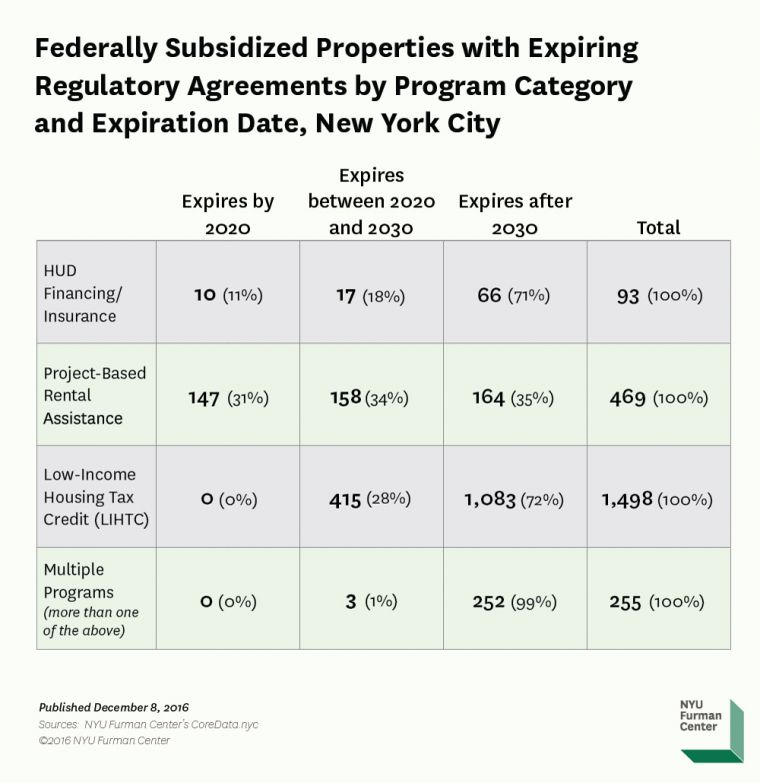
- Housing Authorities: Local Public Housing Authorities (PHAs) manage public housing units and Section 8 voucher programs. Regularly checking their websites for open waiting lists or lottery announcements is vital for housing assistance.
- Non-Profit Organizations: A vast network of non-profits across New York provides targeted assistance, often filling gaps not covered by government programs. These can include food banks, homeless shelters, legal aid societies, domestic violence support, and organizations offering job placement services. Searching for local community organizations based on specific needs is recommended.
- Legal Aid Services: Organizations providing free or low-cost legal assistance can help with issues related to housing, employment, consumer debt, and public benefits, ensuring individuals understand and assert their rights.
Navigating low-income status in New York requires resilience, knowledge, and a proactive approach to accessing the available support systems and improving one’s financial standing. By understanding the varied definitions of low income and leveraging the diverse resources, individuals and families can work towards greater financial stability in one of the nation’s most expensive states.
aViewFromTheCave is a participant in the Amazon Services LLC Associates Program, an affiliate advertising program designed to provide a means for sites to earn advertising fees by advertising and linking to Amazon.com. Amazon, the Amazon logo, AmazonSupply, and the AmazonSupply logo are trademarks of Amazon.com, Inc. or its affiliates. As an Amazon Associate we earn affiliate commissions from qualifying purchases.