
A compensation strategy is far more than just a list of salaries and benefits; it is a meticulously crafted financial framework that dictates how an organization invests in its human capital. At its core, it’s a strategic plan outlining the financial rewards and benefits employees receive in exchange for their work, directly linking business objectives with employee financial well-being and performance. This isn’t merely an HR function; it’s a critical component of a company’s financial health, influencing everything from operational costs and budgeting to profitability, market valuation, and long-term financial sustainability. A well-designed compensation strategy ensures that an organization can attract, retain, and motivate the talent required to achieve its financial goals while maintaining fiscal prudence and competitiveness in the market.
The Financial Architecture of Compensation
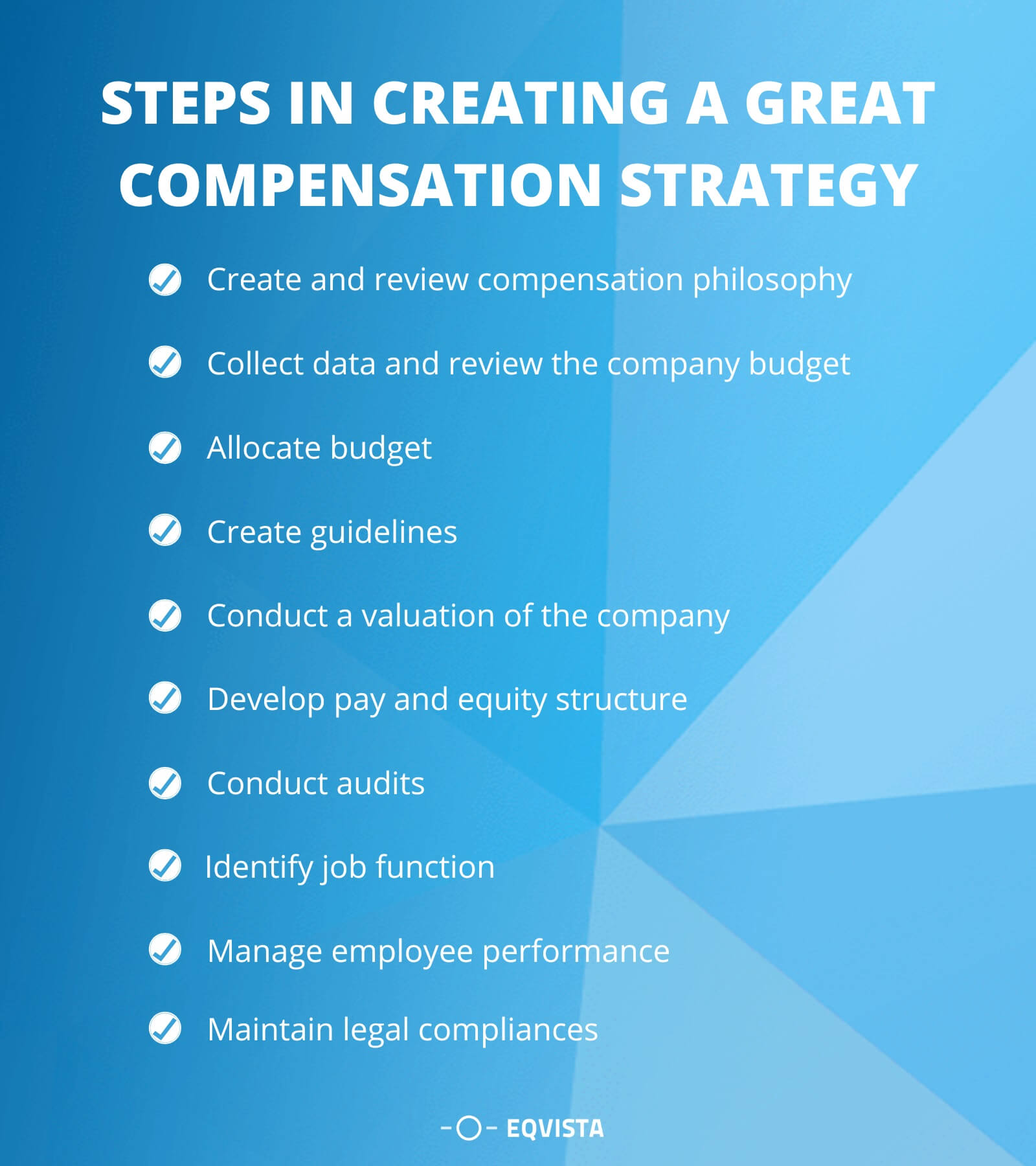
The backbone of any effective compensation strategy is its financial architecture, meticulously designed to balance competitive appeal with corporate fiscal responsibility. This involves detailed planning, careful allocation of resources, and a deep understanding of market dynamics and internal financial capabilities.
Budgeting and Fiscal Prudence
Compensation, encompassing salaries, wages, bonuses, commissions, and benefits, typically represents one of the largest expenditures for any business. Therefore, sound budgeting and fiscal prudence are paramount. A compensation strategy must integrate seamlessly with the company’s overall financial planning, ensuring that payroll and benefit costs are sustainable and align with revenue projections and profit targets. This involves distinguishing between fixed compensation costs (e.g., base salaries) and variable costs (e.g., performance bonuses, profit-sharing), and understanding their respective impacts on cash flow and profitability. Long-term financial forecasting is crucial, considering not only current payroll but also anticipated increases, new hires, and the escalating costs of benefits. Businesses must conduct thorough cost-benefit analyses for different compensation components, evaluating how each investment contributes to the bottom line, employee retention, and overall productivity, rather than simply being an expense.
Market Alignment and Financial Viability
Setting compensation levels requires a delicate balance between market competitiveness and financial viability. Companies utilize extensive financial data, such as salary surveys, industry benchmarks, and cost-of-living indices, to establish pay scales that are attractive to top talent without overextending the budget. The financial implications of failing to align with market rates can be severe: underpaying leads to high employee turnover, increased recruitment costs, and decreased productivity due to lower morale or skill gaps. Conversely, overpaying can erode profit margins, inflate operating expenses, and put the company at a competitive disadvantage. A robust compensation strategy, therefore, continuously monitors market rates and adjusts its financial offerings to remain competitive, using data-driven insights to make informed decisions that optimize both talent acquisition and financial performance.
Total Rewards as a Financial Value Proposition
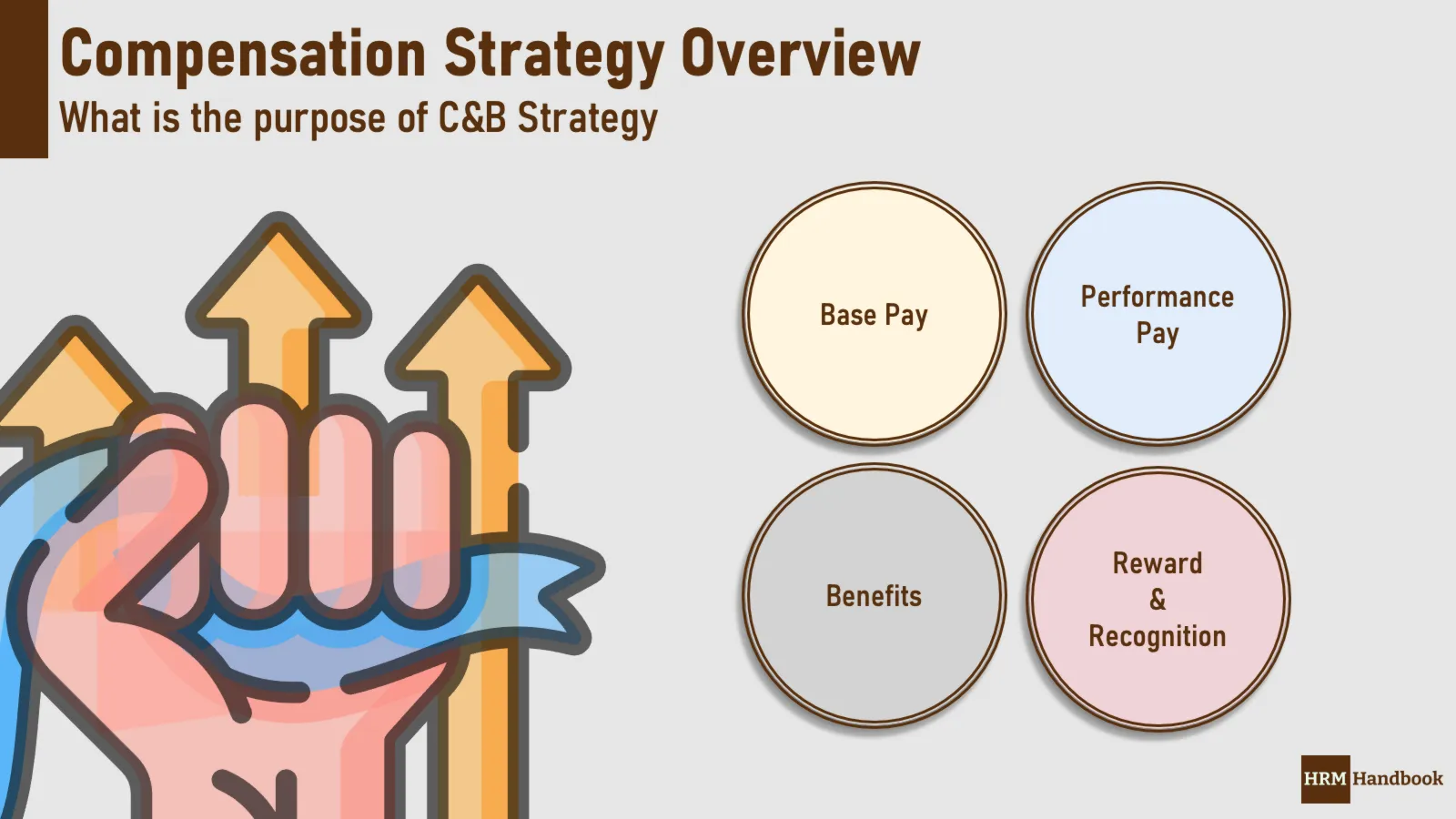
Beyond base salary, the “total rewards” package encompasses a broad spectrum of financial and non-financial benefits that represent significant investments by the company. From a financial perspective, health insurance, retirement plans (like 401(k) matching), paid time off, and employee stock options constitute substantial expenditures. These benefits are not merely perks; they are critical components of the employee’s overall financial security and well-being, and thus, a powerful tool for retention. By offering a comprehensive total rewards package, businesses can enhance their value proposition to employees, fostering loyalty and reducing the long-term financial burden associated with constant recruitment and training. Understanding the true financial cost and perceived value of each component allows companies to strategically allocate resources, maximizing impact while managing overall compensation expenditure.
Driving Business Outcomes Through Financial Incentives
A sophisticated compensation strategy actively leverages financial incentives to align employee actions with the company’s strategic and financial objectives, ultimately driving superior business outcomes.
Performance-Based Pay and ROI Measurement
Performance-based pay, including bonuses, commissions, and profit-sharing schemes, directly links individual or team contributions to the company’s financial success. These incentives are strategically designed to motivate employees to achieve specific financial metrics, such as increased sales revenue, improved profit margins, cost reductions, or enhanced customer lifetime value. Crucially, a sound compensation strategy demands rigorous measurement of the return on investment (ROI) for these incentive programs. Companies must track whether the financial outlay for performance pay translates into tangible improvements in business performance. This involves setting clear, measurable financial goals, establishing transparent payout structures, and regularly evaluating the effectiveness of these incentives in boosting productivity and profitability. The objective is to ensure that every dollar spent on performance incentives generates a greater financial return for the organization.
Long-Term Financial Alignment with Equity
For many organizations, particularly those in growth phases or publicly traded, equity-based compensation such as stock options, restricted stock units (RSUs), and performance shares plays a pivotal role in long-term financial alignment. These instruments grant employees a direct stake in the company’s future financial success and shareholder value. By tying a significant portion of an employee’s compensation to the appreciation of the company’s stock price, employees are financially incentivized to make decisions that contribute to sustained growth, increased profitability, and long-term market capitalization. These long-term incentives typically come with vesting schedules, encouraging employee retention and sustained commitment. From a financial accounting perspective, equity compensation involves specific valuation and expensing treatments, requiring careful financial planning and management to ensure compliance and avoid unexpected impacts on the balance sheet and income statement.
Financial Controls, Compliance, and Risk Mitigation
Managing compensation involves navigating a complex landscape of financial regulations and potential risks. A robust strategy integrates stringent financial controls and a proactive approach to compliance and risk mitigation to safeguard the company’s financial integrity.
Managing Payroll Liabilities and Tax Implications
The financial complexities of payroll extend far beyond simply paying employees. It involves accurately calculating and withholding various taxes (federal, state, local income taxes, FICA), managing employer contributions (Social Security, Medicare, unemployment taxes), and adhering to specific wage and hour laws. Errors in payroll processing can lead to significant financial penalties, fines, and legal liabilities. A well-defined compensation strategy incorporates robust internal controls for payroll, utilizing specialized software and processes to ensure accuracy, timeliness, and compliance with all tax regulations. It also considers the financial implications of different compensation structures (e.g., independent contractors vs. employees) and their varying tax burdens, making informed decisions that optimize financial efficiency while minimizing compliance risk.
Pay Equity and Financial Risk
Ensuring pay equity—paying employees equally for equal work, regardless of gender, race, or other protected characteristics—is not just an ethical imperative but a critical financial risk management strategy. Disparities in pay can lead to costly lawsuits, substantial fines, damaged reputation, and decreased employee morale, all of which have direct negative impacts on a company’s financial performance. A proactive compensation strategy includes regular financial audits of compensation data, utilizing analytical tools to identify and address any pay gaps. This involves analyzing salary data, bonus distributions, and promotion patterns to ensure fairness and compliance with equal pay legislation. By proactively mitigating pay equity risks, companies protect themselves from significant financial liabilities and foster a more equitable and productive workforce, which contributes to long-term financial stability.
Leveraging Financial Analytics for Compensation Optimization
In today’s data-driven world, leveraging financial analytics is indispensable for optimizing a compensation strategy, transforming it from a static policy into a dynamic, performance-enhancing financial instrument.
Key Financial Metrics for Compensation Analysis
To truly optimize compensation, organizations must continuously analyze a range of key financial metrics. These include the total compensation ratio (TCR), which measures all compensation costs against total revenue, providing insight into the overall efficiency of talent investment. Other critical metrics include compensation cost as a percentage of operating expenses, employee turnover cost (encompassing recruitment, onboarding, and lost productivity), and cost-per-hire. Additionally, analyzing pay equity gaps, productivity per employee, and the impact of incentive programs on profit margins offers deep financial insights. By regularly tracking and benchmarking these financial indicators, businesses can identify areas for improvement, make data-driven adjustments to compensation plans, and ensure that every dollar spent on compensation contributes to stronger financial outcomes.
Financial Modeling and Scenario Planning
Effective compensation strategy relies heavily on sophisticated financial modeling and scenario planning. This involves using financial tools and software to project the impact of various compensation adjustments on the company’s budget, cash flow, and overall profitability. For instance, financial models can forecast the budgetary implications of an across-the-board raise versus targeted merit increases, the cost of introducing new benefit offerings, or the financial impact of expanding into a new market with different compensation expectations. By simulating different scenarios, businesses can make informed, financially sound decisions, anticipating potential challenges and optimizing resource allocation. This proactive financial planning minimizes risk and maximizes the return on compensation investments.
Technology in Financial Compensation Management
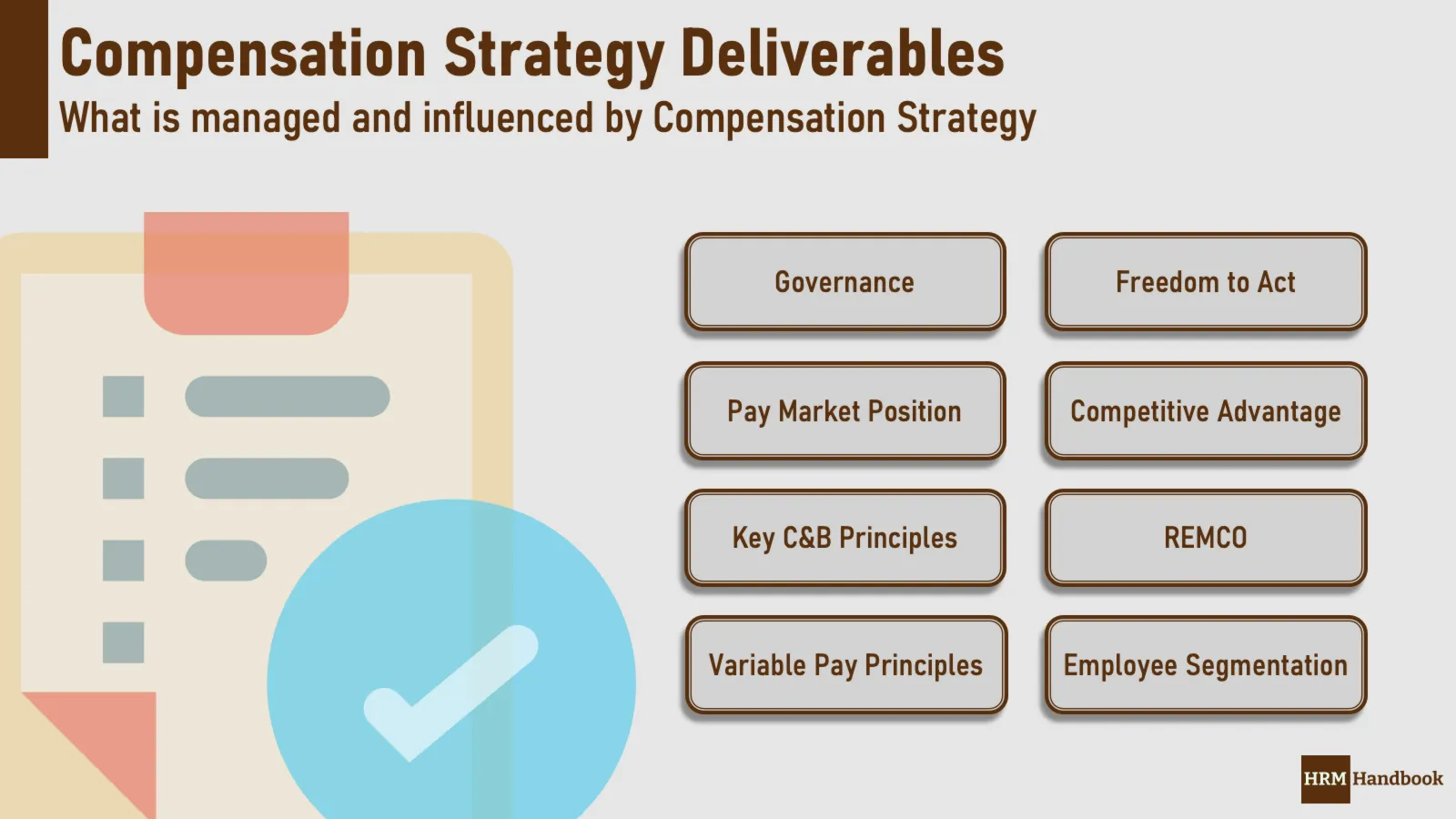
Modern compensation management systems (CMS) and integrated HR information systems (HRIS) are pivotal financial tools. These technologies automate complex financial calculations, ensure accuracy in payroll processing, and provide real-time financial reporting and analytics. They can track individual and team performance against financial goals, manage budget allocations for different departments, and generate comprehensive reports on compensation costs, equity analysis, and budget adherence. By centralizing compensation data and automating financial processes, these systems empower organizations to manage their compensation strategies with greater efficiency, transparency, and financial control, enabling continuous optimization and alignment with overarching business financial objectives.
aViewFromTheCave is a participant in the Amazon Services LLC Associates Program, an affiliate advertising program designed to provide a means for sites to earn advertising fees by advertising and linking to Amazon.com. Amazon, the Amazon logo, AmazonSupply, and the AmazonSupply logo are trademarks of Amazon.com, Inc. or its affiliates. As an Amazon Associate we earn affiliate commissions from qualifying purchases.