
The Business Model of Organic Waste Transformation
Commercial composting represents a pivotal shift in waste management, transforming what was once considered a cost liability—organic waste—into a valuable resource with a robust financial model. At its core, commercial composting is an enterprise dedicated to processing large volumes of organic materials from diverse sources such as municipalities, businesses, and industrial operations, converting them into nutrient-rich compost for sale. This business model is predicated on two primary financial levers: revenue generation from waste intake fees and the sale of finished compost products. Understanding this dual-revenue structure is fundamental to grasping the economic viability and appeal of the sector.
Identifying Revenue Streams
The financial health of a commercial composting operation is heavily reliant on diversifying and optimizing its revenue streams. The most immediate source of income often comes from tipping fees, charged to entities that deliver organic waste. These fees are competitive and often benchmarked against landfill tipping fees, offering an economically attractive alternative for waste generators seeking to divert materials from landfills. The pricing structure for tipping fees can vary based on the type of organic material (e.g., food scraps, yard waste, agricultural residues), volume, and geographical location. Businesses must meticulously analyze local market rates and operational costs to set competitive yet profitable tipping fees.
Beyond waste intake, the sale of the finished compost product constitutes the second major revenue stream. Compost is a versatile commodity, demanded by a wide array of customers including agricultural operations, nurseries, landscapers, residential gardeners, and even construction projects for erosion control and soil remediation. The pricing strategy for compost depends on its quality, certification (e.g., organic, OMRI listed), volume purchased, and delivery logistics. Higher quality, specialized compost products can command premium prices, especially if they are certified for organic use or tailored for specific applications. Additional revenue can be generated from the sale of co-products, such as mulch from woody materials or even renewable energy if advanced anaerobic digestion (often paired with composting) is employed. Crafting strong relationships with bulk purchasers, establishing direct-to-consumer sales channels, and exploring partnerships with distributors are crucial for maximizing compost sales and optimizing market reach.
Understanding Operational Costs
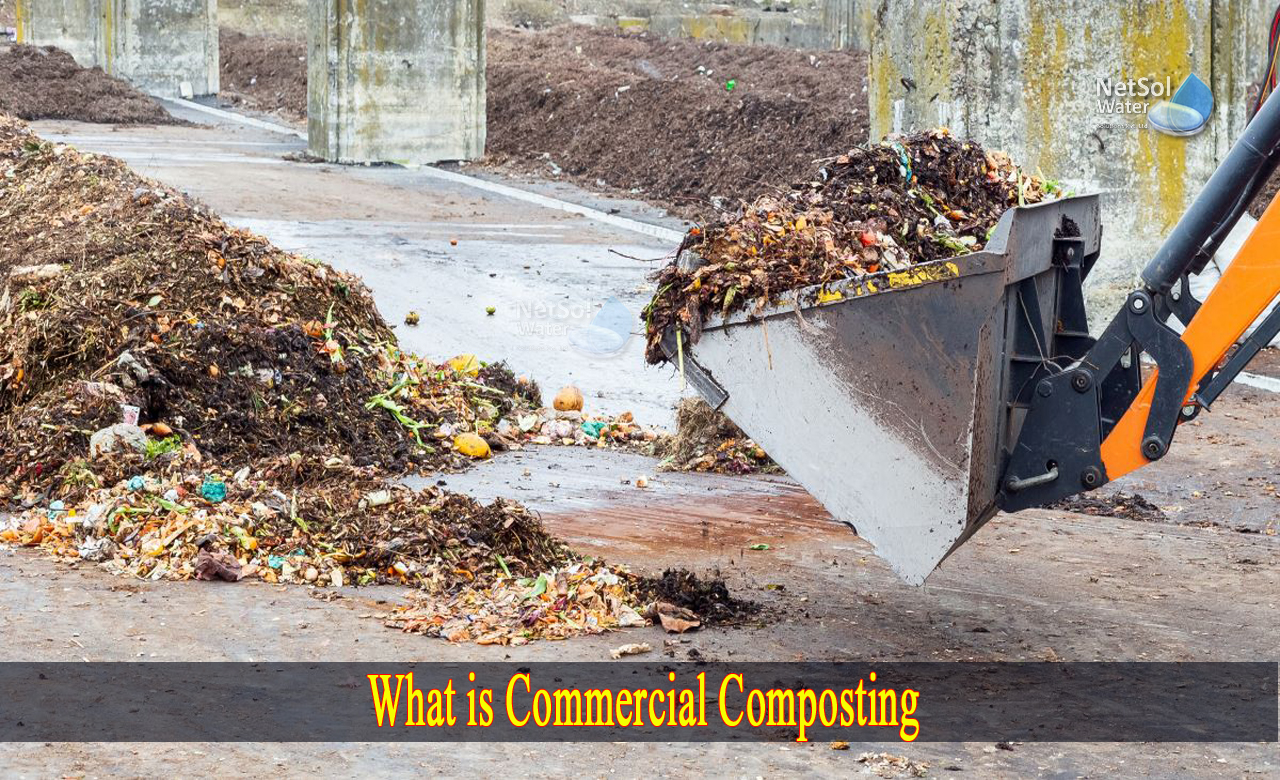
Operating a commercial composting facility involves significant capital outlay and ongoing operational expenses that directly impact profitability. Initial capital expenditure (CapEx) includes the acquisition of land, site preparation, construction of processing pads, purchase of specialized machinery (e.g., grinders, screeners, windrow turners, front-end loaders), and establishment of necessary infrastructure like leachate collection systems and storm water management. These upfront costs require substantial financial planning and often necessitate external funding or significant equity investment.
Recurring operational costs (OpEx) are equally critical to manage. These include labor wages for collection, processing, and sales staff; fuel and maintenance for heavy equipment; utilities (water, electricity); laboratory testing for compost quality and regulatory compliance; insurance; marketing and sales expenses; and administrative overheads. Waste collection and transportation costs can be substantial, particularly if the facility operates its own fleet or contracts third-party logistics. Furthermore, regulatory compliance, including permitting fees and environmental monitoring, represents a continuous financial commitment. Efficient management of these costs, through lean operations, preventative maintenance, and optimized resource allocation, is essential for maintaining healthy profit margins and ensuring long-term financial stability. Detailed financial modeling and budgeting are indispensable tools for tracking these expenses against revenue and identifying areas for cost reduction.
Investment and Funding Landscape
Entering the commercial composting industry requires a clear understanding of its unique investment landscape. The sector, while promising in its environmental and economic returns, demands substantial capital for establishment and expansion. Investors are increasingly drawn to green industries, but thorough financial due diligence remains paramount.
Initial Capital Expenditure
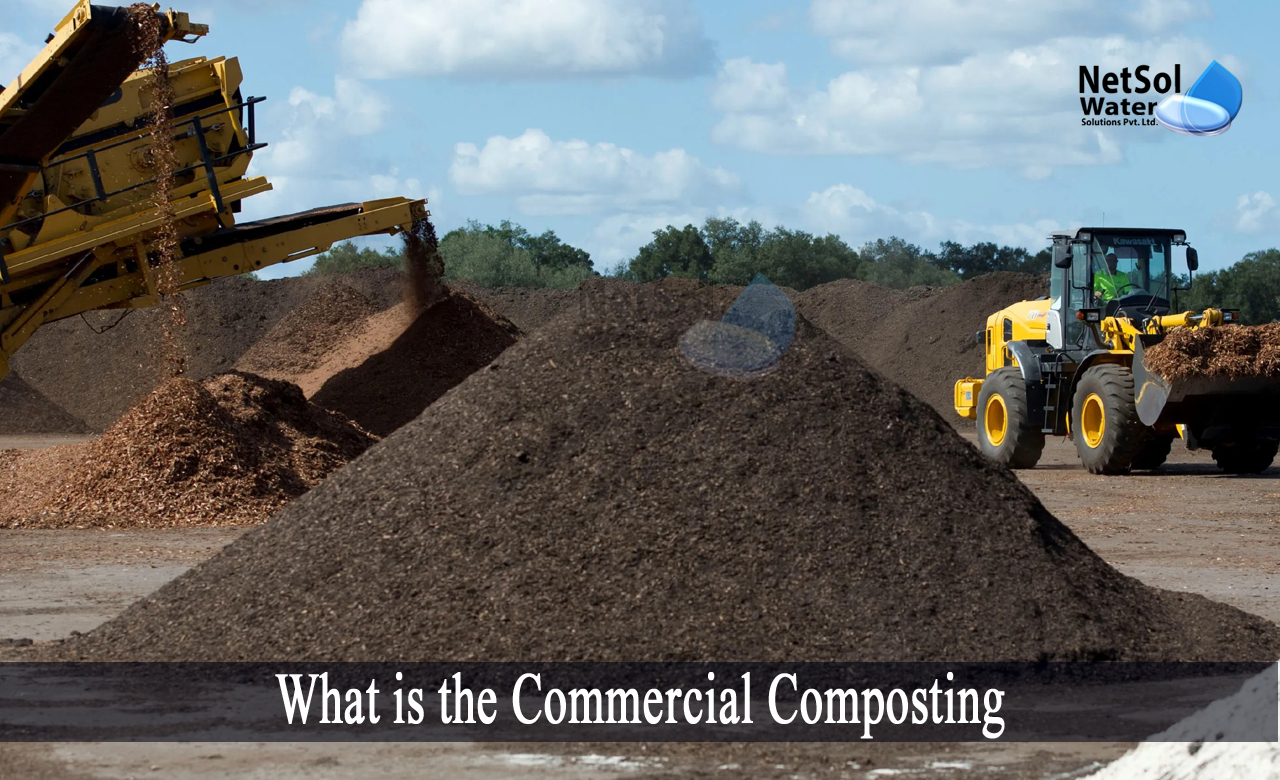
The barrier to entry in commercial composting, from a financial perspective, often lies in the significant initial capital expenditure. Establishing a medium-to-large scale facility can easily require millions of dollars. Land acquisition or lease, site preparation, and the construction of impermeable surfaces are foundational costs. The purchase of heavy machinery – windrow turners, trommel screens, grinders, and front-end loaders – represents a substantial portion of CapEx. These machines are robust, specialized, and essential for efficient processing, often ranging from hundreds of thousands to over a million dollars per unit depending on capacity and features. Beyond machinery, facilities must invest in robust leachate management systems, stormwater controls, and potentially odor control technologies, all of which add to the initial financial burden. A comprehensive business plan detailing these expenditures, alongside projected operational costs and revenue, is critical for attracting investment. Detailed cost analysis, including depreciation schedules for equipment and infrastructure, is vital for long-term financial forecasting.
Securing Financing and Grants
Given the substantial CapEx, securing diverse sources of financing is a critical step for commercial composting entrepreneurs. Traditional bank loans are a common avenue, though lenders may require a strong business plan, collateral, and a proven track record. For an emerging industry, this can be challenging. Alternative financing options are increasingly relevant. Government grants, particularly those focused on environmental sustainability, waste diversion, or agricultural development, represent a significant funding opportunity. These grants can come from federal, state, or local agencies and often target projects that reduce greenhouse gas emissions, improve soil health, or create green jobs.
Impact investors and venture capital firms specializing in cleantech or sustainable agriculture are also a growing source of capital. These investors are often motivated not only by financial returns but also by the environmental and social impact of their investments. Crowdfunding platforms, particularly those focused on sustainable initiatives, can also provide a means to raise smaller amounts of capital from a broad base of individual investors. Furthermore, public-private partnerships can offer a blend of governmental support (e.g., land leases, waste stream guarantees) and private sector efficiency and capital. Crafting compelling proposals that highlight both financial viability and environmental benefits is key to unlocking these varied funding sources.
Economic Benefits and Market Dynamics
Commercial composting is not merely a waste management solution; it’s an economic engine that generates value from resources traditionally discarded. Its growth is intertwined with evolving market demands and a broader understanding of circular economy principles.
Value Creation from Waste
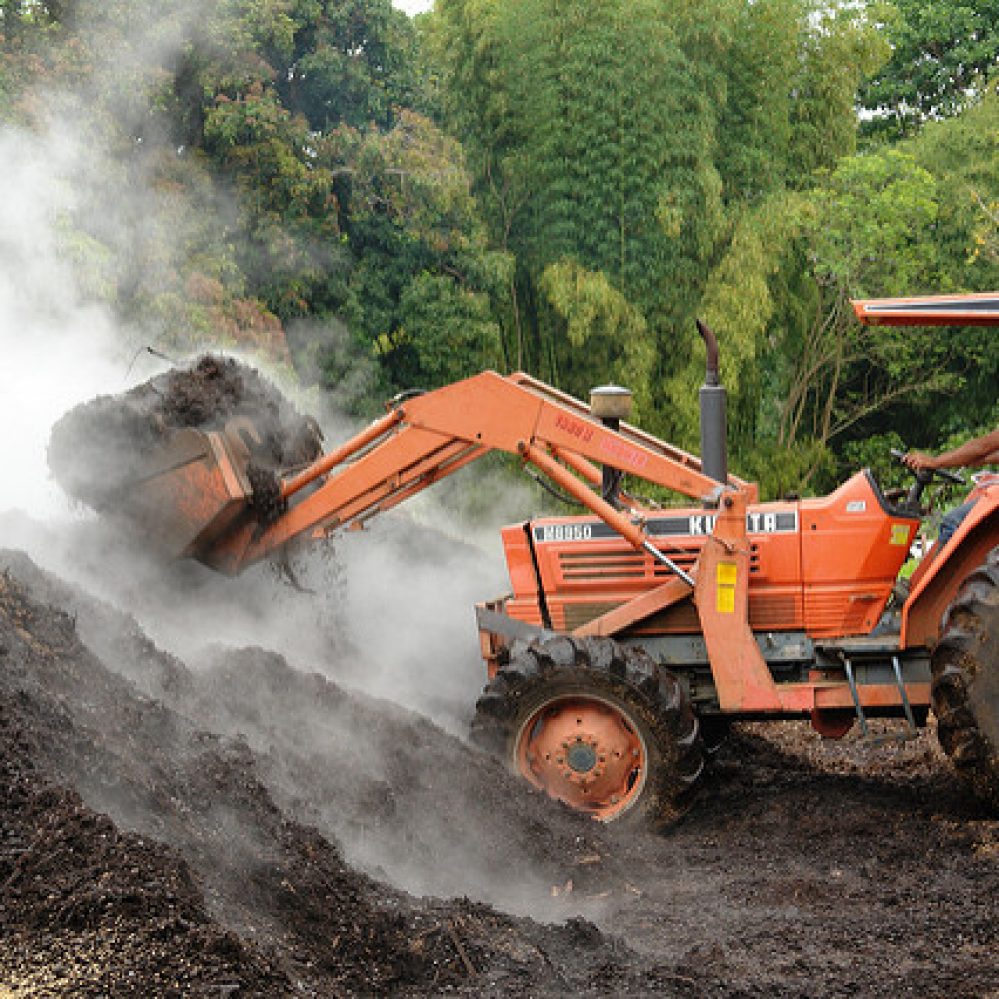
The fundamental economic benefit of commercial composting lies in its ability to transform a low-value or negative-value input (organic waste) into a high-value output (compost). This process diverts organic materials from landfills, thereby reducing landfill methane emissions and extending landfill life, both of which have significant financial implications for municipalities and waste generators by avoiding escalating tipping fees and potential carbon taxes. For the composting operation itself, the economic value is realized through the sale of a premium product—compost—which enhances soil fertility, reduces the need for synthetic fertilizers, improves water retention, and mitigates erosion. These attributes make compost a sought-after commodity in agriculture, landscaping, and land reclamation projects, where its use can translate to tangible cost savings and improved yields for end-users. The creation of local jobs across various skill levels, from equipment operators to sales and administrative staff, further underscores its positive economic impact within communities.
Market Demand and Growth Potential
The market demand for commercial composting services and products is on an upward trajectory, driven by several factors. Growing environmental awareness among consumers and corporations is pushing for more sustainable waste management practices. Regulatory pressures, such as landfill bans on organic waste in several states and countries, are compelling businesses and municipalities to seek composting solutions. Furthermore, the increasing focus on regenerative agriculture and soil health among farmers and land managers is boosting demand for high-quality organic amendments like compost. This confluence of factors creates a robust and expanding market for commercial composting. The potential for growth also extends to niche markets, such as specialized composts for specific crop types or urban farming initiatives. As populations grow and waste generation continues, the economic imperative and environmental benefits of commercial composting position it as a resilient and expanding industry with significant long-term growth potential for investors and entrepreneurs.
Financial Challenges and Risk Mitigation
Despite its promising outlook, the commercial composting sector is not without its financial challenges. Navigating these obstacles effectively is crucial for sustained profitability and attracting investment.
Overcoming Operational Hurdles
Operational hurdles often translate directly into financial burdens. Managing diverse and sometimes contaminated organic waste streams requires robust receiving and sorting processes, which can increase labor and equipment costs. Odor management, a common concern for facilities, necessitates investment in technologies and best practices to prevent complaints that could lead to regulatory fines or even facility closure. Maintaining consistent compost quality is another operational challenge that impacts marketability and pricing. Fluctuations in feedstock availability or quality can disrupt production schedules and affect output. To mitigate these financial risks, businesses must invest in efficient sorting and pre-processing equipment, implement rigorous process control, and develop diversified feedstock contracts to ensure a stable and predictable supply. Contingency planning for equipment breakdowns and staff turnover is also vital to prevent costly operational delays.
Navigating Regulatory and Market Volatility
The regulatory landscape for commercial composting can be complex and ever-evolving, posing a significant financial challenge. Permitting processes can be lengthy and expensive, and compliance with environmental regulations regarding air emissions, water quality, and waste handling requires ongoing monitoring and potential investment in upgrades. Failure to comply can result in substantial fines or revocation of operating permits, leading to significant financial losses.
Market volatility also presents risks. Fluctuations in the price of finished compost, driven by supply and demand dynamics, agricultural commodity prices, or competition from other soil amendments, can impact revenue forecasts. Similarly, competition for waste feedstock can drive down tipping fees, eroding profit margins. Mitigation strategies include maintaining robust relationships with regulatory bodies, actively monitoring legislative changes, and investing in compliance training. On the market side, diversifying customer bases, exploring long-term supply contracts for compost, and differentiating products through quality or specialized applications can help buffer against price volatility. Prudent financial management includes establishing contingency reserves to absorb unexpected regulatory costs or market downturns.
Profitability and Future Outlook
The financial success of commercial composting hinges on meticulous planning, efficient operations, and a keen understanding of market dynamics. Its profitability is increasingly recognized, positioning it as a key player in the circular economy.
Benchmarking Success
For commercial composting operations, profitability is measured by a combination of factors, including return on investment (ROI), net profit margins, and cash flow stability. Successful ventures typically achieve positive cash flow within a few years of operation, demonstrating their ability to cover expenses and generate surplus. Key performance indicators (KPIs) for financial benchmarking include per-ton processing cost, revenue per ton of compost sold, and the ratio of tipping fee revenue to compost sales revenue. Efficient facilities often boast lower processing costs due to optimized equipment utilization, energy efficiency, and skilled labor. Achieving high-quality compost consistently allows for premium pricing and stronger sales, directly impacting revenue per ton. Benchmarking against industry averages and top performers provides valuable insights into operational efficiency and financial health, highlighting areas for improvement to enhance overall profitability. Regular financial audits and detailed cost accounting are indispensable tools for monitoring these metrics and ensuring the business remains on a financially sound trajectory.
Sustainable Growth and Financial Returns
The future financial outlook for commercial composting is strong, driven by increasing regulatory support for waste diversion, growing public demand for sustainable products, and the intrinsic value of healthy soil. As technologies advance (e.g., in-vessel composting, advanced monitoring systems), operations can become even more efficient, potentially lowering operational costs and increasing throughput, thereby boosting profit margins. Investment in research and development for new compost applications or value-added products (like biochar or specific soil blends) can unlock new revenue streams and market opportunities.
For investors, commercial composting offers attractive long-term financial returns, often coupled with significant environmental, social, and governance (ESG) benefits. Its role in carbon sequestration, greenhouse gas reduction, and nutrient cycling makes it an appealing sector for impact investors and those seeking sustainable portfolios. The industry is poised for continued growth as a foundational component of the circular economy, where resources are kept in use for as long as possible, extracting maximum value from them while in use, then recovering and regenerating products and materials at the end of each service life. This paradigm ensures a robust and expanding financial future for well-managed commercial composting enterprises.
aViewFromTheCave is a participant in the Amazon Services LLC Associates Program, an affiliate advertising program designed to provide a means for sites to earn advertising fees by advertising and linking to Amazon.com. Amazon, the Amazon logo, AmazonSupply, and the AmazonSupply logo are trademarks of Amazon.com, Inc. or its affiliates. As an Amazon Associate we earn affiliate commissions from qualifying purchases.