
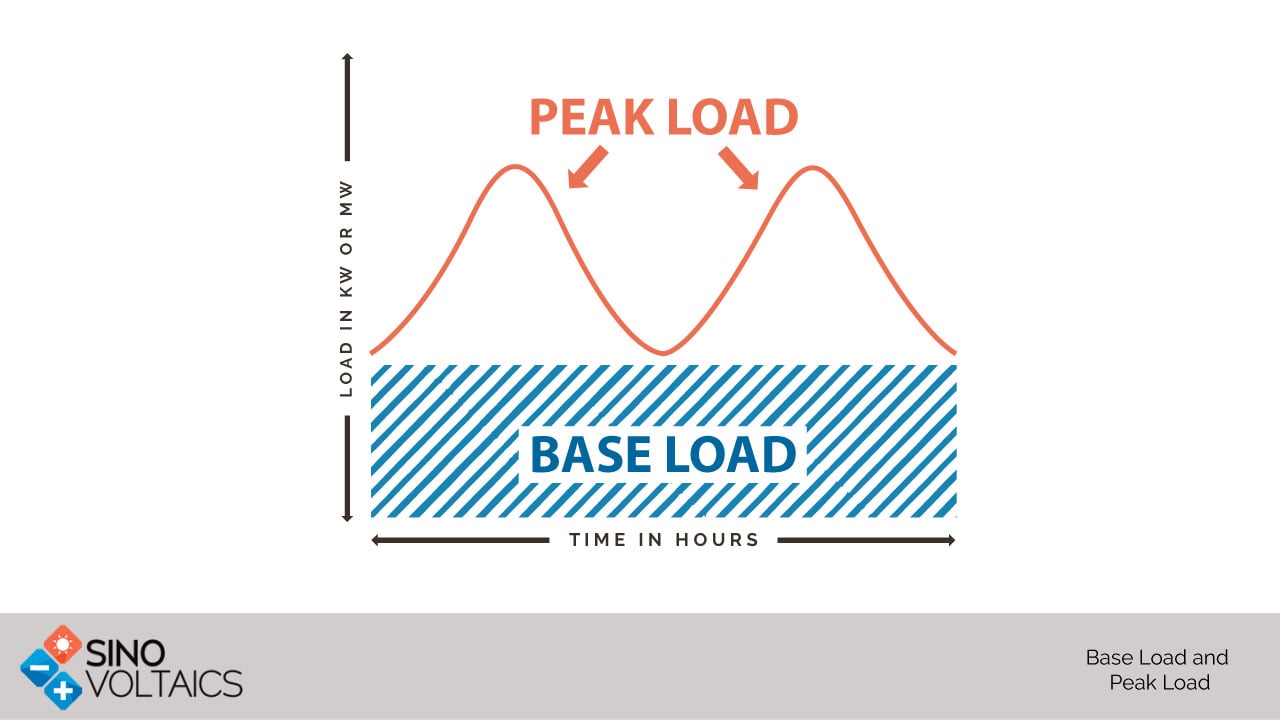
Base load, in the realm of energy and finance, refers to the minimum level of electricity demand required by a power grid over a given period, typically 24 hours. It represents the constant, non-negotiable power requirement that must be met continuously to keep homes lit, businesses running, and essential services operational. From a financial perspective, understanding base load is paramount for investors, utility companies, policymakers, and any business reliant on a stable and affordable energy supply. It underpins significant capital allocation decisions, operational budgeting, and long-term financial stability across entire economies.
The Financial Foundation of Energy Supply
The concept of base load is not merely technical; it is a fundamental financial determinant for the energy sector. It dictates a significant portion of the revenue streams, operational expenditures, and investment necessities for power generation and distribution.
Defining Base Load from a Financial Perspective
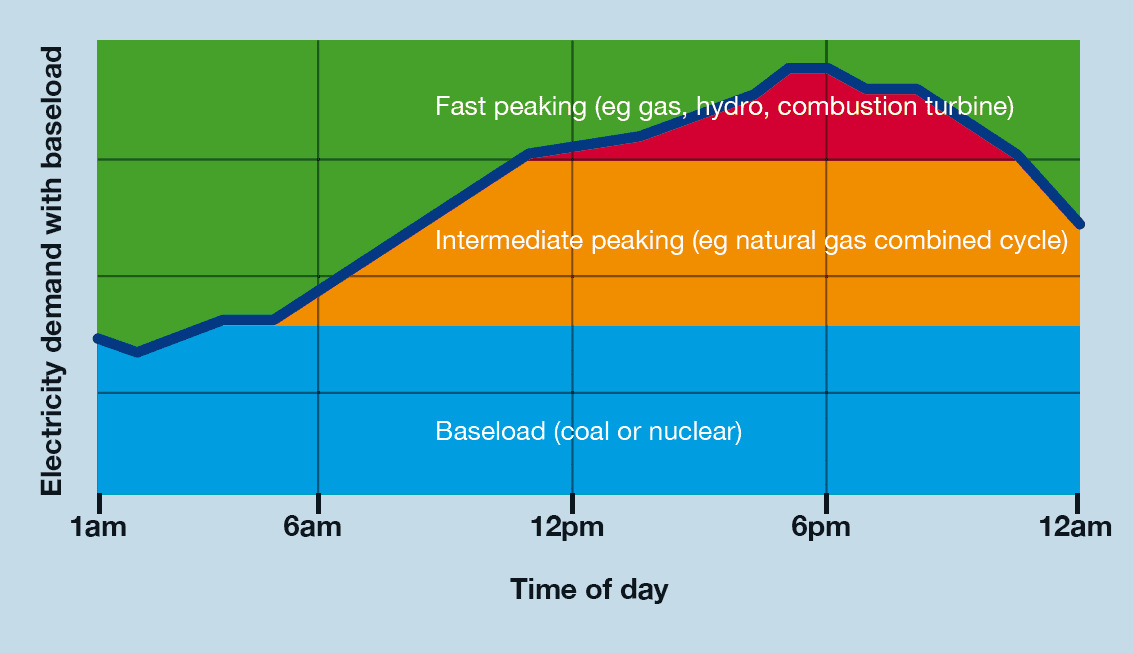
Financially, base load represents the bedrock of energy demand that generates predictable, consistent revenue for power generators and distributors. Unlike peak load, which is transient and costly to meet with quick-response plants, base load demand allows for the continuous operation of large-scale, often more efficient, power plants. These plants – traditionally nuclear, coal, and large-scale hydro – are characterized by high upfront capital costs but lower marginal operating costs once built. Their financial viability hinges on sustained, high-capacity utilization, making base load demand their economic raison d’être. For utilities, ensuring base load is met is a non-negotiable cost of doing business, forming the largest and most stable component of their financial planning.
Predictable Costs and Revenue Streams
The stability of base load demand offers a degree of financial predictability rare in other sectors. This predictability translates into more stable revenue streams for power producers and more reliable cost forecasting for consumers, from individual households to industrial giants. Utility companies can project their minimum sales volumes with confidence, aiding in financial forecasting, hedging strategies for fuel procurement, and long-term capital expenditure planning. For large industries, especially those with continuous operations like manufacturing or data centers, the assurance of a consistent base load supply at predictable costs is critical for their operational budgets and overall profitability. Fluctuations in base load supply or pricing can have ripple effects throughout the supply chain, impacting production costs, market competitiveness, and ultimately, shareholder value.
Investment Strategies and Capital Allocation
Understanding base load is central to strategic investment decisions within the energy sector. It influences where capital is deployed, the types of assets developed, and the risk profiles of energy investments.
The Role of Base Load in Infrastructure Investment
Investments in base load generation capacity are among the largest and most long-term infrastructure projects globally. These often involve multi-billion dollar expenditures with construction phases spanning years, if not decades. For governments and private investors, the decision to fund a new nuclear plant or a large coal-fired facility is a commitment of capital for 40-60 years, predicated on the enduring demand for base load power. These investments are deemed critical for national energy security and economic stability, often requiring significant government backing, subsidies, or guaranteed power purchase agreements to de-risk the massive capital outlay. From an investor’s perspective, base load assets represent a stable, often regulated, source of long-term income, making them attractive for institutional investors seeking predictable returns, such as pension funds and sovereign wealth funds.
Financing Base Load Power Plants
The financing structures for base load power plants are complex, typically involving a mix of equity, debt, and sometimes public funding. Due to their scale and long operational lives, these projects often rely on project finance models, where the debt is serviced from the cash flow generated by the plant itself. Lenders and investors scrutinize long-term power purchase agreements (PPAs), fuel supply contracts, and regulatory frameworks to assess the financial viability and risk. The stable and predictable nature of base load demand provides confidence to financiers that the generated electricity will always find a buyer, thereby ensuring cash flow for debt repayment and investor returns. However, changing energy policies, environmental regulations, and the increasing push towards decarbonization introduce new financial risks and opportunities for these traditionally carbon-intensive assets.
Risks and Returns in Base Load Assets
While base load assets offer stability, they are not without financial risks. Regulatory changes, carbon pricing, technological obsolescence (e.g., more efficient renewables), and public sentiment can impact their long-term profitability. For instance, a carbon tax can significantly increase the operating costs of fossil fuel-based base load plants, eroding their margins. Conversely, the high barriers to entry, essential nature of the service, and often monopolistic or oligopolistic market structures can provide robust returns for investors who successfully navigate these challenges. The returns are typically lower but more consistent than speculative energy investments, making them a cornerstone of diversified infrastructure portfolios.
Operational Economics and Grid Stability
The financial implications of maintaining base load extend directly into the day-to-day operational economics of the power grid, influencing energy prices and business budgets.
Balancing Supply and Demand: A Costly Endeavor
Maintaining the delicate balance between electricity supply and base load demand is a continuous operational and financial challenge. Grid operators must ensure there is always enough generation capacity online to meet demand, with a reserve margin for contingencies. This requires sophisticated forecasting and the dispatch of various power plants at different cost points. Base load plants are run continuously because they are the most cost-effective for sustained output. However, managing the grid also involves significant costs associated with transmission infrastructure, ancillary services (like frequency regulation), and the economic dispatch of peaking plants to cover spikes in demand, all of which ultimately factor into electricity prices and thus, business finance. Any imbalance or failure to meet base load can lead to costly blackouts, massive economic losses, and severe financial penalties for utility providers.

Impact on Energy Prices and Business Budgets
The cost of meeting base load demand forms the fundamental component of wholesale electricity prices. For businesses, especially energy-intensive industries, these costs represent a significant portion of their operating budgets. Predictable base load generation from low-marginal-cost plants helps stabilize prices, allowing businesses to forecast energy expenditures more accurately and plan investments with greater certainty. Volatility in base load supply, perhaps due to fuel price shocks or plant outages, can lead to sharp increases in wholesale prices, directly impacting the profitability of businesses and the purchasing power of consumers. Therefore, ensuring a diversified and resilient base load supply is a crucial strategy for managing financial risk across the economy.
The Financial Imperative of Reliability
Reliability in meeting base load is not just a technical requirement; it’s a profound financial imperative. Power outages due to insufficient base load capacity can cost economies billions of dollars in lost productivity, damaged goods, and disrupted services. For example, a single prolonged outage can halt manufacturing lines, cripple data centers, and bring commerce to a standstill. Utilities face financial penalties, reputational damage, and increased operational costs in the aftermath of such events. Consequently, significant financial resources are continuously allocated to grid maintenance, backup generation, and demand-side management programs to ensure unwavering base load reliability, viewing these investments as essential insurance against catastrophic economic losses.
The Evolving Landscape: Renewables and Financial Dynamics
The traditional concept of base load, primarily met by large, continuously operating thermal plants, is undergoing a profound transformation driven by renewable energy technologies and their unique financial implications.
Integrating Intermittency: New Financial Models
The integration of intermittent renewable sources like solar and wind power, which lack the dispatchability of traditional base load plants, presents new financial and operational challenges. While the marginal cost of generating electricity from renewables is often near zero, their variability means they cannot reliably provide consistent base load without significant backup or storage. This necessitates new financial models that account for their intermittency, including investments in grid-scale battery storage, flexible gas plants for peaker duty, and advanced grid management systems. The cost of balancing intermittent renewables to maintain base load reliability is a growing component of overall energy costs, requiring innovative financial instruments and market mechanisms to incentivize necessary investments in flexibility and stability.
The Cost of Transition and Grid Modernization
Transitioning from a fossil-fuel-dominated base load to a more diversified, decarbonized mix involves immense financial investment in grid modernization. This includes upgrades to transmission lines, smart grid technologies, and cybersecurity infrastructure. While the long-term financial benefits of decarbonization (e.g., reduced fuel price volatility, environmental compliance cost avoidance) are significant, the upfront capital expenditure is substantial. Governments and utilities are grappling with how to finance this transition, often through a combination of public funding, private investment, and new regulatory frameworks that allow for cost recovery from ratepayers. The financial success of this transition hinges on carefully managing the costs of integrating new technologies while decommissioning aging, less sustainable base load assets.
Investment Opportunities in Next-Gen Base Load Solutions
The evolving energy landscape is also creating significant investment opportunities in what can be termed “next-generation base load solutions.” This includes advanced nuclear reactors (small modular reactors – SMRs), enhanced geothermal systems, and long-duration energy storage technologies. These technologies promise to provide reliable, low-carbon, and dispatchable power that can meet base load requirements in a decarbonized future. Investors are increasingly looking at these areas, driven by environmental mandates, technological advancements, and the potential for substantial long-term returns as these solutions scale. Financing models are adapting to de-risk these novel technologies, often involving government partnerships and innovative green finance instruments.
Base Load’s Critical Role in Economic Development
Beyond the immediate energy sector, base load has overarching financial and strategic importance for broader economic development and national security.
Fueling Industrial Growth and Stability
A reliable and affordable base load supply is a non-negotiable prerequisite for industrial growth and economic stability. Industries such as manufacturing, mining, chemical production, and data centers require continuous power to operate efficiently and profitably. Insufficient or unreliable base load can deter foreign direct investment, stifle domestic industrial expansion, and lead to capital flight. Countries with robust, well-managed base load capabilities often have more resilient economies, capable of supporting high-value industrial sectors and attracting businesses that depend on uninterrupted power, thereby fueling job creation and long-term financial prosperity.
National Security and Energy Independence
From a strategic financial perspective, a nation’s ability to consistently meet its base load demand contributes directly to its energy independence and national security. Over-reliance on imported fuels for base load generation can expose an economy to geopolitical risks, price volatility, and supply disruptions. Investing in diverse domestic base load sources, whether traditional or next-generation, reduces these financial vulnerabilities. It insulates the economy from external shocks, stabilizes long-term energy costs, and allows for greater strategic autonomy in foreign policy, which has immeasurable financial benefits in terms of national stability and global competitiveness.
Long-Term Financial Planning and Sustainability
Ultimately, understanding and managing base load effectively is critical for long-term financial planning and environmental sustainability. It informs decisions about national infrastructure investment, energy policy, and climate change mitigation strategies. By investing in the right mix of base load generation, storage, and grid technologies, economies can ensure a stable, affordable, and sustainable energy future. This proactive approach to energy finance minimizes future liabilities, maximizes economic opportunities, and fosters a resilient financial environment capable of supporting generations to come.
aViewFromTheCave is a participant in the Amazon Services LLC Associates Program, an affiliate advertising program designed to provide a means for sites to earn advertising fees by advertising and linking to Amazon.com. Amazon, the Amazon logo, AmazonSupply, and the AmazonSupply logo are trademarks of Amazon.com, Inc. or its affiliates. As an Amazon Associate we earn affiliate commissions from qualifying purchases.