
An athletic track, at its core, is a specialized surface designed for competitive running and various field events. However, to truly understand “what is an athletic track” in the modern era is to delve into a sophisticated blend of materials science, civil engineering, and digital technology. Far removed from the simple dirt paths of ancient games, today’s athletic tracks are high-performance technological marvels, meticulously engineered to optimize athlete safety, enhance performance, and ensure precise measurement. They represent a significant investment in sports infrastructure, leveraging cutting-edge innovations to meet the rigorous demands of professional athletics.
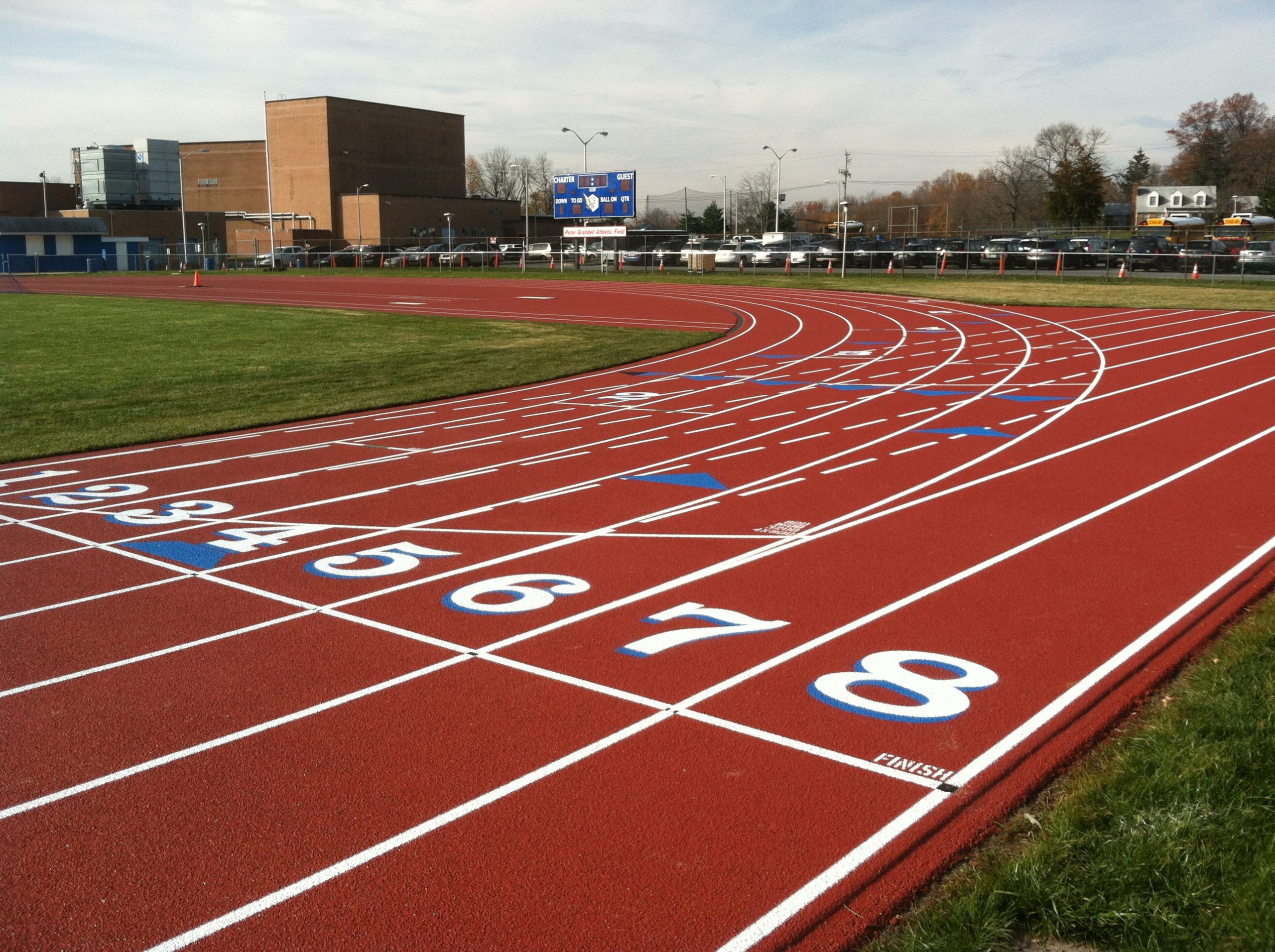
The Evolution of Track Technology: A Technological Leap
The journey of the athletic track reflects a continuous pursuit of technological advancement, driven by the desire for improved performance, greater safety, and standardized competition. What began as rudimentary natural surfaces has transformed into highly engineered systems.
From Cinder to Synthetic Marvels
For centuries, athletic tracks were predominantly natural surfaces – compacted dirt, grass, or, famously, cinder. Cinder tracks, made from finely crushed coal cinders mixed with clay, represented an early attempt at a standardized, albeit primitive, engineered surface. While an improvement over raw earth, cinder tracks were prone to weather degradation, offered inconsistent traction, and presented significant impact stress to athletes. They were also dusty, messy, and difficult to maintain.
The true technological revolution began in the mid-20th century with the advent of synthetic running surfaces. The first all-weather polyurethane track debuted at the 1968 Mexico City Olympics, marking a pivotal moment. This innovation immediately showcased its superiority: consistent performance regardless of weather, superior shock absorption, and unprecedented durability. This shift wasn’t merely a change in material; it was a paradigm shift in how sports surfaces were conceived, designed, and constructed, embracing principles of materials science and advanced engineering.
The Pursuit of Performance Enhancement
The move to synthetic tracks was driven by the quantifiable benefits they offered athletes. These engineered surfaces provided a more uniform and predictable rebound, allowing sprinters to generate more power and maintain higher speeds. The consistent grip minimized energy loss from slipping, while the carefully calibrated shock absorption reduced the strain on an athlete’s joints and muscles, contributing to fewer injuries and faster recovery. This enhancement wasn’t accidental; it was the direct result of applying scientific principles to material composition and track design, continuously refining properties like hardness, elasticity, and friction to fine-tune athletic output.
Engineering the Modern Surface: Materials Science at Play
Modern athletic tracks are complex, multi-layered systems, each component serving a specific technological function. The construction is a testament to precision engineering and advanced materials science, ensuring durability, performance, and safety.
Polyurethane and Rubber Granules: The Core Components
At the heart of most advanced athletic tracks lies a sophisticated blend of polyurethane and rubber granules. Polyurethane, a versatile polymer, forms the binding agent and often the top layer of the track. Its elastic properties are crucial for providing the necessary spring and shock absorption. Rubber granules, typically EPDM (ethylene propylene diene monomer) or SBR (styrene-butadiene rubber), are mixed into the polyurethane matrix. These granules contribute to the track’s texture, flexibility, and anti-slip properties, while also significantly impacting its overall elasticity and energy return characteristics. The precise ratio, size, and type of these granules, alongside the polyurethane formulation, are often proprietary technologies developed by leading track manufacturers. This intricate material science ensures a surface that can withstand extreme weather, heavy usage, and maintain its performance characteristics over time.
Layered Construction and Shock Absorption Systems
A modern athletic track is rarely a single monolithic layer. Instead, it is a meticulously engineered sandwich of different materials, each optimized for its role. Typically, the construction begins with a carefully prepared and precisely graded asphalt or concrete base. On top of this, multiple layers are applied:
- Binder Layer: An initial layer, often rubberized asphalt or a specialized polyurethane primer, to ensure adhesion to the base and provide initial shock absorption.
- Porous Base Layer: A thicker layer composed of polyurethane and coarser rubber granules, designed for primary shock absorption and structural integrity. This layer is engineered to be slightly permeable to aid drainage.
- Intermediate Layer: Some advanced systems include an additional self-leveling or cushioning layer to further refine the track’s responsiveness.
- Wearing Course (Top Layer): This is the visible, often colored surface layer, made from a high-quality polyurethane matrix embedded with fine EPDM rubber granules. This layer provides the optimal balance of grip, elasticity, and abrasion resistance. Its precise thickness and composition are critical for meeting performance standards set by international athletic federations.
This multi-layered approach is key to achieving optimal shock absorption, reducing impact forces on athletes’ joints, and maximizing energy return. The engineering challenge lies in balancing these properties across the entire surface to ensure consistent performance.

Drainage and Environmental Considerations
Beyond the running surface itself, modern track technology incorporates sophisticated drainage systems. Sub-base drainage, often using perforated pipes and permeable aggregates, is critical to prevent water accumulation and maintain the integrity of the track structure. Surface drainage, through the subtle slope of the track and careful design of its outer edges, ensures rapid water runoff during rain, allowing for all-weather usage.
Furthermore, environmental considerations are increasingly influencing track technology. Research and development are focused on sustainable materials, including recycled rubber and bio-based polyurethanes, to reduce the environmental footprint of track construction. Technologies that improve the track’s thermal properties to mitigate heat island effects or allow for better heat dissipation are also emerging, reflecting a broader commitment to eco-conscious engineering.
Precision and Performance: Digital Integration
The technological sophistication of athletic tracks extends beyond their physical composition to their integration with digital systems for performance measurement, analysis, and management.
Advanced Timing and Data Capture Systems
Modern athletic tracks are designed to seamlessly integrate with sophisticated electronic timing systems. These systems utilize advanced sensor technology, including photo-finish cameras, transponder systems, and pressure-sensitive starting blocks, to capture event times with extreme precision, often down to thousandths of a second. This level of accuracy is paramount for professional competition and record validation. The wiring and infrastructure for these systems are often embedded within the track’s design, ensuring minimal interference and maximum reliability. The data captured is not just for official results but also feeds into performance analytics databases.
Sensor Technology for Athlete Performance Analysis
Beyond basic timing, some cutting-edge tracks are exploring or integrating sensor technology directly into the surface or its immediate surroundings. These embedded sensors can potentially capture a wealth of biomechanical data, such as ground contact time, stride length, power output, and even subtle changes in gait. This data, when analyzed using specialized software, can provide athletes and coaches with unprecedented insights into performance mechanics, injury prevention, and training effectiveness. While still an emerging field, the potential for “smart tracks” to act as sophisticated data collection platforms is immense.
Smart Track Features and Future Innovations
The concept of a “smart track” is an exciting frontier in athletic technology. This could involve tracks with integrated LED lighting for pacing guides during training, environmental sensors to monitor surface temperature and humidity, or even predictive maintenance systems that alert facility managers to potential wear and tear before it becomes critical. The convergence of advanced materials, IoT (Internet of Things) devices, and data analytics promises to further revolutionize how athletic tracks are used, maintained, and how they contribute to athlete development. Virtual reality and augmented reality applications could also utilize precise track data to create immersive training environments.
Construction and Maintenance Technologies
The technological sophistication of an athletic track also extends to its installation and ongoing care, both of which rely on specialized equipment and innovative methodologies.
Specialized Equipment for Installation
Constructing a modern athletic track is a highly specialized process requiring expert technicians and purpose-built machinery. Laser-guided paving equipment ensures the sub-base and subsequent layers are laid with absolute precision, achieving the minimal gradients and consistent thickness critical for performance and drainage. Specialized spray-coating machines apply the polyurethane layers evenly, while rollers are used to compact the layers to the desired density. The curing process itself often relies on controlled environmental conditions and specific chemical reactions, underscoring the high-tech nature of the installation.

Longevity and Sustainable Maintenance Practices
Ensuring the longevity and optimal performance of an athletic track involves a regimen of technologically informed maintenance. Advanced cleaning equipment is used to remove debris without damaging the synthetic surface. Specialized patch repair kits, utilizing the same polyurethane and rubber granule technology as the original construction, allow for seamless and durable repairs. Regular testing of the track’s force reduction, energy return, and friction properties using calibrated scientific instruments ensures that it continues to meet performance standards over its lifespan. Furthermore, predictive maintenance technologies, utilizing data from usage patterns and environmental factors, are being developed to optimize maintenance schedules, extending the track’s life and reducing overall operational costs. The continuous development of UV-resistant materials and anti-fungal treatments further contributes to the track’s durability and aesthetic preservation.
aViewFromTheCave is a participant in the Amazon Services LLC Associates Program, an affiliate advertising program designed to provide a means for sites to earn advertising fees by advertising and linking to Amazon.com. Amazon, the Amazon logo, AmazonSupply, and the AmazonSupply logo are trademarks of Amazon.com, Inc. or its affiliates. As an Amazon Associate we earn affiliate commissions from qualifying purchases.