
The Financial Footprint of an Aquatic Art Form
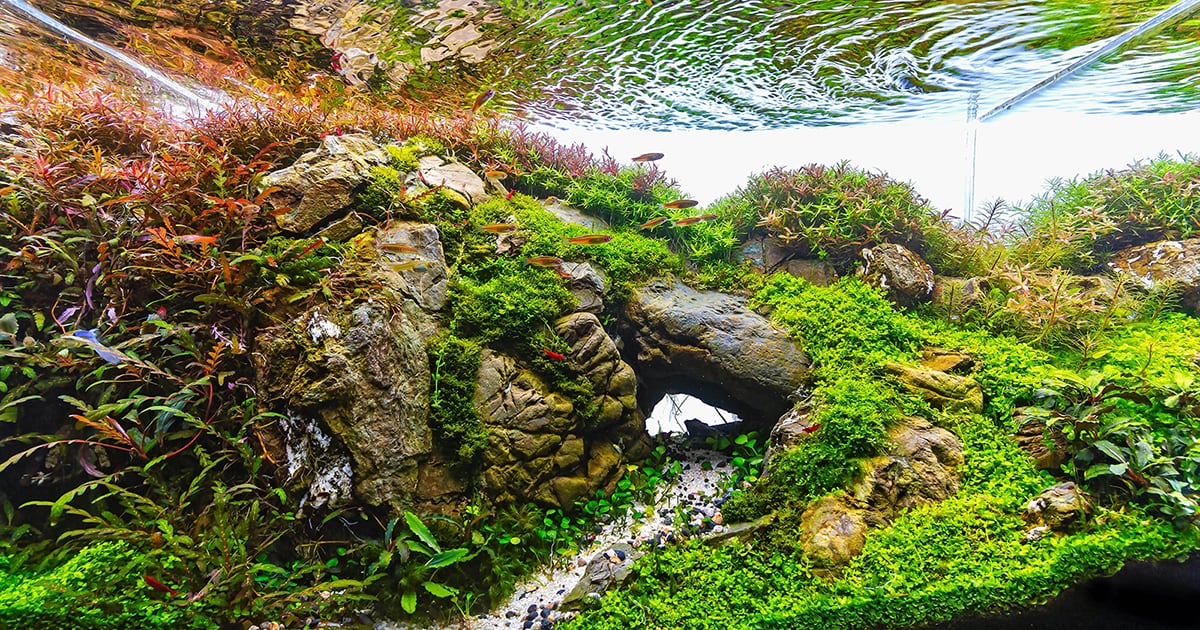
Aquascaping, at its core, is the art of arranging aquatic plants, rocks, stones, driftwood, and other decorative elements within an aquarium to create an aesthetically pleasing underwater landscape. While often perceived as a serene hobby or a creative outlet, understanding “what is aquascaping” from a financial perspective reveals a multifaceted endeavor with significant economic implications, ranging from substantial initial investments to ongoing operational costs, and even potential avenues for income generation. Far from a mere pastime, aquascaping, when viewed through a financial lens, is an intricate balance of capital allocation, resource management, and strategic planning.
Beyond Aesthetics: Understanding the Initial Investment
Embarking on an aquascaping journey necessitates a clear understanding of the mandatory initial outlays. These foundational costs define the entry barrier and scope of one’s ambitions. The centerpiece is invariably the aquarium tank itself, which varies dramatically in price based on size, material (glass vs. acrylic), and specialized features like rimless designs or integrated sumps. A beginner might opt for a smaller, standard tank for a few hundred dollars, while an enthusiast eyeing a large, custom-built display could easily face costs exceeding several thousand.
Beyond the tank, critical equipment represents a significant portion of the initial investment. Lighting systems, essential for plant growth and overall aesthetic appeal, range from basic LEDs to advanced programmable fixtures with specific spectral outputs, costing anywhere from $50 to over $1,000. Filtration units are non-negotiable for water quality; canister filters, hang-on-back filters, or sump systems each present different price points and operational efficiencies. For planted tanks, a CO2 injection system is often crucial for vigorous plant growth, comprising a regulator, cylinder, diffuser, and tubing, which can be an investment of $200-$500 or more.
Substrate, the foundation for plant roots and beneficial bacteria, also varies in price, with specialized aquatic soils designed for planted tanks commanding higher prices than inert gravel. Hardscape materials—rocks, stones, and driftwood—are sourced for their aesthetic appeal and can range from inexpensive natural finds to premium, artistically valuable pieces costing hundreds. Finally, the live inhabitants: aquatic plants themselves, especially rare or exotic species, and fish or invertebrates, contribute to the initial capital expenditure, with selection impacting both beauty and budget. Prudent budgeting at this stage involves distinguishing between essential functional components and desirable aesthetic enhancements to optimize capital deployment.
The Hidden Costs: Beyond the Initial Setup
The initial equipment purchase is merely the opening chapter in aquascaping’s financial narrative. Often overlooked are the “hidden” costs that emerge during the setup and initial cycling phases. Water testing kits, vital for monitoring water parameters and ensuring a healthy ecosystem, are an ongoing but initially significant purchase. Specialized aquascaping tools—tweezers, scissors, substrate shapers, and glass cleaners—are necessary investments for proper maintenance and can accumulate to several hundred dollars.
Furthermore, the “cost” of time investment is a subtle but significant financial factor. Researching, planning, acquiring components, setting up the tank, cycling it, and performing initial planting all demand substantial hours. For those whose time has a quantifiable value (e.g., self-employed individuals), this represents an opportunity cost. While not a direct monetary outflow, it’s a resource allocation that, if mismanaged, can lead to costly mistakes or premature abandonment of the hobby, rendering initial investments unproductive. Understanding these often-unseen expenditures is crucial for a comprehensive financial outlook on aquascaping.
Sustaining the Ecosystem: Ongoing Financial Commitments
Maintaining a vibrant and healthy aquascape transitions from initial capital outlay to a series of recurring operational expenses. These continuous financial commitments ensure the long-term viability and aesthetic integrity of the underwater environment, highlighting the economic discipline required for sustained success in aquascaping.
Maintenance Expenditures: A Continuous Outlay
The ongoing health of an aquascape hinges on regular inputs and replacements, translating directly into recurring costs. Fish food is a consistent expense, with specialized diets for various species adding to the complexity and cost. Aquatic plant fertilizers, both liquid and substrate-based, are essential to replenish nutrients absorbed by plants, particularly in high-tech setups. These can range from $10-$50 monthly depending on tank size and plant density.
For CO2 injected tanks, regular CO2 cylinder refills are a necessity, typically costing $15-$30 per refill, depending on cylinder size and frequency of use. Replacement filter media (sponges, ceramic rings, carbon) ensures efficient water purification and needs periodic refreshing, adding to the monthly or quarterly budget. Replacement bulbs for lighting systems, if not LED, are also a recurring cost. Furthermore, water conditioners and other chemical additives to maintain optimal water parameters are continuous purchases.
Beyond consumables, unexpected events can trigger additional expenses. Disease outbreaks among fish or algae explosions can necessitate the purchase of medications or specialized treatments, sometimes leading to the costly replacement of livestock or plants if problems are severe. Prudent budgeting for these unforeseen circumstances is a key aspect of managing an aquascape’s financial health.
The Cost of Expertise: Learning and Development
While much of aquascaping can be self-taught through online resources, investing in formal education or expert consultation can significantly improve outcomes and prevent costly mistakes. This falls under a category of financial commitment aimed at skill and knowledge enhancement. This might include purchasing specialized books or subscriptions to aquascaping magazines, attending workshops or online courses offered by renowned aquascapers, or even engaging a professional aquascaping consultant for initial design, troubleshooting, or ongoing maintenance advice.
Such investments, though not always mandatory, can be seen as financial outlays designed to reduce long-term risks (e.g., preventing expensive plant die-offs or equipment damage due to ignorance) and accelerate skill acquisition, ultimately leading to a more successful and financially efficient aquascaping experience. For those considering monetizing their passion, investing in professional development is an almost indispensable step to build credibility and expertise.
Monetizing the Masterpiece: Aquascaping as a Business or Side Hustle
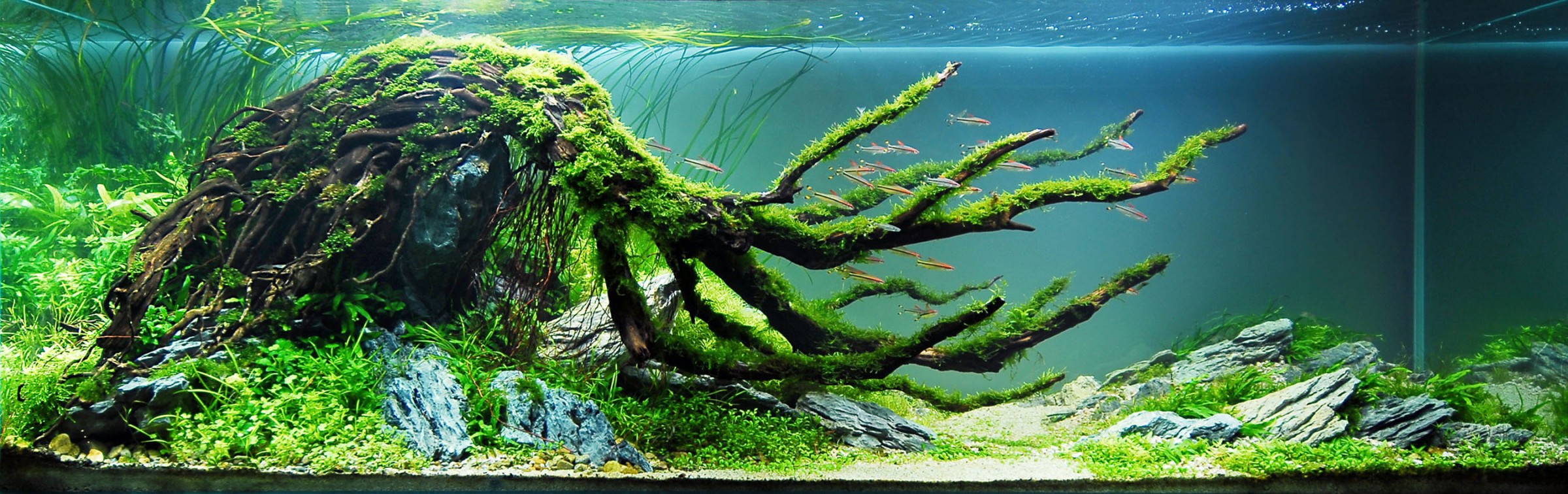
Beyond the personal enjoyment and aesthetic gratification, aquascaping presents tangible opportunities for income generation, transforming a passion into a profitable venture. Understanding these financial pathways is crucial for anyone exploring “what is aquascaping” from an entrepreneurial standpoint.
Selling Surplus: Plants, Fish, and Hardscape
One of the most accessible avenues for monetizing an aquascape is by selling surplus resources. Enthusiasts with thriving planted tanks often find themselves with an abundance of aquatic plants that require regular trimming. These trimmings, particularly of rare or fast-growing species, can be sold to other hobbyists, local fish stores, or online marketplaces. Propagation of desirable or difficult-to-grow plants can generate a consistent, albeit modest, income stream. Pricing strategies involve considering species rarity, growth rate, and market demand.
Similarly, successful breeding of aquarium fish or invertebrates (e.g., shrimp) can yield marketable offspring. High-value ornamental fish or rare shrimp varieties can command significant prices. This requires dedicated setups for breeding, careful genetic selection, and an understanding of market pricing. Even unique hardscape materials, if sourced responsibly and prepared professionally, can be cleaned, shaped, and sold to fellow aquascapers looking for specific aesthetic elements. This requires a keen eye for form and an understanding of logistical challenges for shipping.
Aquascaping Services: Design, Installation, and Maintenance
For those with a strong design sense and technical proficiency, offering professional aquascaping services presents a more structured business model. This involves providing expertise in:
- Design & Consultation: Working with clients to conceptualize and plan aquascape designs tailored to their space and budget. This can be charged on an hourly or project basis.
- Installation: Setting up new aquascapes for homes, offices, or commercial establishments. This involves sourcing all materials, equipment, and livestock, and executing the design. Project fees for installations can range from hundreds to thousands of dollars depending on complexity and size.
- Maintenance: Offering ongoing care services, including water changes, plant trimming, equipment checks, and algae removal. This often involves monthly retainers, providing a stable recurring revenue stream.
Client acquisition for these services typically involves networking within the hobby community, online marketing, and showcasing a portfolio of successful projects. Operational costs for a service business would include transportation, specialized tools, and potentially liability insurance.
The Aquascaping Product Niche: Creating and Selling
For the innovative entrepreneur, the aquascaping market also supports the creation and sale of specialized products. This could involve developing and manufacturing custom aquascaping tools, fabricating unique hardscape elements from resin or other materials, blending and selling proprietary aquatic plant fertilizers, or even creating specialized substrates tailored for specific plant types.
This avenue requires not only aquascaping knowledge but also manufacturing capabilities, marketing savvy, and potentially intellectual property protection. The scale of investment is significantly higher than selling surplus, but the potential for profit and brand building is also greater, allowing an aquascaper to carve out a distinctive niche within the broader aquatic industry.
Financial Strategy and Risk Management in Aquascaping
Approaching aquascaping with a strategic financial mindset is paramount, whether it remains a hobby or evolves into a business. Effective financial planning mitigates risks, optimizes investments, and ensures the long-term sustainability of your aquatic endeavors.
Budgeting for Beauty: Planning Your Aquascaping Investment
A disciplined approach to budgeting is the cornerstone of financially responsible aquascaping. This involves meticulous planning before any significant outlay. Start by outlining clear goals for your aquascape, then research the associated costs for tanks, equipment, hardscape, and livestock. Distinguishing between “wants” and “needs” is crucial; prioritize essential functional components (filtration, lighting, heating) over purely aesthetic upgrades if budget is constrained.
Consider a phased investment strategy: start with a simpler setup and gradually upgrade components as funds become available and skills develop. Long-term financial forecasting should account for recurring maintenance costs, potential upgrades, and a contingency fund for unforeseen issues. Exploring cost-effective alternatives, such as DIY solutions for certain equipment, sourcing hardscape materials from nature (ensuring they are aquarium-safe), or propagating common plants from a small initial purchase, can significantly reduce overall expenditure. Joining hobbyist forums can also provide access to second-hand equipment and plant swaps, further stretching the budget.

Protecting Your Investment: Mitigating Financial Risks
Aquascaping, like any endeavor involving live organisms and delicate ecosystems, carries inherent financial risks. Equipment failures, disease outbreaks, plant die-offs, or even human error can lead to significant financial losses.
To mitigate these risks:
- Invest in Quality: While tempting to cut costs, opting for reliable, reputable brands for critical equipment (filters, heaters, CO2 regulators) often pays off in the long run by reducing the likelihood of premature failure and associated replacement costs or ecosystem crashes.
- Contingency Fund: Allocate a portion of your aquascaping budget to an emergency fund specifically for unexpected events, such as replacing a broken heater, purchasing medications for a disease outbreak, or replacing a costly batch of plants.
- Knowledge and Preparedness: Continuously educate yourself on best practices for water parameter management, plant care, and disease prevention. Early detection and intervention can prevent minor issues from escalating into major financial setbacks. For instance, understanding proper CO2 dosing prevents gas-related fish deaths.
- Diversification (for businesses): If operating an aquascaping business, diversify income streams (services, plant sales, product development) to reduce reliance on any single revenue source.
- Insurance (for high-value setups): For exceptionally large or valuable aquascapes, particularly in commercial settings, exploring specialized property insurance that covers aquatic displays might be a prudent, albeit niche, consideration to protect substantial investments against unforeseen damage or loss.
By embracing these financial strategies, aquascapers can navigate the complexities of this art form with greater confidence, ensuring both the beauty and the economic sustainability of their underwater worlds.
aViewFromTheCave is a participant in the Amazon Services LLC Associates Program, an affiliate advertising program designed to provide a means for sites to earn advertising fees by advertising and linking to Amazon.com. Amazon, the Amazon logo, AmazonSupply, and the AmazonSupply logo are trademarks of Amazon.com, Inc. or its affiliates. As an Amazon Associate we earn affiliate commissions from qualifying purchases.