
Understanding APO/FPO addresses is critical for anyone involved in commerce, particularly e-commerce, and for individuals managing personal finances while supporting military personnel abroad. These specialized postal designations, standing for Army Post Office (APO) and Fleet Post Office (FPO), are not merely alternative mailing labels; they represent a sophisticated, financially impactful, and logistically unique system designed to serve U.S. military members stationed outside the continental United States. For businesses, comprehending APO/FPO protocols directly impacts shipping costs, customs compliance, sales tax obligations, and ultimately, profitability and customer satisfaction. For individuals, it ensures the secure and cost-effective exchange of financial documents, personal items, and essential goods.

Understanding the Core Concept: A Financial & Logistical Perspective
At its heart, the APO/FPO system is a logistical marvel that transforms international deliveries into domestic transactions, significantly impacting financial considerations for both sender and recipient.
Defining APO and FPO
An APO address is assigned to U.S. Army and U.S. Air Force installations abroad, including those in combat zones, remote bases, or overseas territories. An FPO address is designated for U.S. Navy and Marine Corps ships and shore-based operations, allowing personnel to receive mail while at sea or in foreign ports. Both categories serve the fundamental purpose of extending the reach of the U.S. postal system to military personnel globally.
Why They’re Not Standard International Addresses
The crucial distinction, particularly from a financial and regulatory standpoint, is that APO/FPO addresses are treated by the United States Postal Service (USPS) as domestic mail. This seemingly simple classification has profound financial consequences. Unlike standard international shipments that are subject to varying country-specific regulations, international shipping rates, customs duties, and import taxes, APO/FPO mail bypasses many of these complexities. This domestic treatment significantly reduces shipping costs for businesses and individuals, eliminates the need for complex international tariff calculations, and mitigates the risk of unexpected fees for the recipient. For businesses, this translates to more predictable logistics and easier price calculations for goods shipped to military families.
The Role of the U.S. Postal Service (USPS)
The USPS is the sole carrier for APO/FPO mail. This exclusivity is a key financial and logistical factor. Private carriers like FedEx, UPS, or DHL cannot directly deliver to APO/FPO addresses because they are not physical locations in the traditional sense, but rather a hub-and-spoke system managed by the military postal service. The mail is first sent to a military sorting facility within the U.S., then transported by military logistics networks to its final overseas destination. This centralized system ensures security, reliability, and cost-effectiveness that would be difficult to achieve through fragmented international commercial shipping routes. Businesses must integrate USPS shipping options and protocols into their e-commerce platforms and fulfillment strategies to effectively serve the military market.
Financial Implications for E-commerce & Businesses
For businesses, particularly those operating online, properly handling APO/FPO addresses is not just a matter of good customer service; it’s a direct determinant of financial health and market reach.
Streamlined Shipping Costs and Avoiding International Fees
Treating APO/FPO addresses as domestic shipments allows businesses to charge standard domestic shipping rates, often significantly lower than international rates. This directly impacts the profitability of orders and the competitiveness of pricing. Furthermore, it eliminates the need to navigate complex international shipping zones, surcharges, and currency exchange rate fluctuations that can eat into margins. By correctly classifying these addresses, businesses can offer transparent shipping costs, preventing cart abandonment and fostering trust with a valuable customer segment.
Customs Declarations and Avoiding Delays/Fines
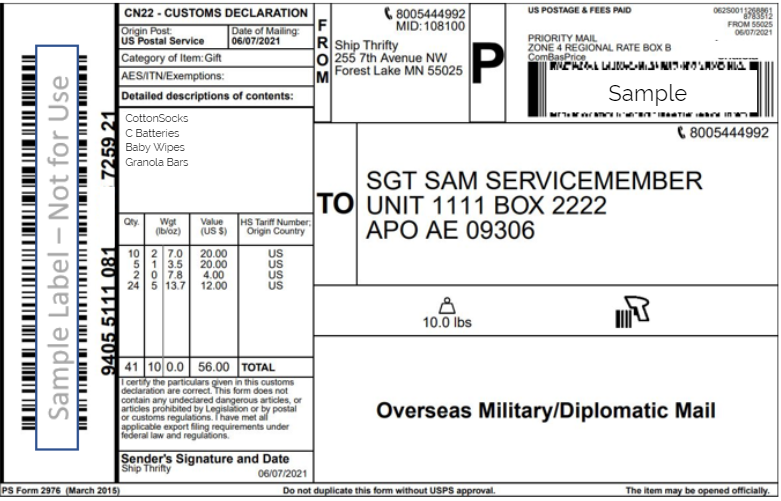
While APO/FPO addresses are treated as domestic for shipping rate purposes, most shipments still require customs forms (e.g., PS Form 2976-A or PS Form 2976-B). However, the critical difference is that these forms are primarily for military security and logistical purposes, not for the assessment of foreign customs duties or taxes. Incorrect or incomplete customs declarations can lead to significant delays, package returns, or even fines imposed by the military postal service, all of which incur financial losses for the business through re-shipping costs, inventory tie-ups, and customer dissatisfaction. Accurate completion ensures smooth transit and avoids costly logistical headaches.
Sales Tax Considerations for Military Shipments
Sales tax policies for APO/FPO shipments can be nuanced but generally favor the customer. Goods shipped to APO/FPO addresses are typically exempt from sales tax by the state from which they are shipped if the sender is not located in the same state as the billing address. However, if the sender is in the same state as the billing address of the military member, sales tax might apply. Understanding these jurisdictional complexities is vital for businesses to ensure compliance, avoid erroneous tax collections, and prevent potential financial liabilities from tax audits. Most e-commerce platforms can be configured to properly handle sales tax exemptions for these specific addresses.
Inventory Management and Fulfillment Challenges
The unique logistics of APO/FPO shipments can influence inventory management and fulfillment strategies. While transit times can sometimes be longer than standard domestic shipments due to military transport schedules, businesses must ensure sufficient stock levels and efficient processing to meet delivery expectations. Delays can lead to backorders, lost sales, and increased customer service costs. Integrating APO/FPO protocols into order management systems helps automate the process, reducing manual errors and improving operational efficiency, thereby directly impacting the cost of goods sold and overall business finance.
Personal Finance and Individual Considerations
For military personnel and their families, APO/FPO addresses are more than just a convenience; they are a vital link for personal finance management and maintaining connections.
Receiving Financial Documents and Mail Securely
Military members frequently manage their finances from afar, relying on the mail for bank statements, tax documents, credit card bills, and other sensitive financial correspondence. The APO/FPO system provides a secure and reliable channel for these critical documents. Understanding the address format and potential transit times is essential for individuals to ensure they receive important financial information promptly, enabling them to pay bills on time, avoid late fees, and manage their investments effectively. For family members sending documents, it ensures privacy and integrity.
Shipping Personal Items and Gifts Cost-Effectively
Sending care packages, gifts, or essential personal items to deployed family members can be a significant expense. The domestic classification of APO/FPO mail allows individuals to utilize affordable USPS domestic rates, including Media Mail for books and Priority Mail Flat Rate boxes, which can offer substantial savings compared to international shipping options. This cost-effectiveness directly impacts personal budgets, making it more feasible to maintain connections and provide support, reducing financial strain on military families.
Impact on Online Shopping and Subscriptions
For military personnel, the APO/FPO system opens up the vast world of U.S. online shopping and subscriptions that might otherwise be inaccessible or prohibitively expensive due to international shipping restrictions or costs. Many online retailers now recognize and ship to APO/FPO addresses, allowing service members to purchase everything from personal hygiene products to electronics, often at domestic prices and shipping rates. This access to goods and services enhances quality of life and helps military families manage their personal spending more efficiently by leveraging domestic market prices.
Best Practices for Businesses Shipping to APO/FPO
Maximizing financial efficiency and customer satisfaction when shipping to APO/FPO addresses requires adherence to specific best practices.
Accurate Address Formatting is Paramount
The correct address format is critical to avoid delays and financial losses. The standard format includes:
- Recipient’s Name
- Unit and Box Number (e.g., PSC 123 Box 4567, or UNIT 3000 Box 410)
- APO or FPO Designation
- AA, AE, or AP Abbreviation for the Region (e.g., AE for Europe, AA for Americas, AP for Pacific)
- 9-digit ZIP Code (or 5-digit)
Mistakes in formatting, such as omitting the unit number or using a foreign country name, will lead to the package being returned, incurring re-shipping costs and customer frustration. Businesses must educate their customers on correct formatting and ensure their checkout systems validate these addresses effectively.
Proper Customs Form Completion
Even though no international duties are typically assessed, accurate customs forms are mandatory for tracking and security. Businesses must precisely list all contents, their quantities, and their individual values. Undervaluing items can lead to legal issues, while vague descriptions can cause delays. Correctly completing these forms minimizes the risk of package interception or return, saving the business money and ensuring timely delivery.
Communication and Customer Service
Transparent communication regarding shipping times, potential delays, and the unique nature of APO/FPO logistics is vital. Setting realistic expectations for delivery windows (which can sometimes be longer) and providing clear tracking information builds trust. Exceptional customer service in this area can lead to strong brand loyalty within the military community, translating into repeat business and positive word-of-mouth referrals.
Leveraging APO/FPO for Broader Market Access
Embracing APO/FPO shipping is a strategic financial decision that broadens market access and strengthens brand presence.
Tapping into the Military Consumer Base
The U.S. military community represents a significant and often underserved consumer base. By explicitly supporting APO/FPO shipping, businesses can access this market, gaining a competitive edge over companies that do not. This expanded market reach directly contributes to revenue growth and financial stability.

Building Trust and Loyalty within the Military Community
Providing seamless and cost-effective shipping to military addresses fosters immense goodwill. This segment of the population highly values businesses that understand and cater to their unique needs. Building trust and loyalty with military personnel and their families translates into long-term customer relationships, repeat purchases, and positive brand association, ultimately contributing to sustained financial success and brand equity. Investing in APO/FPO capability is an investment in a dedicated and appreciative customer base.
aViewFromTheCave is a participant in the Amazon Services LLC Associates Program, an affiliate advertising program designed to provide a means for sites to earn advertising fees by advertising and linking to Amazon.com. Amazon, the Amazon logo, AmazonSupply, and the AmazonSupply logo are trademarks of Amazon.com, Inc. or its affiliates. As an Amazon Associate we earn affiliate commissions from qualifying purchases.