
Alkaline hydrolysis represents a fascinating and increasingly relevant technological process at the intersection of chemistry, engineering, and environmental science. Far from a niche laboratory curiosity, this method is gaining significant traction across various industries for its efficiency, environmental benefits, and distinct operational advantages. Fundamentally, it is a controlled chemical process that uses a combination of water, alkalinity (typically potassium hydroxide or sodium hydroxide), heat, and sometimes pressure to accelerate the natural decomposition of organic materials. Understanding alkaline hydrolysis is key to appreciating its role in modern sustainable practices and advanced material processing.
The Core Science: Deconstructing a Chemical Process
At its heart, alkaline hydrolysis leverages a basic chemical reaction to break down complex organic matter into simpler, elemental components. This process is distinct from other decomposition methods like incineration or simple burial, offering a precise and controlled breakdown.

The Hydrolysis Reaction
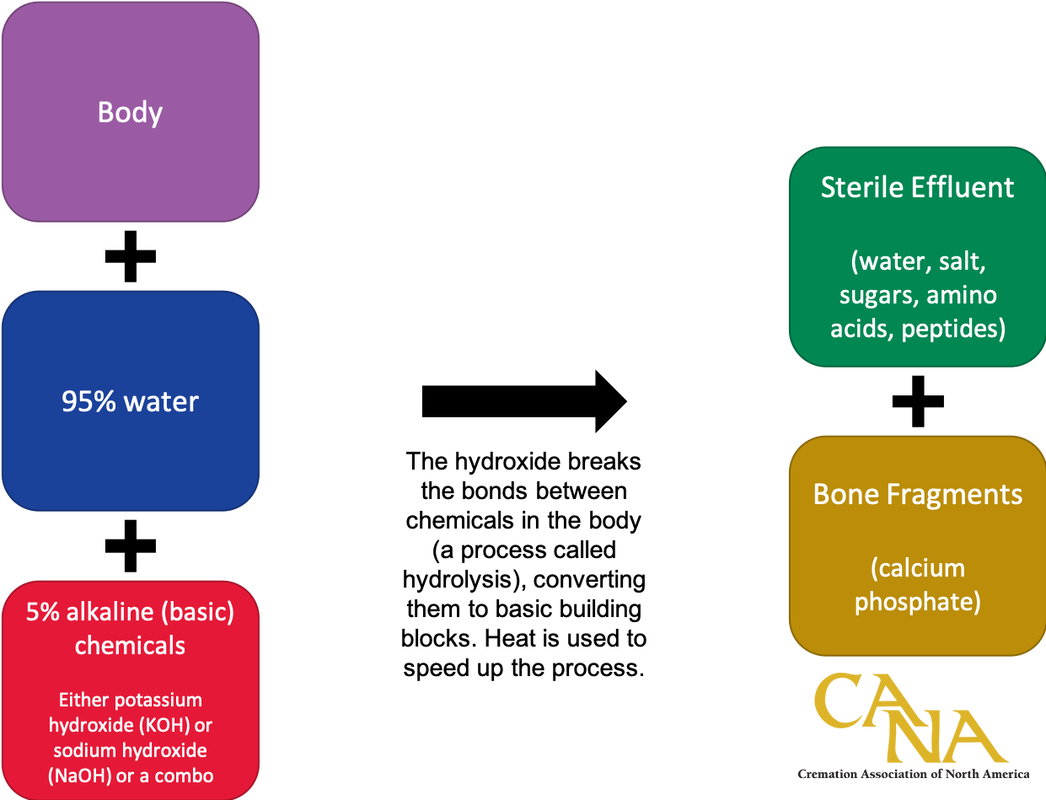
Hydrolysis, meaning “splitting with water,” is a fundamental chemical reaction where water molecules are used to break chemical bonds. In the context of organic macromolecules like proteins, fats, and nucleic acids, water inserts itself into the bonds (e.g., peptide bonds in proteins, ester bonds in fats), effectively cleaving them. This is a naturally occurring process, but it is typically very slow under ambient conditions.
Alkaline Conditions and Catalysis
The “alkaline” aspect of alkaline hydrolysis is crucial. Introducing a strong base (like NaOH or KOH) into the water significantly increases the pH, creating an alkaline environment. This alkalinity acts as a powerful catalyst, dramatically accelerating the hydrolysis reaction. The hydroxide ions (OH-) from the base play a direct role in attacking and breaking the chemical bonds within the organic material. Heat, and sometimes elevated pressure, further enhance the reaction rate, ensuring complete and rapid dissolution. The precise conditions—temperature, pressure, duration, and concentration of the alkaline solution—are carefully controlled depending on the specific material being processed and the desired outcome. The end products are typically a sterile aqueous solution containing amino acids, sugars, salts, and other simple organic compounds, along with a sterile bone mineral residue if the processed material included skeletal structures.
Beyond Chemistry: Diverse Technological Applications
The controlled and efficient nature of alkaline hydrolysis makes it a versatile technology with applications spanning several critical sectors. Its ability to break down complex organic matrices without generating harmful airborne emissions positions it as a green alternative to many traditional methods.
Sustainable Waste Management and Bioremediation
One of the most significant technological applications of alkaline hydrolysis is in waste management, particularly for problematic organic waste streams. It is highly effective in treating medical waste, including pathological waste and contaminated animal carcasses from research facilities. Unlike incineration, which releases greenhouse gases and potentially toxic fumes, alkaline hydrolysis processes these materials into a sterile liquid effluent that can often be safely discharged to municipal wastewater treatment plants, and a sterile solid residue.
Beyond medical waste, this technology holds promise for bioremediation efforts. It can be used to treat contaminated soils or industrial sludge containing organic pollutants, breaking down hazardous compounds into less toxic forms. Research is also exploring its utility in processing food waste and agricultural by-products, converting them into nutrient-rich solutions or feedstocks for other biochemical processes, aligning with circular economy principles.
Dignified End-of-Life Solutions
Perhaps one of the most publicly recognized applications of alkaline hydrolysis is in the field of end-of-life services for both humans and pets. Marketed under various names such as “aquamation,” “resomation,” or “water cremation,” this technology offers an environmentally friendly alternative to traditional flame cremation or burial.
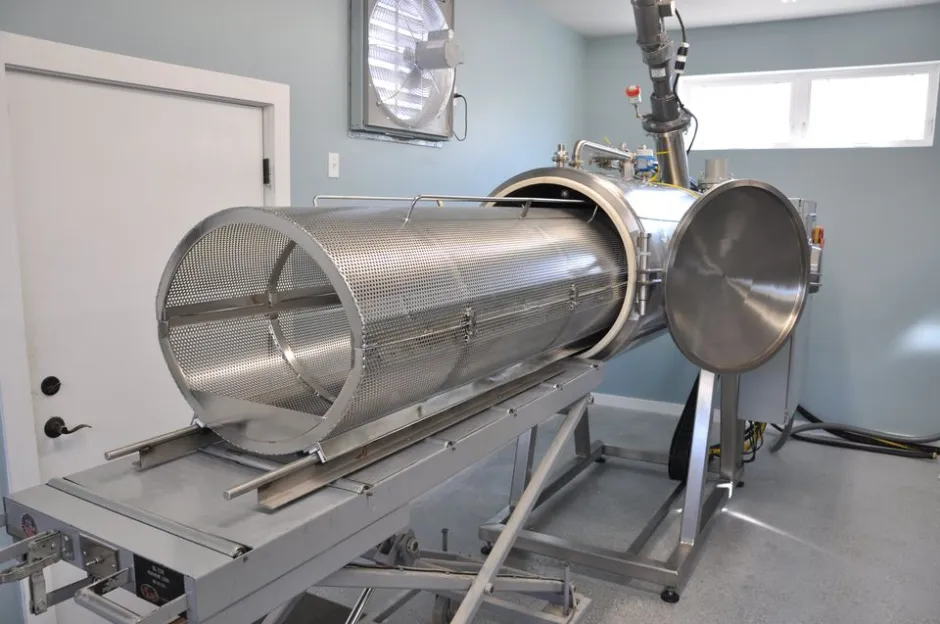
For human and pet remains, the process typically involves placing the body in a stainless-steel chamber, where it is subjected to a gentle flow of warm water and alkaline solution for several hours. This process gently dissolves soft tissues, leaving behind a sterile bone mineral that is then processed into a fine ash, similar in appearance and composition to cremated remains. This application appeals to individuals seeking a more sustainable option, as it uses significantly less energy than flame cremation and emits no atmospheric pollutants. It represents a technological advancement in providing respectful and eco-conscious choices for final disposition.
Industrial Processing and Resource Recovery
In industrial settings, alkaline hydrolysis serves as a powerful tool for material breakdown and resource recovery. It can be employed in rendering plants to process animal by-products, converting them into valuable protein hydrolysates and fats for use in animal feed or other industrial applications. This not only minimizes waste but also extracts economic value from materials that would otherwise be discarded.
The technology is also being explored in the processing of complex organic polymers and composites, potentially enabling more effective recycling and material separation. For example, it can be used to depolymerize certain plastics or to separate components in multi-material products, contributing to advanced recycling initiatives and fostering a more circular economy by recovering valuable chemical building blocks.
Technological Advantages and Environmental Impact
The widespread adoption of alkaline hydrolysis as a robust technological solution is driven by a compelling suite of advantages, particularly concerning its environmental footprint and operational safety. These benefits position it as a critical technology for future sustainable development.
Energy Efficiency and Reduced Emissions
A primary technological advantage of alkaline hydrolysis over high-temperature thermal processes, such as incineration or flame cremation, is its significantly lower energy consumption. The process typically operates at much lower temperatures, requiring less energy input to achieve the desired decomposition. This translates directly into reduced fossil fuel consumption and lower operational costs. Furthermore, since the process does not involve combustion, it eliminates the emission of harmful atmospheric pollutants such, particulate matter, nitrogen oxides (NOx), sulfur dioxide (SO2), mercury, and persistent organic pollutants like dioxins and furans. Instead, the main by-products are a sterile liquid and a sterile solid residue, which are easier and safer to manage.
Pathogen Inactivation and Safety
Alkaline hydrolysis is highly effective at inactivating pathogens, including bacteria, viruses, and prions. The combination of high pH, heat, and process duration creates an environment that thoroughly sterilizes the processed material. This makes it an invaluable technology for handling potentially infectious biological waste from hospitals, laboratories, and agricultural industries, significantly reducing biosecurity risks. The sterile output reduces the potential for disease transmission and environmental contamination, offering a superior safety profile compared to methods that might not fully eliminate all infectious agents.
Resource Conservation and Circular Economy Principles
By breaking down organic matter into its fundamental components, alkaline hydrolysis facilitates the recovery of valuable resources. The nutrient-rich liquid effluent can sometimes be repurposed as a fertilizer or soil amendment, returning vital elements to the ecosystem. The sterile bone mineral remaining from animal or human processes can be a source of phosphorus and calcium. In industrial applications, the technology enables the recovery of proteins, fats, or specific chemical compounds, which can then be reused in other manufacturing processes. This aligns perfectly with the principles of a circular economy, where waste is minimized, and resources are kept in use for as long as possible, promoting sustainable material cycles.
Operationalizing Alkaline Hydrolysis: System Design and Implementation
Implementing alkaline hydrolysis technology involves sophisticated engineering and process control to ensure efficiency, safety, and compliance with environmental standards. The design of the systems is crucial for scaling the technology to various applications.
Batch vs. Continuous Systems
Alkaline hydrolysis systems can be designed to operate in either batch or continuous modes, depending on the volume and type of material to be processed. Batch systems are typically used for smaller volumes or specific applications, such as individual human or pet dispositions, where precise control over each cycle is important. Materials are loaded, processed, and then unloaded as discrete batches. Continuous systems, on the other hand, are designed for high-volume industrial applications, such as large-scale waste treatment or rendering, where materials are fed into the system continuously, and processed output is collected ongoingly. The choice between batch and continuous systems hinges on throughput requirements, operational flexibility, and economic considerations.
Equipment and Infrastructure
The core equipment for alkaline hydrolysis includes robust, corrosion-resistant reaction vessels (often made of stainless steel), heating and cooling systems, pumps for circulating the alkaline solution, and sophisticated control systems to monitor temperature, pressure, pH, and process duration. Additional infrastructure may include chemical storage and dosing units, effluent treatment systems (if direct discharge is not permissible), and material handling equipment for loading and unloading. Advanced sensor technology and automated control algorithms are integral to ensuring the process operates optimally, safely, and in full compliance with regulatory requirements, which vary significantly by jurisdiction and application.
The Future Horizon of Hydrolysis Technology
The trajectory of alkaline hydrolysis technology points towards continuous innovation and broader acceptance as a cornerstone of sustainable industrial and environmental practices.
Innovation in Process Optimization
Future advancements in alkaline hydrolysis technology will likely focus on optimizing process parameters for even greater energy efficiency, faster reaction times, and enhanced material selectivity. Research into novel alkaline catalysts, lower-temperature applications, and more efficient heat recovery systems will drive down operational costs and environmental impact further. The development of modular, scalable systems will also make the technology more accessible to a wider range of users, from small businesses to large industrial complexes. Furthermore, integrating AI and machine learning into process control systems could enable predictive maintenance and real-time optimization, enhancing overall system reliability and performance.
Broader Adoption and Regulatory Frameworks
As the environmental and economic benefits of alkaline hydrolysis become more widely recognized, its adoption is expected to grow across multiple sectors. This expansion will necessitate the evolution of clear, consistent regulatory frameworks that address the specific characteristics of this technology, ensuring public health, environmental protection, and operational safety. Standardized protocols for effluent discharge, residue management, and system certification will be crucial for facilitating global acceptance. Continued public education and awareness campaigns will also play a vital role in demystifying the technology and fostering its integration into mainstream sustainable solutions.
aViewFromTheCave is a participant in the Amazon Services LLC Associates Program, an affiliate advertising program designed to provide a means for sites to earn advertising fees by advertising and linking to Amazon.com. Amazon, the Amazon logo, AmazonSupply, and the AmazonSupply logo are trademarks of Amazon.com, Inc. or its affiliates. As an Amazon Associate we earn affiliate commissions from qualifying purchases.